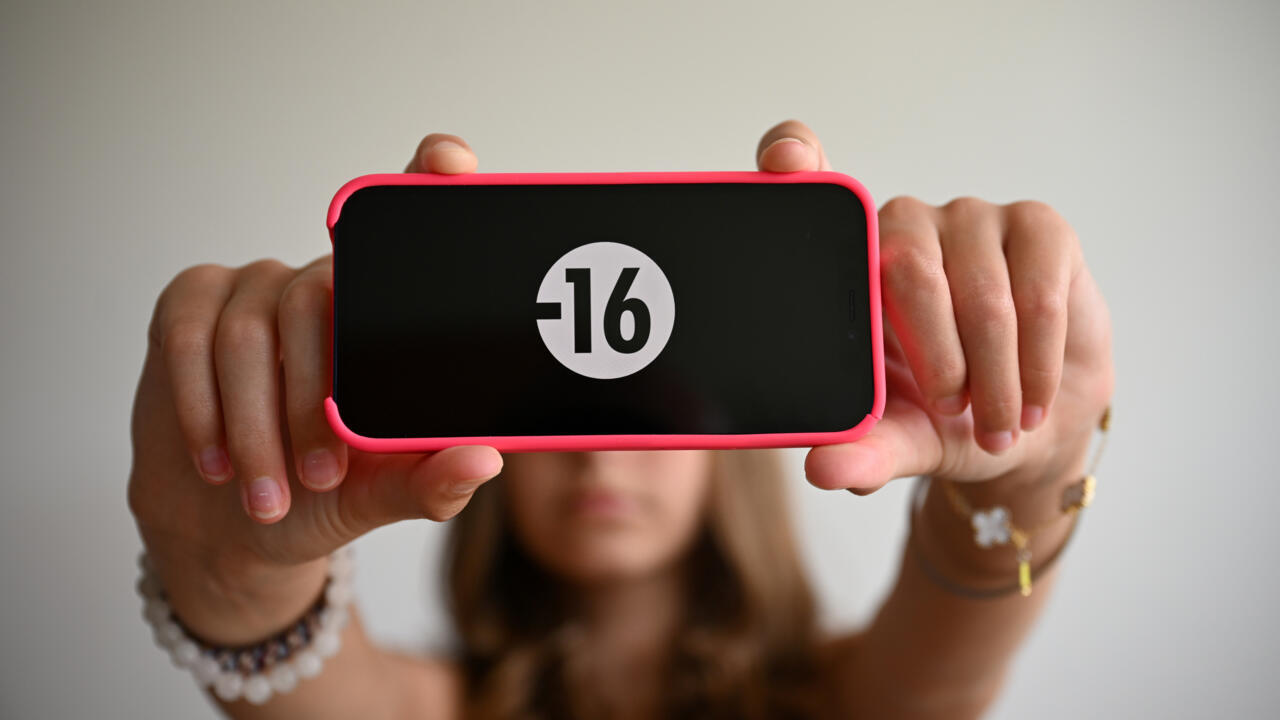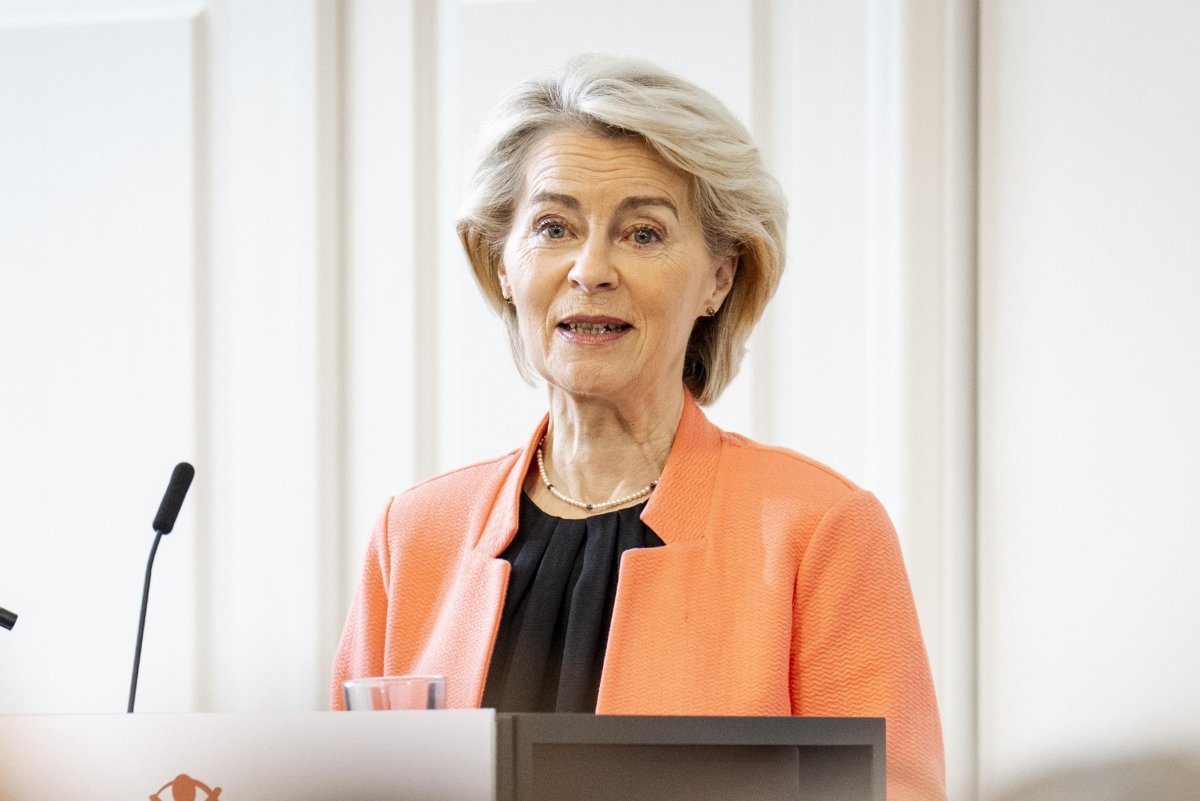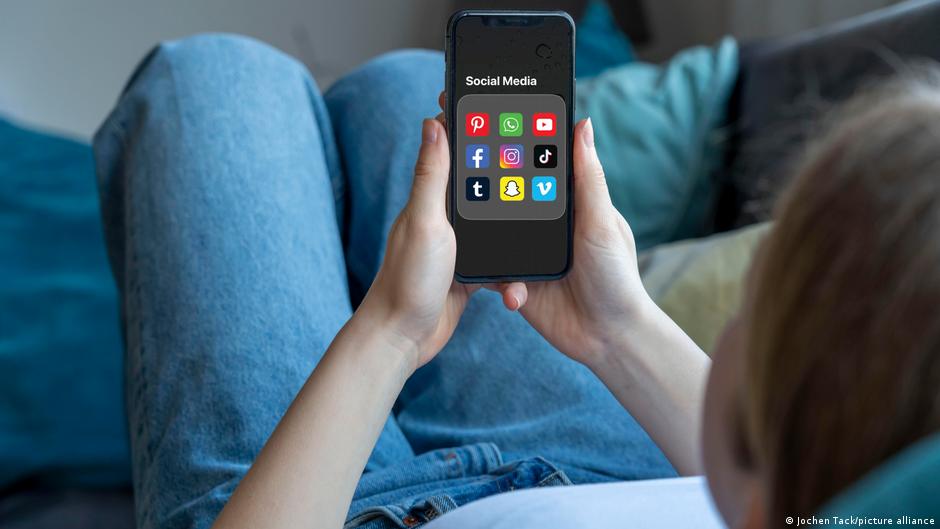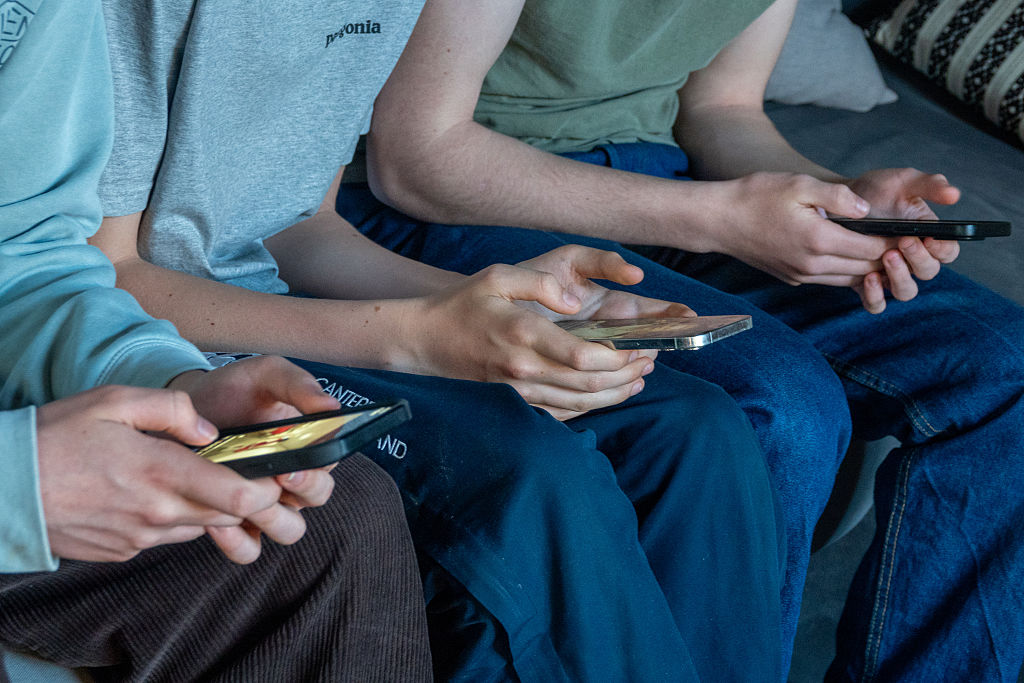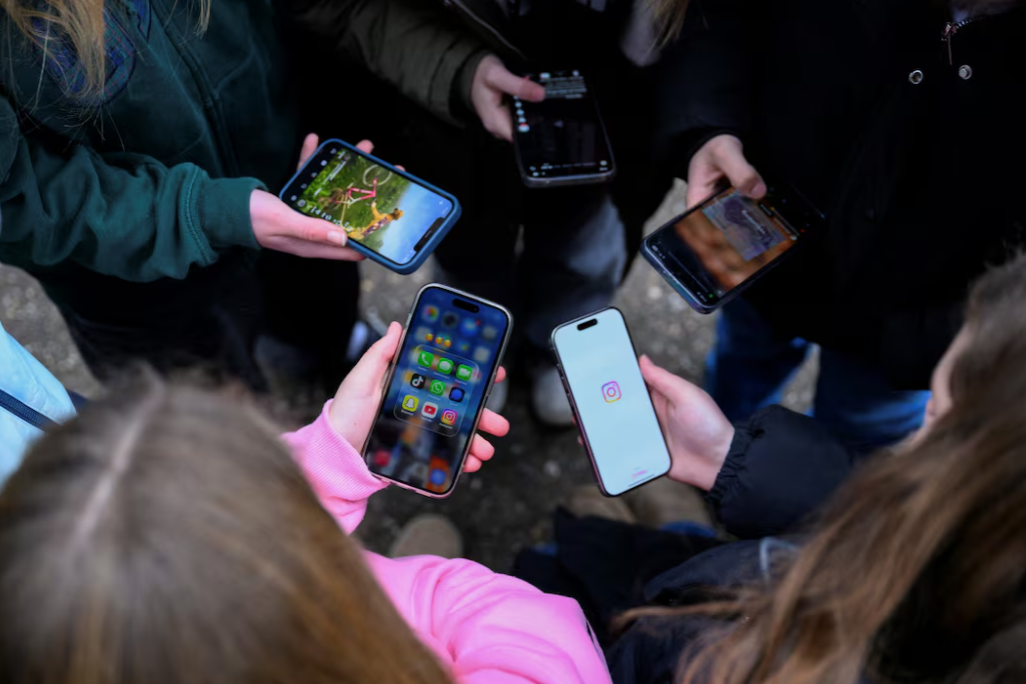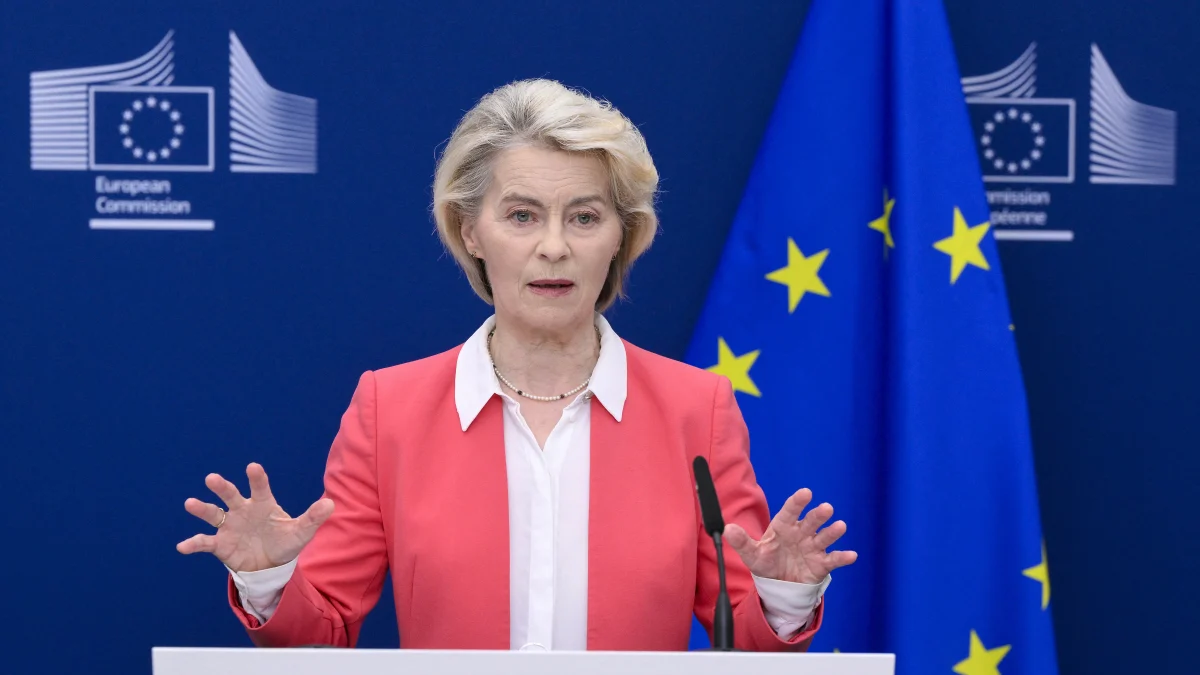
A blanket ban on children under 16 using social media remains the Government’s favoured approach, Tánaiste Simon Harris has said, despite the European Commission pushing for a staged approach with a ban only for under-13s. Harris said on Monday he still wanted children 16 to be prohibited from using social media, but did say he is open to discussing the matter at a wider European level.European Commission president Ursula von der Leyen published a report by an expert group on Monday which recommended a total ban for children under-13 and staged restrictions for those up to the age of 16. She said she found the group’s argument “convincing” and said that legislation on age restrictions would be published in the autumn. Harris said he had not seen the proposals but welcomed them. Ireland has made social media age restrictions a central part of its communications policy platform during its presidency of the EU Council. “My view is very clear in relation to this,” said Harris. “It’s also the view of my party within the Coalition that children below a certain age should not be on social media.”Referring to the proposal, he said the threshold should be linked to Ireland’s digital age of consent, which is 16.“I think ‘ban’ sounds nearly like a negative form. But the idea that children below a certain age should not be on social media is a view widely shared by parents right across this country,” he said.[ Most Irish adults favour social media ban for under-16s, poll saysOpens in new window ]A common European approach would be preferable, both for child protection and for technology companies, he said.“It would be really useful and most impactful if the European Union could move together on this and if you could have some form of uniformity across the European Union,” said Harris. “I think that would be helpful from a child protection and wellbeing point of view. It would also be helpful from an industry point of view to have one set of rules.”At the same time, he indicated Ireland was not ruling out acting alone if necessary.“Ireland, as a member state, has every right to act legislatively if we wish to. I just think it is always better to move together, but we reserve that right,” he said. Harris was highly critical of social media companies, arguing they already have the technological capability to prevent younger children from accessing their platforms.“These technology companies themselves have the ability to do it tomorrow, if they want to. They’ve just chosen not to. That’s the most frustrating thing,” he said.His concerns were driven by the impact of social media on children’s mental health and wellbeing, while acknowledging the benefits of technology more broadly, he said.Asked why he continued to favour 16 as the appropriate age threshold, Harris said it was based on Ireland’s existing digital age of consent rather than an arbitrary figure.“That’s not a number that fell from the sky. It’s linked to the age before which you can’t digitally consent. That’s the rationale,” he said.While emphasising his openness to discussions about how any restrictions should work in practice, Harris said social media companies did not need to wait for legislation to improve online protections.“They don’t need any European Commission report or any law to protect our children online today, and they’re not doing enough,” he said. As many as 10 EU member states are considering introducing bans, including France, Spain and Greece.Estonia is the only country which says it opposes a ban, saying the focus should instead rest with the EU regulating social media companies. Harris was speaking at the announcement of a €5 billion investment in semiconductor technology at the Intel campus in Co Kildare.
Government favours blanket ban on social media for under-16s despite EU proposals
European Commission report calls for staged approach with total ban only affecting young people under 13 years of age
618 words~3 min read