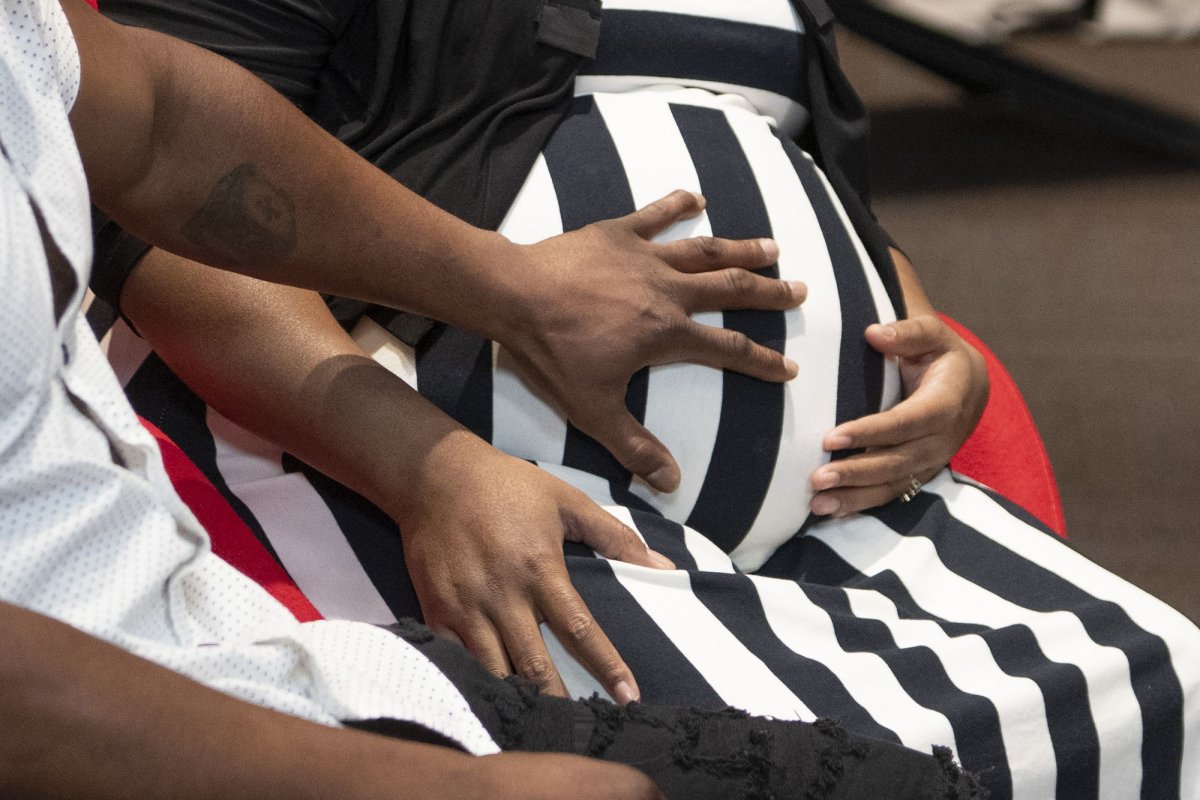
In November 2020, Lupe was in the final weeks of her pregnancy when dark spots began distorting her vision. Lupe, a participant in a study on emotional distress and maternal health in El Paso, Texas, recounted her birth experience in a postpartum interview. (All participant names, Lupe's included, are pseudonyms used to protect privacy.)
Feeling like something was not quite right, Lupe decided to go to the emergency room. Her blood pressure registered 167 over 98, a sharp contrast to her ideal reading of 115 over 70 documented in her medical chart at her first prenatal visit. Lupe was quickly diagnosed with preeclampsia, a serious pregnancy complication that can cause high blood pressure and organ damage.
Timely medical support prevented Lupe's symptoms from worsening. In the absence of timely intervention, preeclampsia symptoms can rapidly escalate, with brain hemorrhages, cardiac events, organ damage and seizures. Preeclampsia is a leading cause of maternal death worldwide.
We are a medical anthropologist and a human biologist based in El Paso, where we study the social factors that contribute to preeclampsia.
During the first two years of the COVID-19 pandemic, we documented a nearly 25% prevalence rate of preeclampsia among a sample of 176 Latinas who used publicly funded prenatal care in El Paso. For comparison, the national prevalence rate was around 8% in 2021.