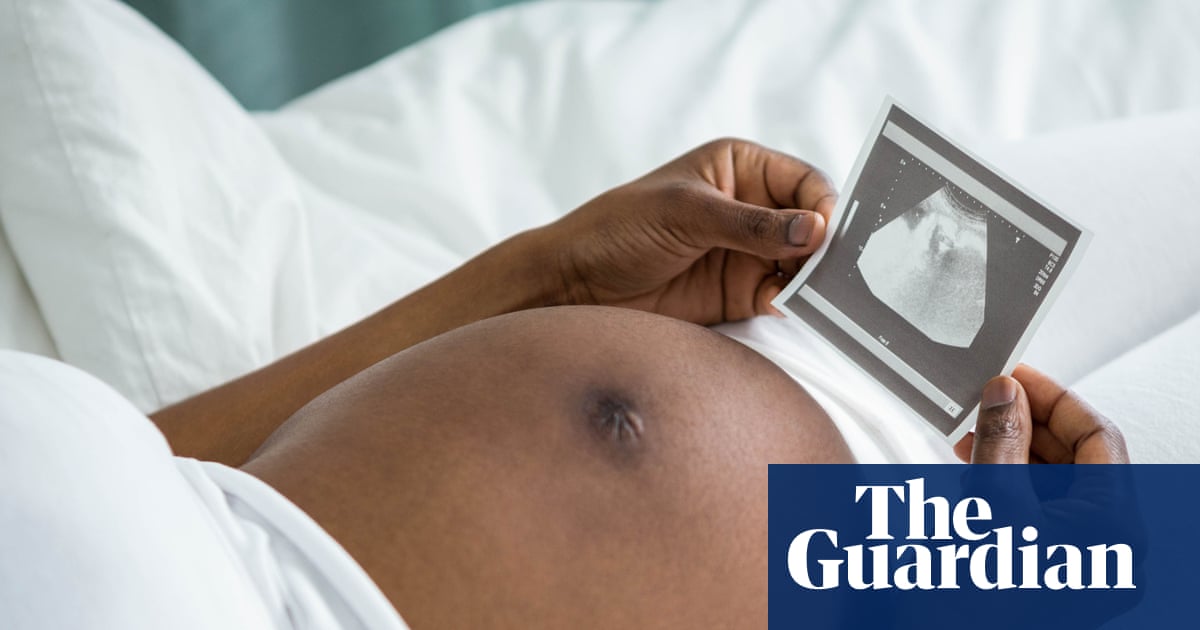
A University of Cambridge study has found that stresses such as systemic racism and socioeconomic disadvantage may sensitise key processes in the body during pregnancy, helping to explain why black women and their babies face significantly higher rates of complication than white women.
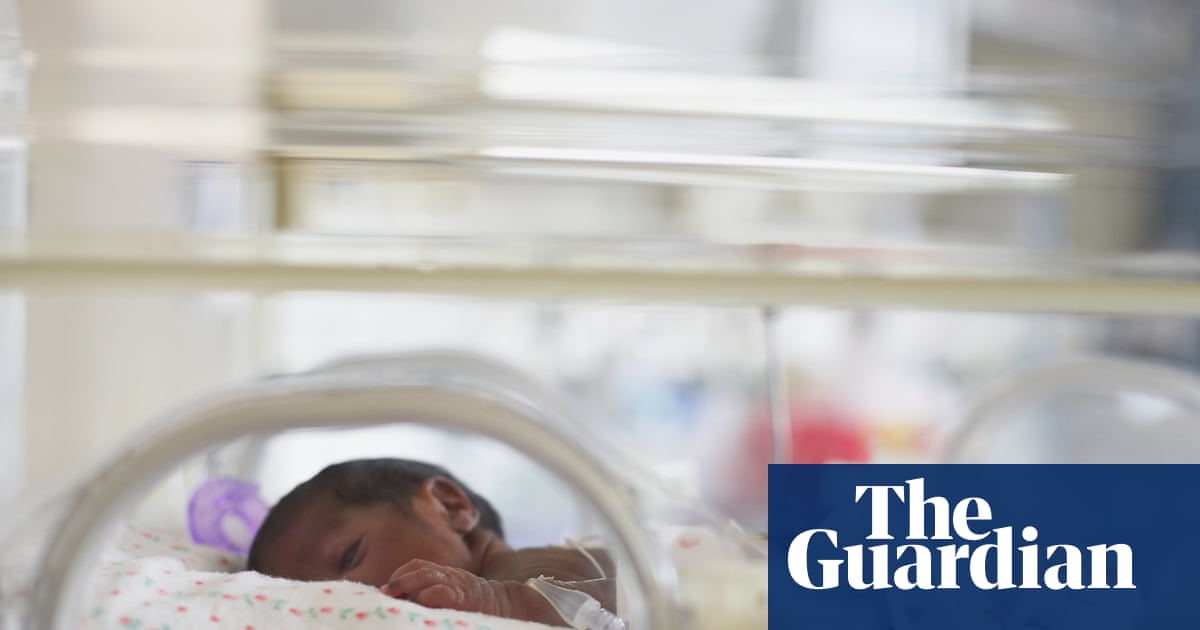
These altered physiological processes may lead to higher rates of preeclampsia in black women, and higher rates of preterm birth and fetal growth restriction in black babies, compared to white women and their babies.
In a major review of published studies, the researchers looked at a range of processes that are vital in the body during pregnancy - including the control of inflammation, and blood flow to the developing fetus. They found these processes are often altered in ways linked to poorer pregnancy outcomes in black women, compared to white women.
These are not the result of genetic differences between black and white women. Instead, the results suggest that persistent socio-environmental stressors - known to have a measurable biological effect - may influence the body’s ability to function healthily during pregnancy.
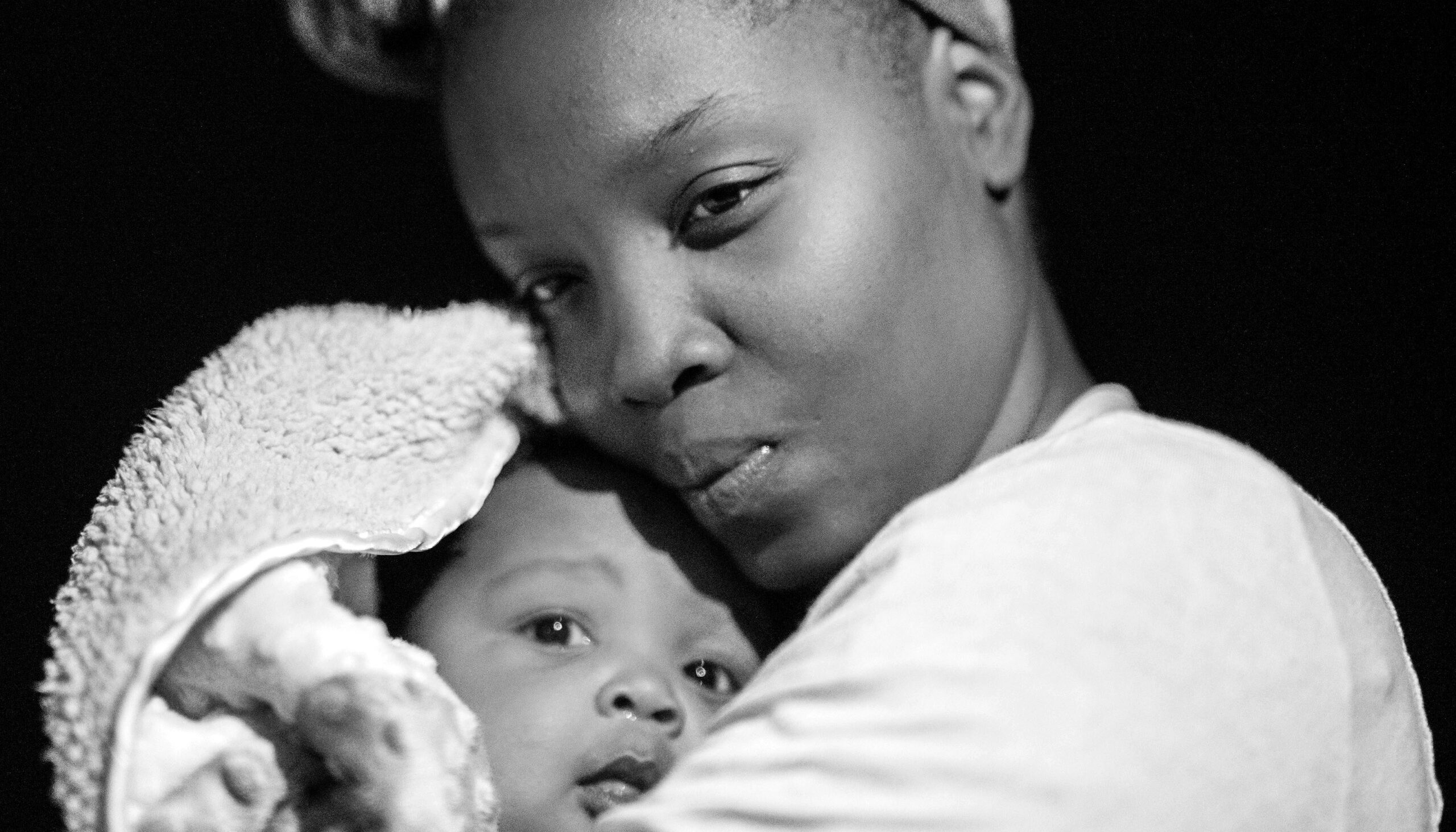
Black women and their babies face significantly higher health risks during pregnancy and childbirth than white women. Black women in the UK are 2.7 times more likely to die during pregnancy compared with white women, and black babies are more than twice as likely to die before their first birthday as white babies.