At first glance, the announcement from Vattenfall reads like a minor provocation: an energy company builds charging infrastructure and, in the same breath, announces that any Passat TDI can park where EV is supposed to recharge its battery. No fines, no guilty conscience. In everyday terms, this might seem like a step backwards. But it may not be: according to Vattenfall, it could be a bureaucratic workaround.
Charging station approvals in the Netherlands: a protracted process
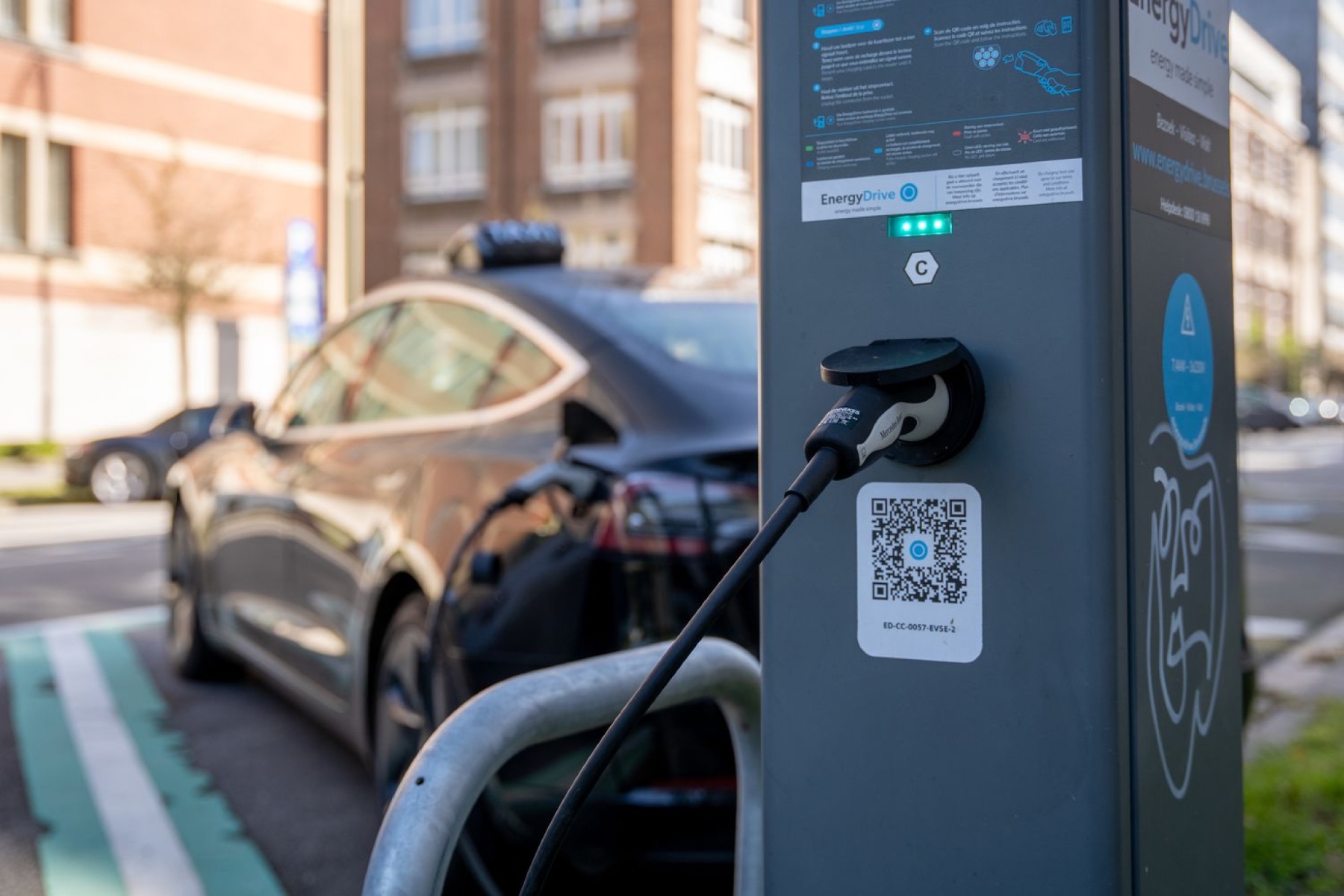
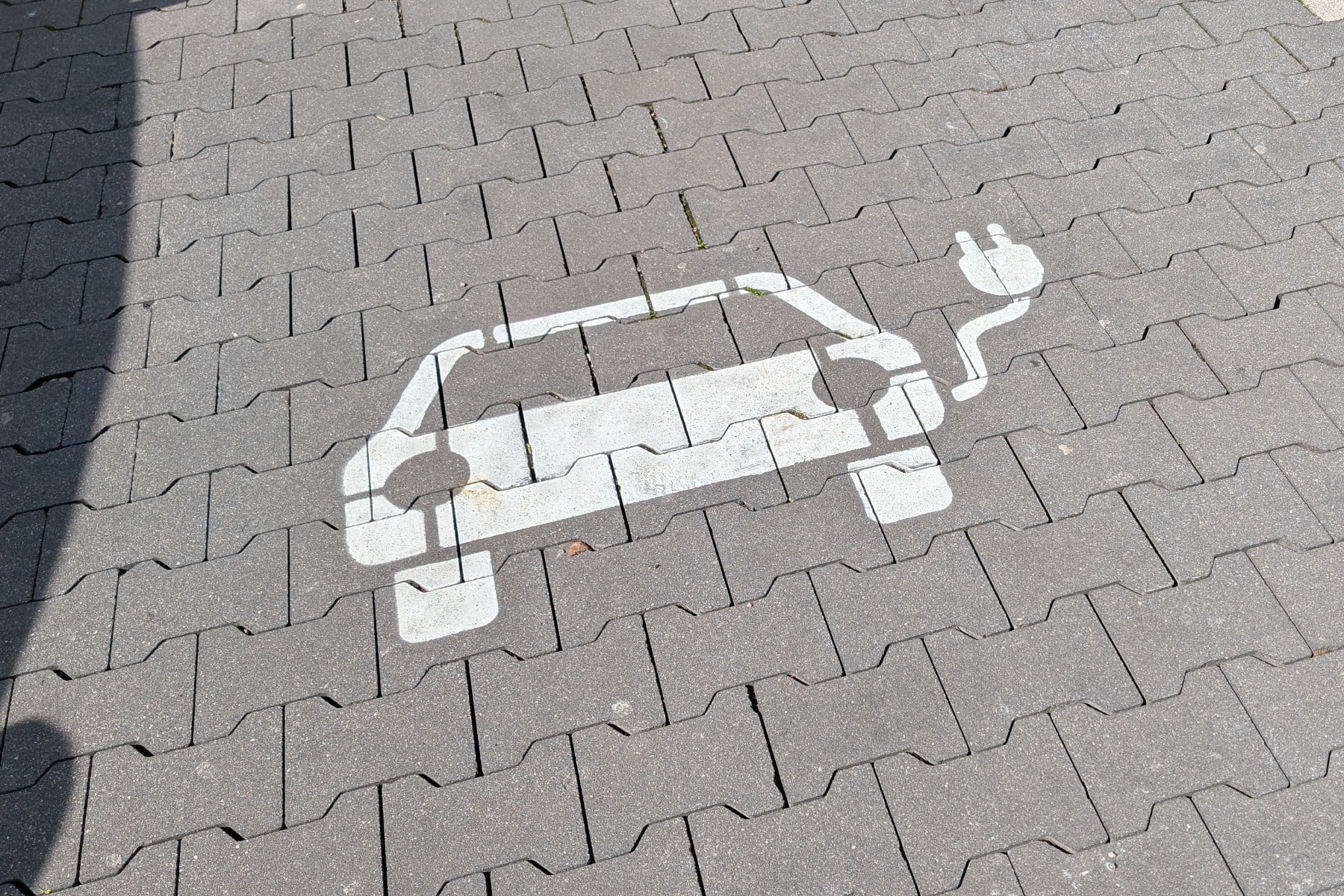
To understand why, it is important to know what happens in the Netherlands before a charging station is permitted to supply power. A public parking space is initially available to everyone. If it is to be reserved exclusively for EVs, the municipality requires a formal traffic ruling, known as a ‘verkeersbesluit‘. Its initial publication is followed by an objection period during which residents can file appeals – and in some cases, the matter may even end up in court. For instance, a neighbour defending their regular parking spot in front of their home can delay the installation of a charging station by months. The charging point itself is never the issue – the technology can be installed within hours. The bottleneck is the sign above the charging station that prohibits internal combustion vehicles from parking there.