File names like final_final_v7.png, USE_THIS_ONE.mov or new_character_export.psd are oddly universal. They appear in game studios, post-production houses, animation pipelines, and design agencies working across every kind of project. The specific conventions vary, but the underlying situation does not: creative work accumulates faster than anyone can organise it, and finding something you made six months ago is often harder than making it again from scratch.
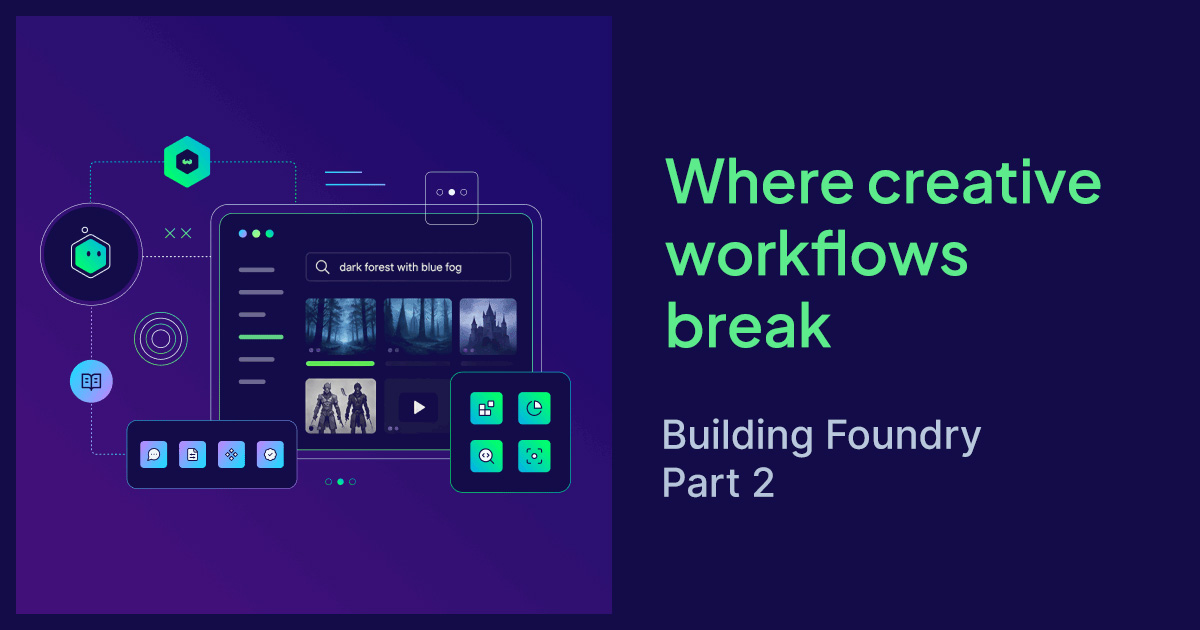
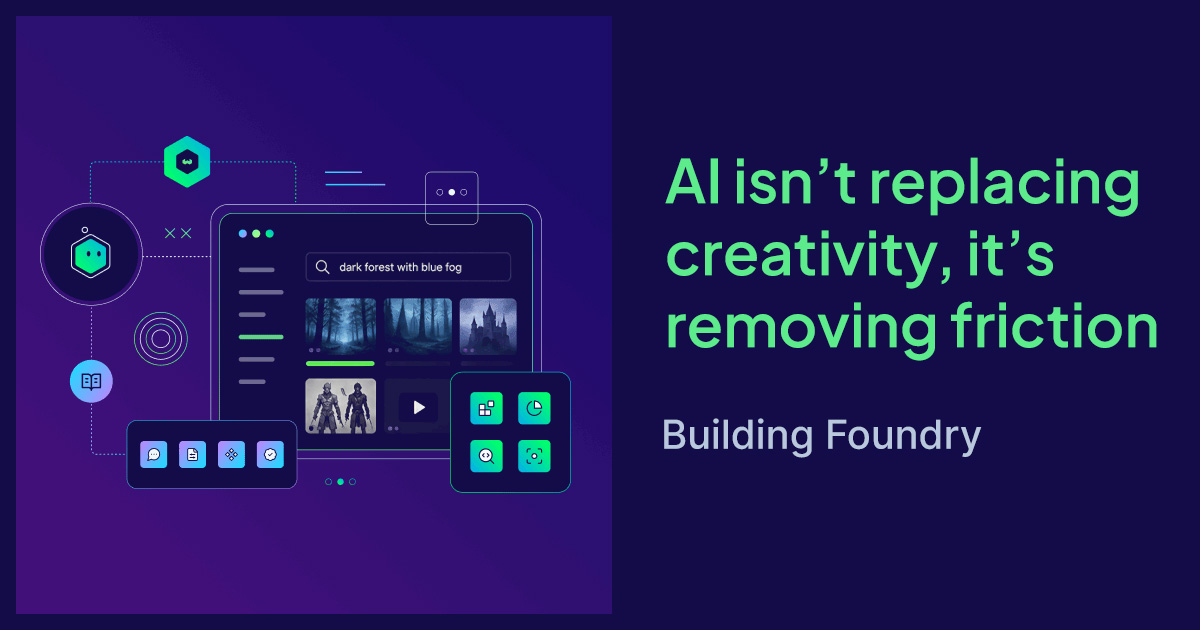
You don’t need better naming conventions or a different design tool to solve this. It’s a retrieval problem, and it’s one that most creative tools have never been designed to solve.
The problem isn’t creativity
The persistent question in conversations about AI and creative work is whether AI can generate something: a painting, a screenplay, or a piece of music. But the more immediate and practical story is far less dramatic.
Consider how a game production pipeline actually works. A concept artist produces dozens of character sketches before one direction gets approved. The rejected explorations go into a folder named something like “alt_directions_v2”, and within three months nobody can reliably locate the version that sparked the final design. Then, on a sequel or expansion, someone needs that exact colour palette and aesthetic direction. Because searching for “dark armour character concepts 2023” turns up nothing useful, they start from scratch rather than building on what already exists.