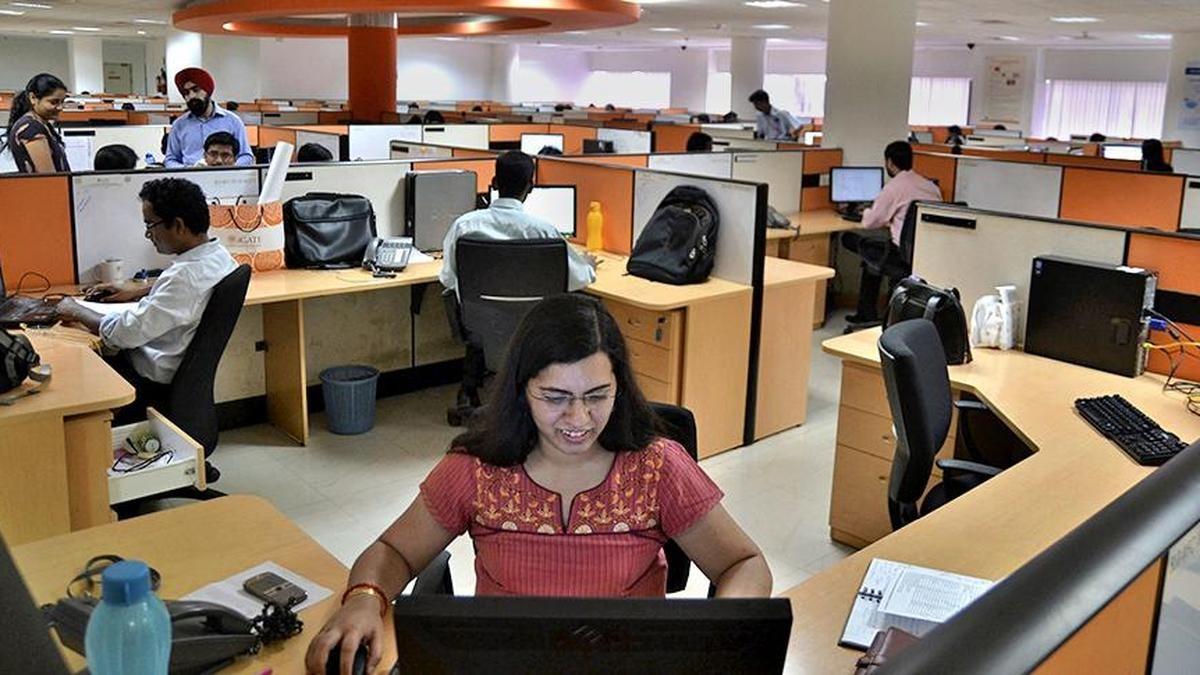
With this, the sector’s active talent demand outlook for August is set to match the levels of April 2026.
India’s IT tech sector talent demand shows signs of near-term stabilisation with the August outlook sustaining a recovery curve recorded in July 2026, as per Xpheno hiring solutions platform.The platform estimates around 109,000 job openings in the coming month sustaining June’s recovery trend after a worrying June that offered 93,000 job openings in India’s tech sector“Overall active tech talent demand, that hit a record 28-month low in June 2026, has recovered by over 17 per cent since the dip,” said the company in its outlook report shared with businessline.With this, the sector’s active talent demand outlook for August is set to match the levels of April 2026. Further, August’s demand outlook rising by 3 per cent compared to previous month indicates a typical shallow slow-paced recovery. The annual increase in demand of 6 per cent is also significant compared to levels seen earlier during the last quarter.“The sector is in no rush to pump jobs into the market again with no solid signals yet on the global uncertainties and changes in key client markets.hiring stabilisationEarlier, businessline has flagged how India’s IT services industry showed early signs of hiring stabilisation in a macro-economically challenged Q1, after a year-long churn in total headcount. Overall headcount for IT firms rose by around 5,000 employees, roughly 0.5 per cent largely led by Tata Consultancy Services (TCS).Experts warned that if discretionary spending stays weak, captives will absorb more strategic work and intensify productivity targets leading to slower onboarding. This means that total headcount will stay flat even as revenue grows. Entry-level generalists, manual testers and routine support roles carry the greatest exposure.Unfortunately, this means the job market remains under pressure for fresher. Another recruitment solutions platform HirePro pointed out how there is a striking gap between the confidence levels of students and corporates. While 68 per cent of students said they are ready for the corporate world from the get-go, only 9 per cent of corporates agree that fresh hires are ready to contribute immediately upon onboarding. 51 per cent of corporates say new graduates need at least a month or more of structured training before they can add meaningful value.The bias may also come from the hands-on gap in current curriculum as 42 per cent of corporates say fresh hires lack applied technical skills, such as coding and engineering domain tools, even when they understand the underlying concepts. Another 37 per cent cite a shortfall in ownership mindset and proactiveness, and 37 per cent flag concerns on structured problem-solving and critical thinking.Published on July 30, 2026