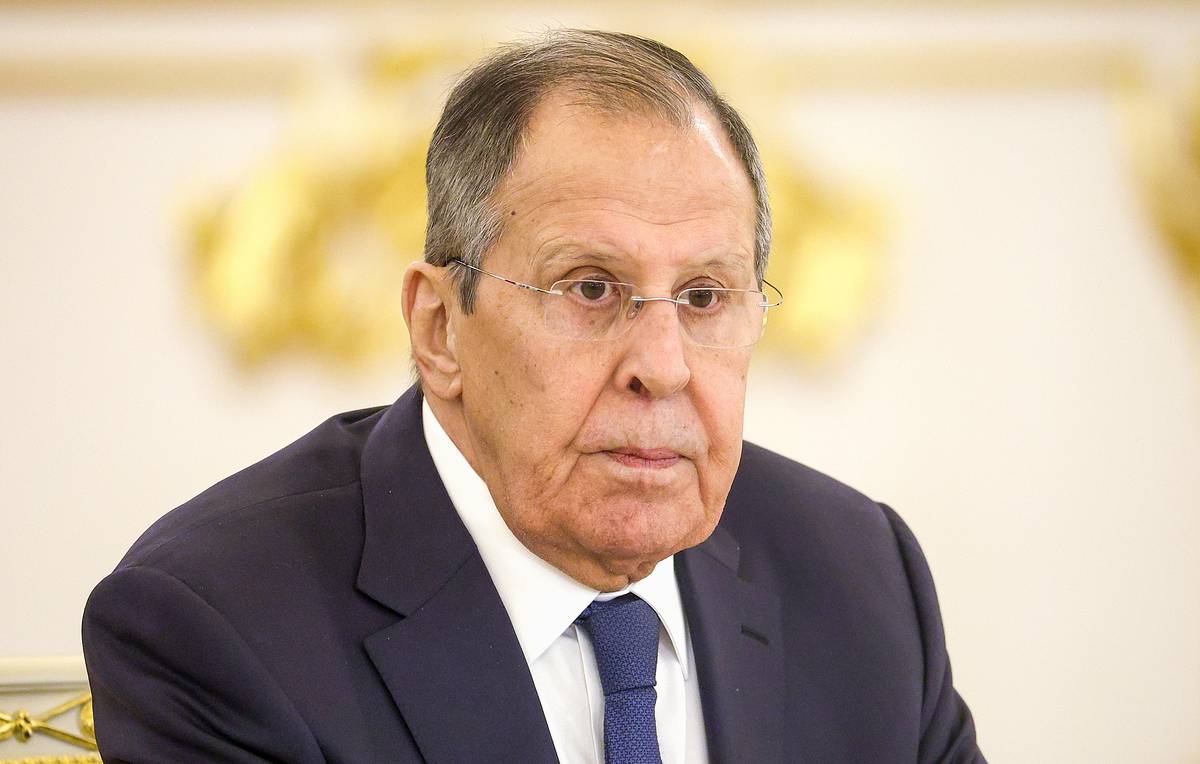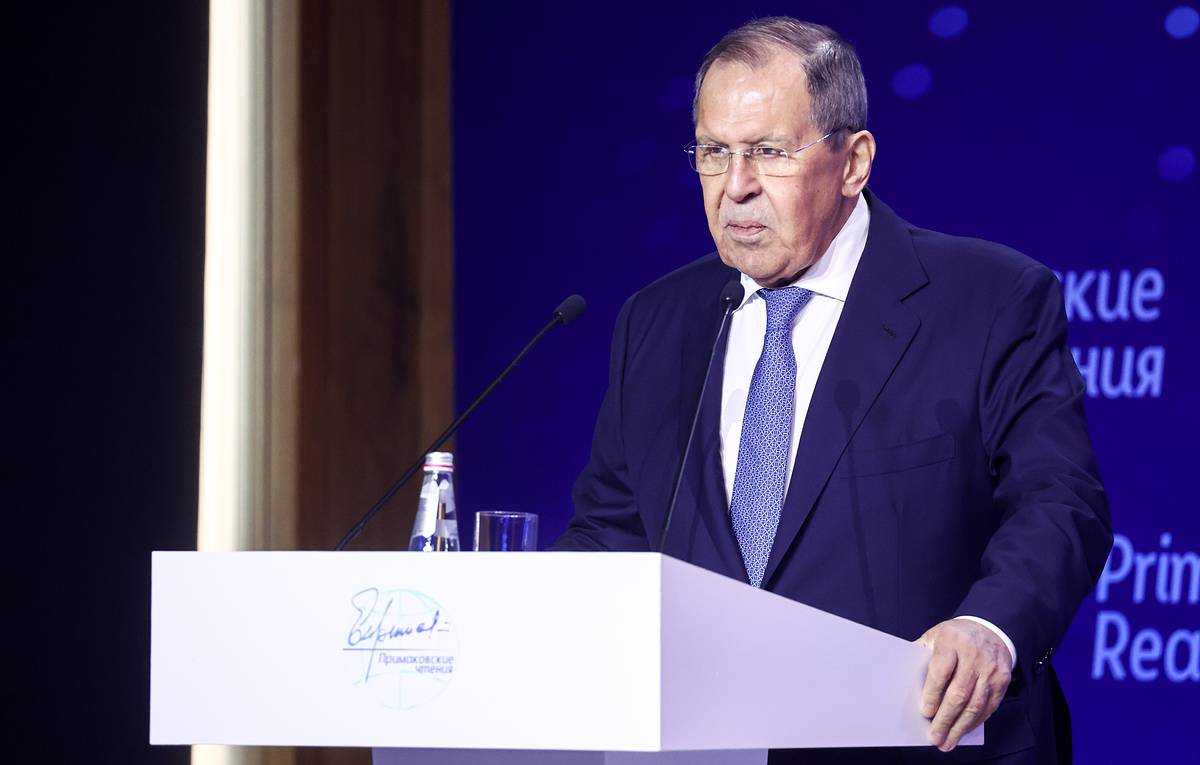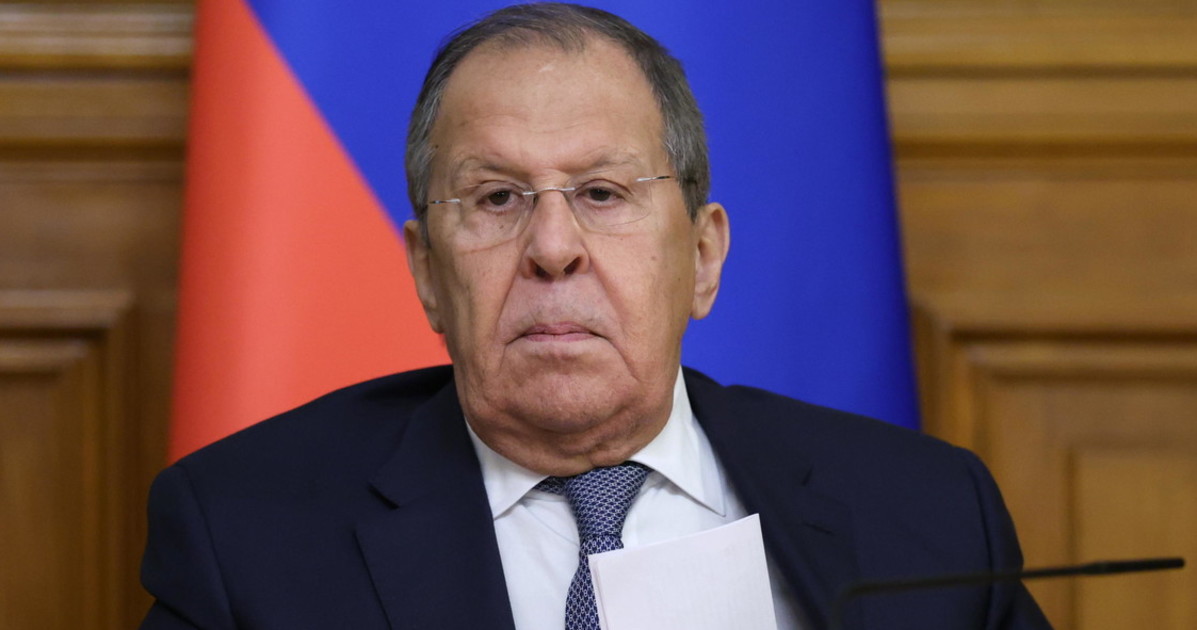
Russian Foreign Minister Sergey Lavrov’s July 29, 2026, interview with TASS was designed to project steadiness, purpose, and ideological confidence. Instead, it exposed something closer to unease, if not a sense of gloom. Behind the familiar accusations, selective history, and mystical flourishes was the portrait of an authoritarian, rapacious state that knows it is losing ground – not only on the battlefield, but morally, economically, and historically on the global scene.JOIN US ON TELEGRAMFollow our coverage of the war on the @Kyivpost_official. Lavrov set out to explain Russia to the world. What came through was the Kremlin’s anxiety: fear of internal fracture, reluctance to acknowledge military failure, dependence on Soviet nostalgia, and the need to cast Ukraine, the West, and even modern Germany as heirs to Nazism. Confident powers do not speak this way. Belligerent empires aware of their decline have little option. One of the interview’s most revealing threads is Lavrov’s fixation on supposed Western schemes to “partition” or “decolonize” Russia. He warns of separatists, exile groups, and underground efforts to break up the Russian Federation. Yet a secure state would not devote so much diplomatic energy to hypothetical dismemberment. The insistence itself betrays the Kremlin’s awareness of Russia’s fragility: a vast imperial structure held together less by consent than by coercion, extraction, and fear.
Lavrov’s Latest Interview: A Masterclass in Russian Desperate Self-Deceit
When a foreign minister invokes divine intervention and distorts history to justify current policy, you are seeing a state that has run out of rational arguments and excuses.
1,553 words~7 min read