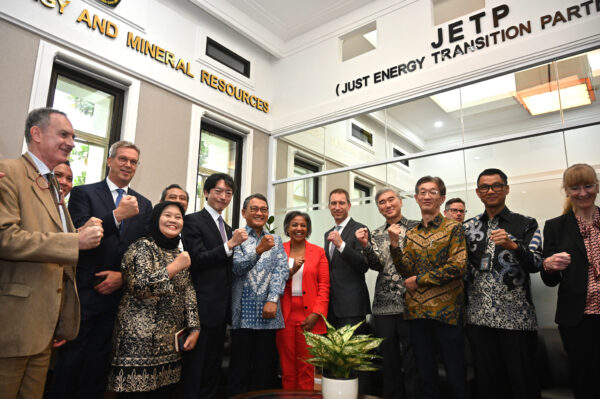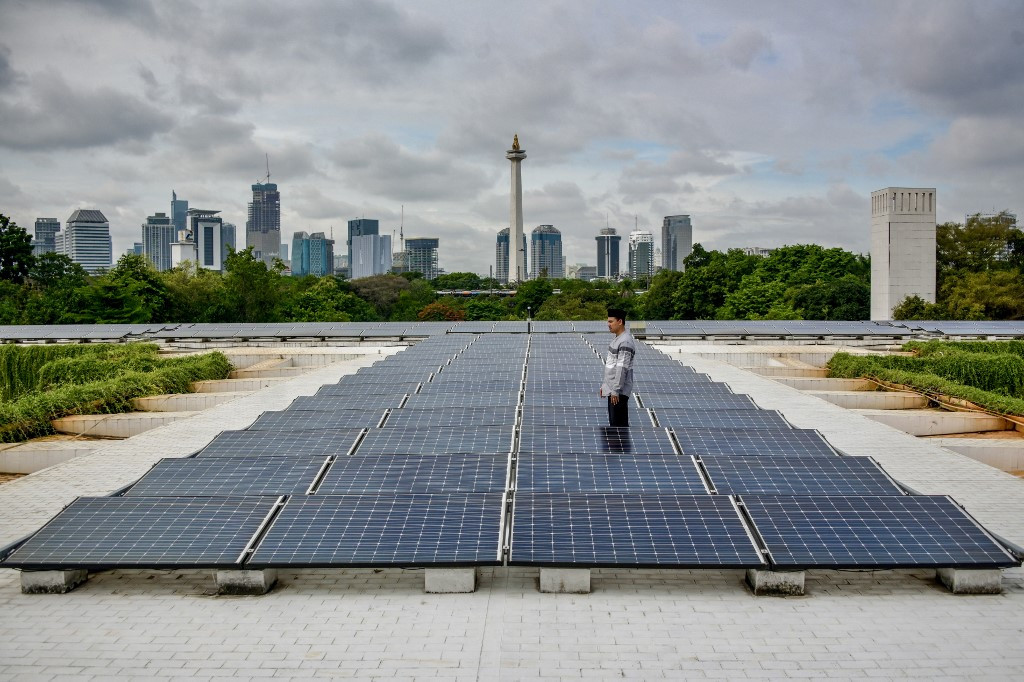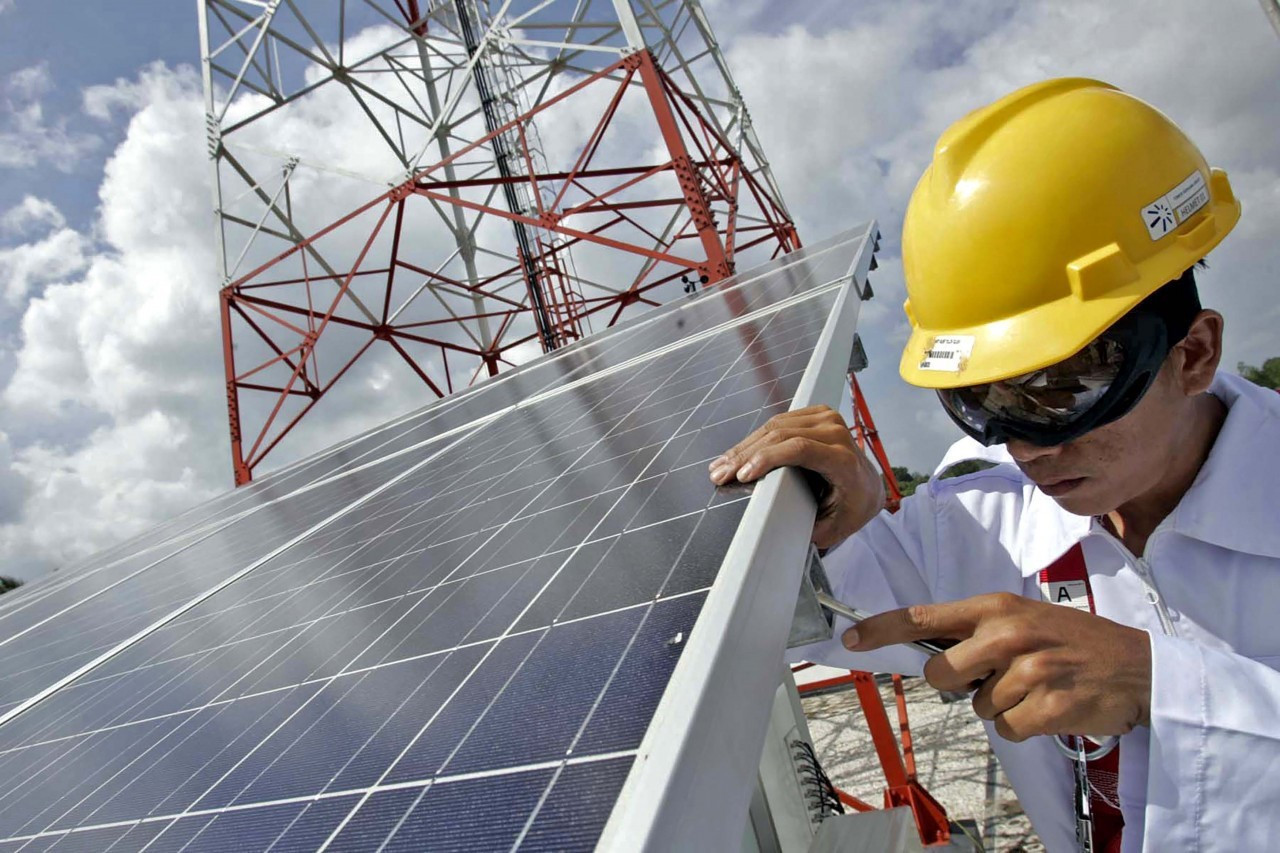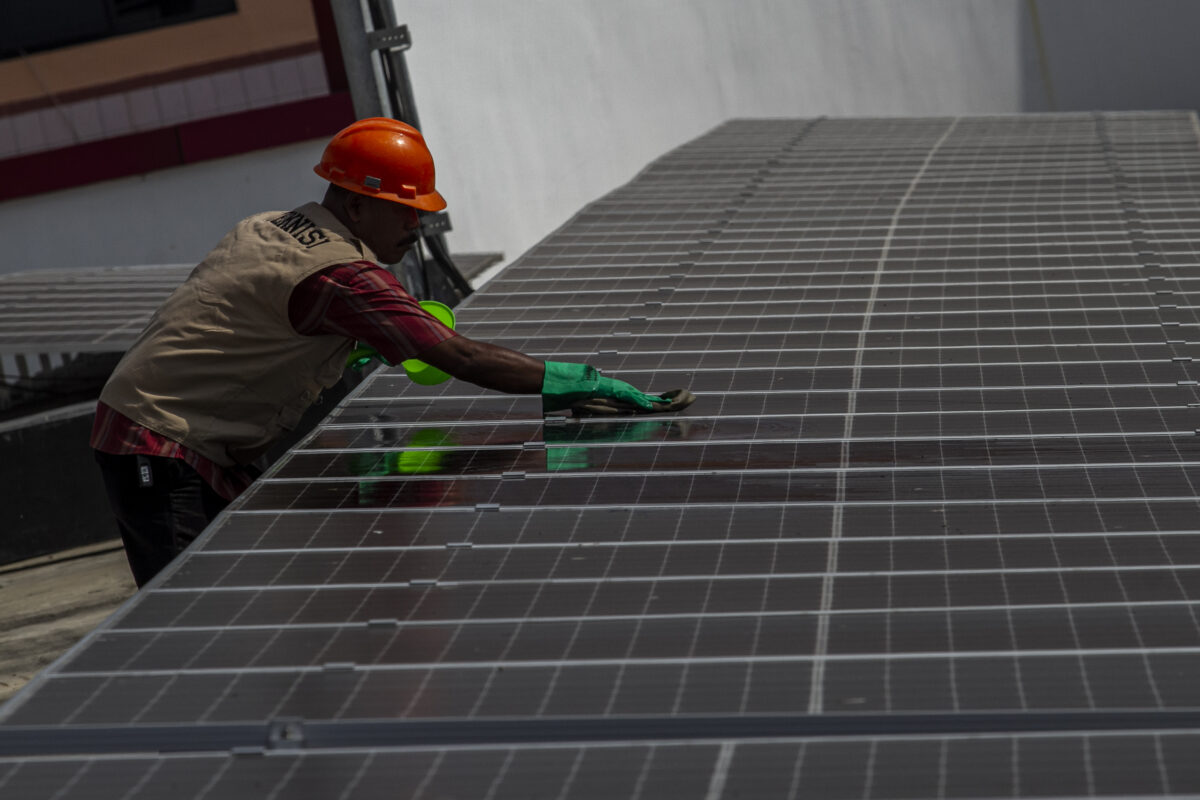
Indonesia’s ambition of attracting clean energy investment is stronger than ever. It has built a de-risking apparatus to attract private finance — developing a green taxonomy of sustainable investment options, green bonds, guarantee mechanisms and joint venture structures designed to satisfy institutional investors and entice foreign capital. The G7–backed Just Energy Transition Partnership (JETP) and other bilateral development programs have promoted these instruments as a precondition for financing the transition.
The objective of reducing inequality is written into these deals — but with a thin definition. The JETP — which underpins Indonesia’s coal phase-out — seeks to develop targeted policies to rectify existing injustices and promote an inclusive approach to decarbonisation through a series of toolkits and technical assistance programs. So does Australia’s KINETIK program — part of an AU$650 million (US$453 million) commitment through the Australia-Indonesia Climate and Sustainable Infrastructure Partnership and other investments to 2035.
But renewables financing does not automatically generate socio-economic benefits or enable a just and sustainable transition. De-risking imperatives have often been prioritised over the social and distributional dimensions of the energy transition.