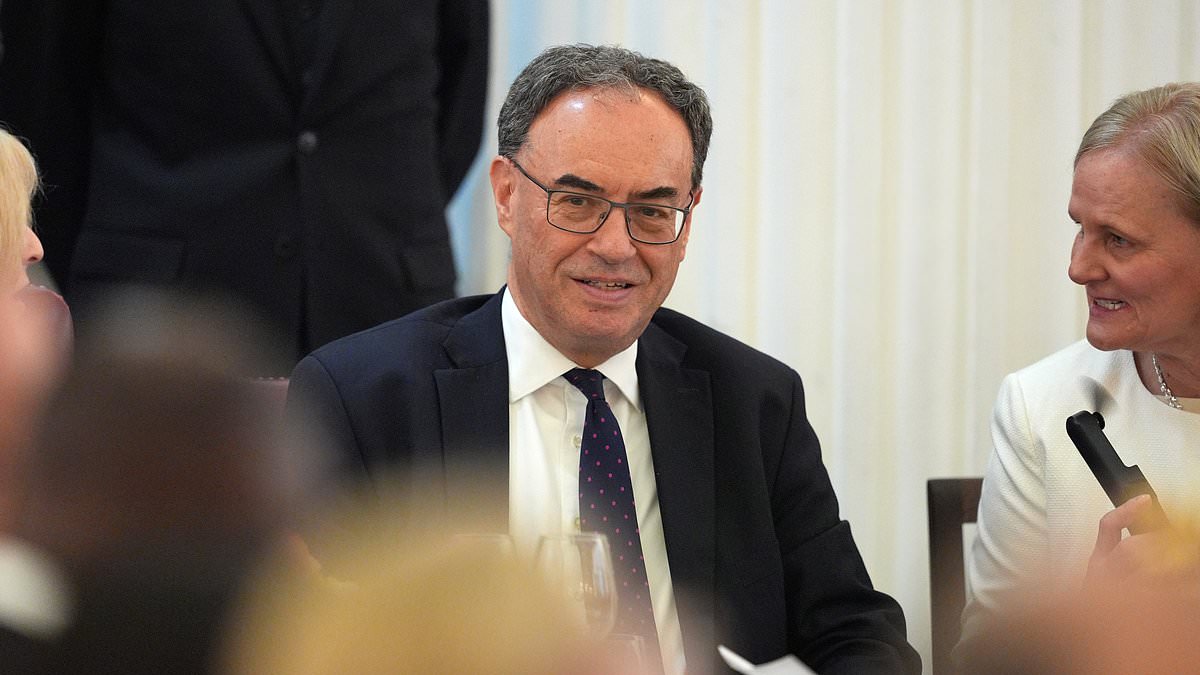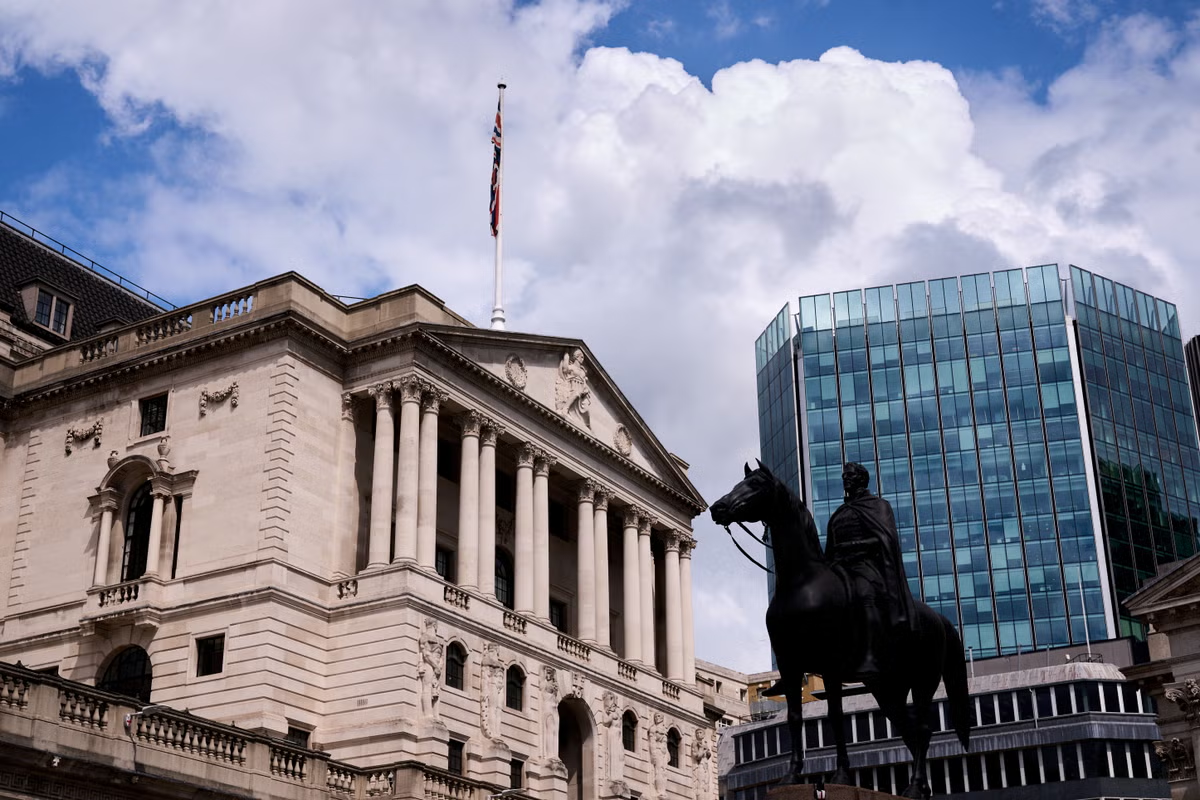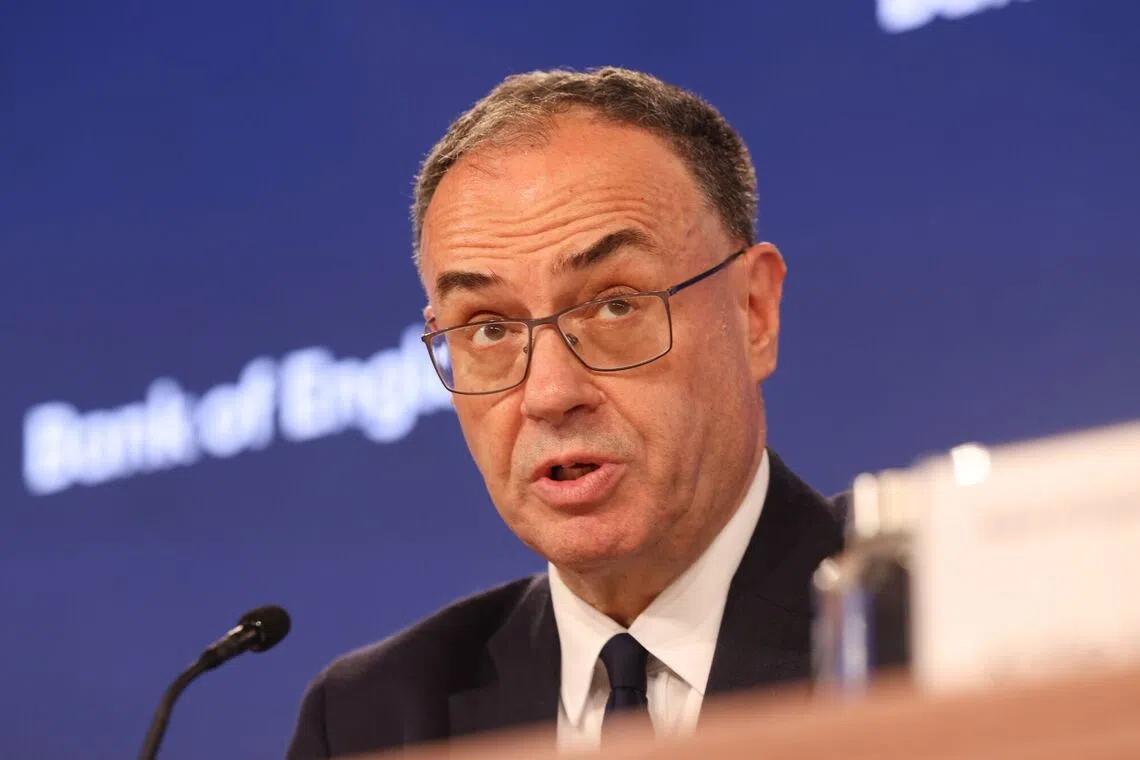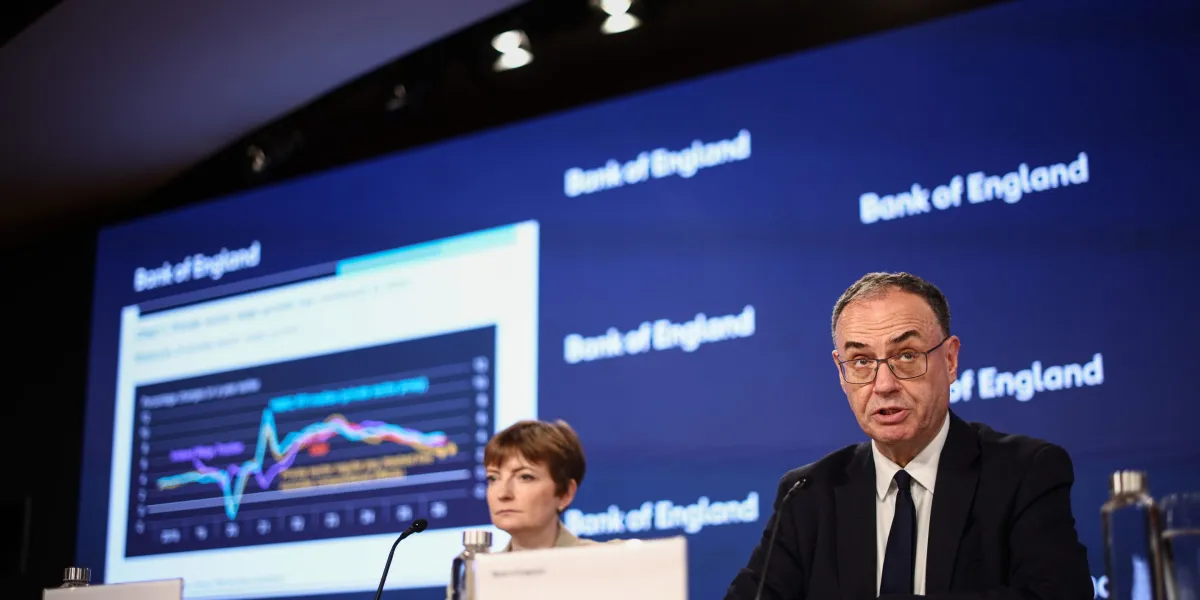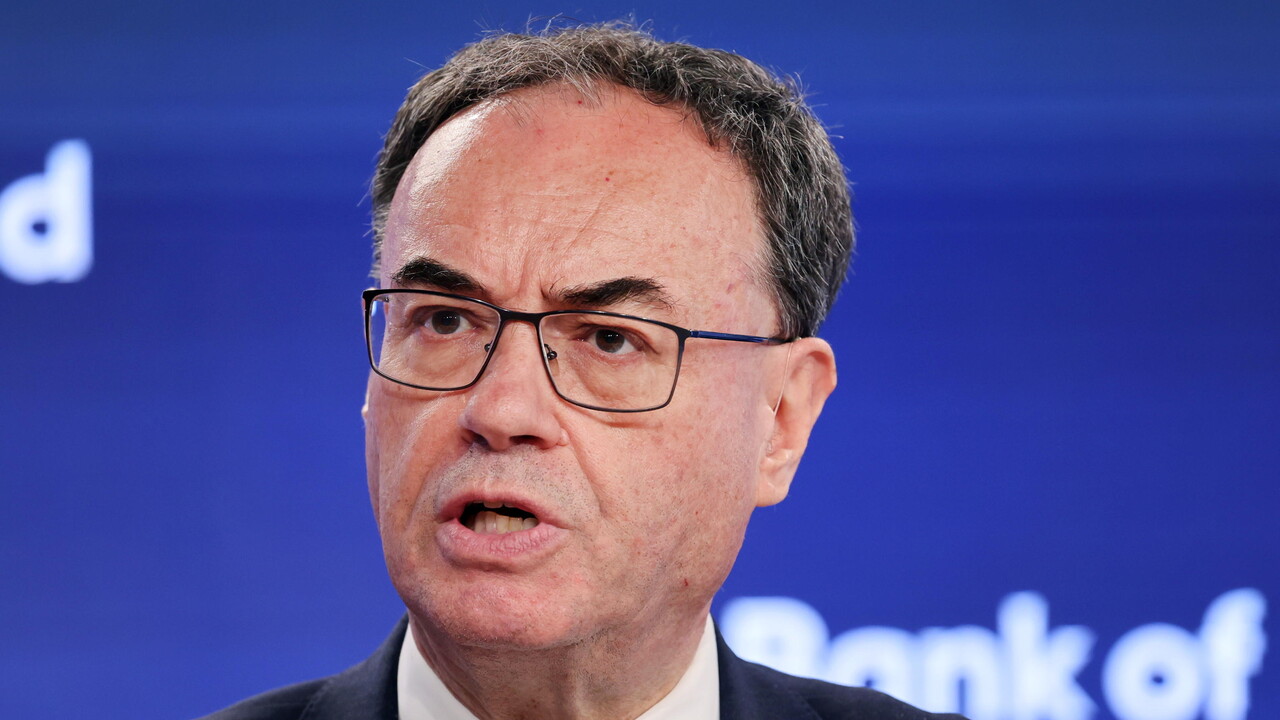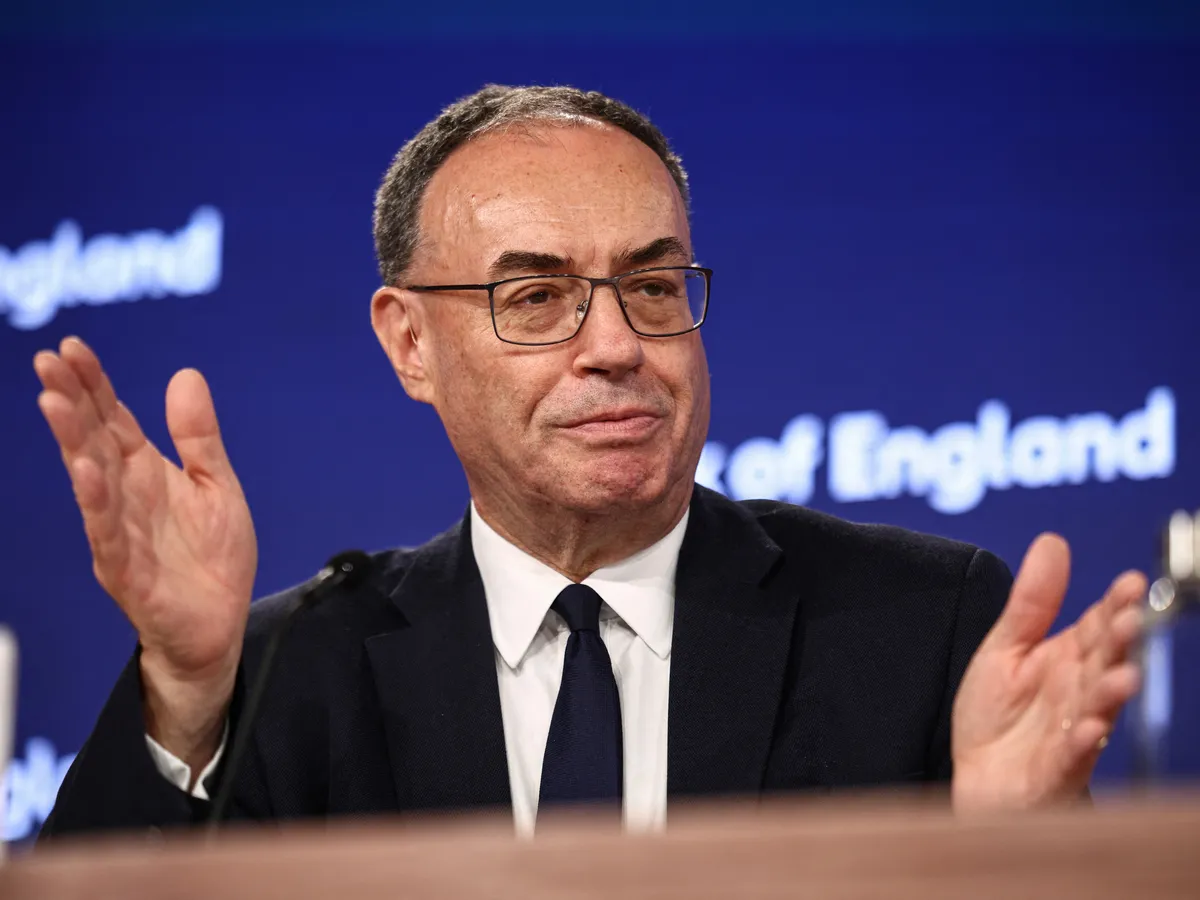
Skip to Content News Archives Economy Energy Oil & Gas Renewables Electric Vehicles Mining Commodities Agriculture Real Estate Mortgages Mortgage Rates Finance Banking Insurance Fintech Cryptocurrency Work Wealth Smart Money Wealth Management Investor Personal Finance Family Finance Retirement Taxes High Net Worth FP Comment Executive Women Puzzmo Newsletters Financial Times Business Essentials More Innovation Information Technology FP500 Podcasts Small Business Lives Told Tails Told Shopping Financial Post Store Obituaries Place a Notice Advertising Advertising With Us Advertising Solutions Postmedia Ad Manager Sponsorship Requests Classifieds Place a Classifieds ad Working Profile Settings My Subscriptions Saved Articles My Offers Newsletters Customer Service FAQ News Economy Energy Mining Real Estate Finance Work Wealth Investor FP Comment Executive Women Puzzmo Newsletters Financial Times Business Essentials HomeNewsEconomyBailey plays down rate hikes after Bank of England holds againThe Bank of England kept interest rates steady at 3.75% on Thursday, with Governor Andrew Bailey insisting his committee is not getting closer to a hike despite three members voting for tighter policy.Author of the article:Last updated 3 minutes ago You can save this article by registering for free here. Or sign-in if you have an account.Bank of England (BoE) Governor Andrew Bailey speaks during the Monetary Policy Report press conference in London on July 30, 2026. (Photo by Henry NICHOLLS / POOL / AFP via Getty Images) Photo by Henry NICHOLLS/POOL/AFP via Getty ImagesThe Bank of England kept interest rates steady at 3.75 per cent on Thursday, with Governor Andrew Bailey insisting his committee is not getting closer to a hike despite three members voting for tighter policy.Subscribe now to read the latest news in your city and across Canada.Exclusive articles from Barbara Shecter, Joe O'Connor, Gabriel Friedman, and others.Daily content from Financial Times, the world's leading global business publication.Unlimited online access to read articles from Financial Post, National Post and 15 news sites across Canada with one account.National Post ePaper, an electronic replica of the print edition to view on any device, share and comment on.Daily puzzles, including the New York Times Crossword.Subscribe now to read the latest news in your city and across Canada.Exclusive articles from Barbara Shecter, Joe O'Connor, Gabriel Friedman and others.Daily content from Financial Times, the world's leading global business publication.Unlimited online access to read articles from Financial Post, National Post and 15 news sites across Canada with one account.National Post ePaper, an electronic replica of the print edition to view on any device, share and comment on.Daily puzzles, including the New York Times Crossword.Create an account or sign in to continue with your reading experience.Access articles from across Canada with one account.Share your thoughts and join the conversation in the comments.Enjoy additional articles per month.Get email updates from your favourite authors.Create an account or sign in to continue with your reading experience.Access articles from across Canada with one accountShare your thoughts and join the conversation in the commentsEnjoy additional articles per monthGet email updates from your favourite authorsSign In or Create an AccountorCatherine Mann joined Megan Greene and Chief Economist Huw Pill in voting for a quarter-point increase in bank rate, yet the six other members — including Bailey — pointed to softer price pressures than had been expected.The Monetary Policy Committee said it remained alert to the inflationary impact of the United States-Iran war and the threat of the conflict dragging on. Still, in a press conference following the decision, Bailey said “please do not leave this room thinking the Bank of England is edging towards a hike, because frankly, there’s nothing in what I said, and I think any of us have said along those lines.”SUBSCRIBER EXCLUSIVE: FP West: Energy Insider brings you behind the oilpatch’s closed doors with exclusive insights from insiders every Wednesday morning.By signing up you consent to receive the above newsletter from Postmedia Network Inc.A welcome email is on its way. If you don't see it, please check your junk folder.The next issue of FP West: Energy Insider will soon be in your inbox.We encountered an issue signing you up. Please try againTraders lowered bets of rate hikes following the comment, expecting below 32 basis points of tightening by December — down from 42 points on Wednesday. Bets on a September hike also fell sharply.In response to another media question, Bailey added: “If you come out of this session thinking that we’ve talked about an insurance hike, you obviously I’m afraid not understood what we’ve said.” Deputy governor Clare Lombardelli, seen as one of the more hawkish officials, also played down the risks to inflation, saying her vote “wasn’t a close judgment.”Officials kept their options open, however, by maintaining guidance stating that the panel “stands ready to act” to stop high inflation lingering, as it tries to navigate the wild energy-price swings of recent weeks. The unpredictable environment meant that, in the days immediately preceding the committee’s announcement, oil and gas prices were already running substantially higher than the average the bank had assumed in its central forecast just ten days before.The committee said there were “clear signs” that domestic inflationary pressures are easing and “little evidence” so far that the energy shock has stoked wage demands and higher prices elsewhere. The majority of policymakers who backed no change in rates also said their strategy could change were the war to end soon, with two members saying they’d consider a cut in that event including deputy governor Dave Ramsden.“There is little evidence yet of second-round effects, although it is too early to take much comfort from that,” Bailey said in a written statement accompanying the decision. “Holding bank rate is appropriate as global conditions look to be more uncertain and inflationary, while domestic conditions are on balance more benign as regards the prospects for inflation.”“The takeaway from the communications is that the core of the committee still seems some way off of voting for a hike. Potential triggers that could change their thinking remain the path of the conflict, and of energy prices, and evidence that second round effects are crystallizing.”—Dan Hanson, Ana Andrade and Matt Bunny. Click to read the REACT on the Bloomberg TerminalThe conflict is entering its sixth month, with little sign that intermittent negotiations will yield a lasting peace. While inflation is running below levels the BOE had expected in the spring, price growth is expected to accelerate in the coming months, reflecting a July increase in household energy bills alongside a fresh rise in motor-fuel costs.“For now, the Bank is not seeing enough to abandon its wait-and-see approach,” said George Brown, senior economist at Schroders. “Despite the sharp rise in energy prices, the majority appear unconvinced this will translate into more persistent domestic inflation.”Paul Dales of Capital Economics said the BOE’s “hawkish bias hasn’t strengthened much, if at all.” He added that “Bailey, Breeden and perhaps Ramsden appeared less worried by the outlook for inflation” than previously.The United Kingdom central bank restored the central inflation forecast it had ditched in April and also published a “mild” and “adverse” scenario showing the different paths for oil and gas costs.Thursday’s central projection — which was based on a 15-day snapshot of energy prices through July 20 — pointed to U.K. inflation peaking at 3.2 per cent at the end of this year, up from 2.6 per cent currently, before returning to around the BOE’s two per cent target next year.In a more pessimistic scenario, which included crude prices over US$100 a barrel and remaining elevated, with gas 60 per cent higher, the bank predicted inflation could jump to a high of 4.5 per cent in the second quarter of 2027. In the event of a quicker resolution to the conflict in the Middle East, the more optimistic projection showed price growth peaking at three per cent, with fewer second-round effects.In all three scenarios, GDP growth hovers around one per cent in 2026 and 2027, before picking up in 2028.A sluggish economy, easing domestic price pressures and tightening financial conditions have bought the committee some time in assessing the effects of the war on the U.K. economy. With vacancies and private-sector wage growth at their lowest since the pandemic, job-market conditions could help contain the possibility that the energy shock triggers second-round effects that exacerbate inflation.Amid easing domestic pressures, Ramsden and external member Alan Taylor suggested they could consider cuts should the war wrap up quickly.“If the risks were to subside and the underlying disinflation process continued, I would consider resuming the cutting cycle,” Ramsden said.Others who backed a hold looked closer to hiking rates. Deputy Governor Clare Lombardelli said that “policy would need to be adjusted were there to be evidence of risks of significant second-round effects.”The BOE’s outlook has been clouded by a turbulent month for oil and gas prices that are critical to the U.K.’s inflation outlook. Brent crude has swung from a low of just above US$70 a barrel at the start of July to over US$100 last week before cooling to around US$90 on Wednesday.The Federal Reserve also opted to leave rates unchanged at 3.5 per cent to 3.75 per cent on Wednesday, although three policymakers dissented in favour of a hike, and Chair Kevin Warsh insisted the central bank would take action if there were signs of inflation remaining higher for longer. Long-dated Treasury bonds nonetheless plunged amid concerns the Fed is acting too slowly to rein in inflation that has run above its target for five years.The BOE also provided the first hints on the future of quantitative tightening ahead of a decision in September on the next year of the program. It said the impact of the balance run-off had been modest, though five basis points higher than it estimated last year at 20 to 30 basis points on 10-year gilt yields.—With assistance from Georgia Hall and Irina Anghel. Join the Conversation This website uses cookies to personalize your content (including ads), and allows us to analyze our traffic. Read more about cookies here. By continuing to use our site, you agree to our Terms of Use and Privacy Policy.
Bailey plays down rate hikes after Bank of England holds again
The Bank of England kept interest rates steady at 3.75%, with Governor Andrew Bailey insisting they're not getting closer to a hike. Read on
1,664 words~8 min read