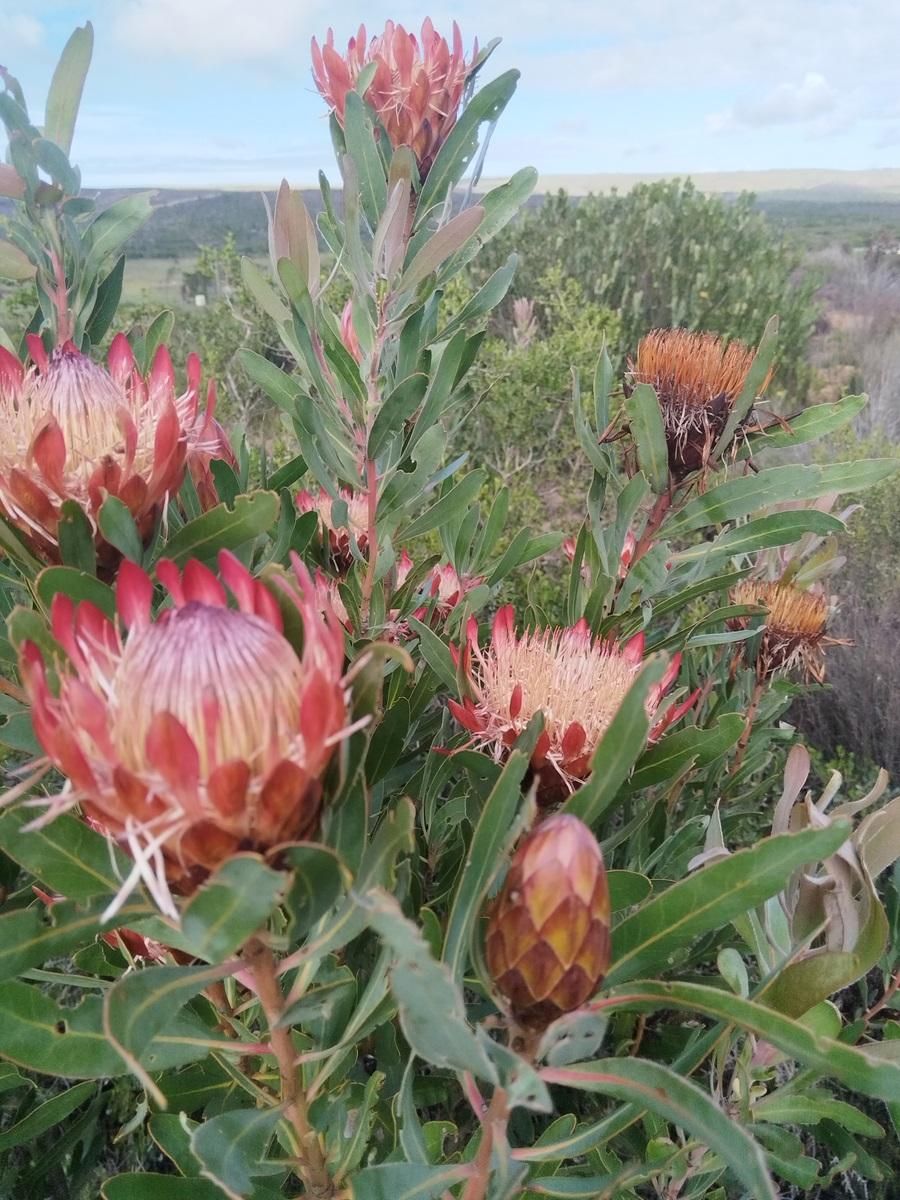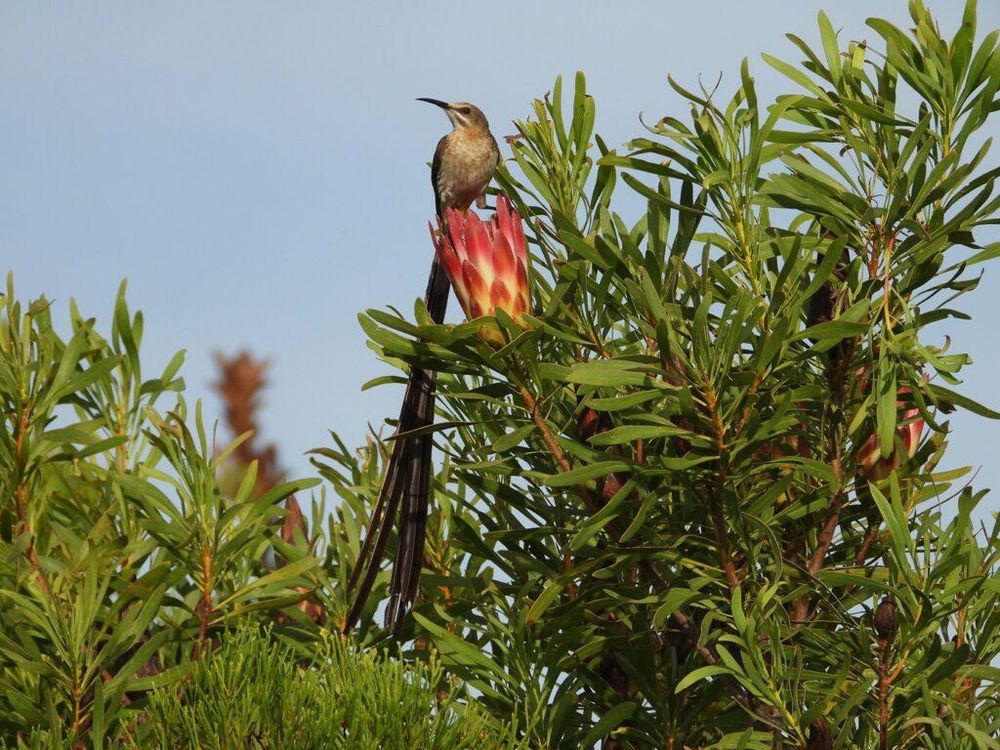
Protea flowers are among the most distinctive in the plant kingdom, but what appears to be a single large flower is actually a flower head (an inflorescence) made up of dozens to hundreds of tiny individual flowers, known as florets.
There are flowers we admire merely because they are beautiful, and there are flowers that command our reverence because—once we truly understand them—we realise just how extraordinary they are. The protea belongs unequivocally to the latter.
Standing tall amidst the scrublands of South Africa’s Cape Floral Kingdom, its stately flower heads can appear almost otherworldly. Some look as though they were crafted from velvet, while others resemble feathers, scales, or frozen flames. Yet behind this sublime elegance lies one of the greatest survival stories in the natural world. The protea is not beautiful in spite of its harsh environment, but precisely because of its evolutionary resilience against poor soils, drought, and fire.
Named in 1735 by Swedish botanist Carl Linnaeus after Proteus—the shape-shifting sea god of Greek mythology—the plant family lives up to its versatile namesake. What appears at first glance to be a single majestic bloom is actually an architectural triumph: a dense inflorescence composed of hundreds of individual florets nested inside a vibrant crown of modified leaves called bracts. From far away, it is exquisite; up close, it is a masterclass in biological design.