In 2025, two stories of pregnant women devastated by unaffordable healthcare spread rapidly across Nigerian social media.
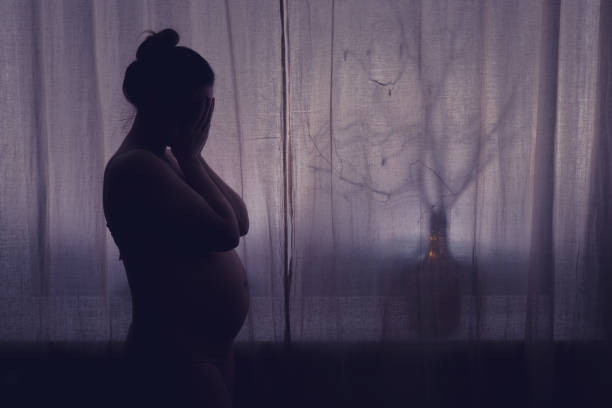
The first involved a woman who developed pregnancy complications and was rushed to a private hospital by her husband. The hospital was said to have demanded an upfront payment of ₦500,000 ($368) before treatment could begin. Unable to raise the money, the couple left in search of a government hospital. She died in the car before they arrived.
The incident sparked widespread outrage, with many Nigerians questioning why a woman in critical condition could be denied life-saving care because she could not pay.
The second case was no less devastating. A woman said to be pregnant with twins developed complications and urgently needed ₦28,000 ($20.62) for treatment. She did not have it. By the time financial help arrived, both babies had died in the womb. Doctors later delivered the stillborn twins in an effort to save her life and prevent maternal sepsis.
These were not isolated tragedies. Nigeria loses one woman every seven minutes to pregnancy-related causes, according to the latest estimates by the United Nations Maternal Mortality Estimation Inter-Agency Group, which draws on 2023 data. The country accounts for 29% of global maternal deaths. Nigeria’s heavy reliance on out-of-pocket healthcare spending means many families must find cash before treatment begins.