As fertility treatment becomes increasingly sought after in Nigeria, rising costs and limited health insurance coverage are putting parenthood beyond the reach of many couples. With public health spending among the lowest globally and households financing most medical expenses out of pocket, fertility care has become one of the clearest examples of how healthcare financing shapes access to essential medical services.
Nigeria’s fertility industry is expanding as delayed childbearing, changing lifestyles, rising infertility awareness and advances in assisted reproductive technology drive demand for fertility services.
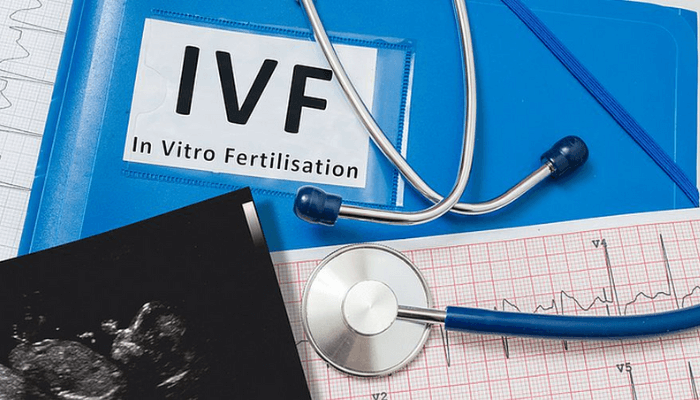
A single cycle of IVF typically costs between about N1.2 million and over N4 million, depending on the clinic, medications and treatment plan.
Dr. Abayomi Ajayi, Managing Director of Nordica Fertility Centre, said the country’s fertility clinics have witnessed growing demand for assisted reproductive services over the past five years, driven largely by increased public awareness and a rise in male-factor infertility.
“First and foremost is awareness,” Ajayi told BusinessDay. “The second factor is male infertility, which is increasing globally, and Nigeria is not an exception. We conducted our own study, which showed that about 12 percent of men who came to us had no sperm at all. That means, regardless of what they do, they may not be able to impregnate their partners.”