In brief
GrapheneOS said its software is "completely legal" and constitutionally protected, days after the first U.S. prosecution involving one of its features.
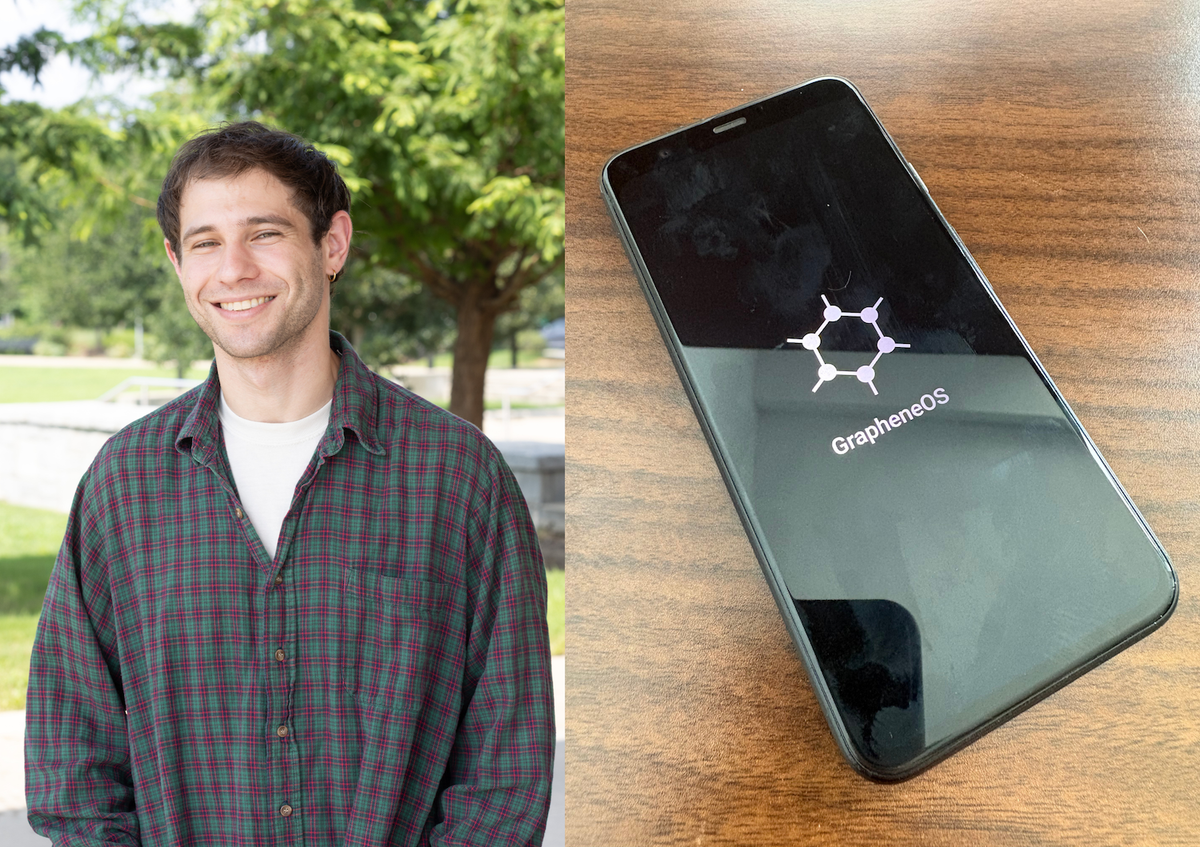
Atlanta activist Samuel Tunick told 404 Media the charges against him are meant to deter people from protecting their data.
His public defender said agents could have sought a warrant and did not, and that the statute has been used just once before.
Privacy software firm GrapheneOS has said its smartphone operating system is "completely legal" and constitutionally protected, as the first U.S. prosecution involving one of its features moves through the courts. "We have no obligation to weaken any of the security protections it provides," the project tweeted on July 27, adding that laws requiring it to do so "would be unconstitutional."The statement came in a thread about the prosecution, after a user asked whether the project was refusing to cooperate with Homeland Security. GrapheneOS said it could not. Once key material is wiped, "there's nothing we can do to assist with it," it wrote, and bypassing encryption is "not possible" by design.