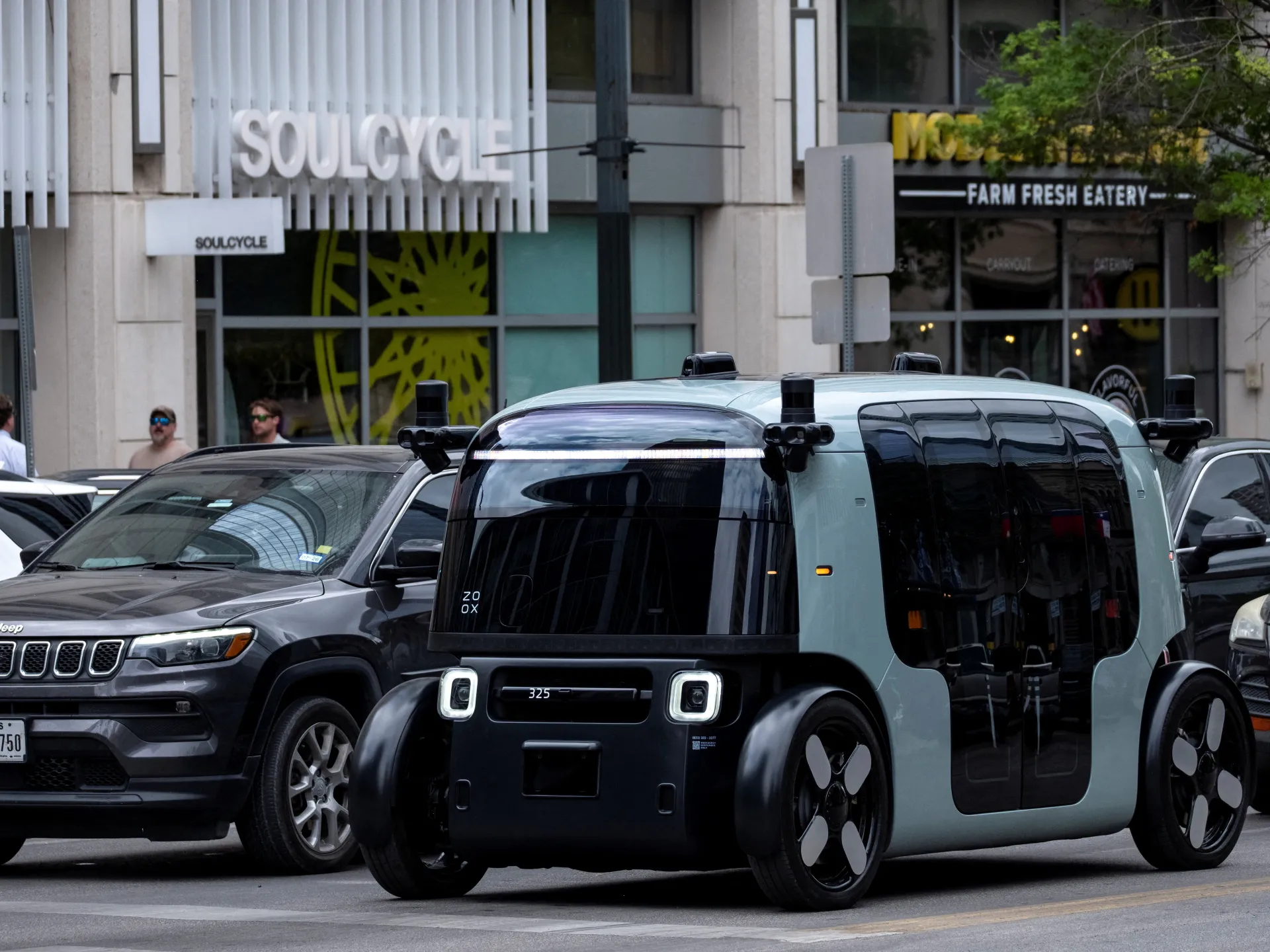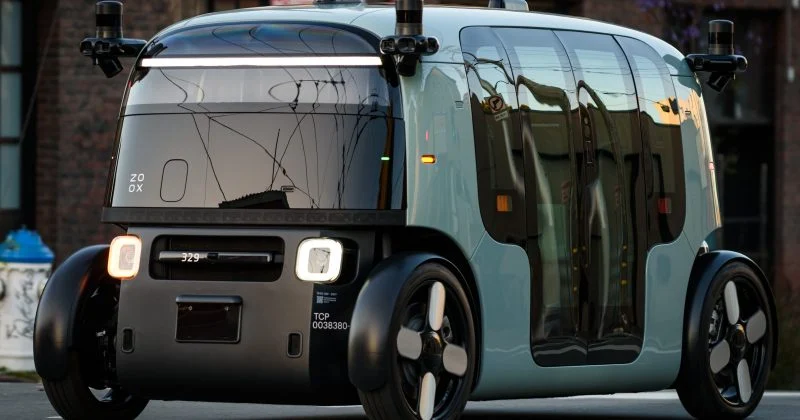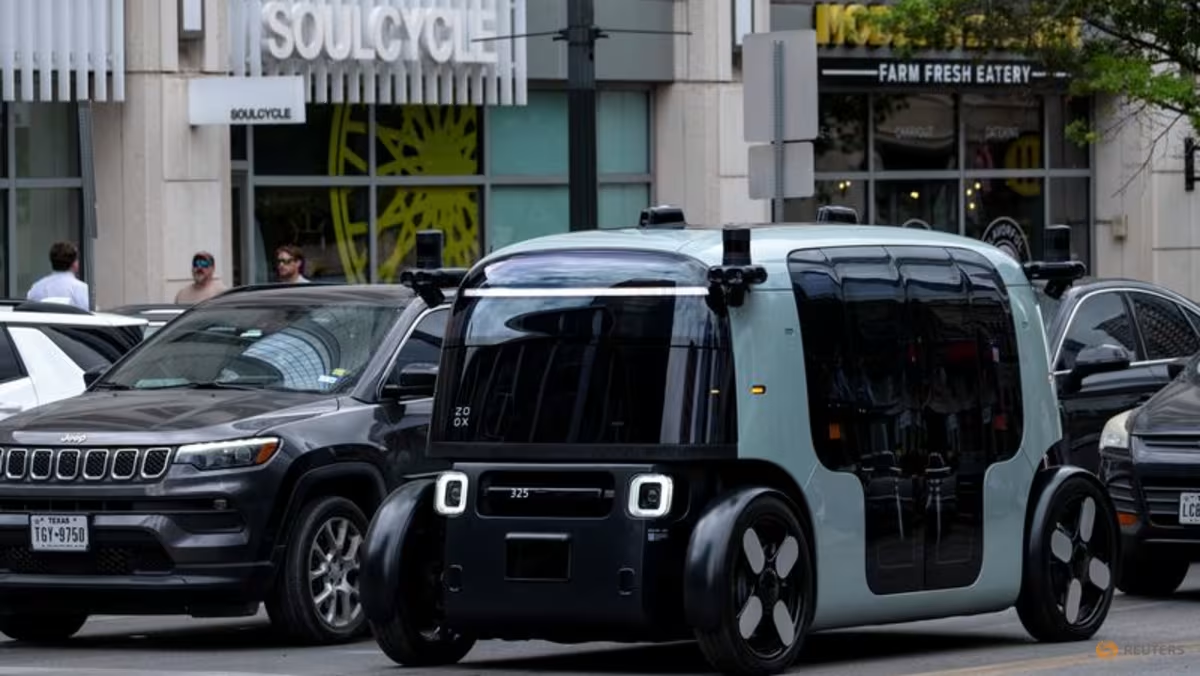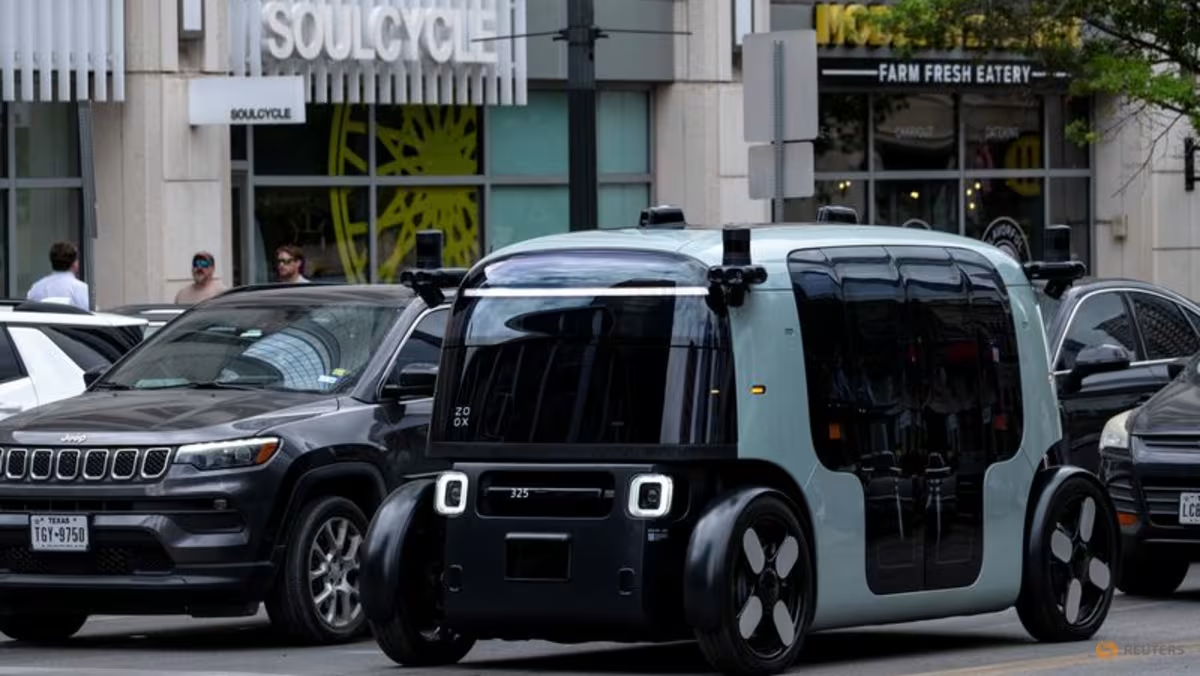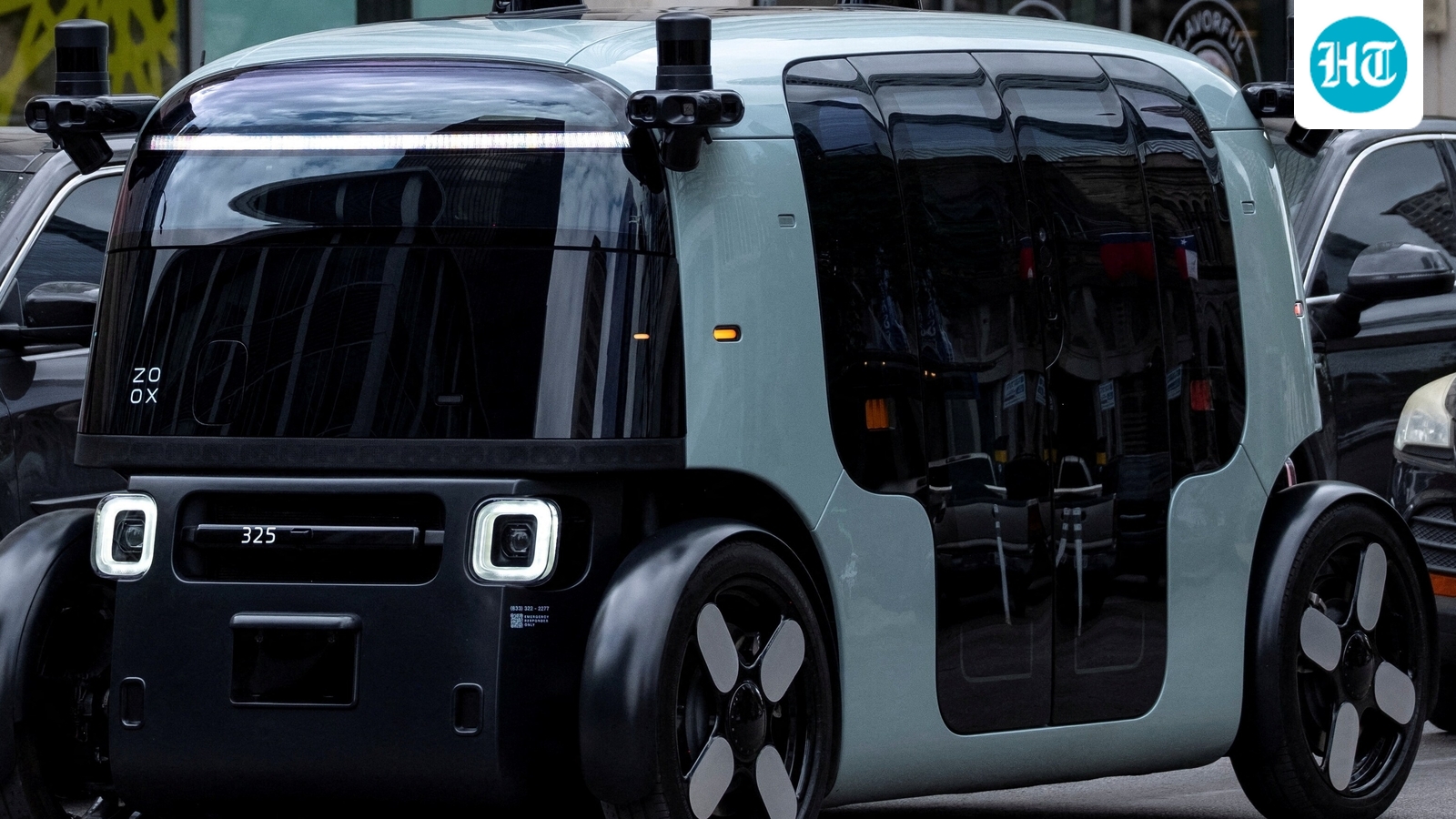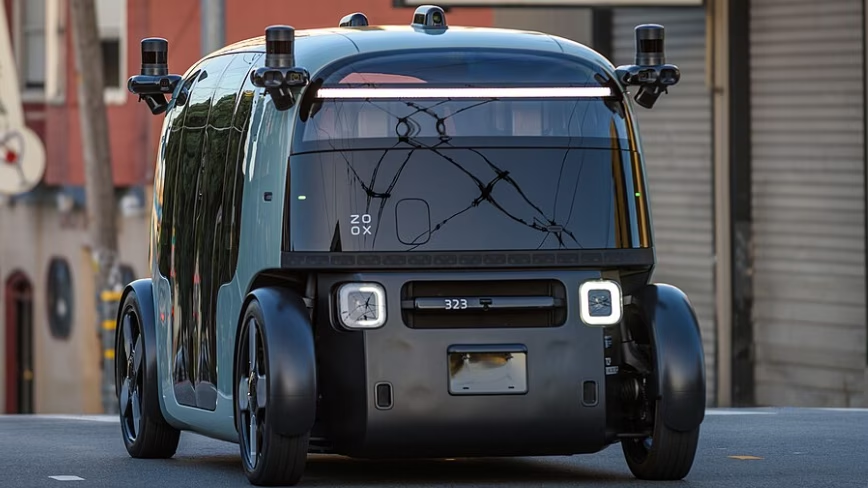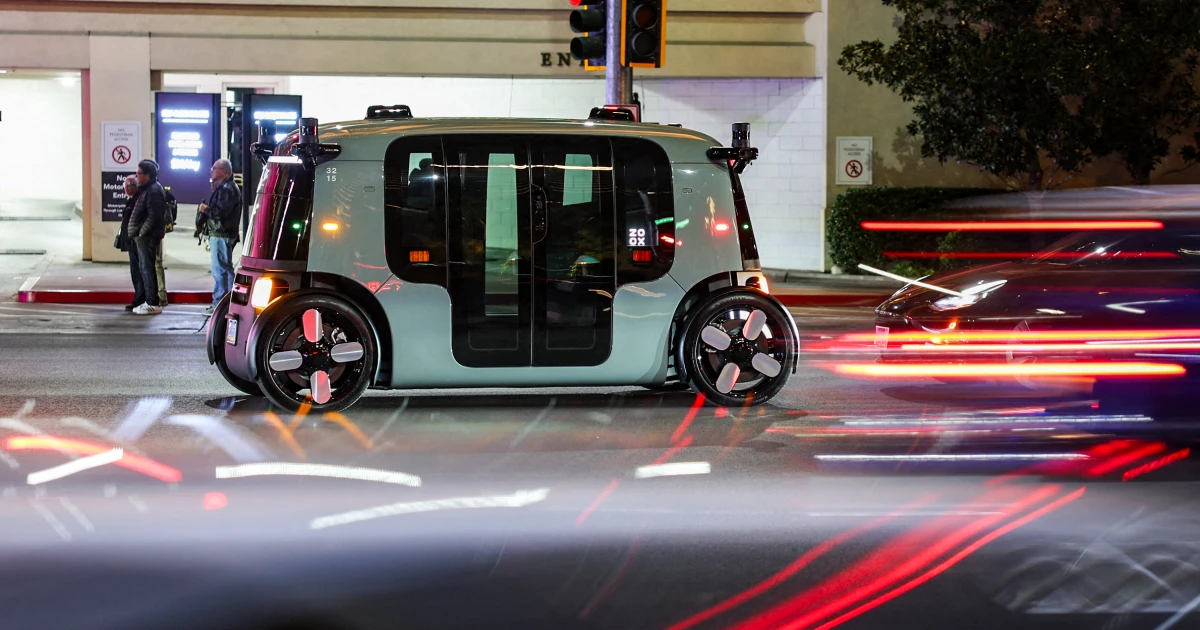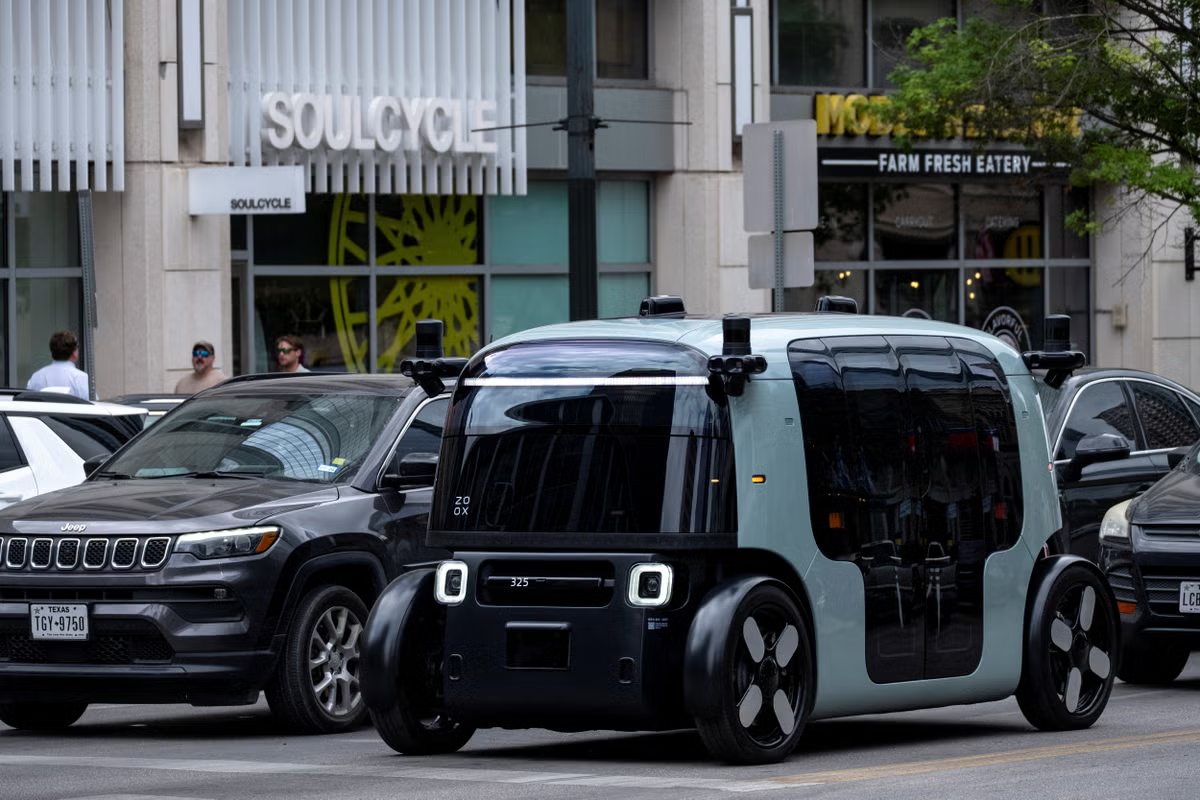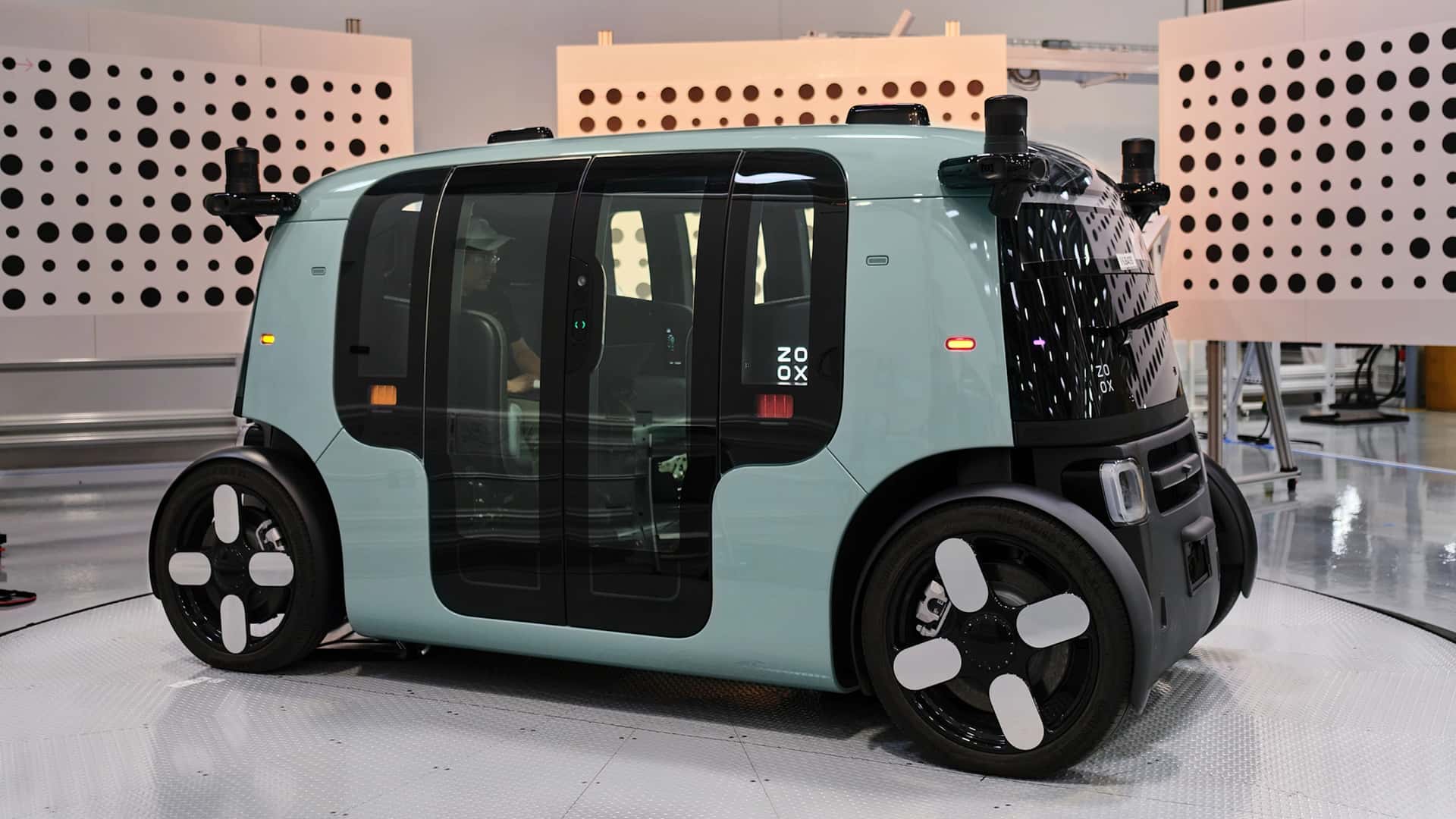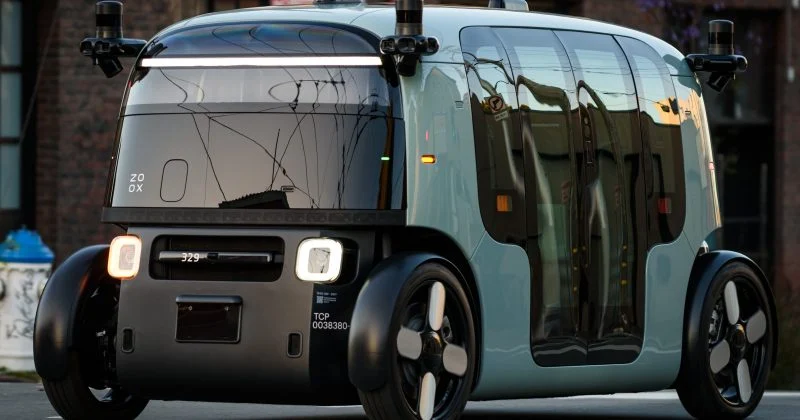
Amazon’s autonomous vehicle subsidiary Zoox just cleared the regulatory hurdle that has kept purpose-built robotaxis parked on the sidelines for years. The National Highway Traffic Safety Administration granted Zoox an exemption to deploy up to 2,500 self-driving vehicles annually over a two-year period, making it the first company in the US to receive approval for paid commercial operation of a vehicle that doesn’t have a steering wheel.
For context, every other robotaxi currently operating in the US, including Waymo’s fleet, is a retrofitted version of a conventional car. Zoox’s approval is for something fundamentally different: a ground-up, bidirectional electric pod designed to carry up to four passengers with no driver controls at all.
What NHTSA actually approved
NHTSA Administrator Jonathan Morrison said Zoox’s systems exceeded the performance standards of vehicles that comply with traditional safety requirements.
The exemption isn’t a blank check, though. Zoox faces additional obligations around crash reporting and operational data sharing, conditions that go beyond what conventional automakers are required to provide. The two-year window and 2,500-vehicle annual cap also function as guardrails, letting regulators monitor real-world performance before any broader rollout.