(Image credit: Valve / Microsoft / Sony / Future)
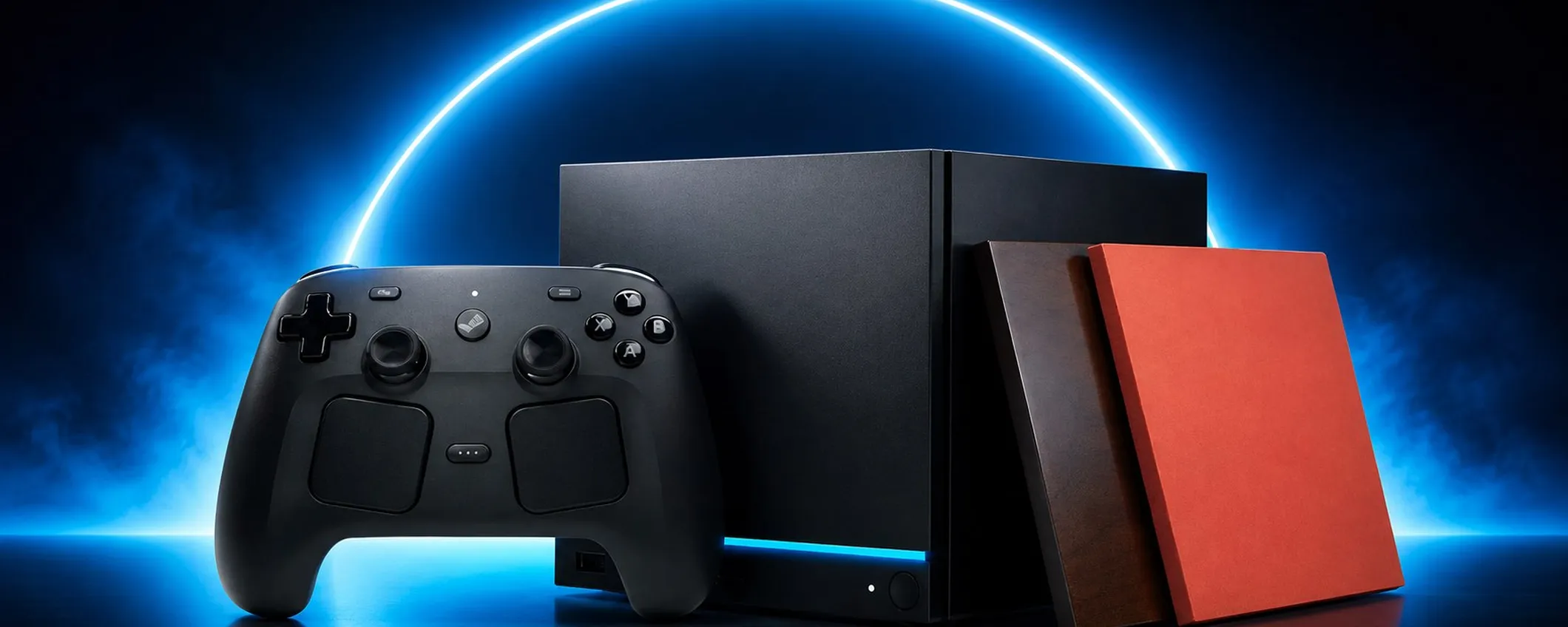
Loath as I am to say it, the future of gaming platforms isn’t looking so rosy right now. Windows is increasingly becoming more recalcitrant, constantly throwing hurdles in the faces of PC gamers in the form of performance-ruining updates and unsolicited AI implementations. And in the console world, Sony has irked everyone by ditching physical games from January 2028, while the recent bout of mass layoffs at Xbox belies its ‘back on track’ messaging.Meanwhile, Valve appears to be going in the opposite direction. It already has a big advantage in the form of Steam, near enough the default storefront and launcher for PC gamers everywhere. Why, it’s generated an estimated $11.1bn in gross revenue in the first half of this year already. With pockets as deep as these, and without having to divert its earnings to shareholders (given it’s still, for now, a private company), that’s cash it can invest in expansion.So is now the perfect time for Valve to break out, capitalize on its competitors’ floundering and shoot its shot at making SteamOS the next big platform?SteamOS vs Windows
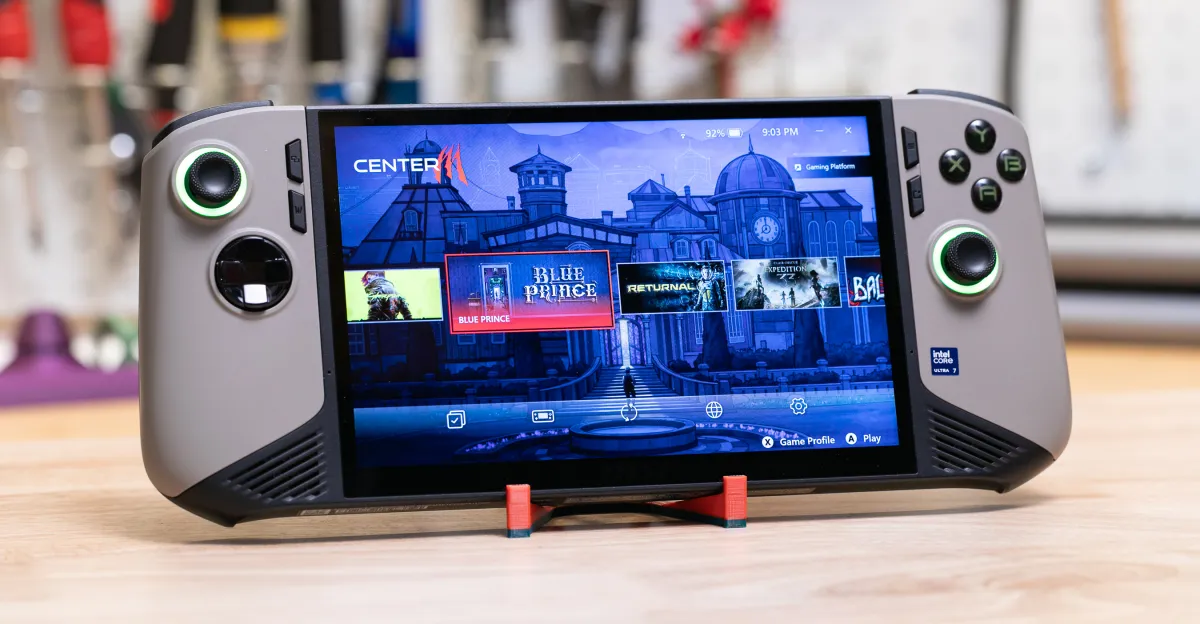
(Image credit: Shutterstock / Future)There’s no question that SteamOS has been quite the success already. This is almost entirely thanks to the success of the Steam Deck, Valve’s hugely popular device that launched in 2022 and kickstarted a mini revolution in handheld gaming. It runs SteamOS 3, which is based on the Arch Linux distribution and far superior to its initial Debian iterations. These were used on the original Steam Machines of 2015, and are no doubt part of the reason for the discontinuation of the units in 2018.The big advantage of SteamOS 3 is its support for Proton, the compatibility layer that allows Windows games to run on Linux devices. Although it predates the Steam Deck, Proton found its calling on the handheld, proving a lot of doubters wrong by running a large library of modern games well on a small, portable device. Even AAA titles such as 007 First Light and Cyberpunk 2077 are perfectly playable, along with plenty of others.But Valve is no longer confining its operating system to the Steam Deck and Steam Machine. It’s recently expanded support to ARM, AMD and Intel devices, which means it can run on more devices such as the Lenovo Legion Go S and the Asus ROG Ally. Chris Hewish, a former Executive Producer at Activision and current President of gaming MoR Xsolla, explains the advantages of running SteamOS on such devices over Windows 11.“With the SteamOS 3.8 release in June, Valve officially took the OS beyond the Steam Deck to the ROG Ally line, and Lenovo's Legion Go family, and early Intel support is starting to pull devices like the MSI Claw into the fold," he tells me. "On the same hardware, reviewers keep finding it ahead of Windows 11 where handheld players actually feel it: battery life, sleep and resume, and an interface built for a controller instead of a desktop squeezed onto a seven-inch screen.”Sign up for breaking news, reviews, opinion, top tech deals, and more.So, does the continued success of SteamOS rely on expanding to more hardware? Greg Weller, Head of Gaming Partnerships at Generation Media, and someone with over 20 years of industry experience — which includes stints at Rockstar Games and Bethesda Softworks — thinks so.“The opportunity is significantly bigger if SteamOS continues to be device agnostic," he says. "The Steam Deck proved Valve could build a fantastic hardware experience, but the bigger strategic opportunity is allowing consumers to carry their Steam ecosystem across multiple devices rather than tying it to one piece of hardware.”He continues: “We're seeing the same evolution across other entertainment sectors, like music, film and television, which have largely moved beyond device-specific experiences. People increasingly expect their content to follow them rather than the other way around. So, Valve hardware can absolutely remain the benchmark experience, but if SteamOS becomes the connective layer between a player's library, identity and multiple devices, that's a much bigger opportunity.”However, not everyone in the industry shares this view. “SteamOS’ success largely depends on Valve's hardware for now and how far they actually push the OS itself,” says André Pimenta Ribeiro, CEO and co-founder of Anybrain, whose behavioral AI tools are used in popular online games such as Arc Raiders and The Finals.He adds: “SteamOS’ success largely depends on Valve's hardware for now and how far they actually push the OS itself. I think Valve’s best case here is to grow to a broader, more casual audience through its own hardware and by offering its massive library to the mainstream player base, rather than exporting SteamOS to more devices in general. Once Valve hardware or SteamOS reach more mainstream adoption, then opening up the ecosystem makes sense. For now it feels mostly like a development play.”Sticking points