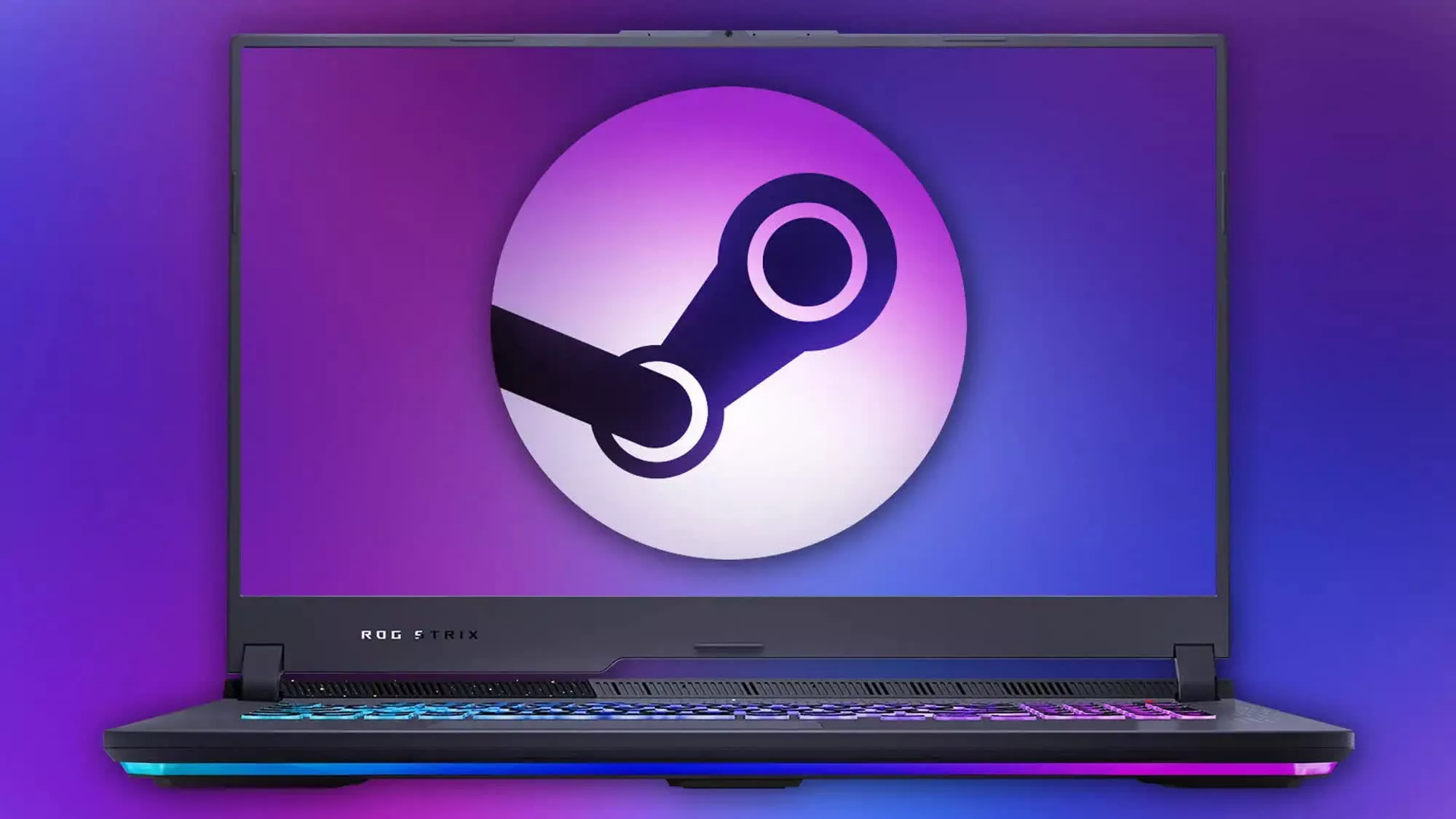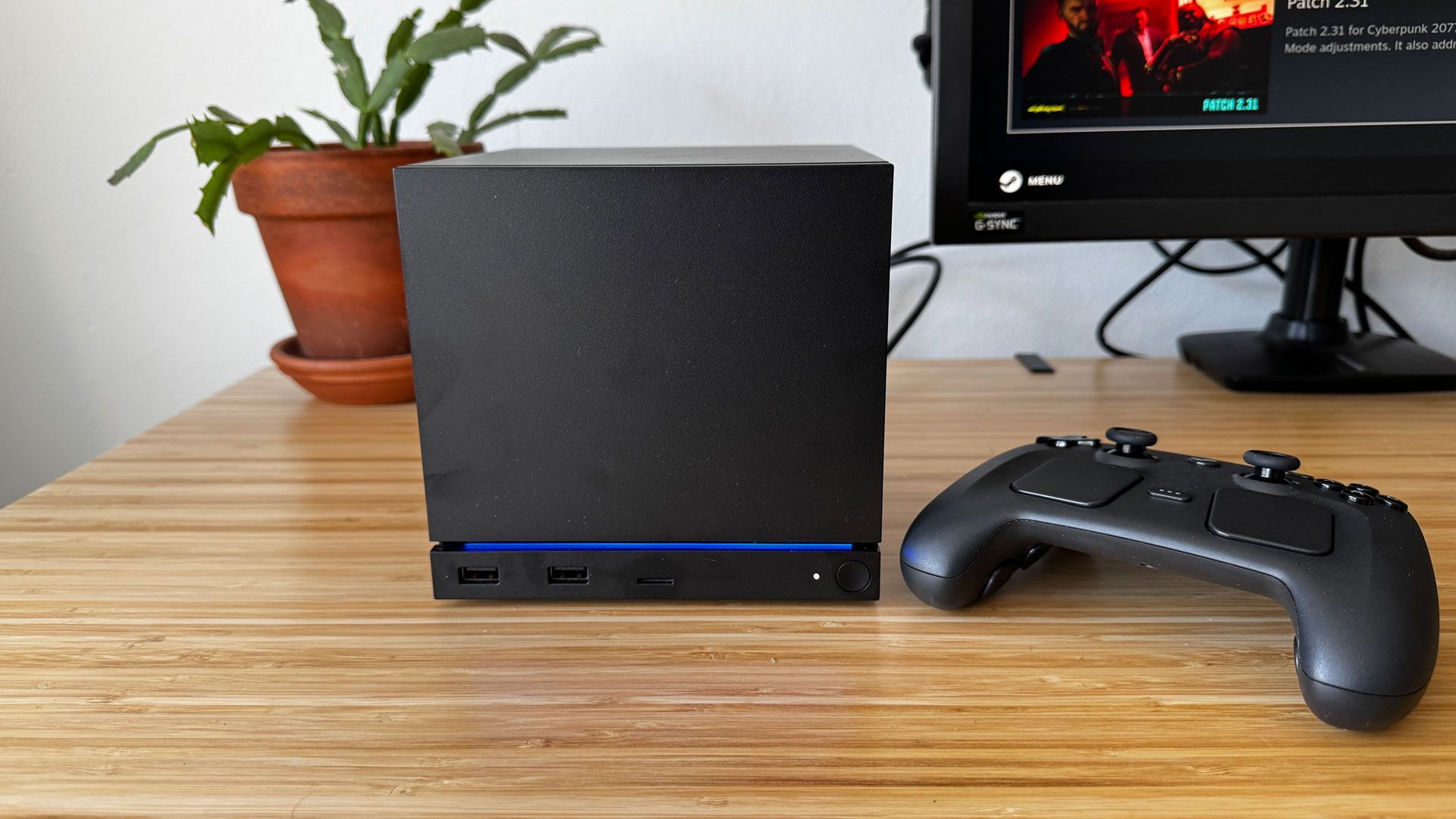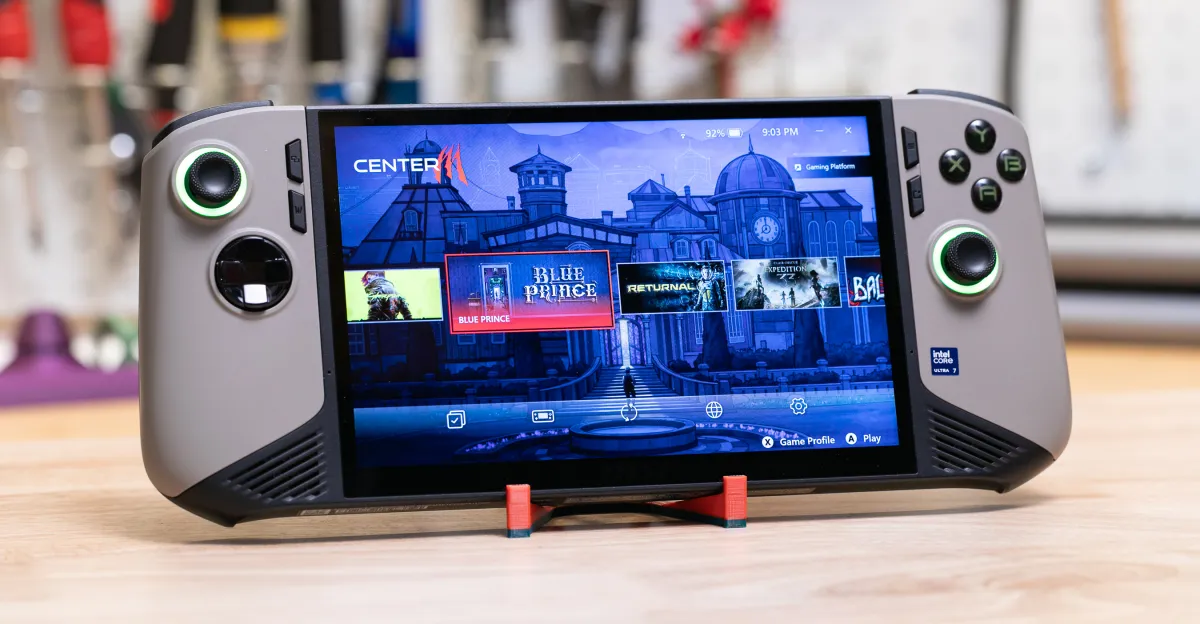
Valve is working with major chipmakers including Intel, AMD and Nvidia to expand SteamOS beyond the Steam Deck, aiming to establish it as a serious alternative to Windows for PC gaming. For decades, Windows has remained the undisputed leader in PC gaming, backed by a vast ecosystem of drivers, tailored hardware, and proprietary anti-cheat software. According to the Steam Hardware & Software Survey for May 2026, Windows commands a staggering 93.85% market share among Steam users, while Linux trails at 3.99% and macOS stands at 2.16%.
SteamOS, built on Linux and developed by Valve, is designed specifically for gaming. Its key strength lies in Gaming Mode, which boots directly into the Steam library and delivers a console-like experience similar to Steam Deck. At the same time, Desktop Mode retains the flexibility of a traditional PC, allowing users to install additional software and perform general computing tasks.
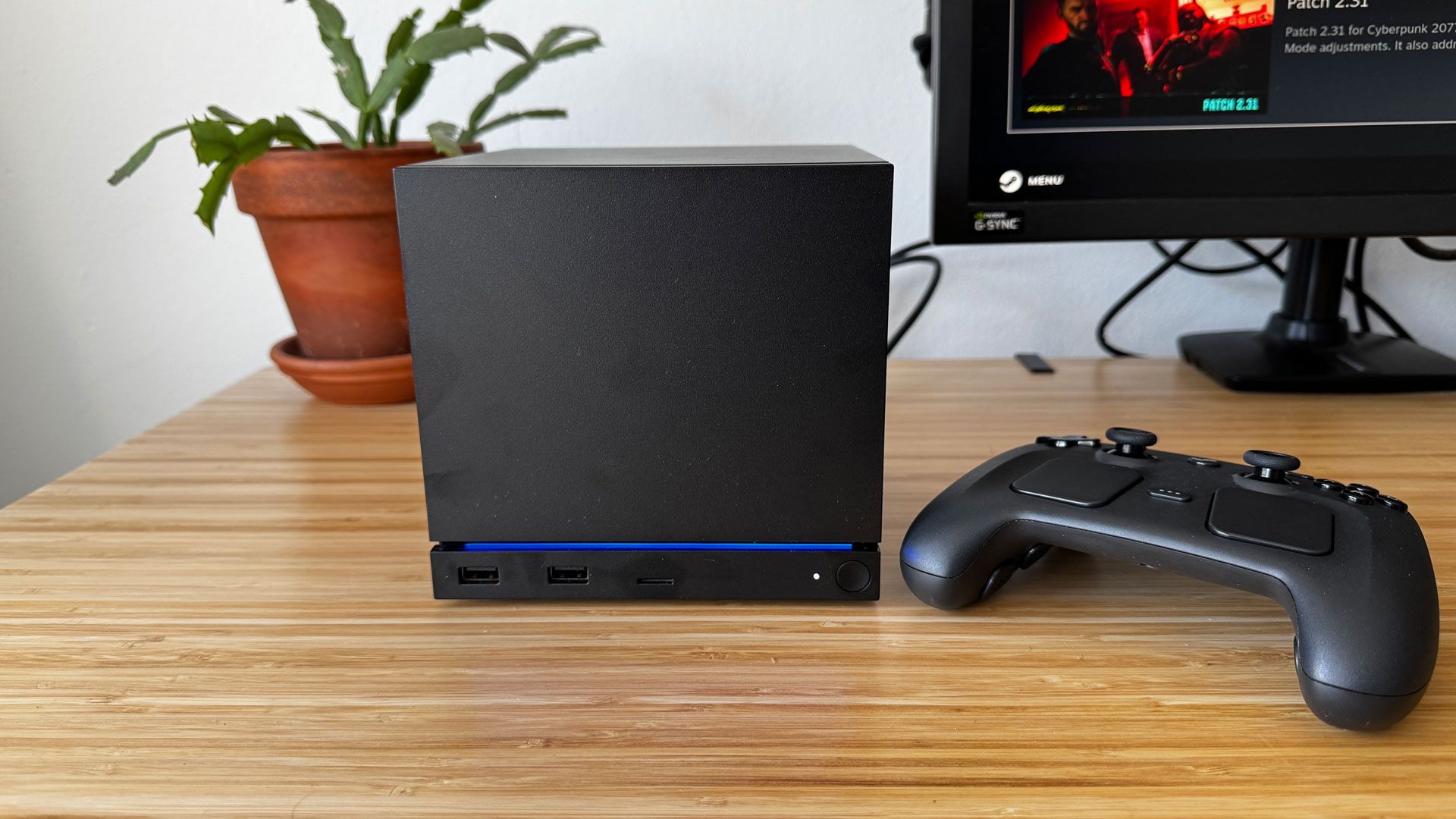
Until recently, newer versions of SteamOS were largely centred around Steam Deck, making installation on standard PCs difficult due to driver limitations, hardware compatibility issues and a setup process that remained unfriendly for average users. However, the latest SteamOS 3.8.10 update suggests Valve is actively broadening support, with early compatibility improvements for newer Intel and AMD platforms and next-generation Steam Machine-style hardware.'