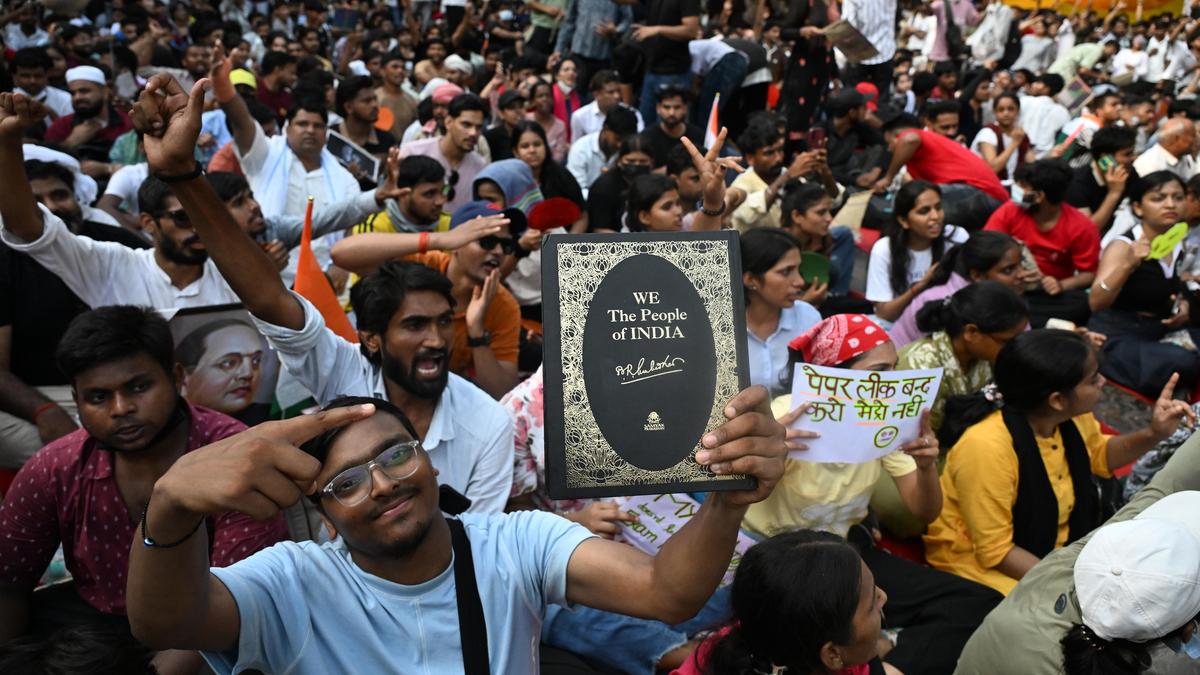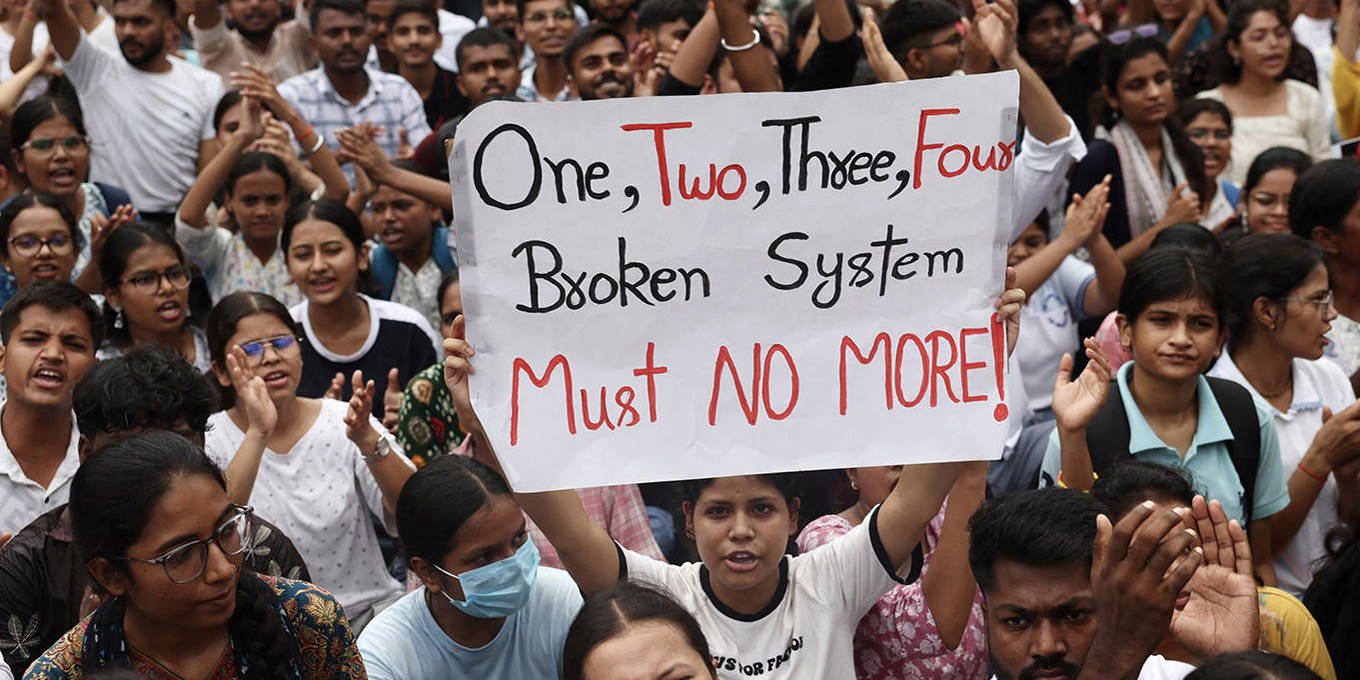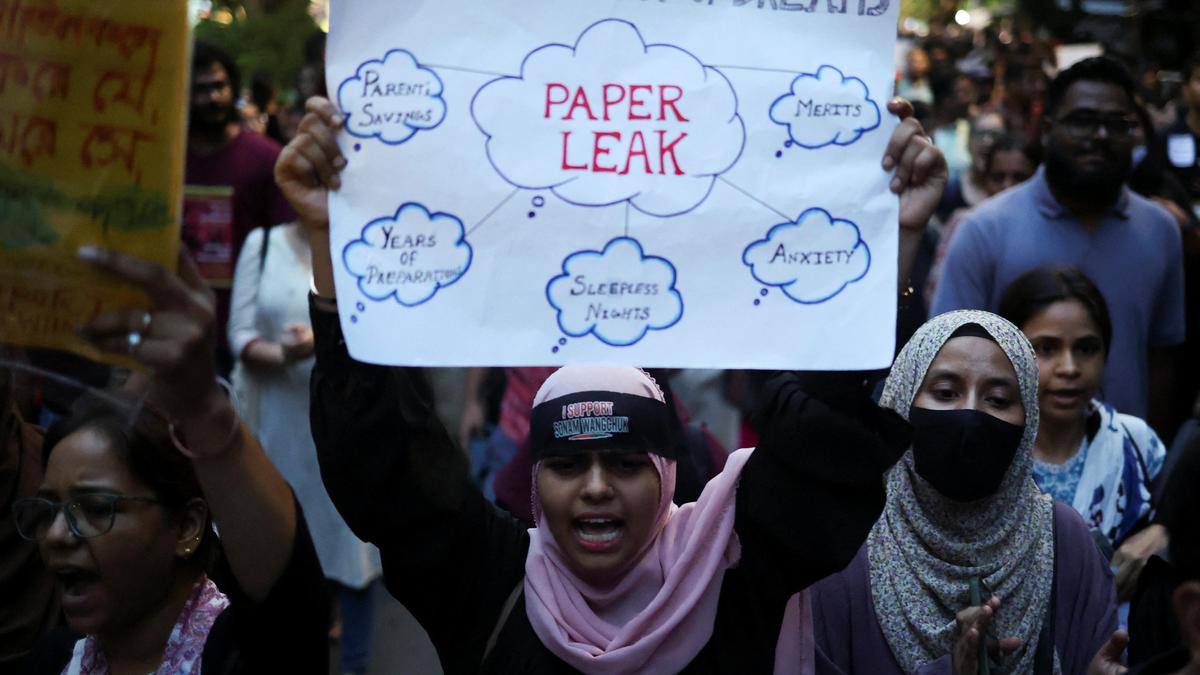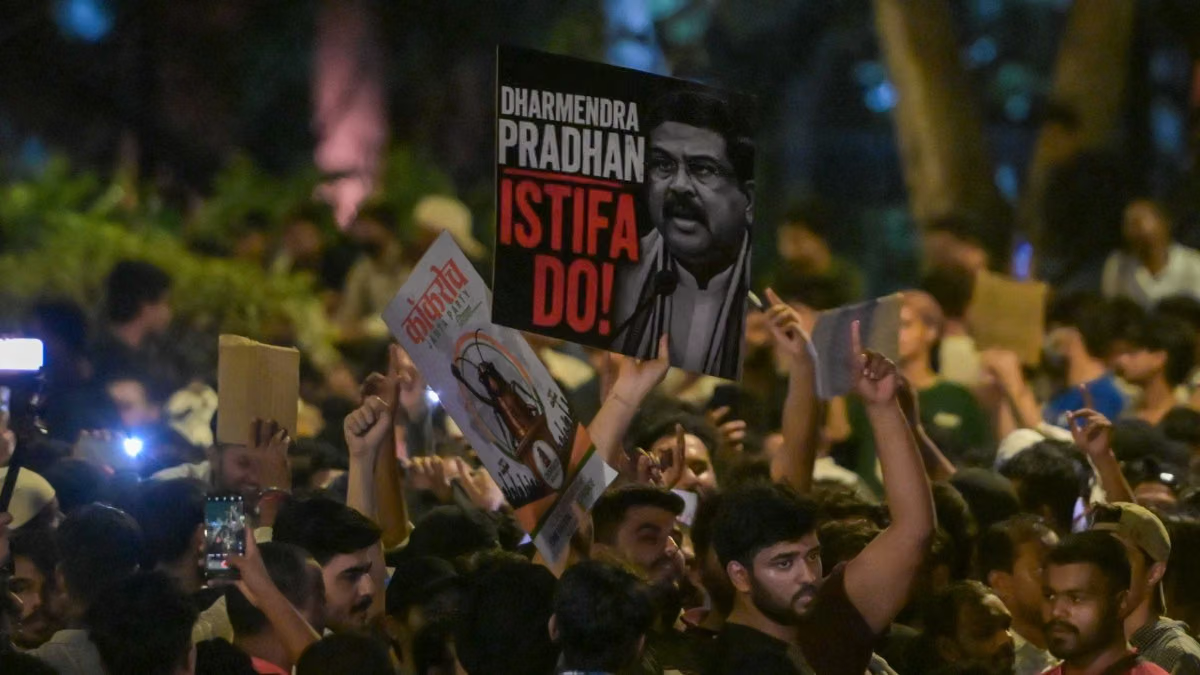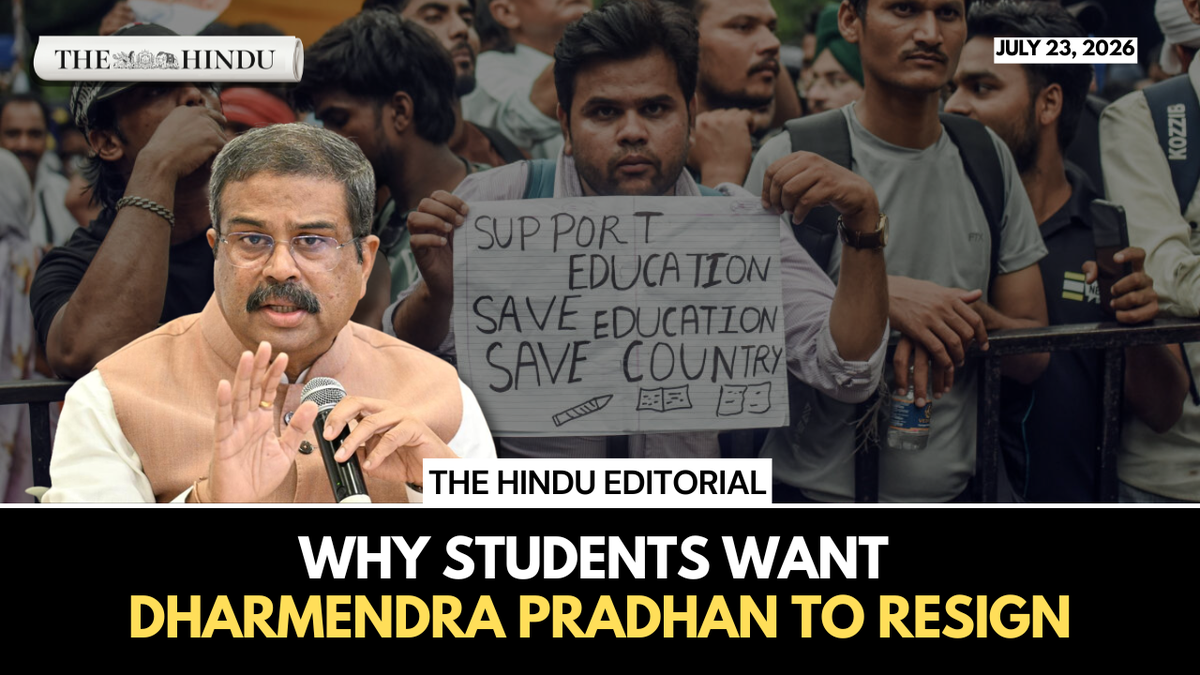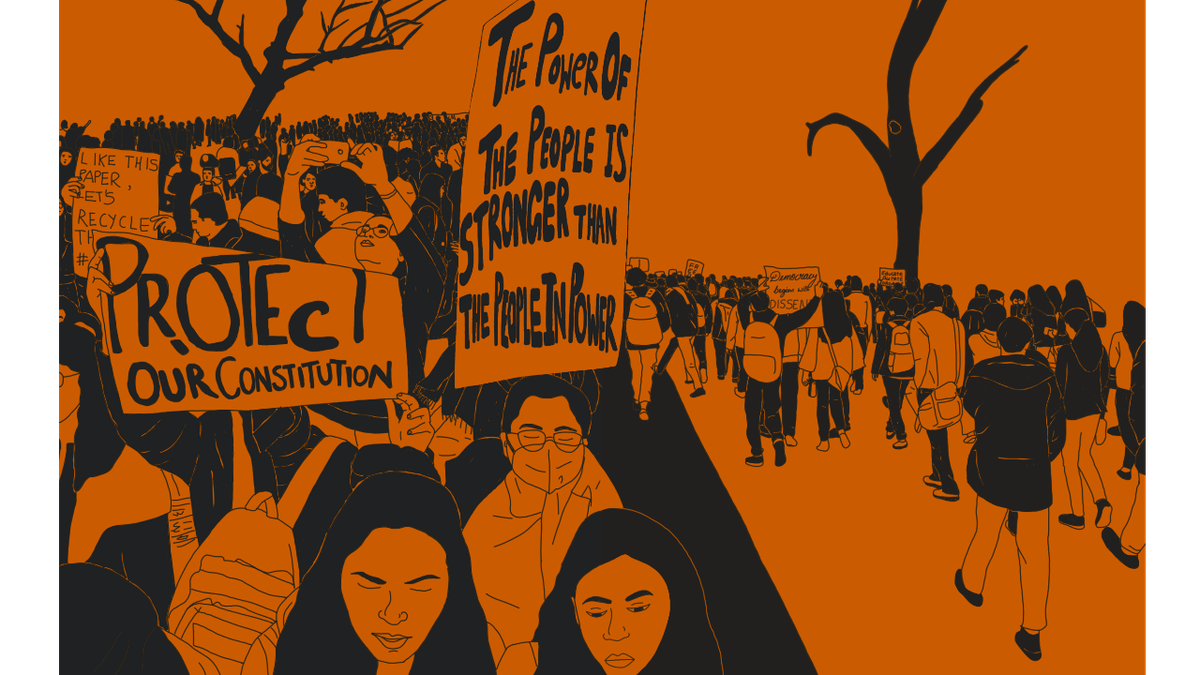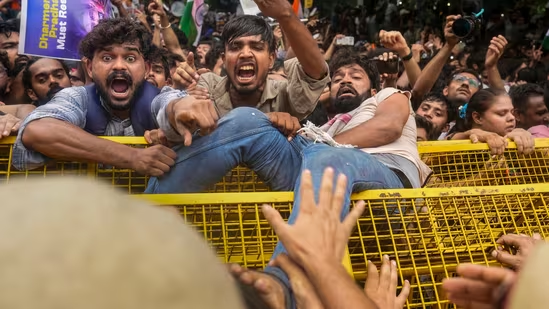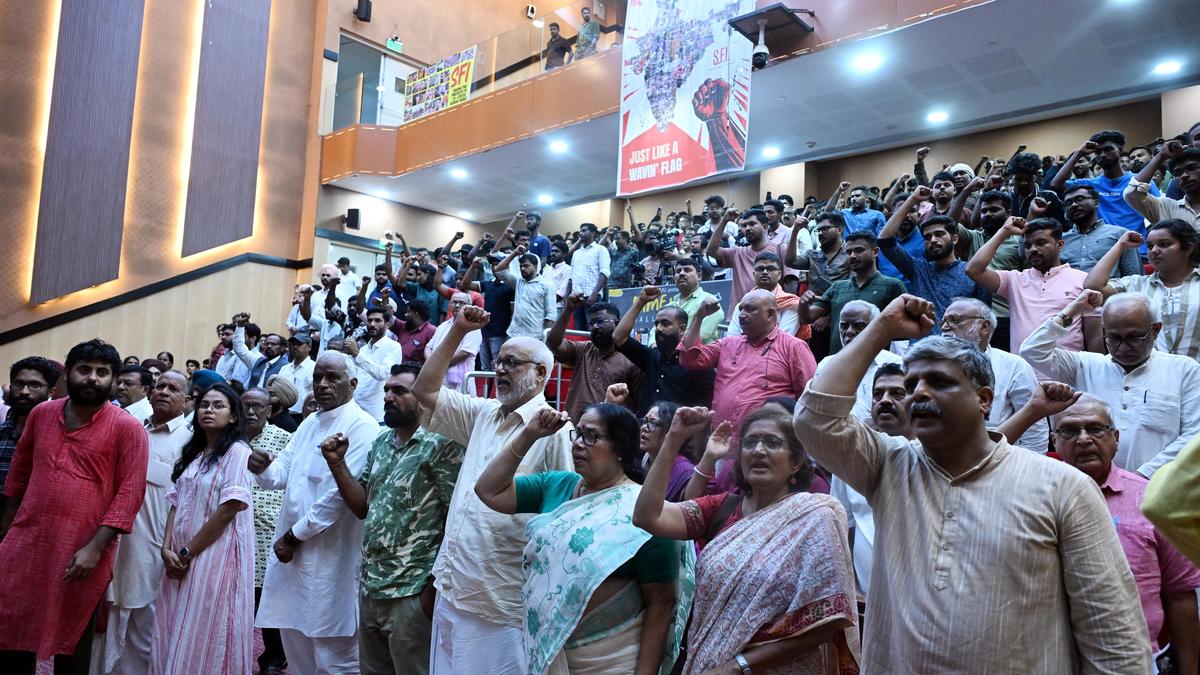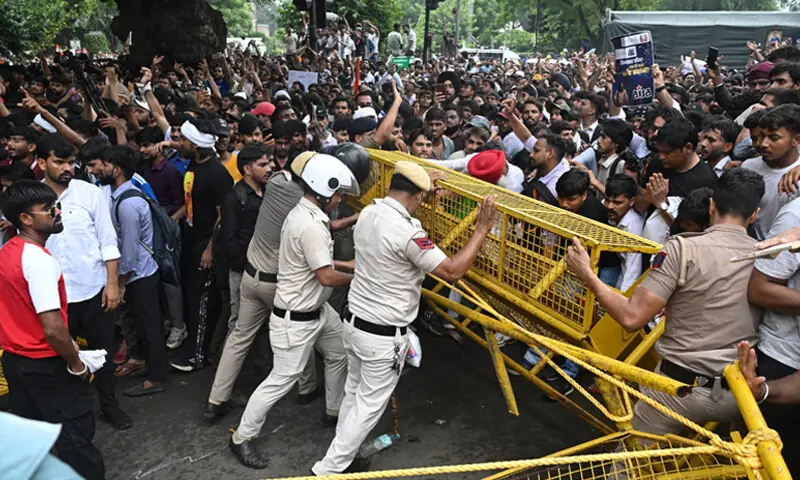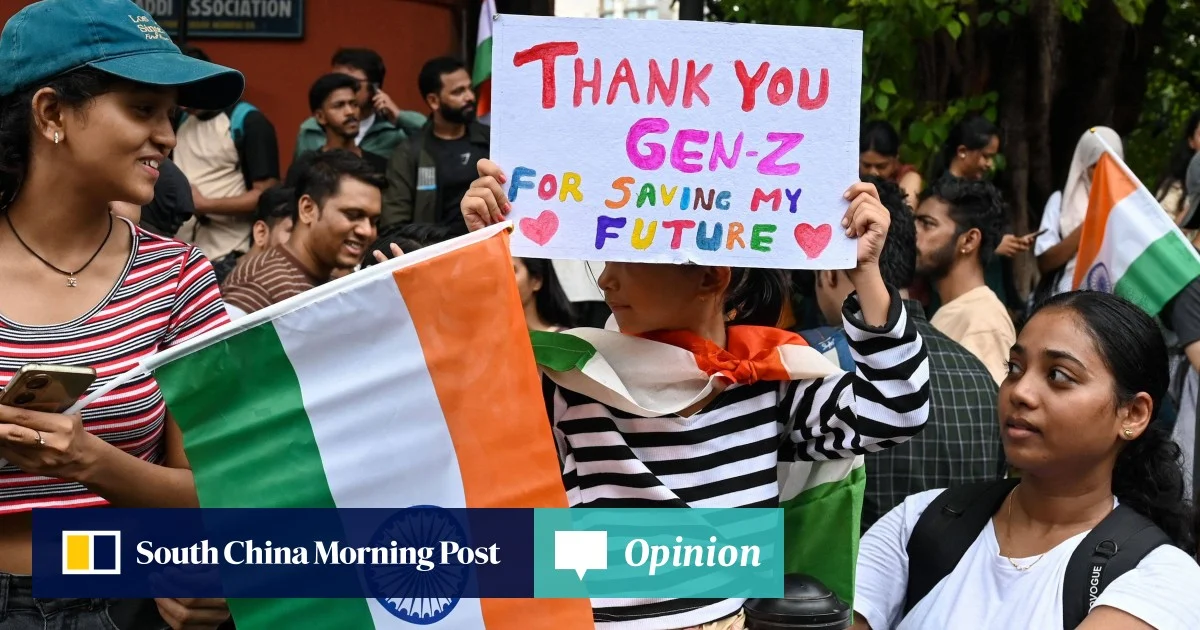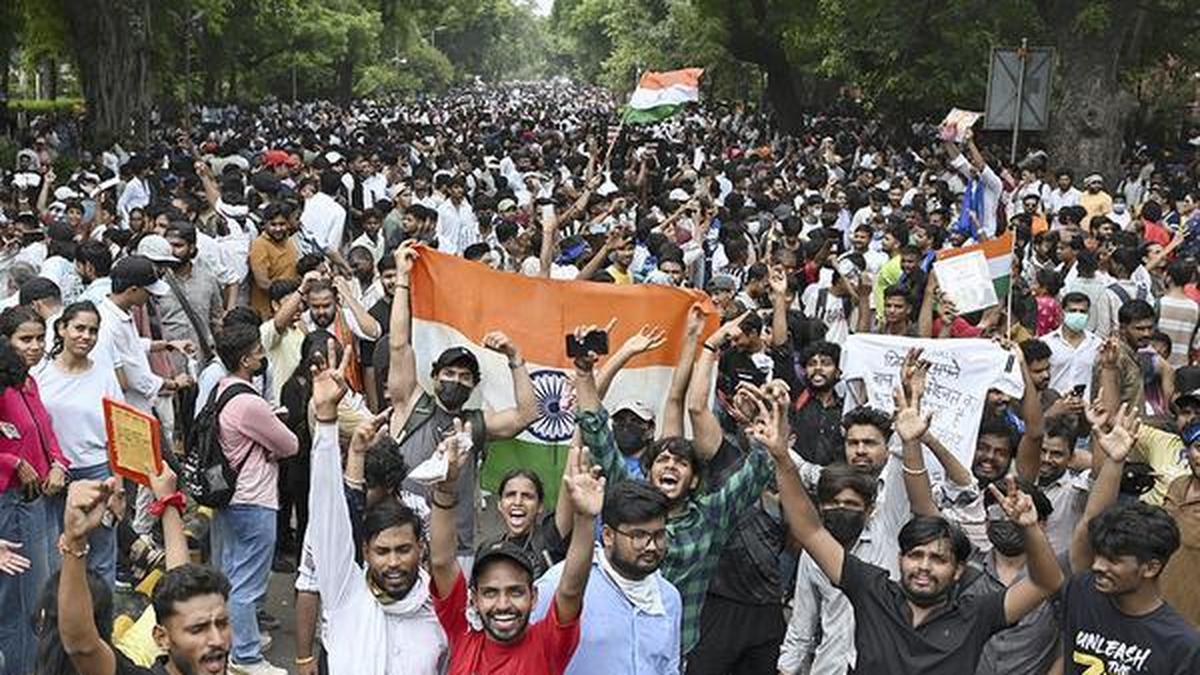
The hard-fought victory of India’s student uprising appears to be on the verge of collapse. Hailed by many as a historic youth movement, it now risks being reduced to the familiar and reductionist caste-merit dichotomy.
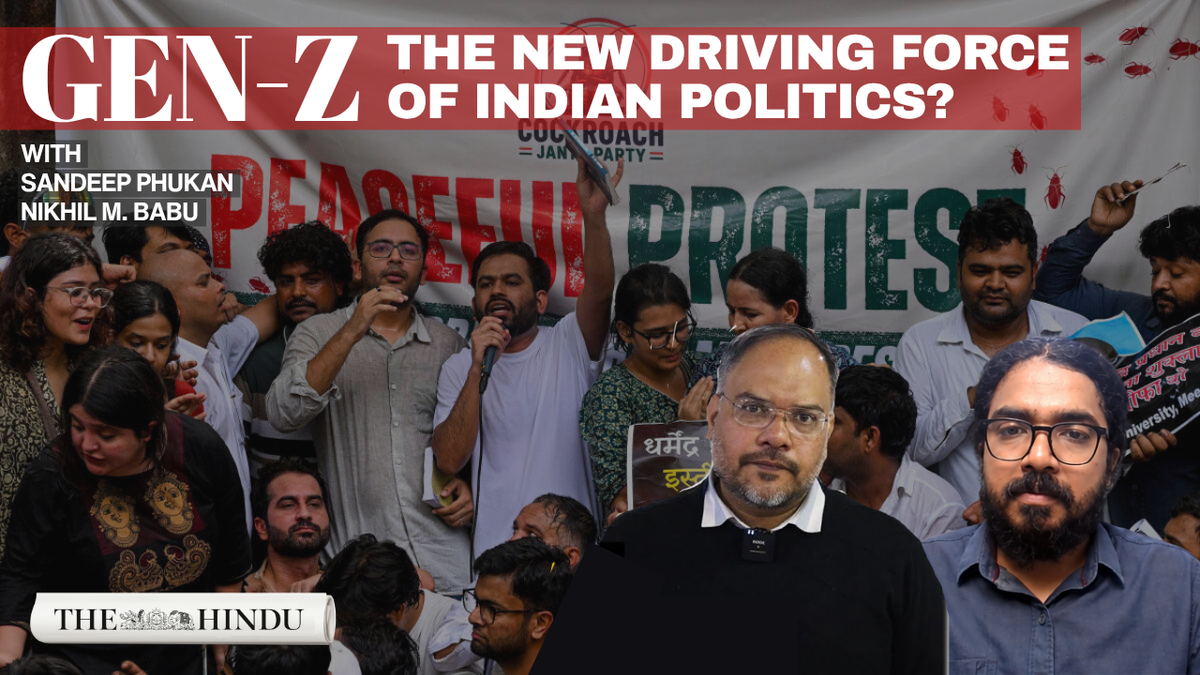
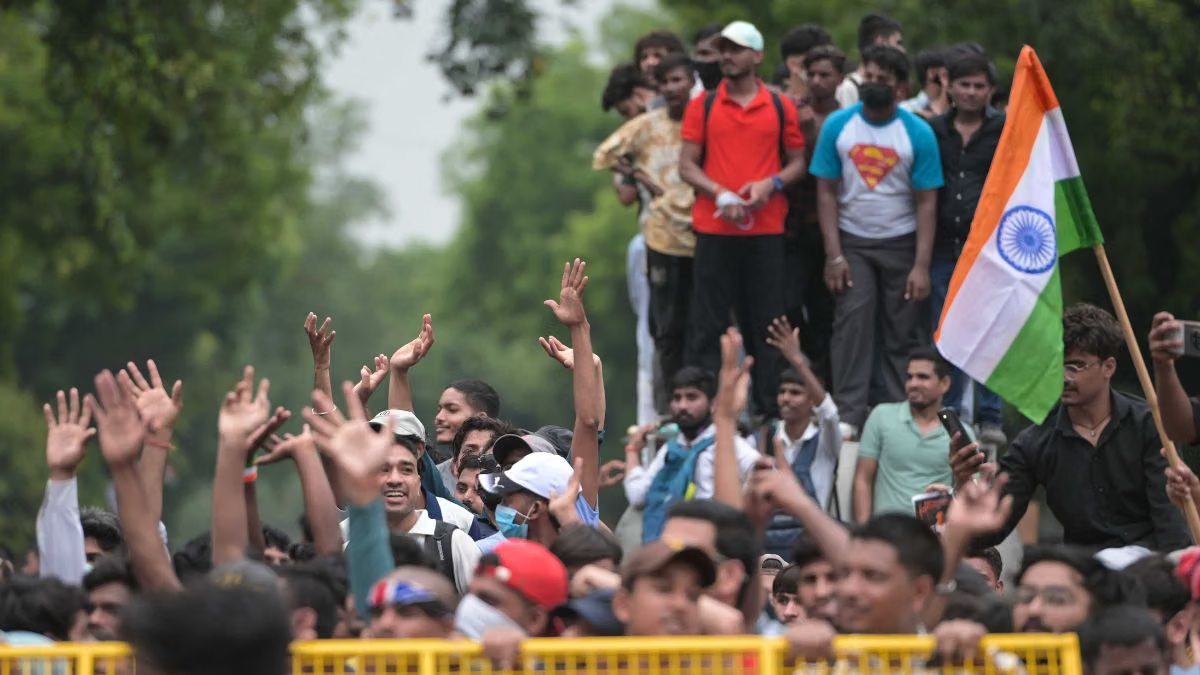
If that happens, it will not just be an ordinary setback, but a descent into the same old chaos. The conversation is already drifting away from the movement’s central demands and back toward the familiar, toxic online shouting match over the myths of merit, caste, and reservation.On 25 July, the country’s youth and their organic mobilisation forced a political shake–up. The mobilisation, initiated and spearheaded by the Cockroach Janta Party (CJP), a satirical platform, later turned into a decentralised, powerful youth movement. Building on this momentum, the meta-youth movement evolved into a rare cross-identity alliance, bringing together tens of thousands of young Indians who endured more than a month-long standoff at Jantar Mantar.
These youth demanded good governance, state accountability, responsiveness, and responsibility. While this moment had not yet ebbed, within seventy-two hours of this rare collective unity, this grand architecture of student solidarity is facing a crisis and raising questions about its episodic nature. A hyper-visible counter-wave is now viral across digital spaces under the nomenclature of the “Reservation Hatao Andolan” (RHA). This digital campaign amassed more than 5.8 million Instagram followers in just a few days. The national conversation that talked of a collective and universal ethos has been hijacked. It has shifted from the movement’s universal demands for clean examinations to a bitter, zero-sum binary war. Thus, it has skirted the gains of the movement launched to identify and address the massive systemic crisis. It risks being reduced to a simplistic battle over caste quotas and the usual theatrics of merit that is the omnipresent “banality of evil,” plaguing Indian society, which BR Ambedkar had rightly pointed out.Negative solidarity