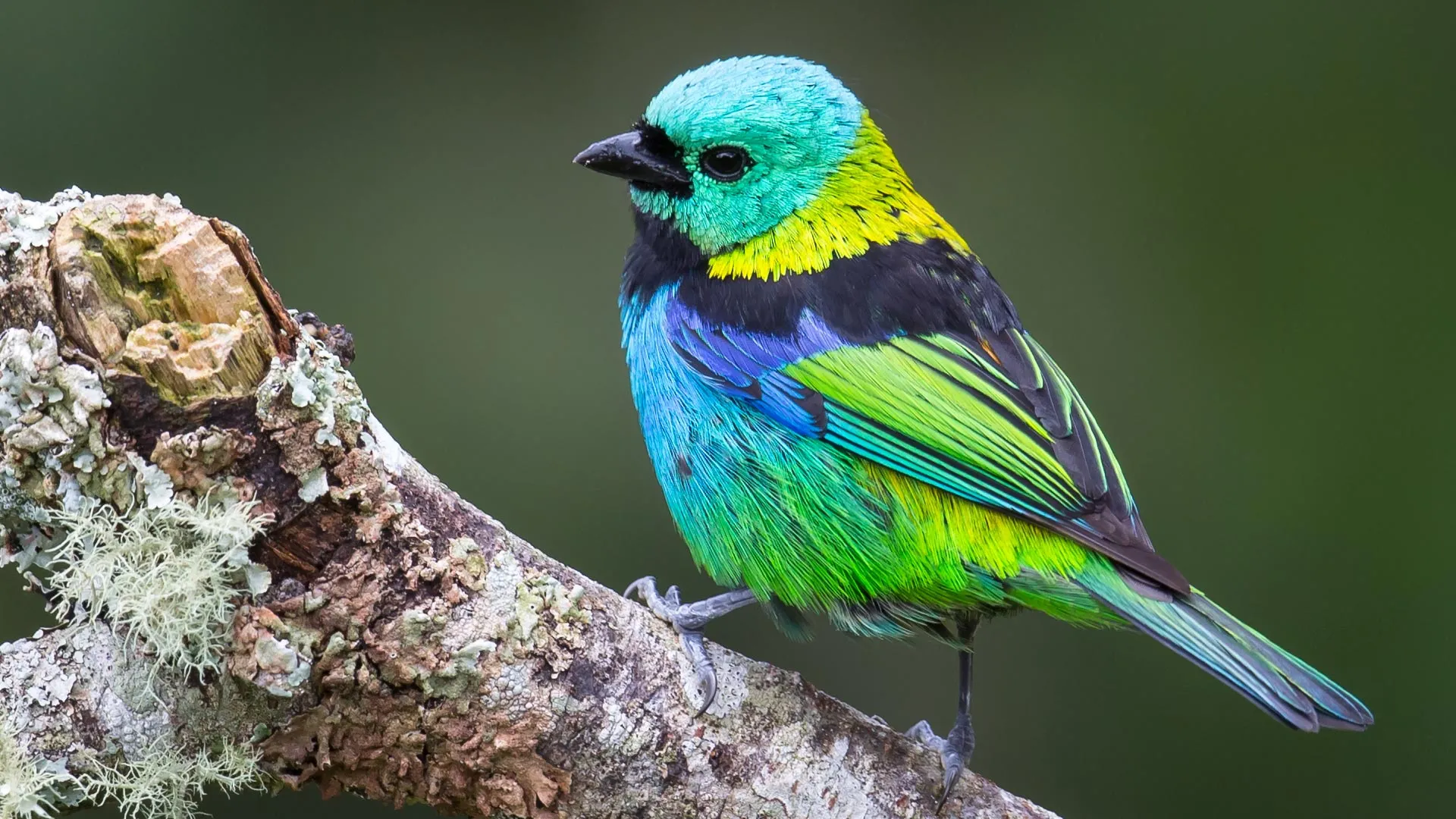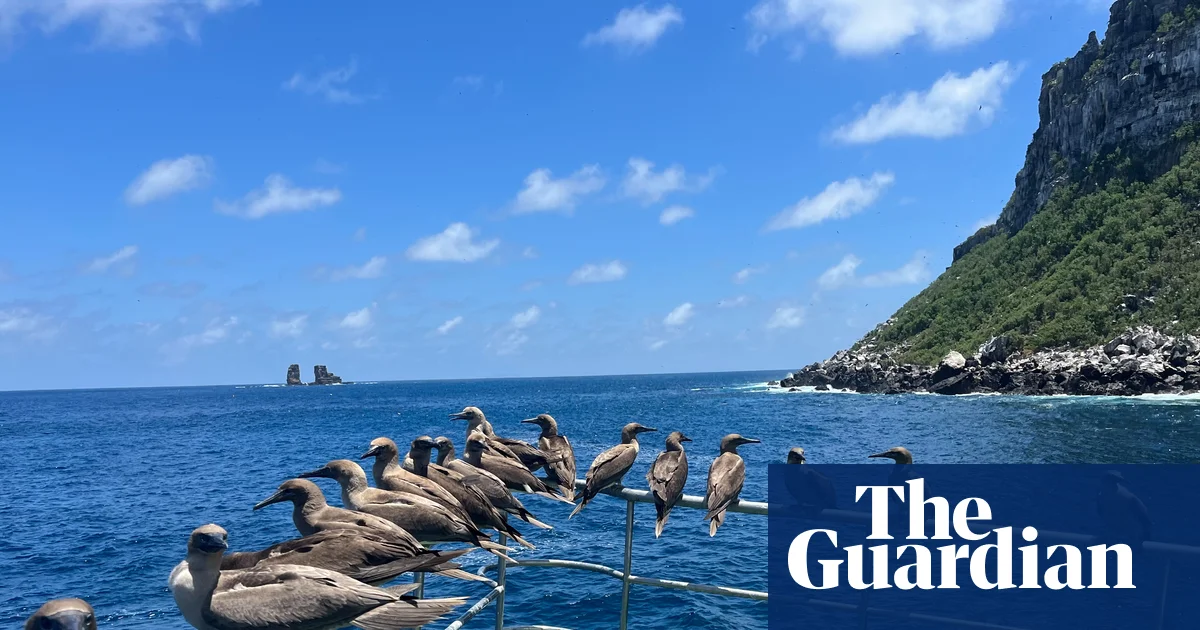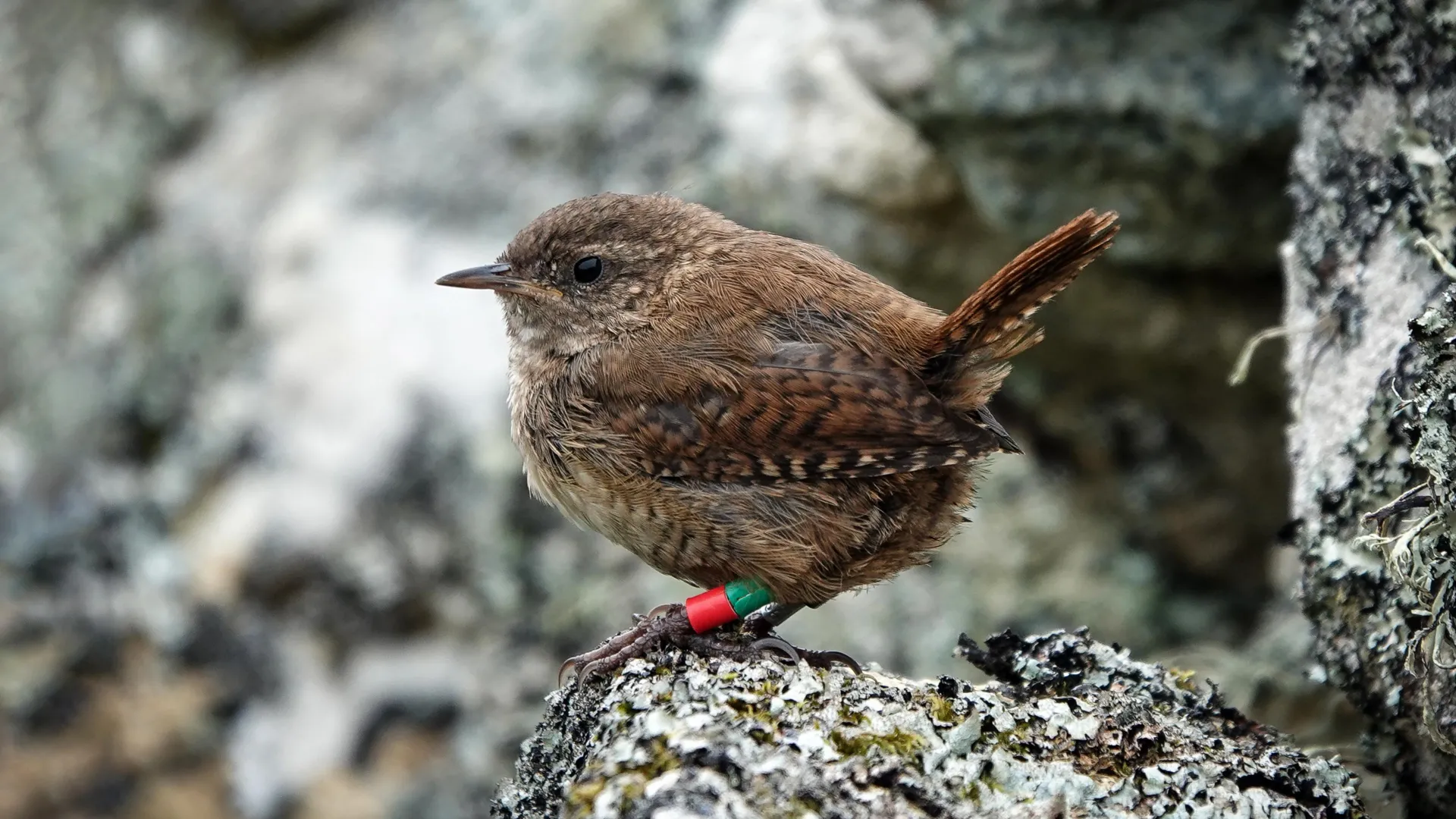
The Galápagos Islands have long been one of the most important places in the study of evolution. When Charles Darwin visited the islands in 1835 aboard the HMS Beagle, he collected a variety of birds and returned with them to England. At first, he believed the specimens included sparrows, woodpeckers, finches -- and a single tit. Scientists later determined that the birds were all closely related finches whose differently shaped beaks had evolved to suit different foods.
The finches eventually became powerful evidence for Darwin's theory of evolution by natural selection. The theory explains how populations can gradually change as individuals with traits suited to their surroundings are more likely to survive and reproduce.
The birds also demonstrate a process known as parallel evolution. In this process, organisms independently develop similar solutions to environmental challenges, even though the underlying genetic changes may be different.
Darwin's Islands Continue to Reveal Evolution
"More than 150 years after Darwin's work on the Galápagos transformed our understanding of life on Earth, these islands continue to reveal new biology," says Professor Michael D. Martin at the Norwegian University of Science and Technology's (NTNU) University Museum.