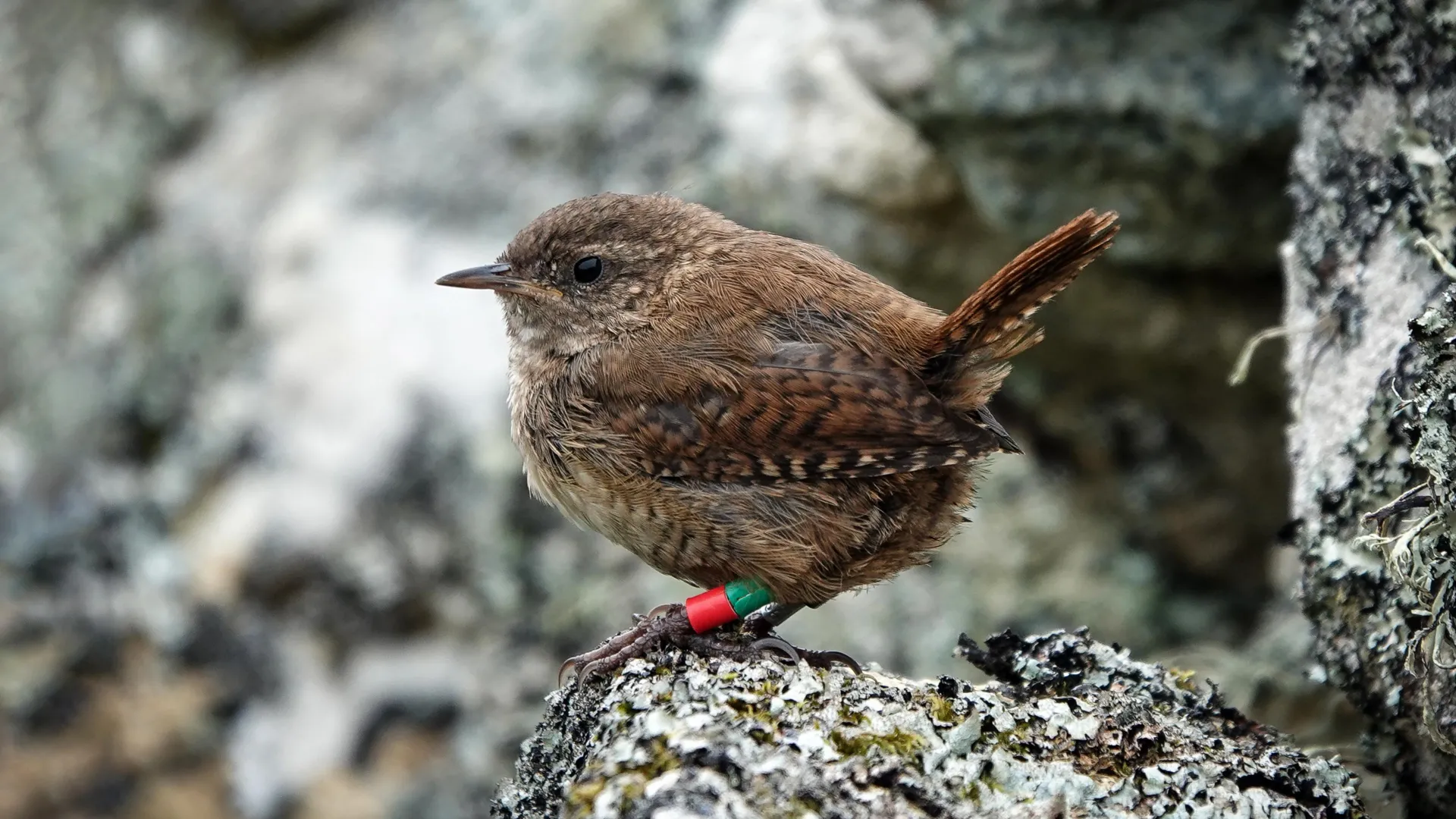
Tiny wrens living on remote Scottish islands are giving scientists a rare look at evolution in action. A new study led by researchers at the University of Birmingham found that several isolated island populations of wrens are evolving independently, with some growing dramatically larger than their mainland relatives.
The findings, published in the Evolutionary Journal of the Linnean Society, focus on four island subspecies found in Scotland: Shetland, Fair Isle, the Outer Hebrides, and St Kilda. Although these birds live in similar island environments, each population has followed its own evolutionary path.
Researchers discovered especially striking examples of "island gigantism" in wrens from Shetland and St Kilda. Island gigantism occurs when animals isolated on islands become much larger than related species on the mainland. Famous examples include the giant tortoises of the Galapagos and the extinct Dodo of Mauritius.
Giant Wrens on Remote Scottish Islands
The size differences uncovered in the study were dramatic. Wrens from mainland Britain typically weigh between 7 and 10 grams. On St Kilda, however, the birds weighed between 13 and 16 grams.