See more Daily Mail on Google - save us as a Preferred SourceBy JAKE HOLDEN, UK NEWS REPORTER Published: 01:39 BST, 29 May 2026 | Updated: 01:46 BST, 29 May 2026
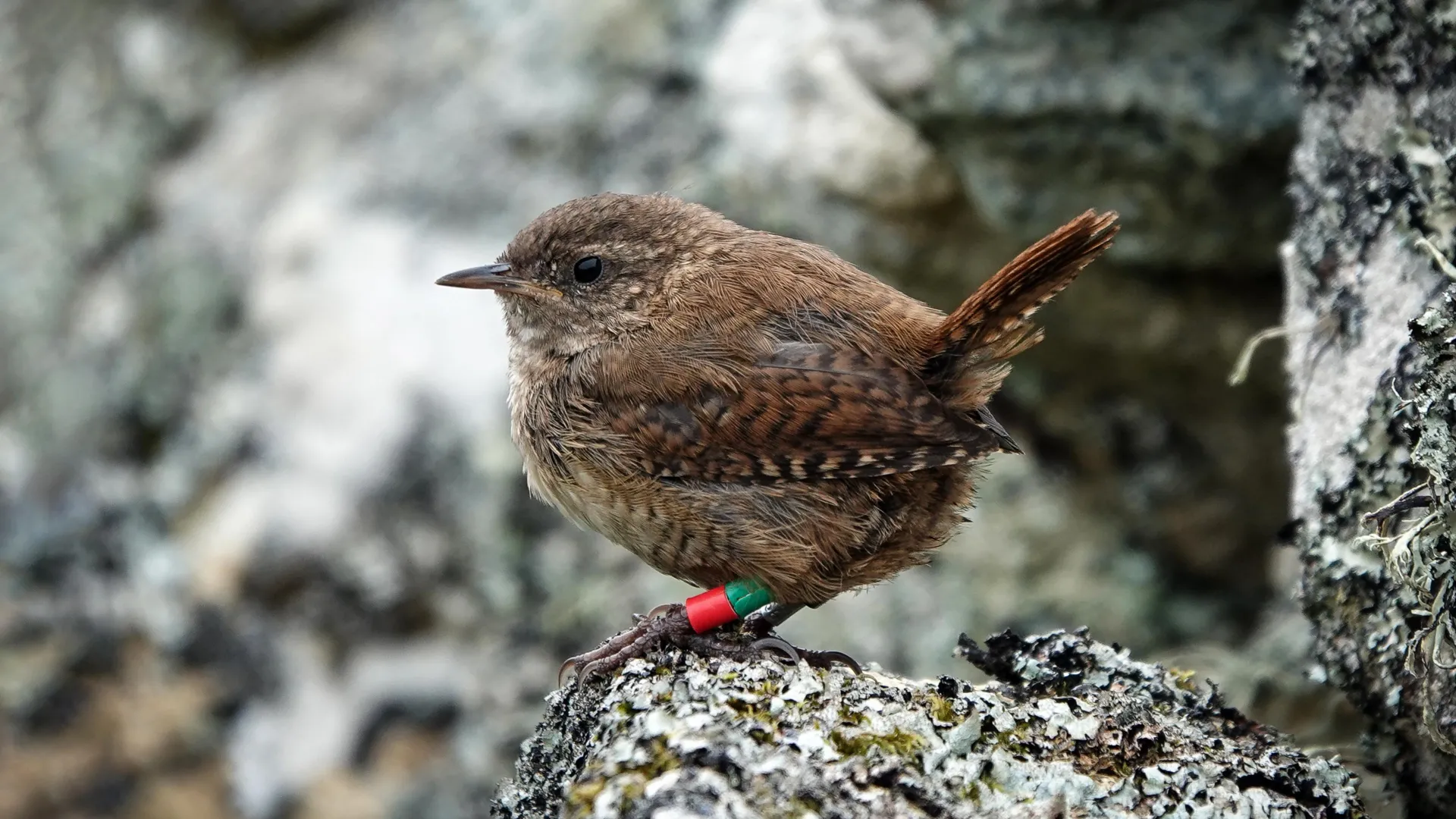
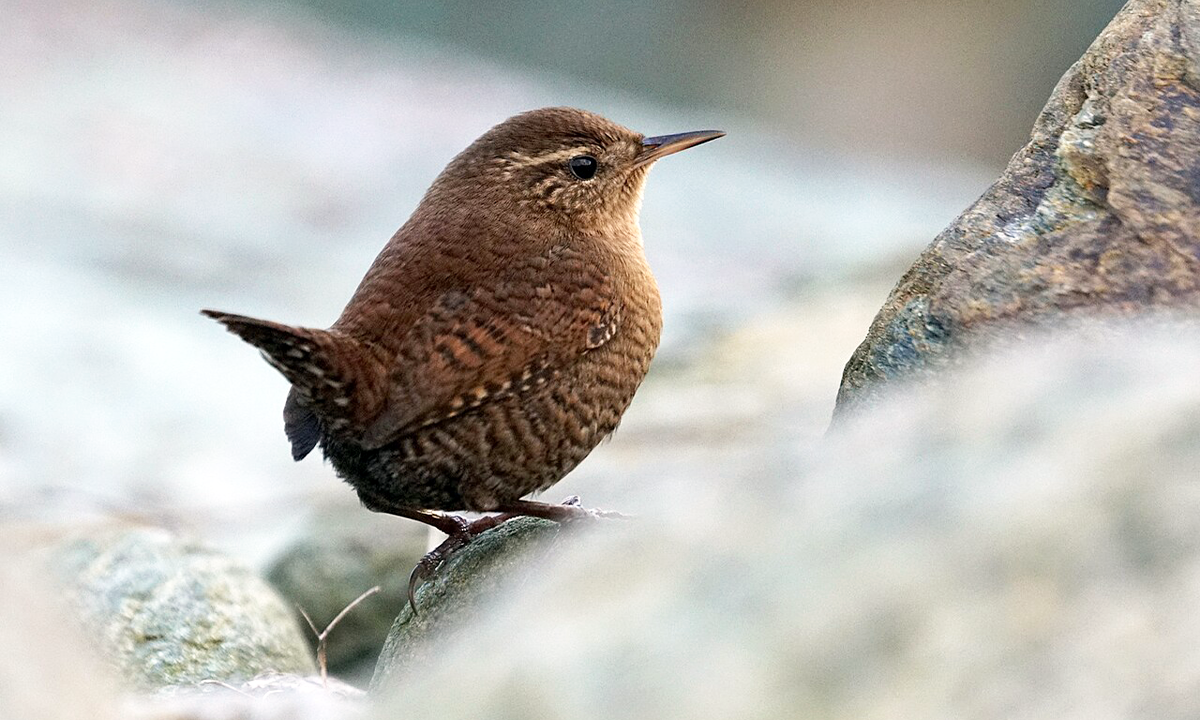
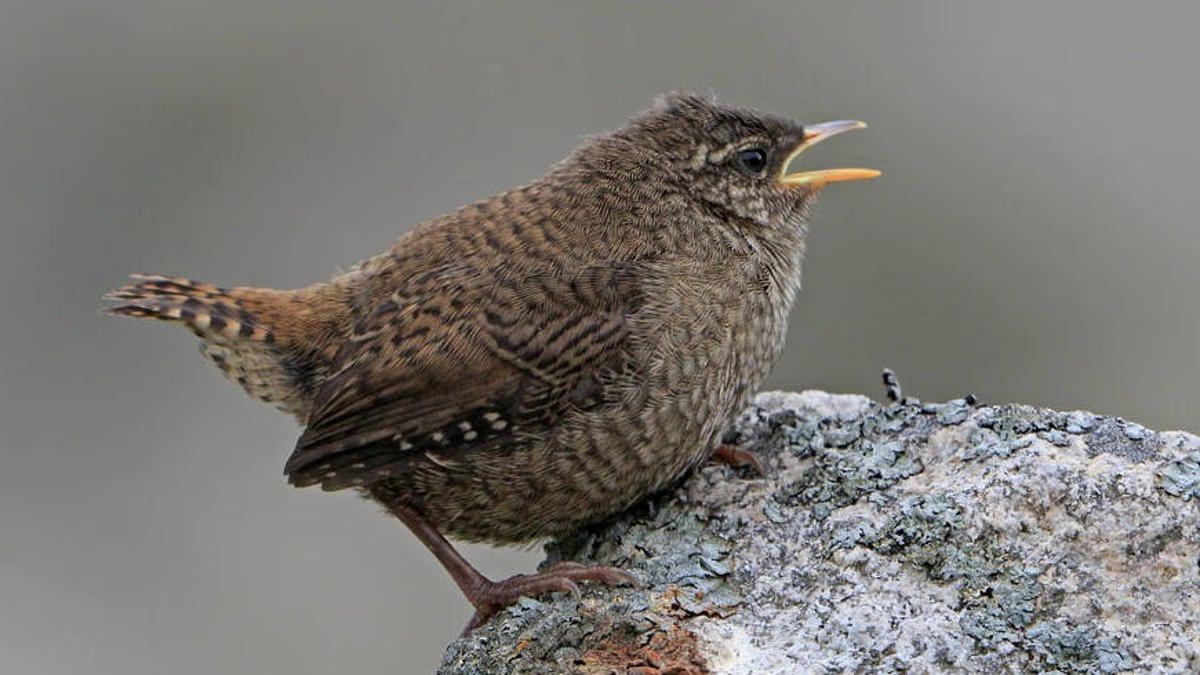
Wrens on Scottish islands are developing 'gigantism' because of a lack of predators and have grown twice the size as their mainland cousins.Shetland and St Kilda wrens are isolated and so are beginning to develop separately.In England, wrens weigh around seven to 10g, but on St Kilda, they range from 13 to 16g - more than twice the size of mainland birds.Shetland wrens are bigger at 2.9g heavier than British mainland counterparts, but not quite as massive as St Kildan wrens.Wrens on the Outer Hebrides are also nearly a gram heavier than mainlanders.The growth is known as 'island gigantism' and happens to animals in isolated environments where they are protected from predators and competition, so are allowed to thrive.Wrens are normally threatened by cats, foxes and other birds of prey like hawks and owls. Squirrels and rats often attack wren nests too.But the islands serve as a haven for all of these horrible troubles wrens face. In England, wrens weigh around seven to 10g, but on St Kilda, like this one, they range from 13 to 16g - more than twice the size of mainland birdsAnd it's not just their size that has changed, but also their calls have distinctive songs - almost like regional accents - and their plumage is different as well as their body proportions.Similar differences were seen in finches by Charles Darwin, who noticed adaptations in the isolated populations of the little birds specific to the environment on each of the islands.Dr Michał Jezierski, a biogeographer from the University of Birmingham, said on his new study of the wrens: 'Their island gigantism is a case of 'parallel evolution', where a similar original population - probably colonists from the British mainland - made it to each island archipelago, and then independently evolved to become island giants.'Dr Jezierski continued: 'We found that all four Scottish wren subspecies are genetically distinct from the wrens of mainland Britain; with the wrens of Shetland and St Kilda being especially distinct in both appearance and song.'Their genetic distinctiveness is so high that it is likely they are on their way to becoming a new species.'This 'island gigantism' phenomenon is seen all over the world, like Komodo dragons in Indonesia, the giant weta - the world's biggest cricket - or, back on the Galapagos, giant tortoises. Larger animals tend to become smaller when isolated, like dwarf elephants that existed in Sicily and Malte during the Pleistocene period (2.6 million to 11,700 years ago).Even tiny humans existed - Homo florensiensis - who stood just 3ft 6in tall and lived in Indonesia around 50,000 years ago.Researchers looked at wrens on Shetland, Fair Isle, the Outer Hebrides, and St Kilda - recording their songs, weight and measurements and even taking their genomes to compare them to mainland birds. It's not just their size that has changed, but also their calls have distinctive songs - almost like regional accents - and their plumage is different as well as their body proportionsFair Isle was the only population not significantly different from the mainland wrens. But each island had its own genetically distinct populations - Shetland and St Kilda being the most different from the mainland.Will Smith, from the University of Nottingham and a co-author of the study, said: 'Our research suggests that islands with similar environments can produce similar evolutionary outcomes using different genetic pathways.'The wrens of Scotland provide us with a powerful case study to understand the mechanisms by which island biodiversity is generated worldwide.'The research was published in the Evolutionary Journal of the Linnean Society.