Network firewalls are the workhorses of modern cybersecurity. They are trusted to protect the network, blocking malicious traffic and preventing intrusions and breaches. And for decades, network security teams have built controls around a relatively stable model: users connect to applications, applications exchange data, and security tools inspect packets, protocols, and destinations. Firewalls became exceptionally good at understanding where traffic was going and whether it should be allowed.
But just as AI is reshaping every aspect of the business world, it's also had a monumental impact on how security teams view network traffic and the firewall.
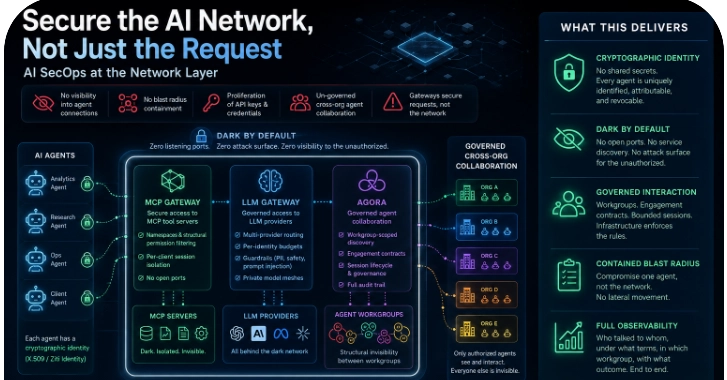
AI is driving new network dynamics that traditional security policies were never designed to govern. Employees, applications, and agents send prompts, call models, connect to services, and trigger actions across the environment, all activity most firewalls can't see, let alone understand. AI agents interact with external services, retrieve information, execute actions, and increasingly communicate with other agents autonomously.
Reinventing the Firewall for the AI Era
The network is the central hub for AI use and the one control point where it can be secured in real time. And this new reality calls for a new kind of network security rooted in AI and designed to protect your network from today's ever dynamic threat landscape.