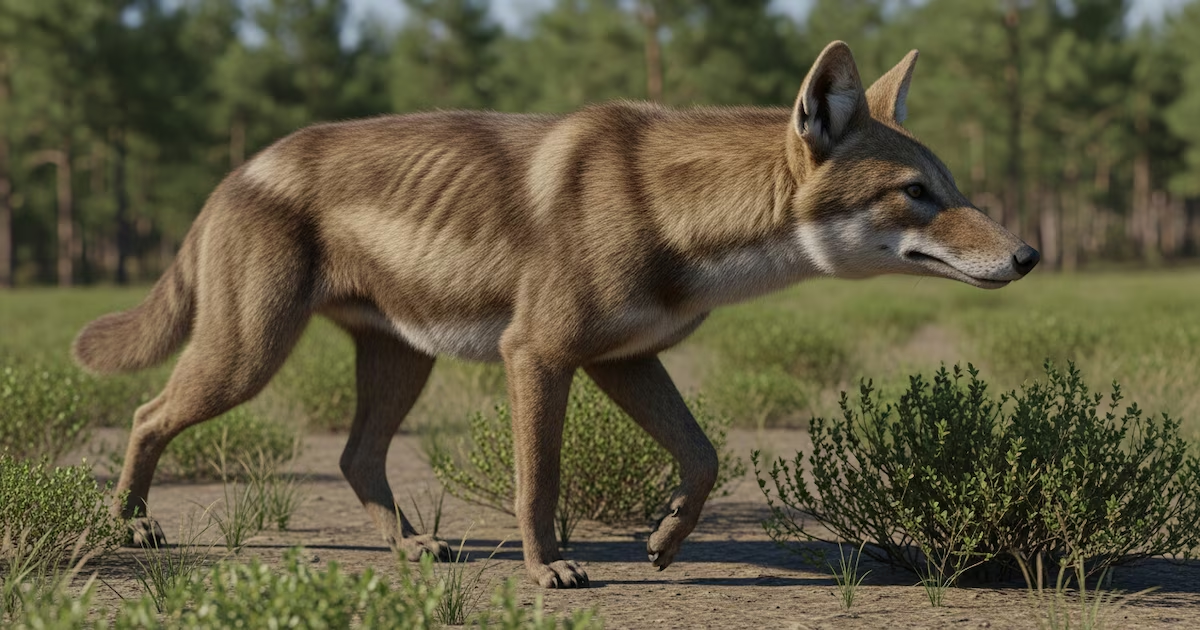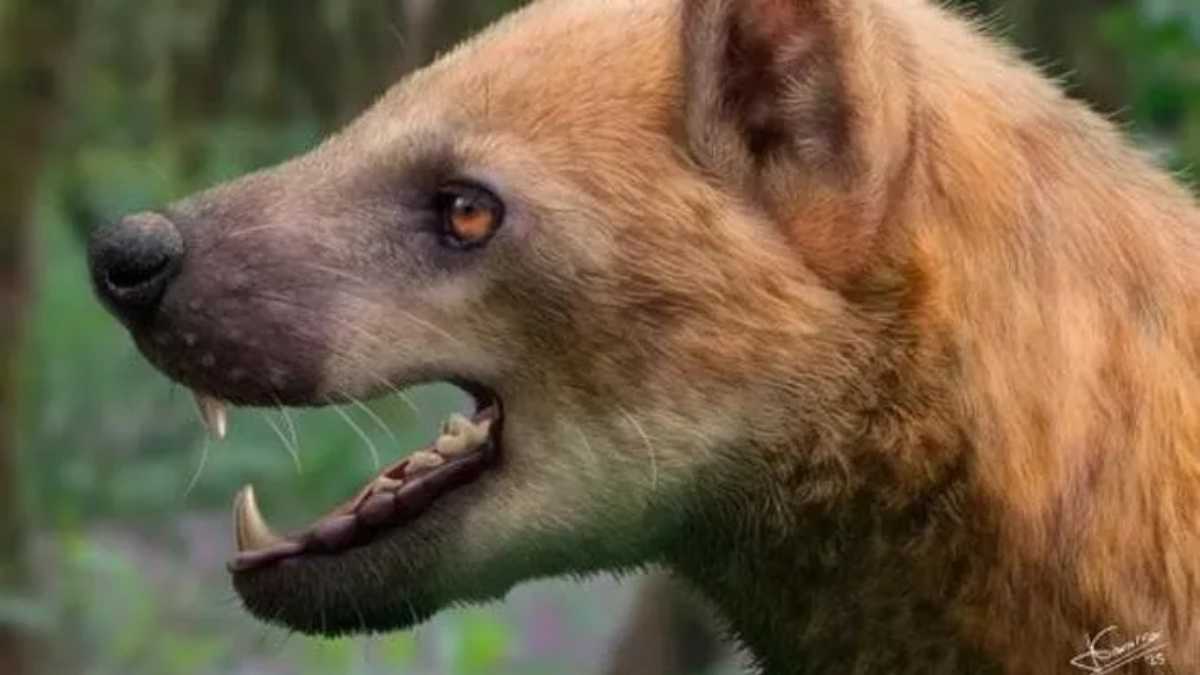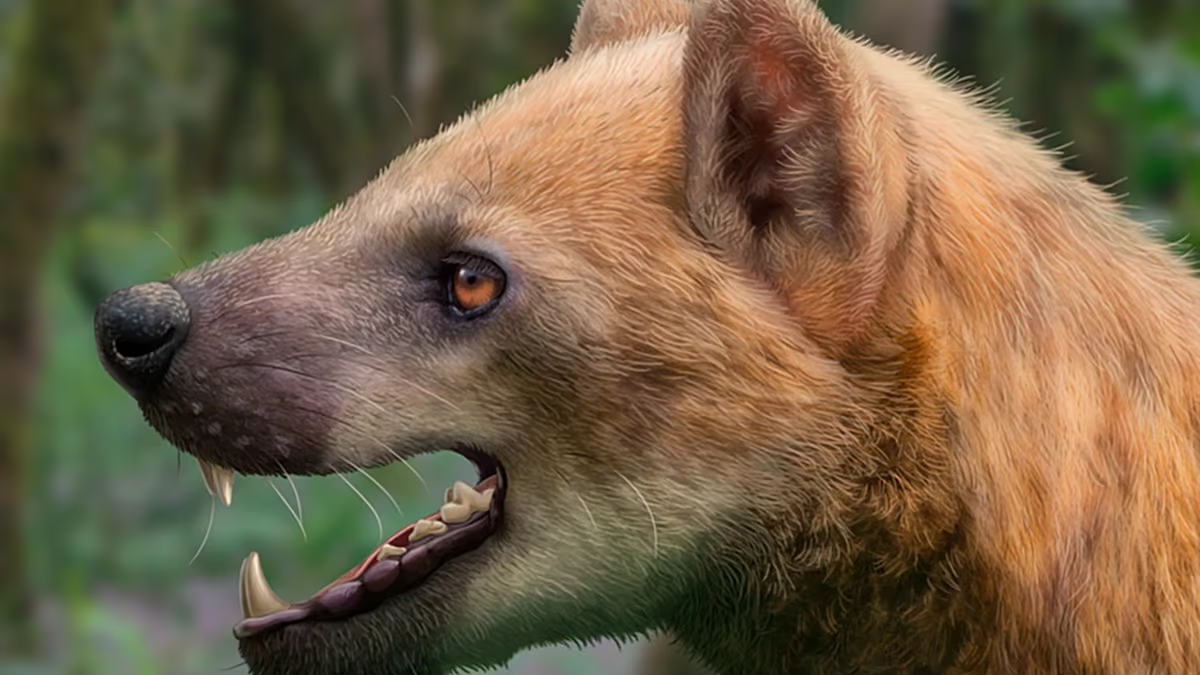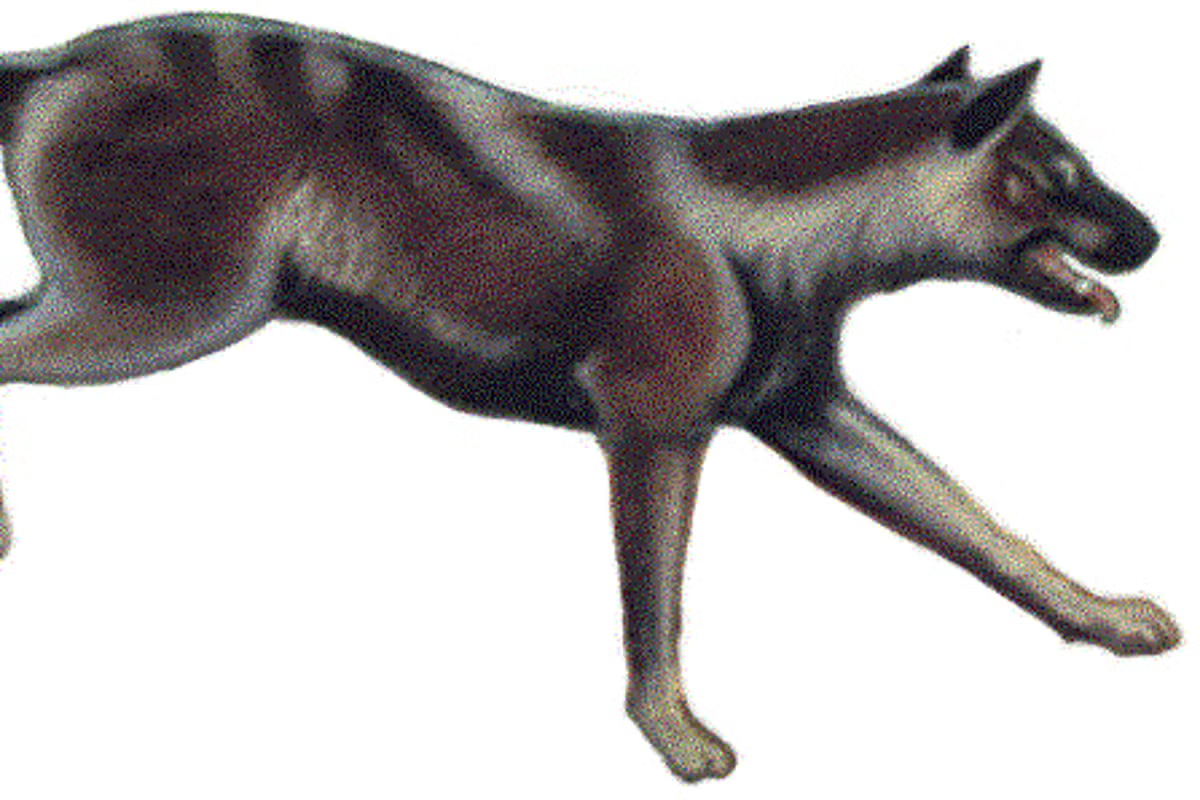
Jump to contentThank you for registeringPlease refresh the page or navigate to another page on the site to be automatically logged inPlease refresh your browser to be logged inAllNewsSportCultureLifestyleA fossil in an Oregon museum, which was previously misidentified, has been confirmed as the most complete remains of a pre-Ice Age dog, Mesocyon coryphaeus, dating back over 30 million years. Palaeontologists from the University of Michigan said that this prehistoric canid was shorter and stockier than modern dogs and not adapted for running. Further analysis of the Mesocyon fossil revealed it could rotate its forearms for grappling and climbing, and occasionally walked heel-down. The fossil included a baculum (penis bone), confirming the specimen was male, and an osteochondroma, a hereditary bone growth found in early dog fossils. This specific lineage of prehistoric dogs, which emerged about 10 million years after the first canids, eventually went extinct.In fullUnique and nearly-complete fossil from 30 million years ago found to be of early dogMore bulletinsThank you for registeringPlease refresh the page or navigate to another page on the site to be automatically logged inPlease refresh your browser to be logged in
Mystery museum fossil finally confirmed as pre-Ice Age dog
Jump to contentThank you for registeringPlease refresh the page or navigate to another page on the site to be automatically logged inPlease refresh your browser to be logged inAllNewsSportCultureLifestyleA fossil in an Oregon museum, which was previously misidentified, has been confirmed as the most complete remains of a pre-Ice Age dog, Mesocyon coryphaeus, dating back over 30 million years. Palaeontologists from the University of Michigan said that this prehistoric canid was shorter and stockier than modern dogs and not adapted for running. Further analysis of the Mesocyon fossil revealed it could rotate its forearms for grappling and climbing, and occasionally walked heel-down. The fossil included a baculum (penis bone), confirming the specimen was male, and an osteochondroma, a hereditary bone growth found in early dog fossils. This specific lineage of prehistoric dogs, which emerged about 10 million years after the first canids, eventually went extinct.In fullUnique and nearly-complete fossil from 30 million years ago found to be of early dogMore bulletinsThank you for registeringPlease refresh the page or navigate to another page on the site to be automatically logged inPlease refresh your browser to be logged in