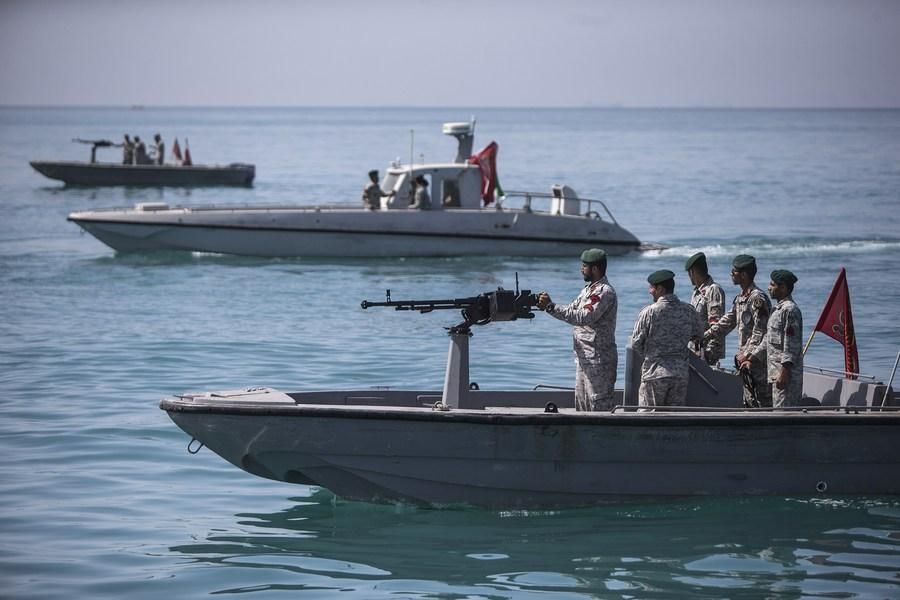
Iranian soldiers patrol the Strait of Hormuz in southern Iran
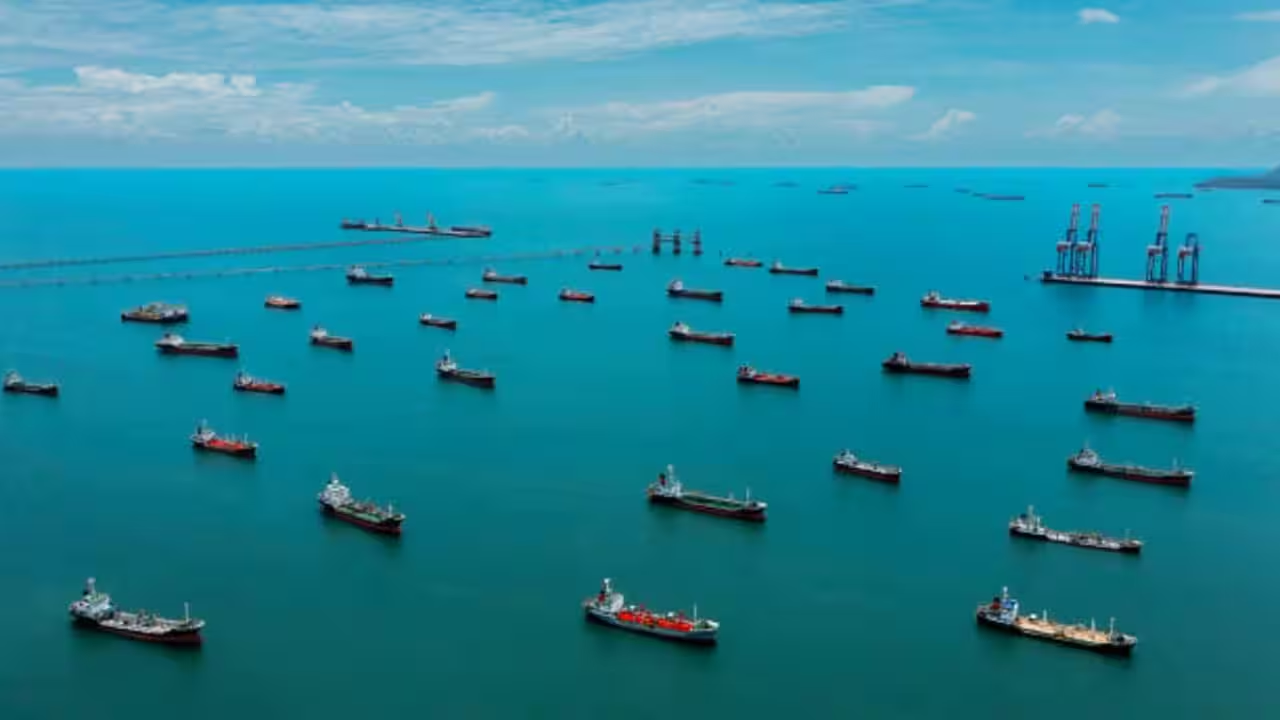
For as long as most of us have been alive, the Strait of Hormuz has been treated as a fact of nature. A, narrow strip of water that a fifth of the world's oil simply had to pass through, war or no war, because there was no real alternative. That assumption died on February 28, 2026. It won't be resurrected, no matter how this war ends.
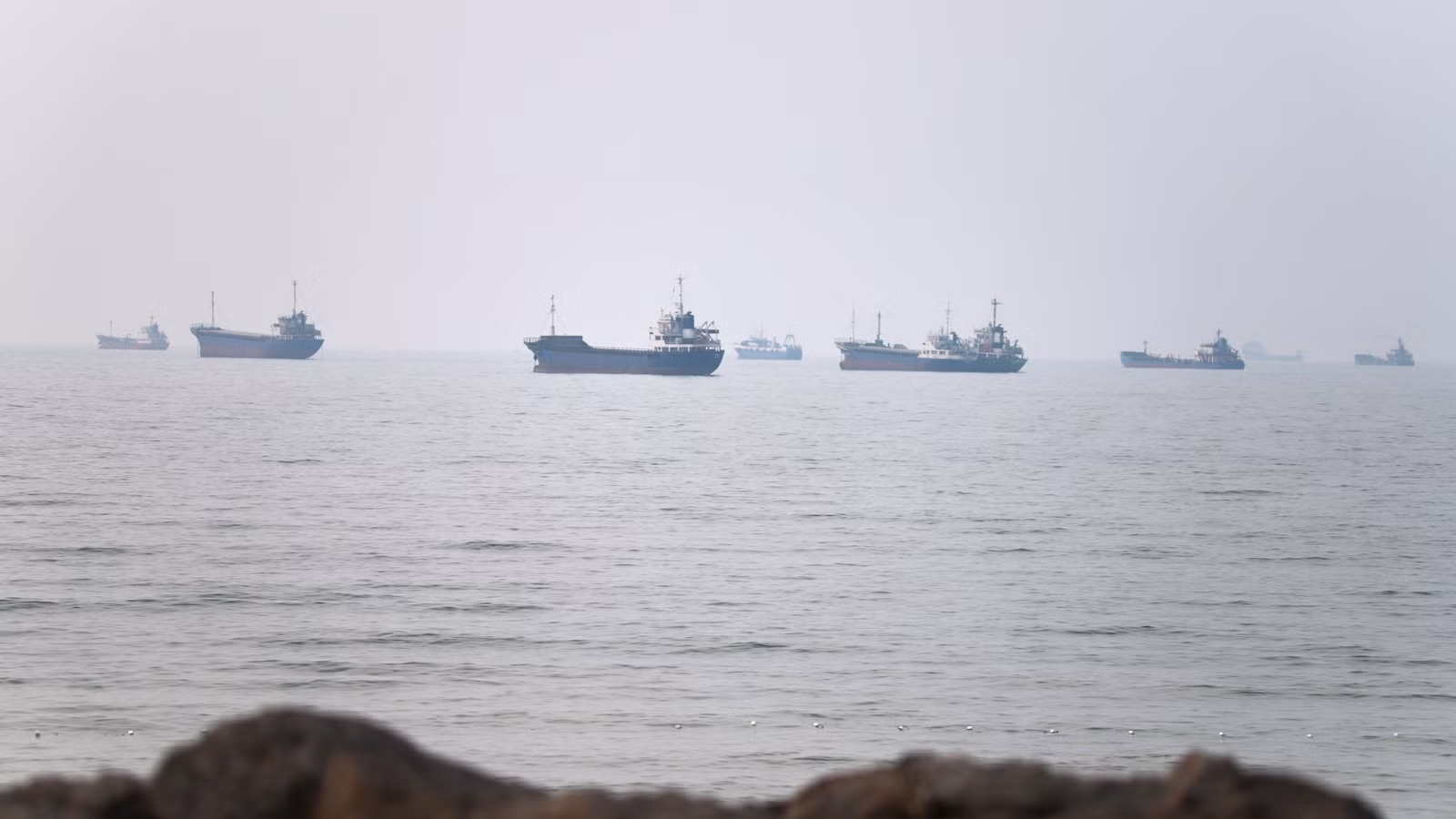
This week's news out of Tehran makes that plainer than almost anything else could. Iran has rejected Oman's proposal for joint management of the strait, a plan modelled on the Strait of Malacca, where Indonesia, Malaysia and Singapore share responsibility and collect voluntary fees. Iran wants sole control of the inbound route and much of the outbound one too, and says a 50-50 arrangement with a neighbour it otherwise respects "would not serve Iran's interests." Meanwhile the IRGC says it stopped three tankers this week for taking an "unsafe" route, missiles are flying at Jordan and at Iran-backed positions in Iraq, and oil jumped another $3 a barrel on the news.
The strait itself will eventually reopen in some form, because no country, including Iran, can permanently survive without the revenue and trade that flow through it. But its old role as the world's single indispensable oil chokepoint is already finished. What replaces it isn't a return to normal. It's a slower, messier, more expensive version of the global oil map that spent decades treating Hormuz as a fixed cost of doing business.