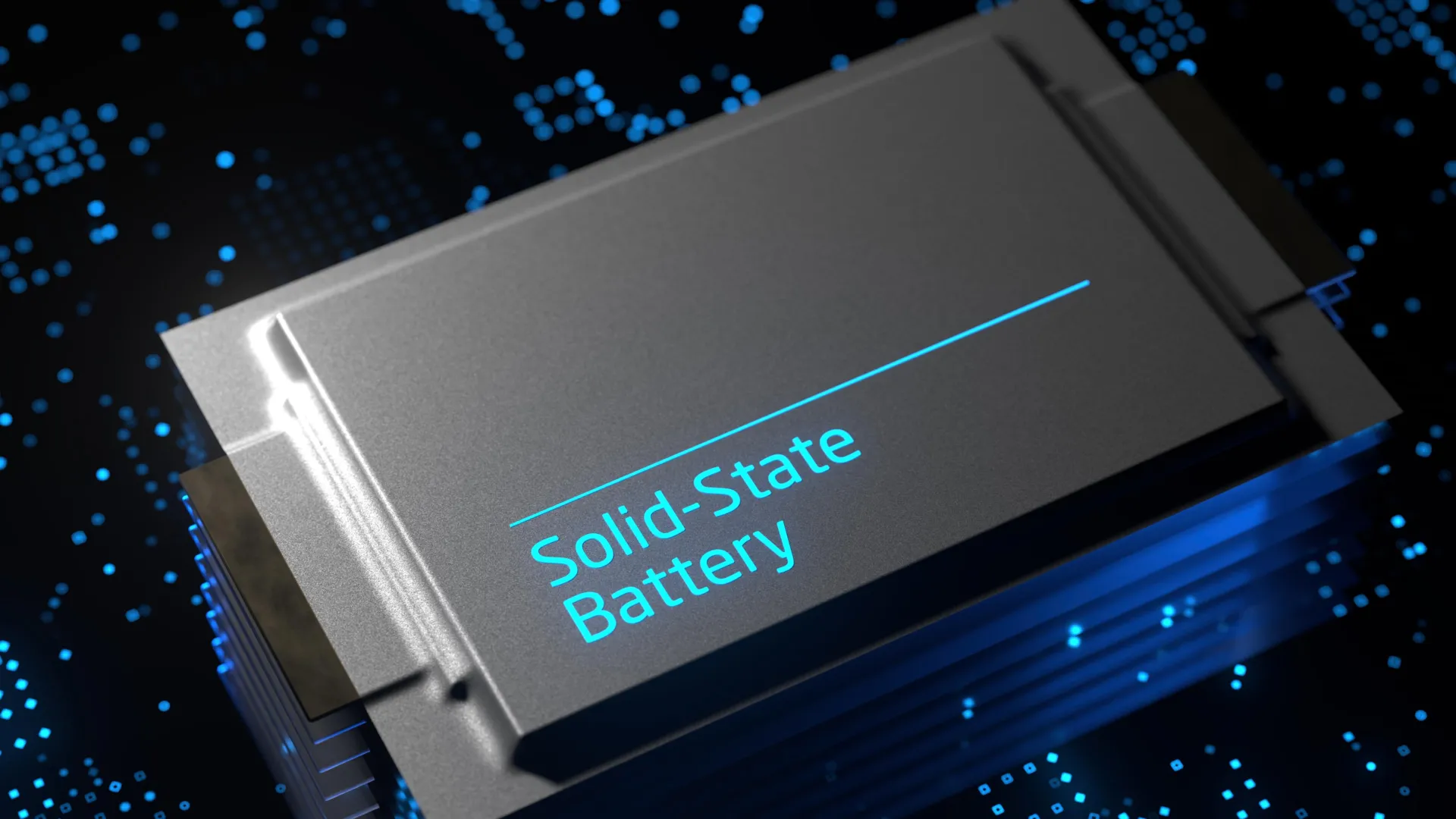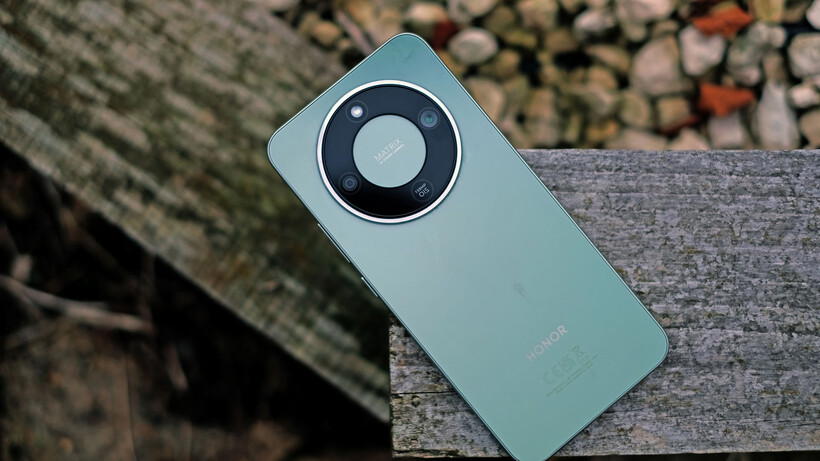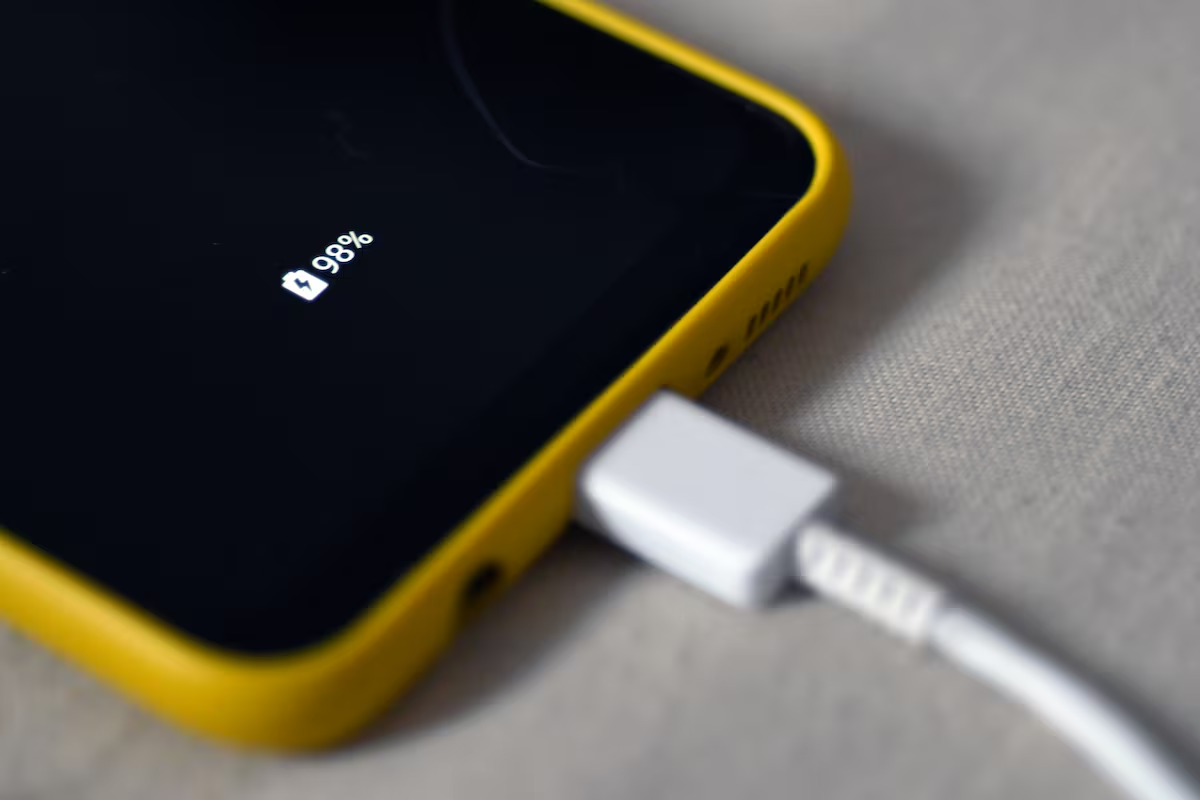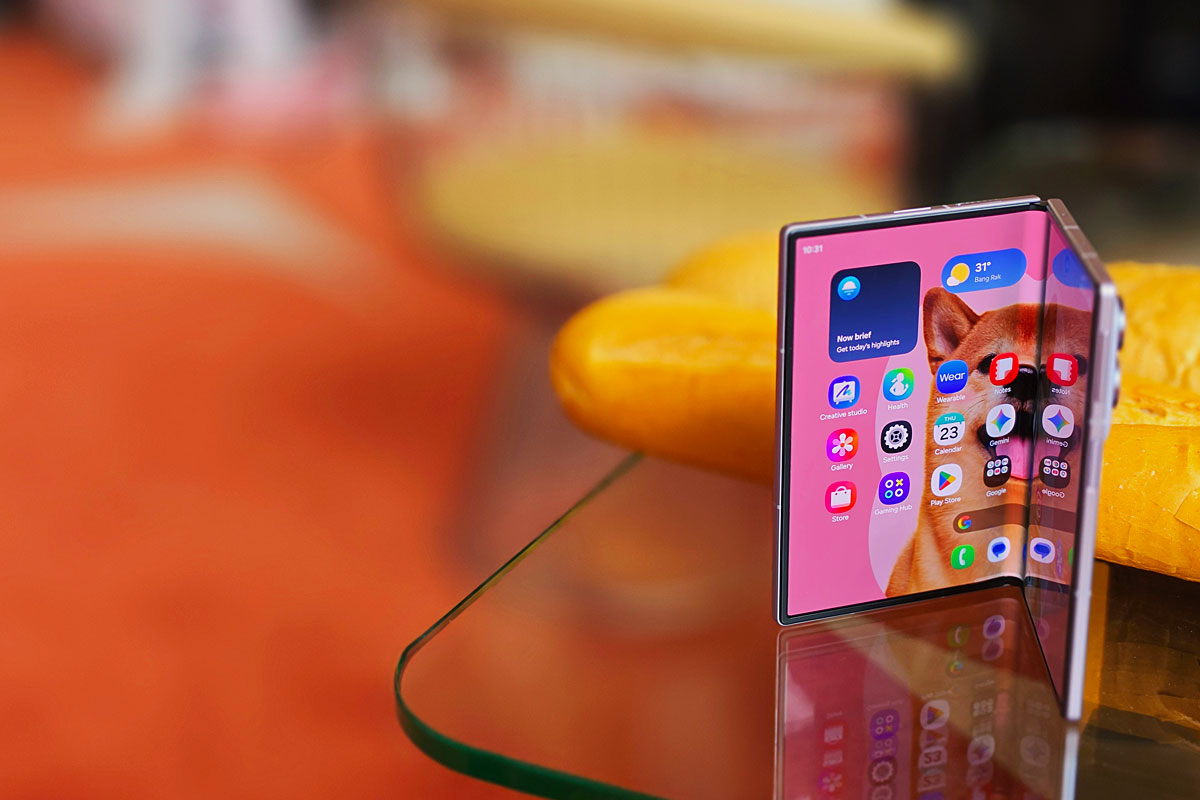
The era of battery anxiety could soon be ending as silicon-carbon batteries make their way into smartphones, electric vehicles and other everyday devices. The new technology promises longer usage times, faster charging and slimmer designs, offering welcome relief for anyone who has ever watched a phone battery fade away while trapped in Bangkok traffic.
For more than a decade, lithium-ion batteries have powered modern life. Their reliability helped fuel the smartphone revolution, but the technology has been approaching its limits. Traditional batteries rely heavily on graphite to store energy, leaving engineers searching for a way to pack more power into the same amount of space.
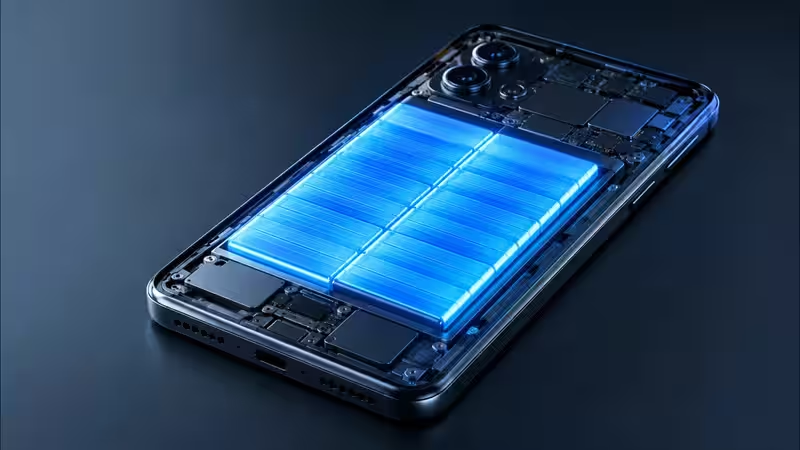
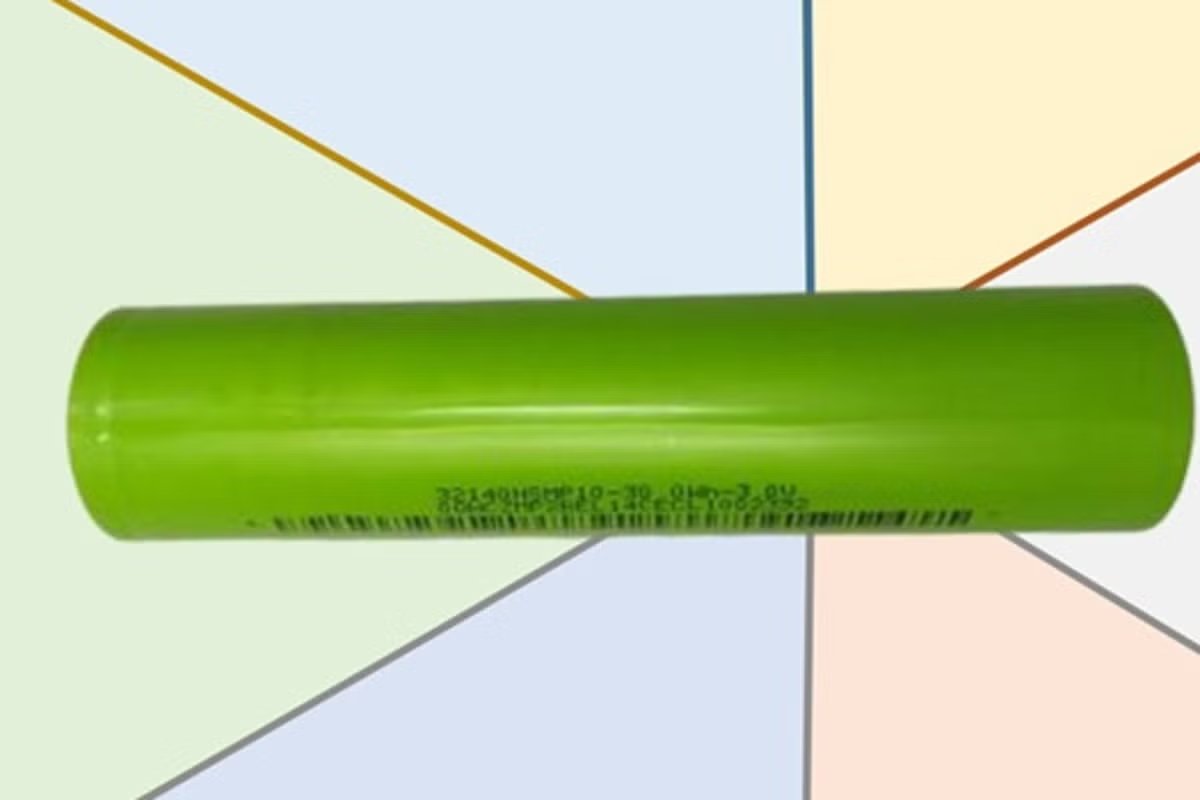
The breakthrough comes from silicon, a material capable of storing far more energy than graphite. Silicon-carbon batteries offer massive energy storage in slim designs. This breakthrough builds upon traditional lithium-ion technology. Swapping out standard graphite anodes for a mixture rich in silicon allows the new power cells to trap significantly more energy. This allows devices to either pack vastly more power into the same physical space or shrink in size without sacrificing longevity.
Consumers will notice an immediate difference through expanded usage times and better fast-charging capabilities. Manufacturers can now equip their devices with enormous batteries reaching 6,000 milliampere-hours (mAh) or more. They can achieve this incredible capacity without making phones thicker or heavier.