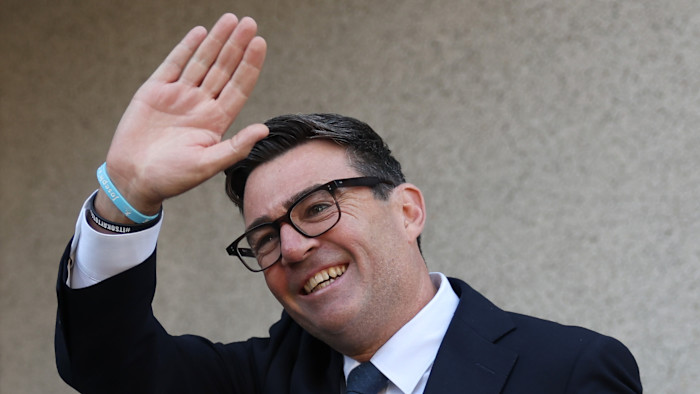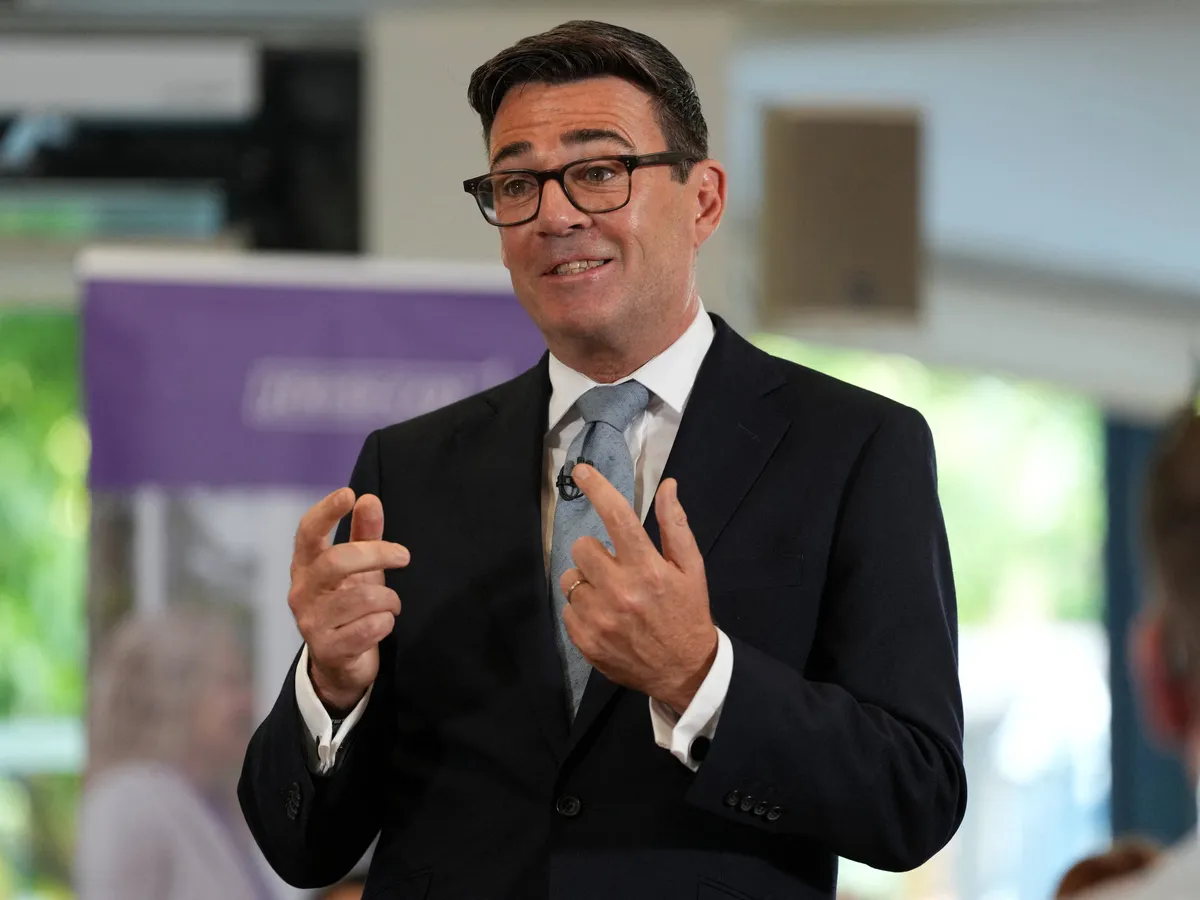
Skip to Content News Archives Economy Energy Oil & Gas Renewables Electric Vehicles Mining Commodities Agriculture Real Estate Mortgages Mortgage Rates Finance Banking Insurance Fintech Cryptocurrency Work Wealth Smart Money Wealth Management Investor Personal Finance Family Finance Retirement Taxes High Net Worth FP Comment Executive Women Puzzmo Newsletters Financial Times Business Essentials More Innovation Information Technology FP500 Podcasts Small Business Lives Told Tails Told Shopping Financial Post Store Obituaries Place a Notice Advertising Advertising With Us Advertising Solutions Postmedia Ad Manager Sponsorship Requests Classifieds Place a Classifieds ad Working Profile Settings My Subscriptions Saved Articles My Offers Newsletters Customer Service FAQ News Economy Energy Mining Real Estate Finance Work Wealth Investor FP Comment Executive Women Puzzmo Newsletters Financial Times Business Essentials HomeFP CommentWilliam Watson: A couple of things we could learn from the BritishThey're taking a more balanced view of the labour market and when parliamentary seats fall vacant they call their byelections very fastLast updated 53 minutes ago You can save this article by registering for free here. Or sign-in if you have an account.Britain's Prime Minister Andy Burnham delivers a speech as he visits social care organization Jewish Care in north west London on July 29, 2026. Photo by Kirsty Wigglesworth/POOL/AFP via Getty ImagesBlack-clad and tie-less like Volodymyr Zelenskyy, whom he met with this week, new British Prime Minister Andy Burnham says he’s dropping former prime minister Tony Blair’s target of getting half of young Brits to attend university. And he wants to destigmatize the trades. Good for him! All hard, honest work should be honoured.Subscribe now to read the latest news in your city and across Canada.Exclusive articles from Barbara Shecter, Joe O'Connor, Gabriel Friedman, and others.Daily content from Financial Times, the world's leading global business publication.Unlimited online access to read articles from Financial Post, National Post and 15 news sites across Canada with one account.National Post ePaper, an electronic replica of the print edition to view on any device, share and comment on.Daily puzzles, including the New York Times Crossword.Subscribe now to read the latest news in your city and across Canada.Exclusive articles from Barbara Shecter, Joe O'Connor, Gabriel Friedman and others.Daily content from Financial Times, the world's leading global business publication.Unlimited online access to read articles from Financial Post, National Post and 15 news sites across Canada with one account.National Post ePaper, an electronic replica of the print edition to view on any device, share and comment on.Daily puzzles, including the New York Times Crossword.Create an account or sign in to continue with your reading experience.Access articles from across Canada with one account.Share your thoughts and join the conversation in the comments.Enjoy additional articles per month.Get email updates from your favourite authors.Create an account or sign in to continue with your reading experience.Access articles from across Canada with one accountShare your thoughts and join the conversation in the commentsEnjoy additional articles per monthGet email updates from your favourite authorsSign In or Create an AccountorAfter 40 years of university teaching I do still believe in the mission: getting people to think critically — especially, these days, about “critical theory,” which is causing so much trouble in our politics. But prolonged post-adolescent study is not for everyone. And it’s no longer, if it ever was, a guarantee of an interesting, high-paying job. So let a hundred education pathways bloom.The danger is that Burnham replaces pro-university policies with pro-trades ones. You hear lots of people saying, as he does, that AI means the trades will be even more important in future. Maybe, maybe not. The thing about fundamental social transformations is that although everything about them is crystal clear in hindsight, those living through them, i.e., us with AI, haven’t any real clue how it will all work itself out. (Hands up if, 20 years ago, you saw “influencers” coming.)Get the latest headlines, breaking news and columns.By signing up you consent to receive the above newsletter from Postmedia Network Inc.A welcome email is on its way. If you don't see it, please check your junk folder.The next issue of Top Stories will soon be in your inbox.We encountered an issue signing you up. Please try againIt would be hard for them, I know, but policy-makers should admit they’re clueless, keep labour markets flexible, make sure national statistical agencies provide good data on who’s making how much under what working conditions, and help people finance — but don’t pay for outright — the education or training that gets them where they themselves choose to try to go. If the trades really do flourish under AI, that will show up in trades’ incomes, which young people looking for income will notice and pursue — so long as income taxes don’t eliminate the gains from working hard.Apart from Burnham’s basic black, another current fashion choice in Britain is aluminum. It’s being worn by Count Binface, a political satirist whose real name is Jonathan Harvey. “Bin” is English for “garbage can,” which is what Harvey dresses as. He is the principal opponent of Reform UK Party Leader Nigel Farage in a byelection in Farage’s riding of Clacton, in Essex, northeast of London. The byelection was prompted when Farage resigned so as to let his voters decide whether various charges about unconventional financial contributions should disqualify him from sitting in parliament. When the other major parties decided to deny him a publicity platform by not running candidates against him, Harvey emerged as the main challenger.Satire’s great, obviously, but for Canadians what’s really interesting about this byelection is that Farage resigned his seat July 7 and the vote is Aug. 13 — just 37 days later.We’re having three byelections on Aug. 31. They are 55 days, 87 days and 123 days after the events that precipitated them (which were, respectively, an appointment to the Senate, a resignation and an appointment to an ambassadorship). Yes, we’re a larger country than the U.K. and so much of our communication still takes place by pony express, but why can’t we do things as promptly as the Brits do? Our rules say the government can wait up to six months before calling a byelection. Why not require it be done right away? Prime ministers have so much power to manage politics in their own interest couldn’t we at least remove this little bit of discretion about timing?In the U.S. they say “money is the mother’s milk of politics.” In Canada, the upcoming byelections show, politics is the mother of milk money. The Liberal candidate in the Chicoutimi-Le Fjord byelection is, as Catherine Lévesque reports, a dairy farmer who served as president of both Les Producteurs de lait du Québec and Les Producteurs de lait du Saguenay-Lac-Saint-Jean. Meanwhile, the Bloc Québécois candidate in the riding of Saint-Hyacinthe-Bagot-Acton, whose MP announced his resignation May 29, effective June 19, though a byelection still hasn’t been called, is a former executive for the International Dairy Federation and the Dairy Farmers of Canada.Given these candidates, and given Liberal ambitions in Quebec, how likely is it that Ottawa makes even the slightest concession on supply management as it tries — very, very hard, it keeps telling us — to get a CUSMA deal with the Americans, who, quite understandably, don’t like our triple-digit tariffs on dairy products? Quebec dairy farmers clearly know where their butter is bred: politics. The cows aren’t the only dumb animals they’ve been milking.Finally, in British politics, I read in London’s Daily Telegraph that Prime Minister Mark Carney took time out of his busy travel schedule to tweet congratulations to County Mayo, his ancestral seat, on having finally won the All-Ireland Football (i.e., soccer) championship after 75 years of a supposed curse against it.Though he’s the best known, Donald Trump isn’t the only world leader who takes time to comment on virtually everything. They all do it now. Does Carney post his own tweets or, like Trump, does he have someone do it for him? If so, shouldn’t every tweet tell us who it was “curated” by? The world might care (even) less about our leader’s every thought if it emerged they had been through curation. Join the Conversation This website uses cookies to personalize your content (including ads), and allows us to analyze our traffic. Read more about cookies here. By continuing to use our site, you agree to our Terms of Use and Privacy Policy.
William Watson: A couple of things we could learn from the British
The British are taking a balanced view of the labour market & when parliamentary seats fall vacant they call their byelections fast. Read on
1,387 words~6 min read