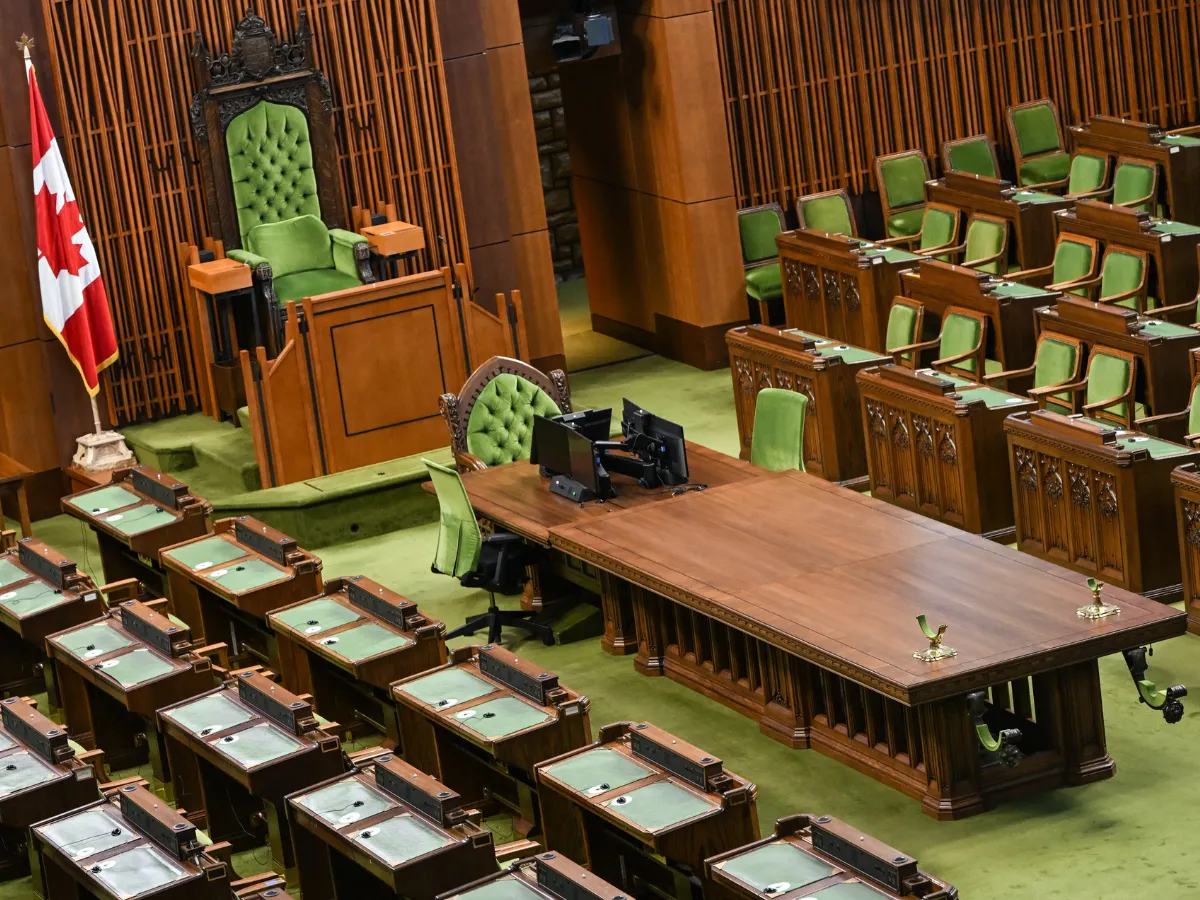
Skip to Content News Archives Economy Energy Oil & Gas Renewables Electric Vehicles Mining Commodities Agriculture Real Estate Mortgages Mortgage Rates Finance Banking Insurance Fintech Cryptocurrency Work Wealth Smart Money Wealth Management Investor Personal Finance Family Finance Retirement Taxes High Net Worth FP Comment Executive Women Puzzmo Newsletters Financial Times Business Essentials More Innovation Information Technology FP500 Podcasts Small Business Lives Told Tails Told Shopping Financial Post Store Obituaries Place a Notice Advertising Advertising With Us Advertising Solutions Postmedia Ad Manager Sponsorship Requests Classifieds Place a Classifieds ad Working Profile Settings My Subscriptions Saved Articles My Offers Newsletters Customer Service FAQ News Economy Energy Mining Real Estate Finance Work Wealth Investor FP Comment Executive Women Puzzmo Newsletters Financial Times Business Essentials HomeFP CommentWilliam Watson: Why we need 'Econ for MPs'Ideas like rent control remain alarmingly popular, even among people who should know better, despite breaking the basic laws of economicsLast updated 0 minutes ago You can save this article by registering for free here. Or sign-in if you have an account.Interior of the House of Commons in the West Block on Parliament Hill, Ottawa, Ontario, Canada, on March 8, 2025. Photo by Artur Widak/NurPhoto via Getty ImagesNew MPs are run through a “members’ orientation program” in which they learn about House of Commons procedures, their financial resources, administration, ethics, disclosure and so on. No doubt, like judges, they also get DEI training, so they can stand on guard against systemic ills of one kind or another. Subscribe now to read the latest news in your city and across Canada.Exclusive articles from Barbara Shecter, Joe O'Connor, Gabriel Friedman, and others.Daily content from Financial Times, the world's leading global business publication.Unlimited online access to read articles from Financial Post, National Post and 15 news sites across Canada with one account.National Post ePaper, an electronic replica of the print edition to view on any device, share and comment on.Daily puzzles, including the New York Times Crossword.Subscribe now to read the latest news in your city and across Canada.Exclusive articles from Barbara Shecter, Joe O'Connor, Gabriel Friedman and others.Daily content from Financial Times, the world's leading global business publication.Unlimited online access to read articles from Financial Post, National Post and 15 news sites across Canada with one account.National Post ePaper, an electronic replica of the print edition to view on any device, share and comment on.Daily puzzles, including the New York Times Crossword.Create an account or sign in to continue with your reading experience.Access articles from across Canada with one account.Share your thoughts and join the conversation in the comments.Enjoy additional articles per month.Get email updates from your favourite authors.Create an account or sign in to continue with your reading experience.Access articles from across Canada with one accountShare your thoughts and join the conversation in the commentsEnjoy additional articles per monthGet email updates from your favourite authorsSign In or Create an AccountorI’m not a big fan of compulsory education for adults but if that battle has been lost, it would be good for new MPs to get instruction in basic economics — as a guard against systemic policy malpractice of the sort we’ve known in recent years. Non-economists have the impression, sometimes encouraged by economists, that economics is very technical and difficult. It’s true the average research paper produced by, say, the National Bureau of Economic Research in Cambridge, Mass., will be very hard for the average person to read. Many are hard for the average economist to read. Get the latest headlines, breaking news and columns.By signing up you consent to receive the above newsletter from Postmedia Network Inc.A welcome email is on its way. If you don't see it, please check your junk folder.The next issue of Top Stories will soon be in your inbox.We encountered an issue signing you up. Please try againBut the important parts of economics couldn’t be easier. What incentives do people face and how do they respond to them? The new socialist mayor of New York, Zohran Mamdani, is bringing back the old socialist idea of rent control, which remains alarmingly popular. Renters don’t like that New York rents are high so he’s going to control rents. How do renters respond? With gratitude, to begin with: who doesn’t appreciate paying less? But over time, they stop moving. If they do move, they may have to pay the market price. Only by staying put do they benefit from the price control. With people stuck in place, units become hard to find. New York City’s first experience of rent control, beginning in the 1940s, ended with very old people — many with very good incomes — living in the same apartment for decades. If you’re a landlord, how do you react to the new socialist limit on the rent you can charge? You survive on the difference between it and your costs. If you can’t raise the rent, you have to reduce costs. You can try to squeeze the prices your suppliers charge you. But if the mayor’s not controlling their prices, too, you may just have to buy less from them. Which means less re-painting of units, cleaning of ventilation systems, maintaining of plumbing, etc., etc. What other choice do you have? How about new builds or new would-be landlords? Same problem. Who wants to invest in a business where you can’t raise your price? The long-term pain that follows the short-term palliative of rent control is that the supply of rental units dries up. Why do you think condos, rather than apartments, became the norm in so many places? How big are the reductions in the turnover and supply of apartments? That’s where both the analysis and the “econometrics” can get very hairy, since parsing the various influences on real-world numbers can require sophisticated statistical inference. But while knowing the exact size of effects is hard, their direction is usually obvious: less turnover, lower supply. The labour market is the same: people responding to the incentives that face them. The late Thomas Courchene created a firestorm in Canadian economics with work in the early 1970s suggesting unemployment insurance (as it was then called) tended to raise unemployment. “How insulting to the unemployed!” was a common reaction.But if you pay people when they’re not working it’s hardly rocket science that they’ll not work more often and for longer spells. True, there’s a counter-argument that if not working allows them a more comprehensive search for their next job, it may be a better match for them and they may stick with it longer, thus reducing unemployment. But studies of the numbers — using the trickier tools that do make applied economics technically difficult — suggested that better search didn’t offset the basic effect of more pay for people not working producing more people not working. So when MPs think about raising benefits of one kind or another for low-income people, they need to consider the effects on people’s work choices. People aren’t stupid. They look at the return to work and compare it to the benefits they get from not working and decide accordingly. If you make non-work pay more than work, you’ll get more non-work. Unlike many of us very middle-class types (forgive my assumption about you), low-income people may not have jobs so compellingly interesting the money doesn’t matter to them. People on the political left do seem to understand that incentives matter. They’re always arguing we need to subsidize this or that good thing (good thing according to them, that is) in order to get more of it. But they seem not to get that negative subsidies — i.e., taxes and regulatory burdens — can have just as big effects, though in the opposite direction. If “Econ for MPs” could make our legislators understand that the policies and taxes they propose affect people’s work and investment choices, it would be one public program worth supporting. Join the Conversation This website uses cookies to personalize your content (including ads), and allows us to analyze our traffic. Read more about cookies here. By continuing to use our site, you agree to our Terms of Use and Privacy Policy.
William Watson: Why we need 'Econ for MPs'
Ideas like rent control remain alarmingly popular, even among those who should know better, despite breaking the laws of economics. Read on
1,350 words~6 min read