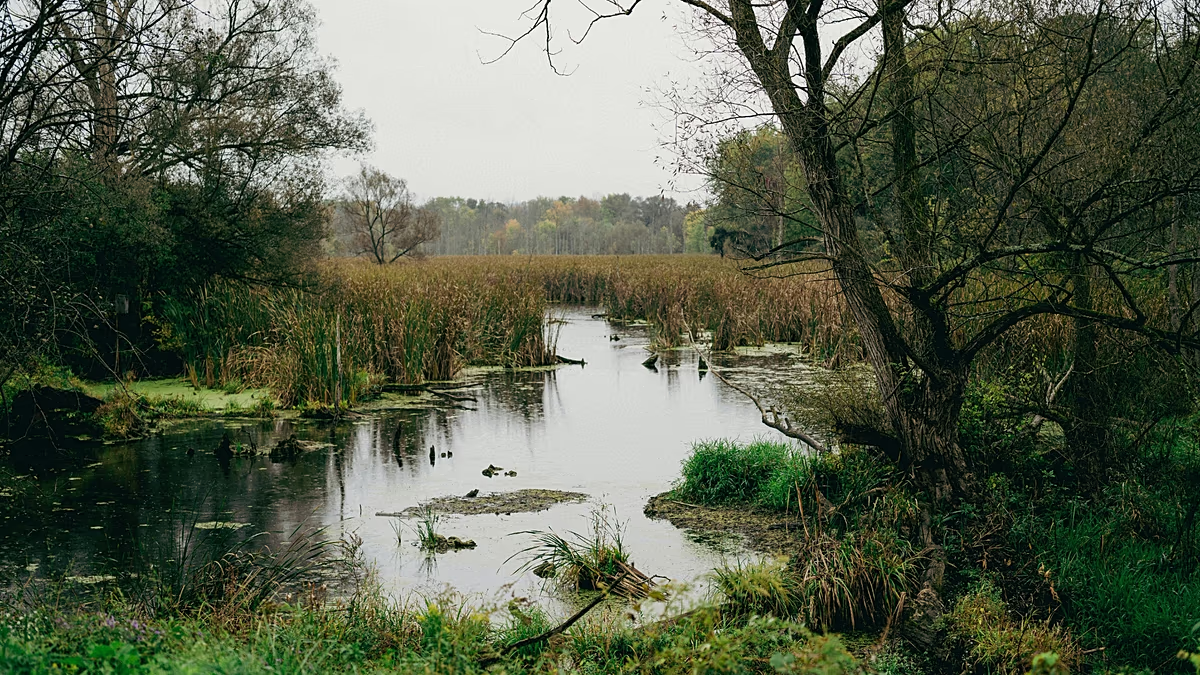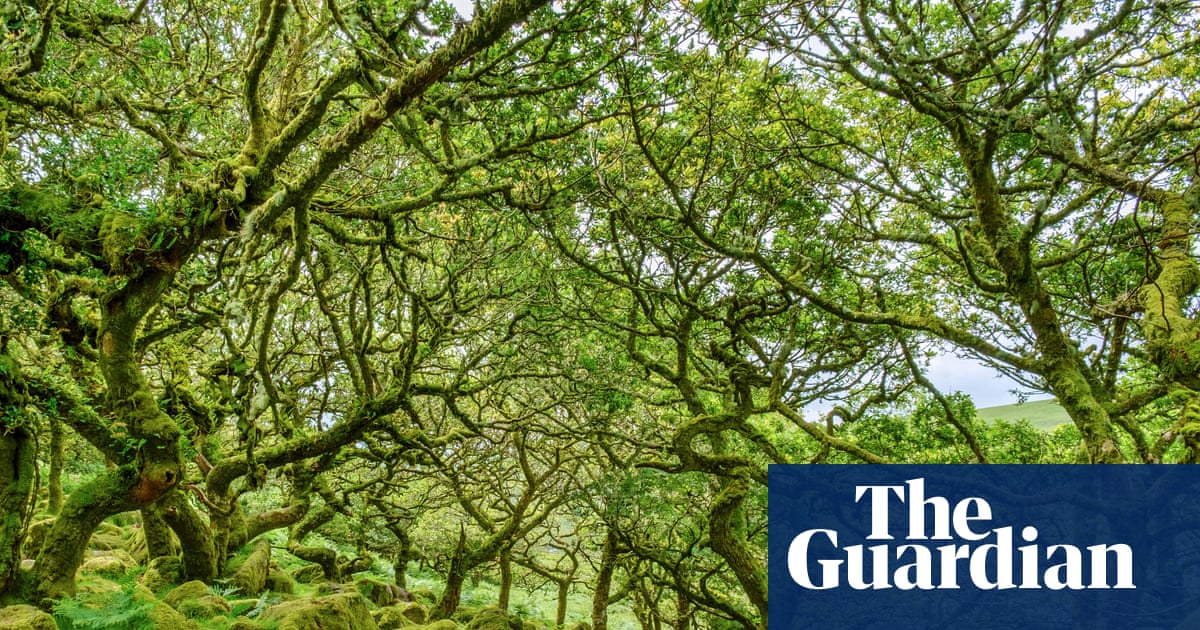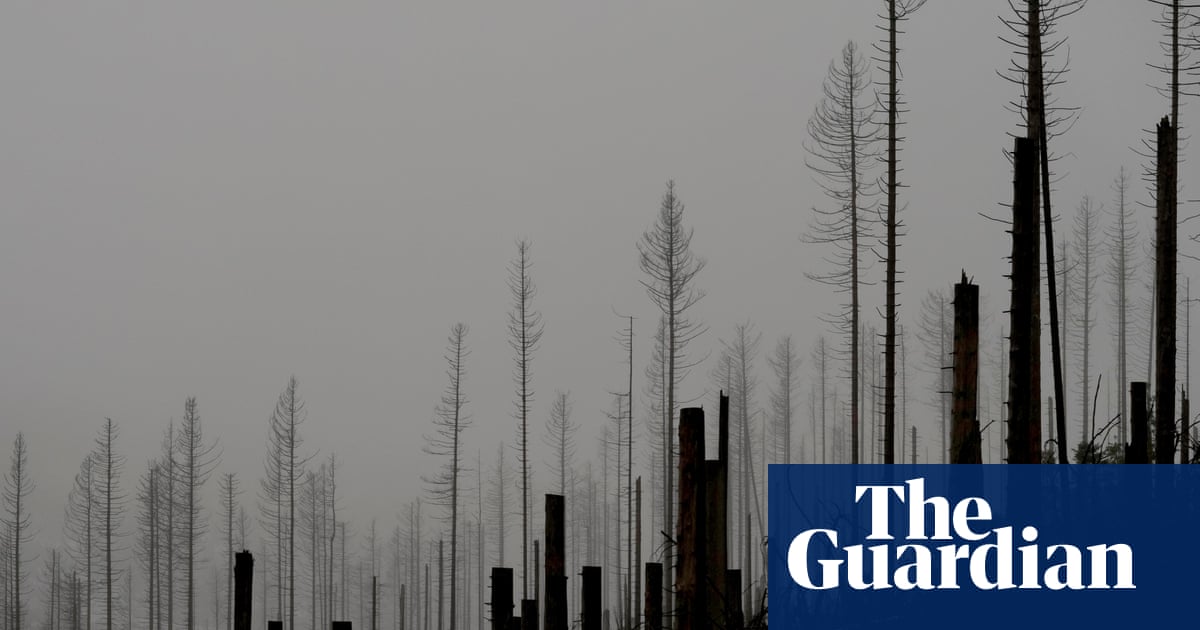
Europe is not a continent of deserts, but in the early Middle Ages, Europeans began to assimilate biblical notions of the wilderness by applying the same philosophy to a regionally appropriate context: the forest. In the absence of the arid, rocky deserts of the Middle East, early Christians looked instead to a tangle of trees and briars growing up outside their lonely settlements and recognized some unifying, shape-shifting quality.Article continues after advertisement
Though to modern eyes these landscapes might seem a world apart, to medieval monks the linguistic parallels were obvious. Early Latin translations of the Bible from the fourth century onwards used terms like desertum and solitudo in their depiction of the wilderness trials of the prophets—that is, emphasizing their empty, uninhabited qualities over climatic ones.
And there was a lot of deserted land in medieval Europe. After the withdrawal of the Roman Empire from much of western Europe, a more general breakdown of civic life unfolded across a period of a millennium or more, among both the formerly colonized nations and the “barbarian” societies that had formed its major trading partners.
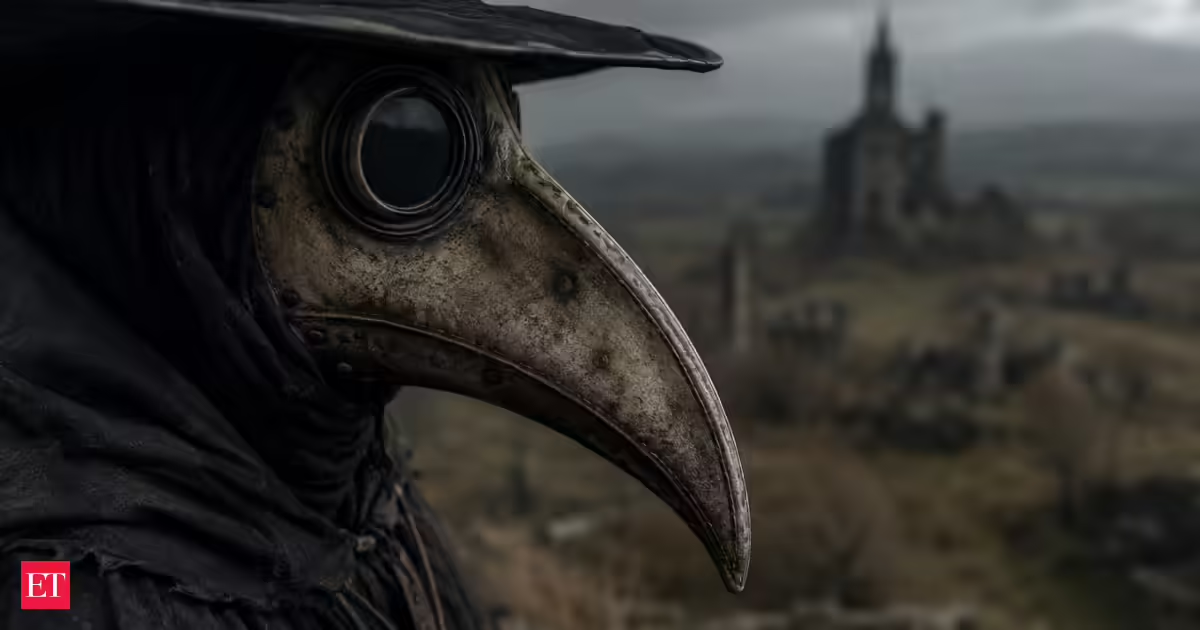
A series of deadly pandemics went on to ravage what was left; to those still living, like the Roman historian Procopius, it seemed that “the whole human race came near to being annihilated.” Widespread crop failures linked to an extended period of atmospheric cooling in the sixth century led to widespread and repeated famine.