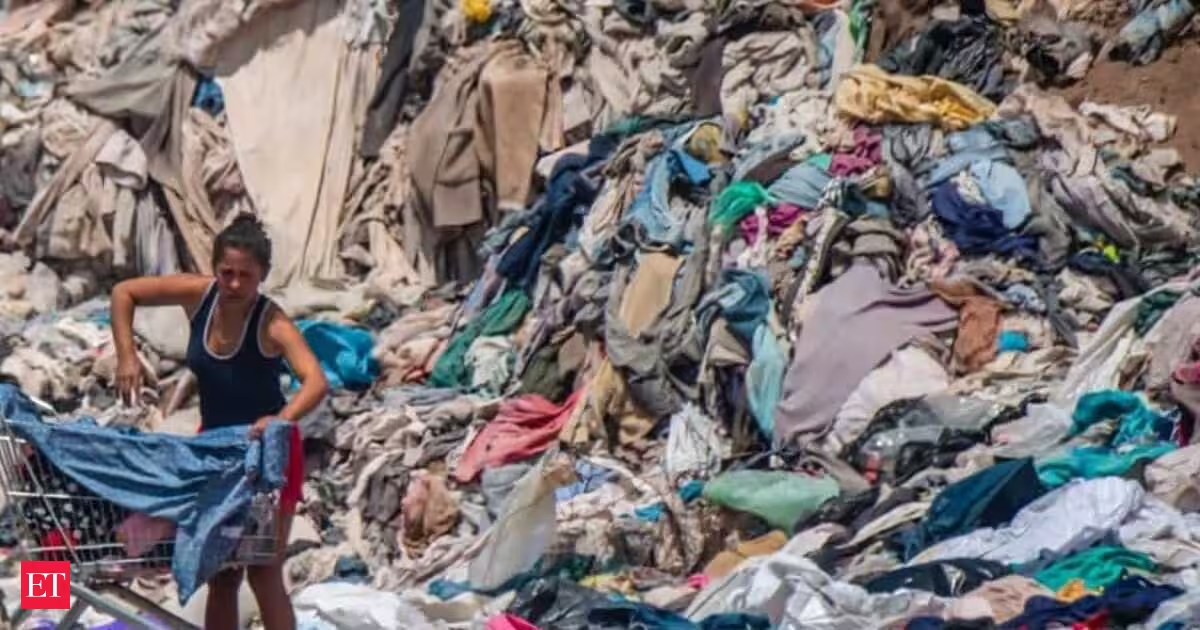
What we wear every day is the result of a global supply chain few people ever see, one that often begins far earlier than most realise and increasingly raises questions about the materials used to make our clothes.
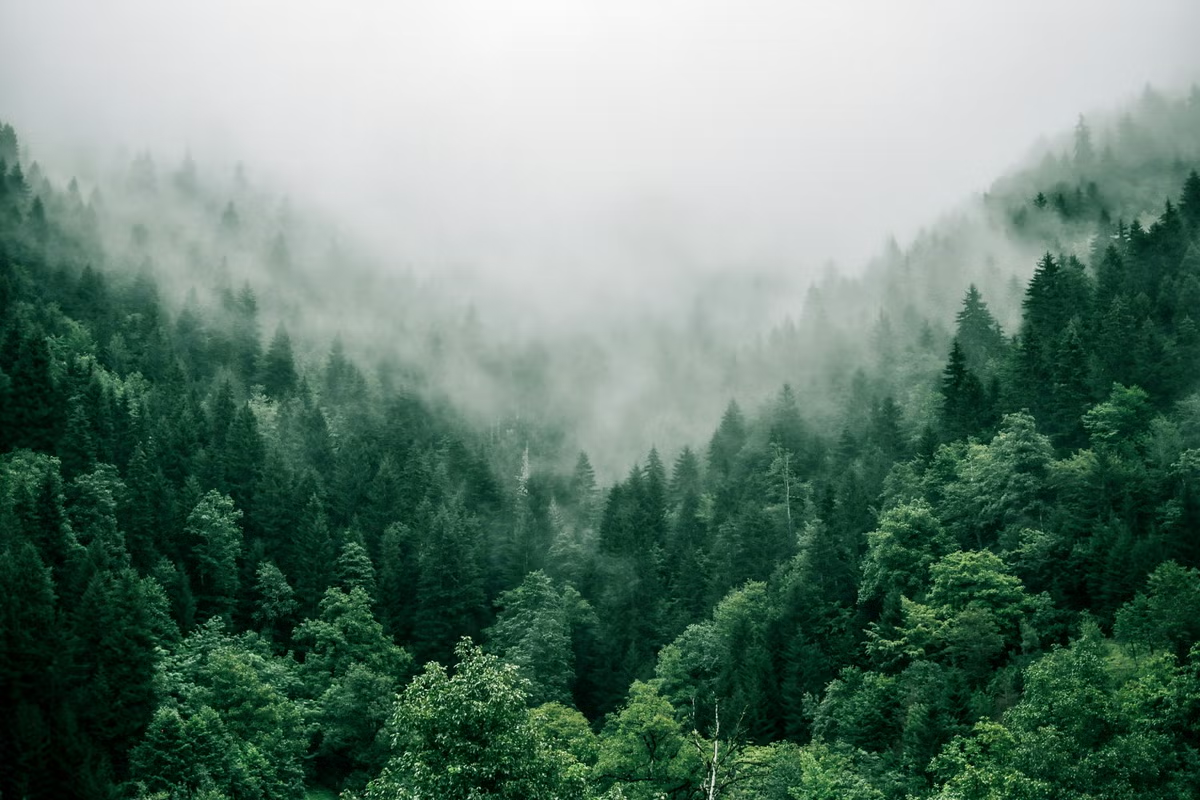
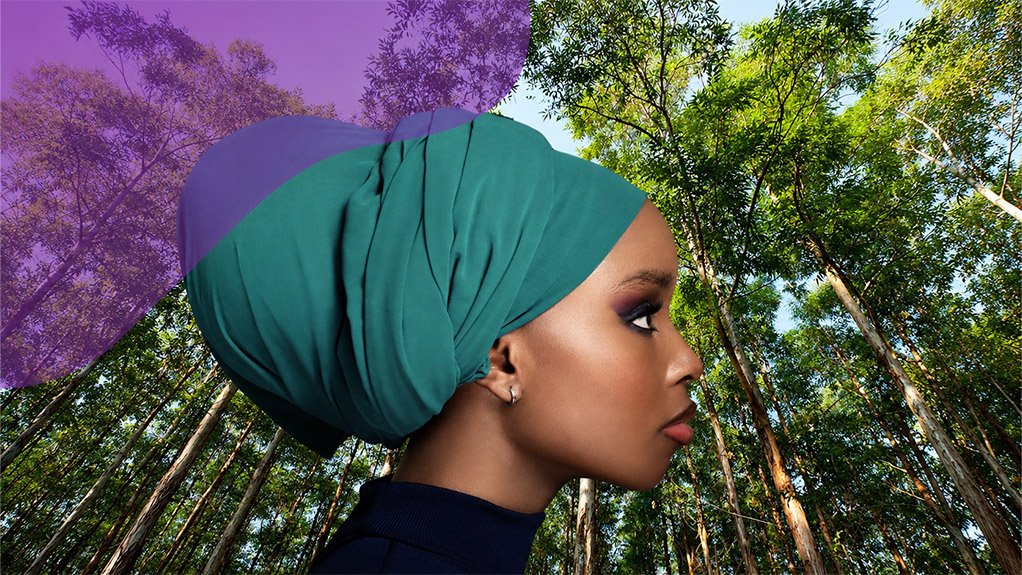
In many cases, it starts - believe it or not - in a forest plantation.
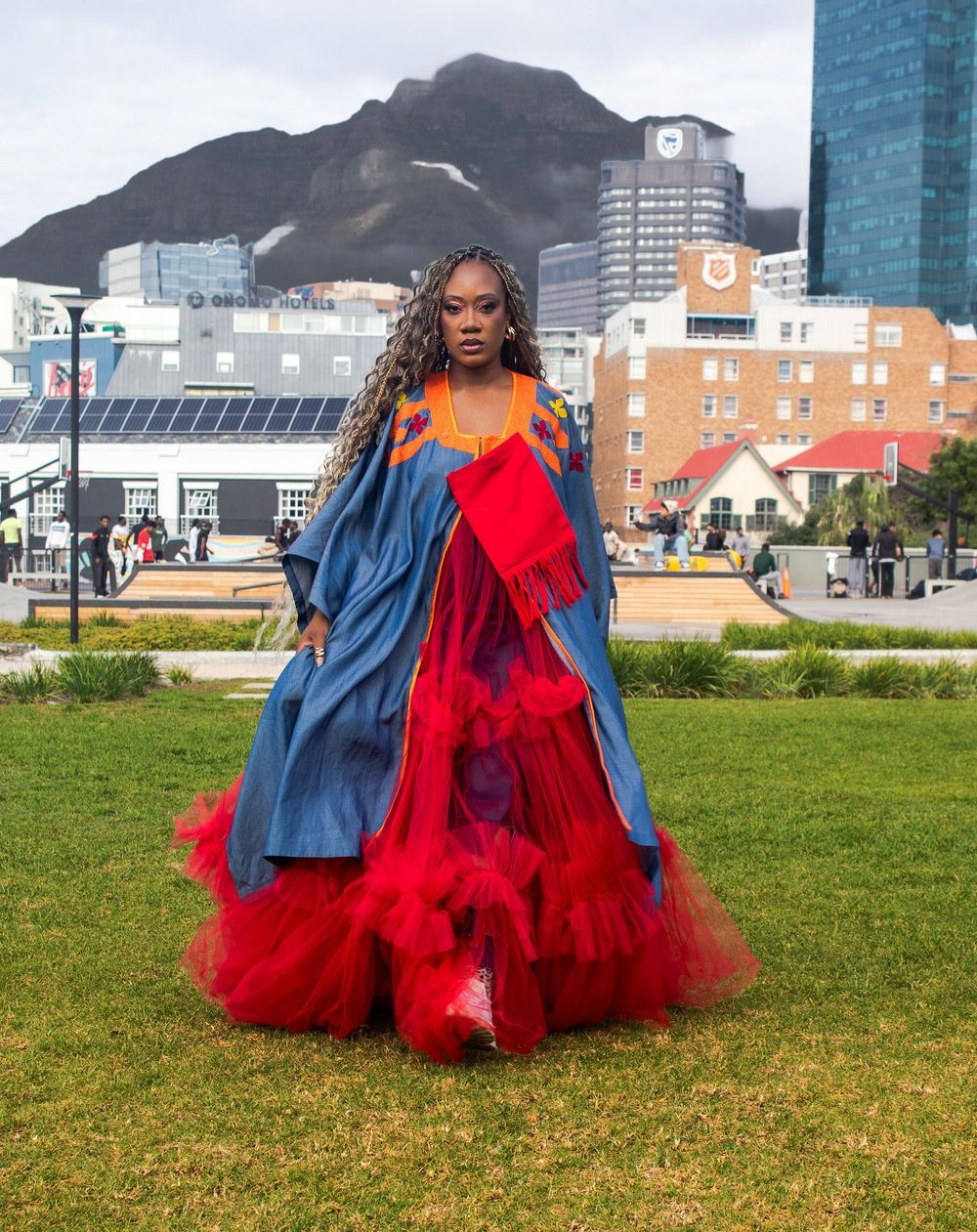
Not in an abstract sense, but quite literally. Wood grown in South African forest plantations is processed into dissolving wood pulp, exported, converted into fibre elsewhere, and eventually made into fabric. By the time it reaches a store, that origin is no longer visible. It is simply a dress, a shirt, or something that feels soft and easy to wear.
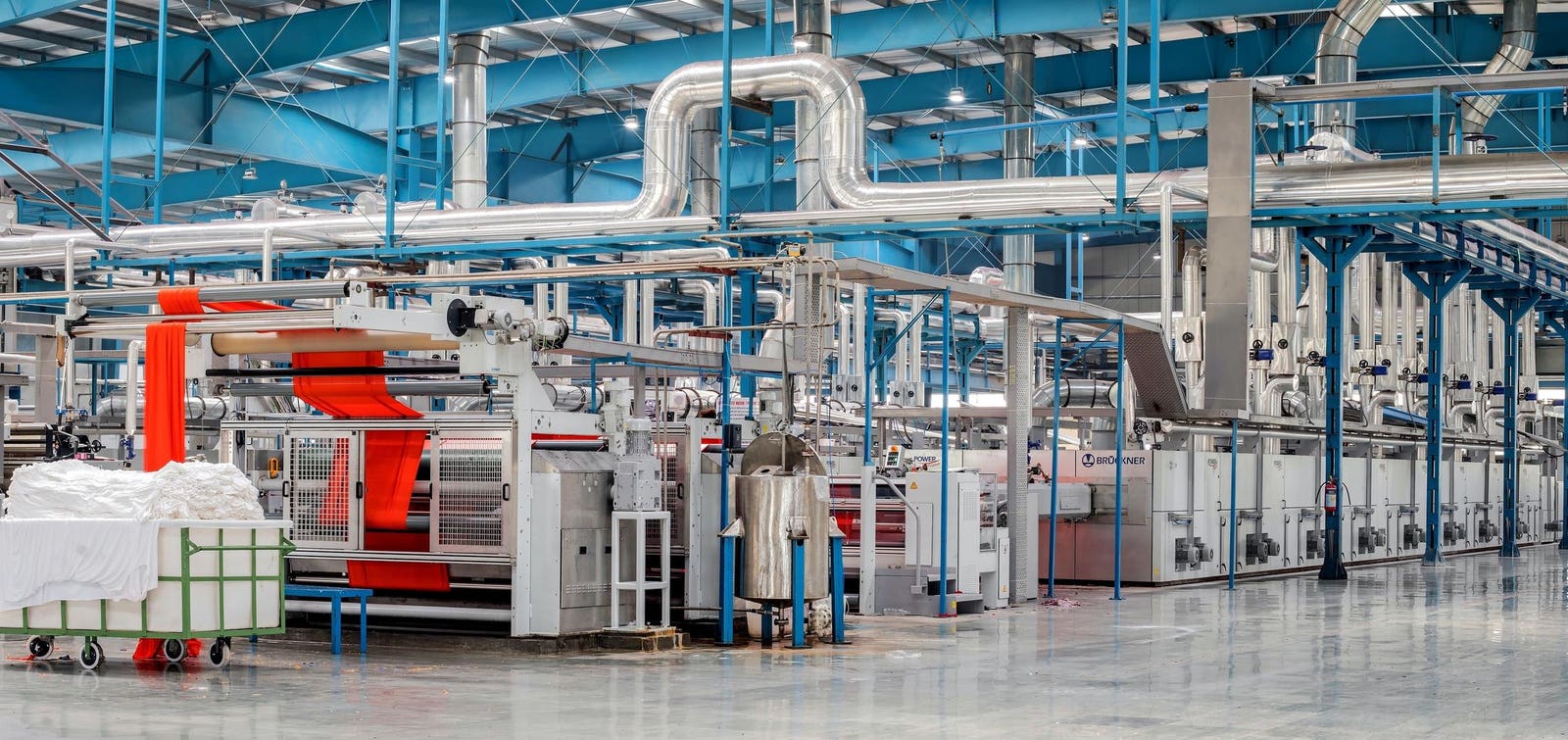
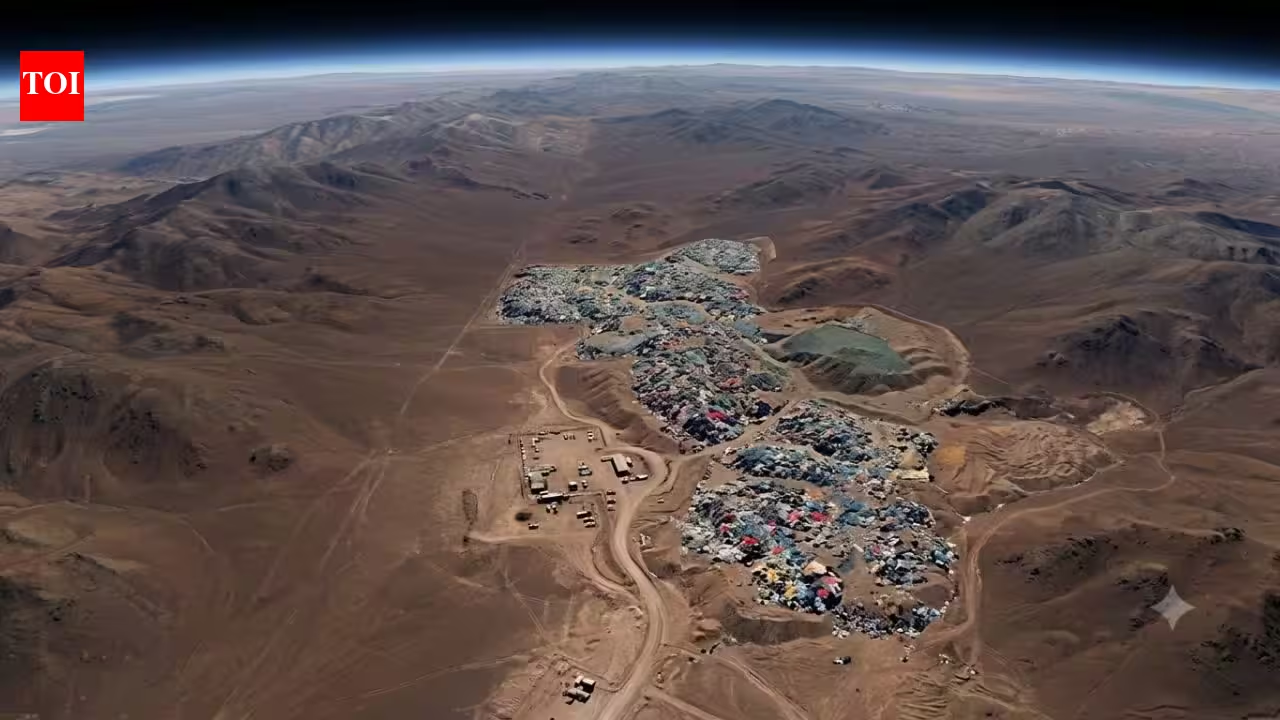
For decades, the fashion industry has operated comfortably at that distance. Supply chains are long, complex and spread across geographies, allowing the focus to remain on trend, price and speed, often with limited visibility into what sits behind the final product.
That is beginning to change.