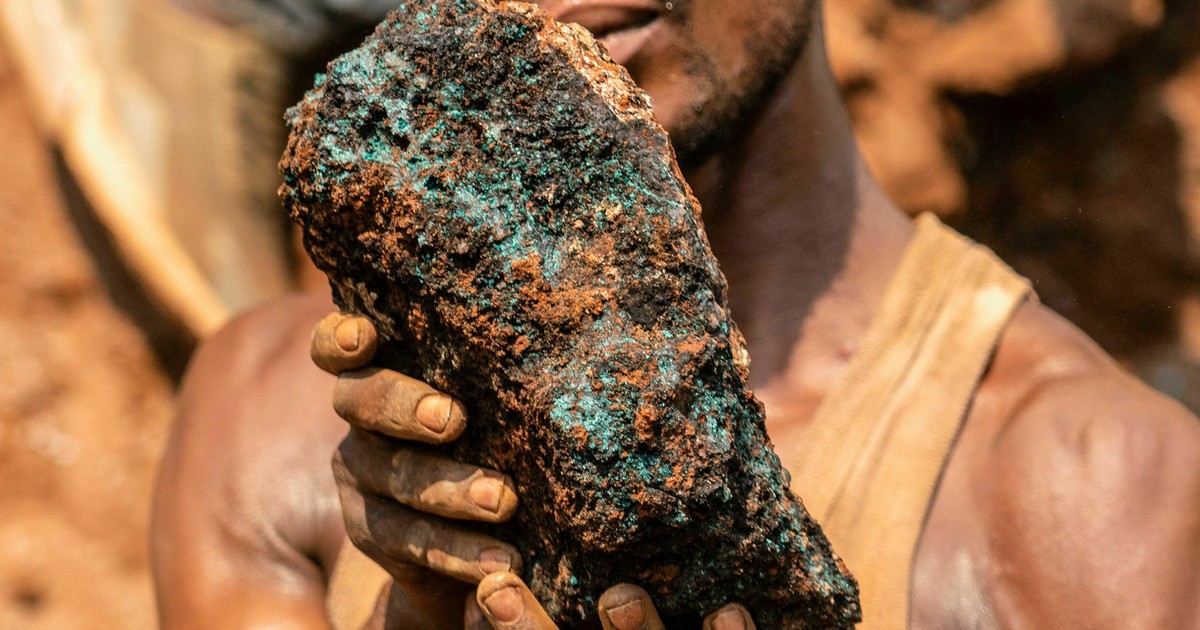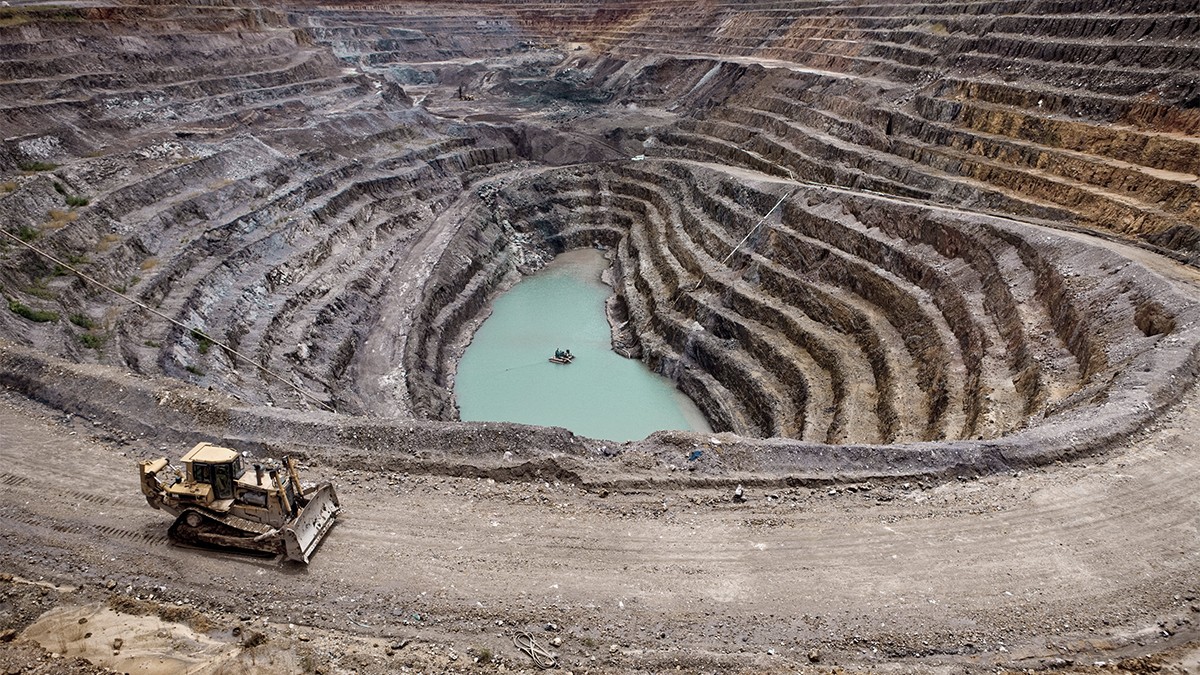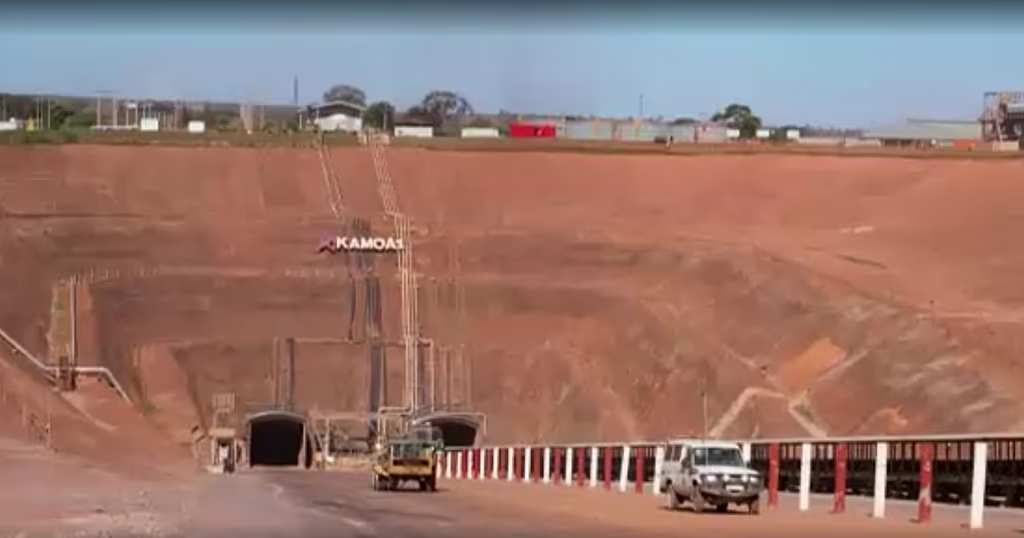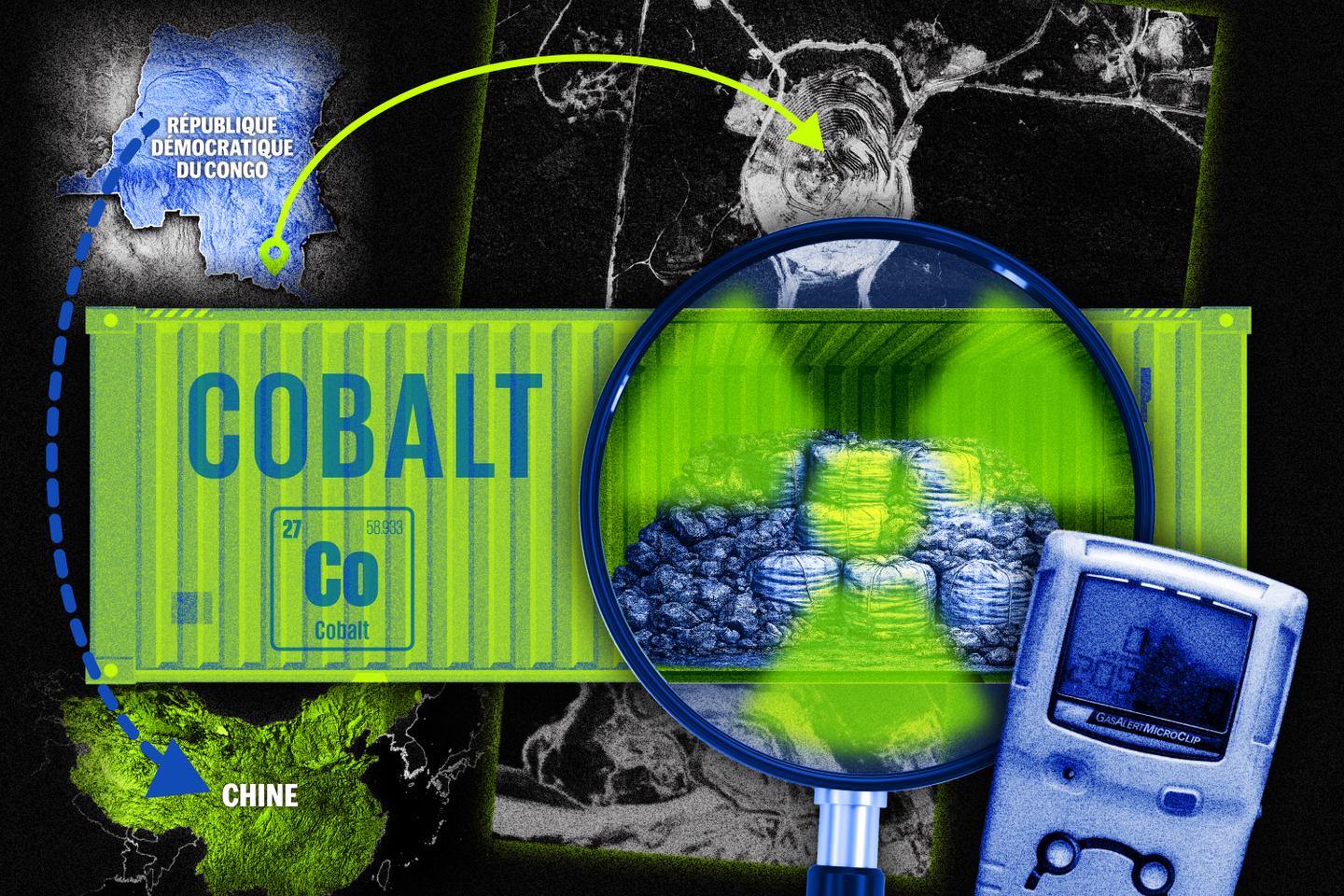
On the southern border of the Democratic Republic of Congo, the lumbering trucks carrying cobalt into Zambia may soon have to pass through towering radiation detectors — a sign of mounting concerns about uranium contamination in the ores that are powering the electric revolution.
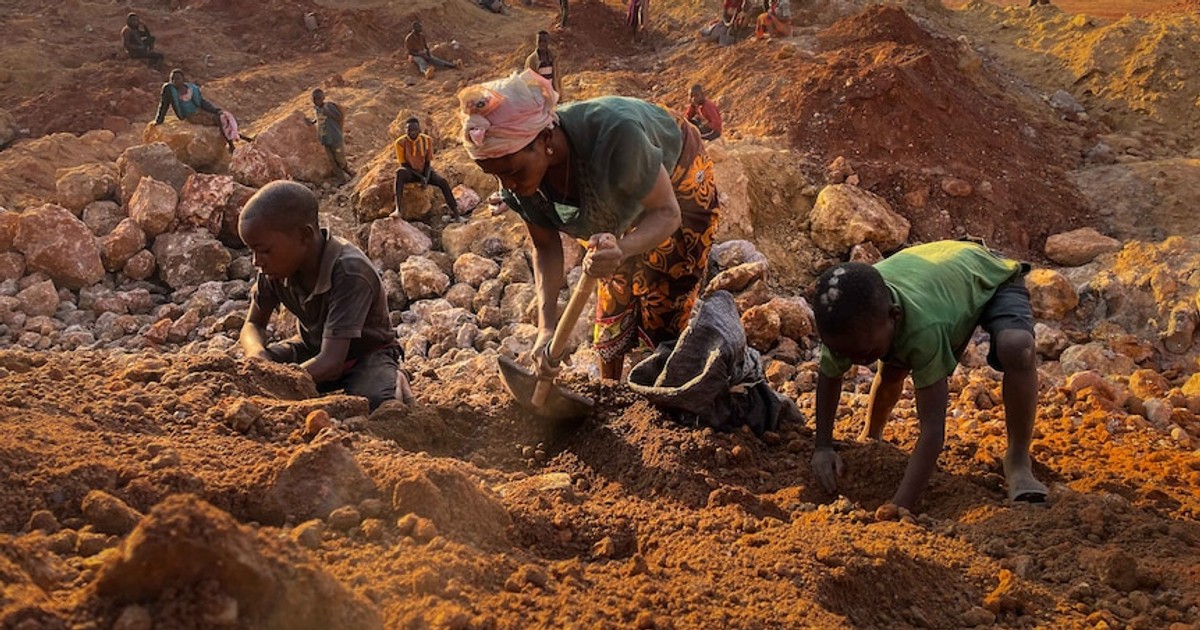
The DR Congo is the world’s largest producer of cobalt, an essential metal for batteries. But the frequent presence of radioactive materials at some of its biggest cobalt mines has led to health risks for workers, rejected shipments and concerns about safeguarding nuclear material, according to an investigation by the FT and Lighthouse Reports, a journalism non-profit.
With limited state oversight in mining regions, non-proliferation specialists and Congolese officials worry that uranium-laced cobalt ore and other radioactive material could fall into the wrong hands or enter a covert supply chain hidden from international regulators.
Uranium occurs naturally across the country’s vast “copper belt” region, which includes the mine that produced the uranium used in the atomic bombs in the second world war.
New research shows the amount of uranium mingled with the country’s cobalt exports is much greater than previously believed: between 2000 and 2024 it was enough to produce 600 nuclear weapons, or fuel a large 1GW nuclear reactor for a decade, if extracted and enriched.