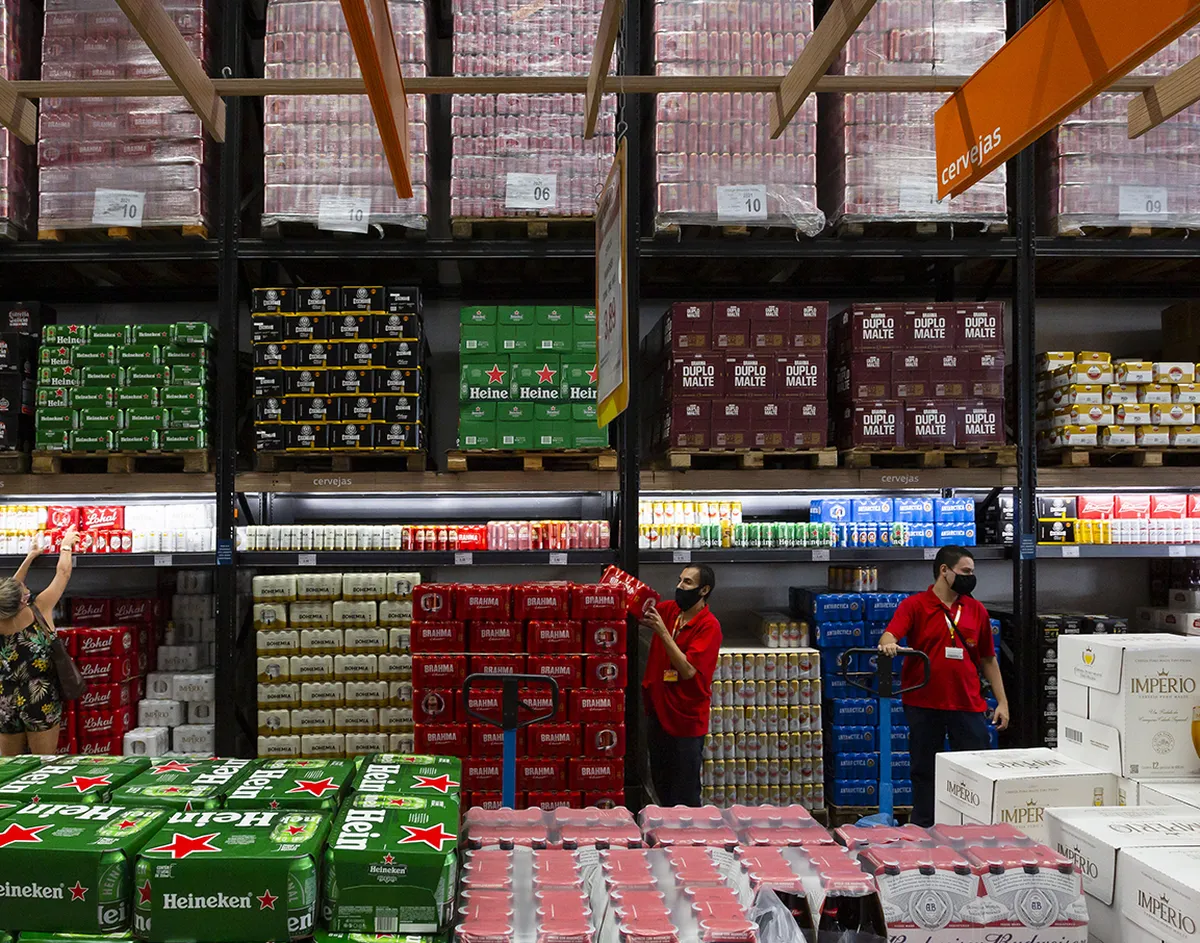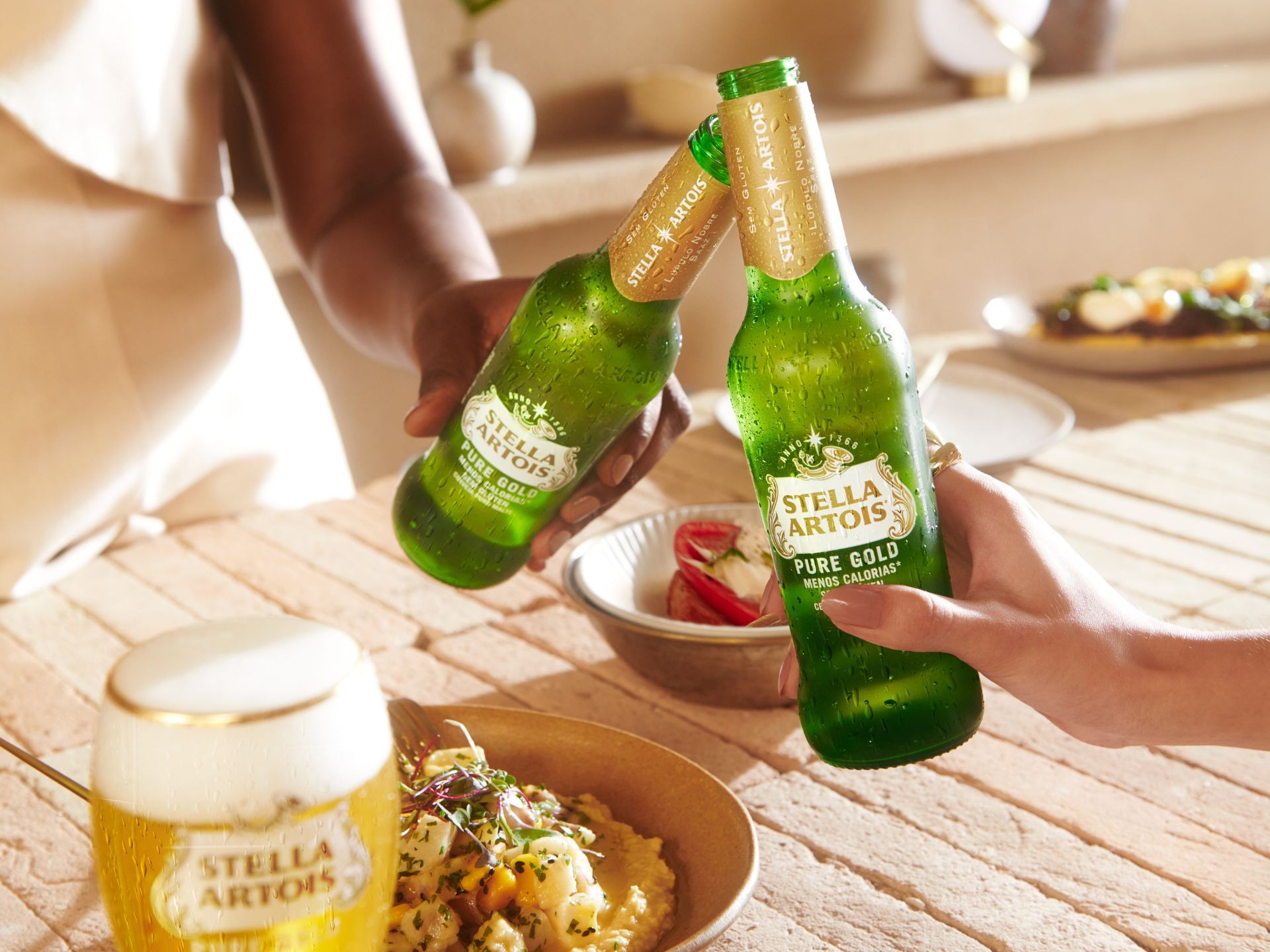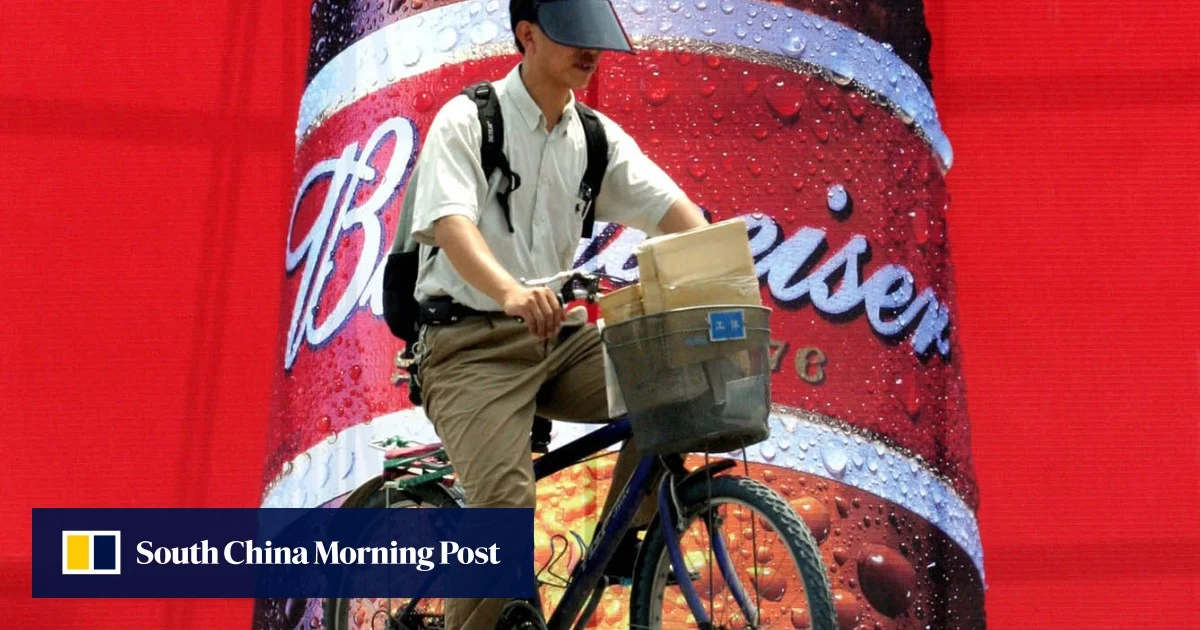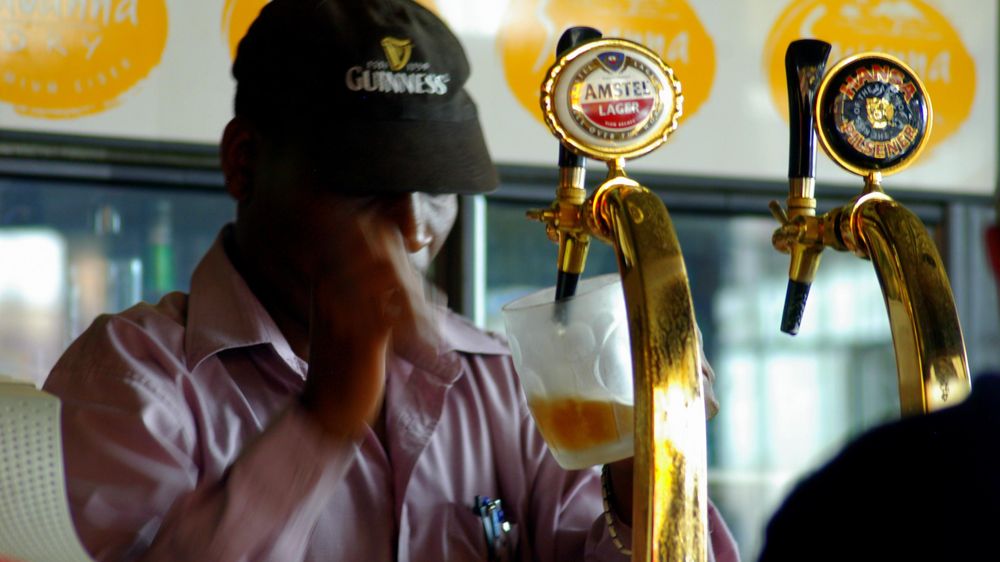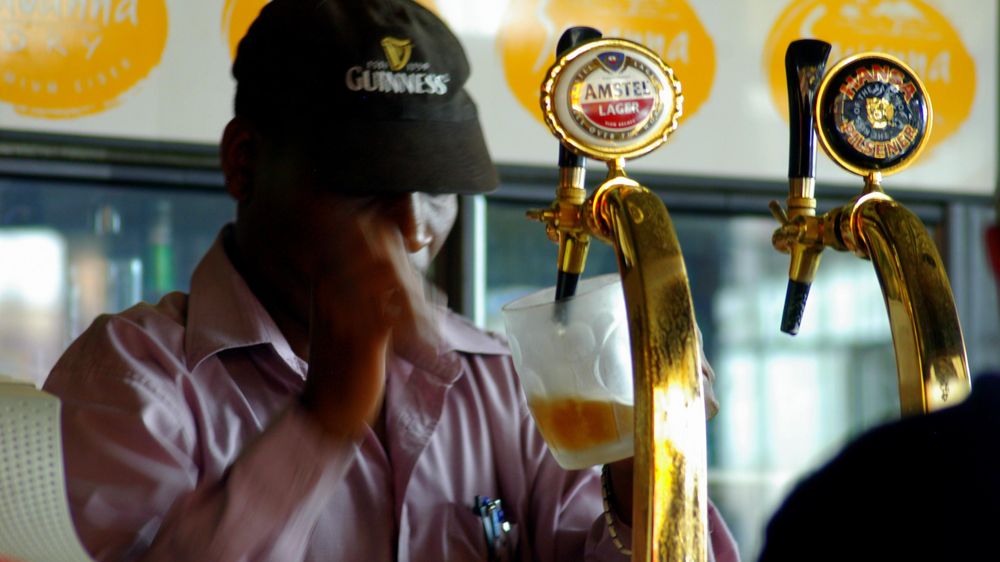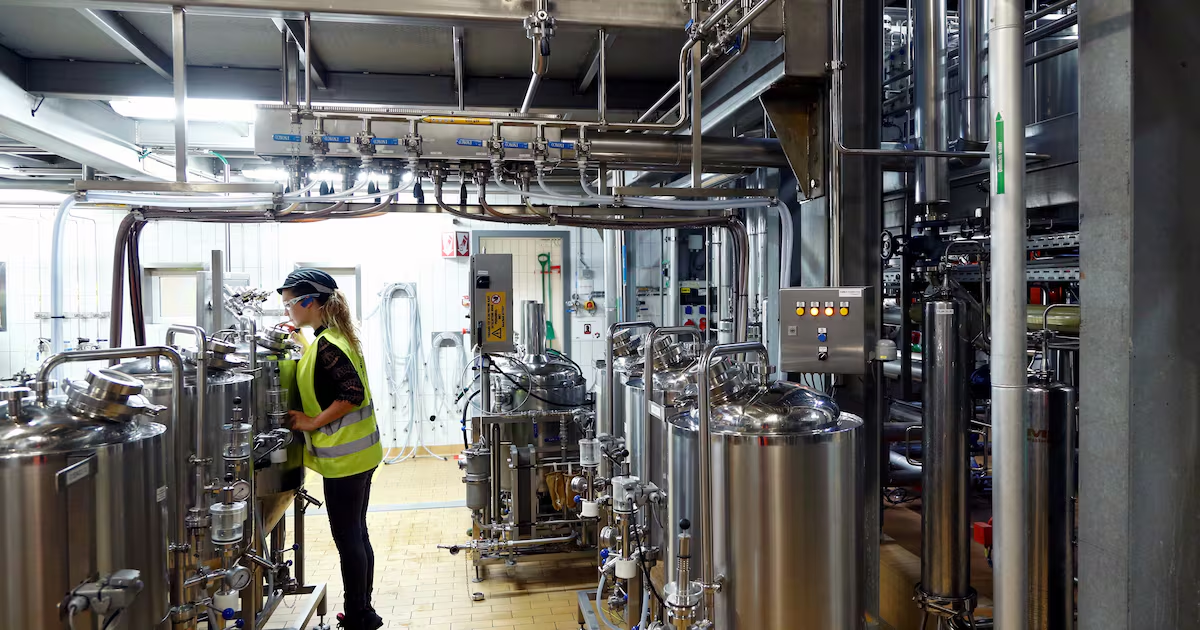
The world’s biggest brewer is continuing to grow by selling consumers more premium and higher-value drinks — but it’s a different picture in South Africa, where consumers are cutting back on the amount of beer they buy.The maker of Castle Lager, Corona and Stella Artois on Thursday reported revenue growth of about 6% and stronger profits for the second quarter, driven by higher sales of premium beers, alcohol-free products and its expanding Beyond Beer portfolio. The results show while the group continues to find pockets of growth around the world, not every market is keeping pace. The company said beer volumes in South Africa declined during the quarter, though revenue increased by a mid-single-digit percentage as consumers continued to trade up to premium brands and pricing remained supportive. China was the weak spot, with lower volumes and revenue. The group said the decline was mainly driven by continued weakness in the on-premise channel, such as restaurants and bars, and adverse weather.Volumes in Nigeria also declined because of a soft consumer environment, according to AB InBev. Performance varied across AB InBev’s other markets during the quarter, helped by strong performances in the Middle Americas and South America“In our other markets in Africa, revenue grew in aggregate by high-single digits and volumes by mid-single digits.”The contrast shows how differently consumers are behaving across the world.Globally, AB InBev continues to benefit from drinkers choosing more expensive brands. Corona, Stella Artois and Michelob Ultra remained among the company’s strongest performers, while the no-alcohol beer and Beyond Beer categories continued to grow rapidly. Those higher-margin products have become an increasingly important part of the brewer’s strategy as it looks to grow profits without relying only on selling more beer. “While the consumer environment remains dynamic, consistent execution of our strategy and investment in our megabrands and mega platforms enabled solid top- and bottom-line results. We strengthened our portfolio brand power and estimate we gained market share across our footprint, maintaining or gaining share in 70% of our markets,” said the group.Performance varied across AB InBev’s other markets during the quarter, helped by strong performances in the Middle Americas and South America. AB InBev said revenue from its no-alcohol beer business increased by 27%, while its Beyond Beer portfolio, which includes products such as ready-to-drink beverages and other non-alcoholic drinks, grew by 44%The brewer is increasingly relying on consumers trading up to premium brands, choosing alcohol-free alternatives or buying products outside traditional beer. That strategy has helped cushion the impact of weaker volumes in markets where consumers remain financially stretched.AB InBev said revenue from its no-alcohol beer business increased by 27%, while its Beyond Beer portfolio, which includes products such as ready-to-drink beverages and other non-alcoholic drinks, grew by 44%. The group strengthened its financial position. Free cash flow improved during the first half of the year and AB InBev continued returning cash to shareholders through its share buyback programme. Going forward, the group said it will continue to execute its strategy of:delivering growth through premiumisation;expanding its no-alcohol and Beyond Beer portfolios;investing in its brands; and strengthening its digital platforms. For the first half ended June, the group delivered 5.7% revenue growth, a 5.6% increase in earnings before interest, tax, depreciation and amortisation (ebitda) and a 22.1% rise in underlying EPS, it said. Underlying profit rose to $4.3bn from $3.6bn a year ago.The group expects full-year ebtida to grow in line with its medium term outlook of between 4% and 8%, while net capital expenditure is expected to range between $3.5bn and $4bn.Business Day
AB InBev’s premium strategy pays off globally, but SA buys less beer
The world’s biggest brewer is continuing to grow by selling consumers more premium and higher-value drinks — but it’s a different picture in South Africa, where consumers are cutting back on the amount of beer they buy.
588 words~3 min read