The story so far:
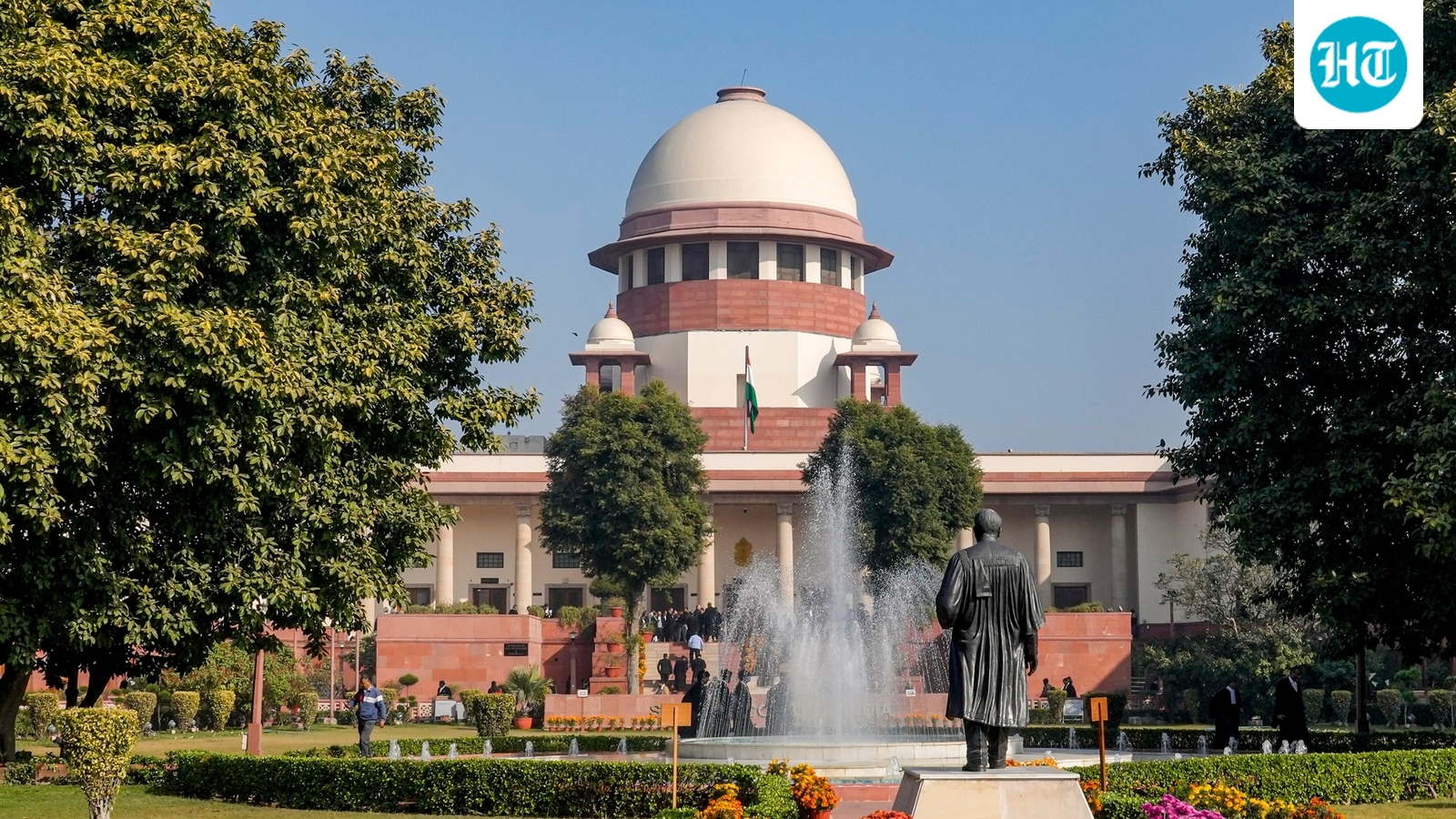
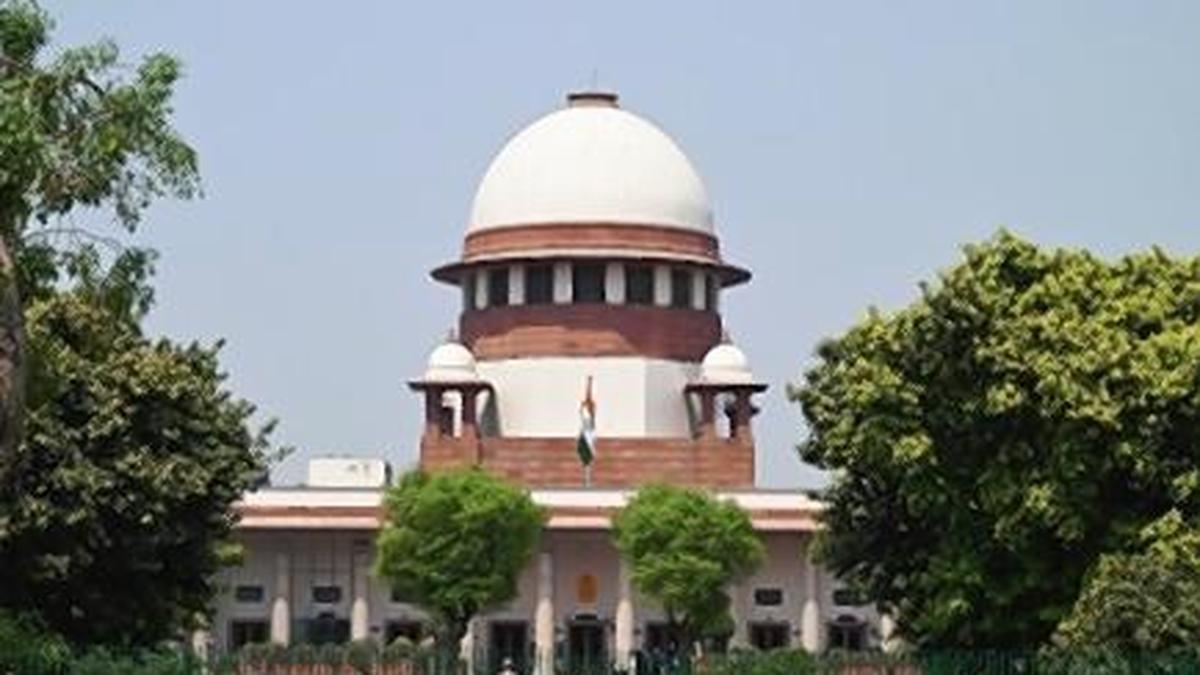
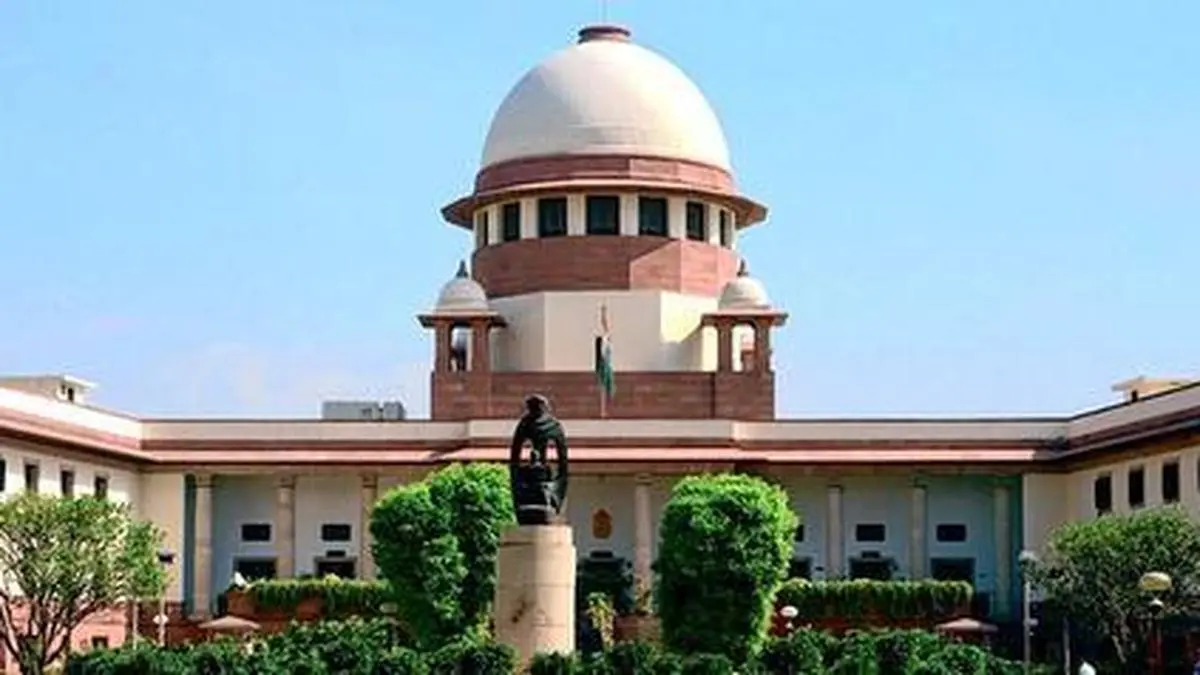
The Supreme Court has quashed an Office Memorandum issued by the Ministry of Environment, Forest and Climate Change in 2021 on the ground that an administrative order cannot create a perpetual and parallel regime to grant retrospective authorisation to big-ticket infrastructure projects commenced without prior, valid environmental clearance. A three-judge Bench of Chief Justice of India Surya Kant and Justices Joymalya Bagchi and Vipul M. Pancholi held on Wednesday (July 29, 2026) that the permanent regime of ex post facto grant of environmental clearances (EC) introduced through the 2021 Office Memorandum (OM) supplanted the mandate of prior green permit under an Environment Impact Assessment (EIA) notification of 2006. However, the court has not barred retrospective ECs totally. It has in fact adopted a note of reconciliation and called for "measured regularisation". The court held that ex post facto environmental regularisation must be restricted to "a narrow, time-bound, reasoned and supervised window", and done only in projects of "supervening public interest".
What is the post facto environmental clearance regime?
India’s EIA framework is built around a simple principle: projects requiring environmental clearance (EC) must obtain it before construction or operations begin. The 2006 EIA Notification explicitly mandates “prior environmental clearance”, allowing regulators to evaluate ecological impacts, hear public objections and prescribe safeguards before irreversible environmental damage occurs.