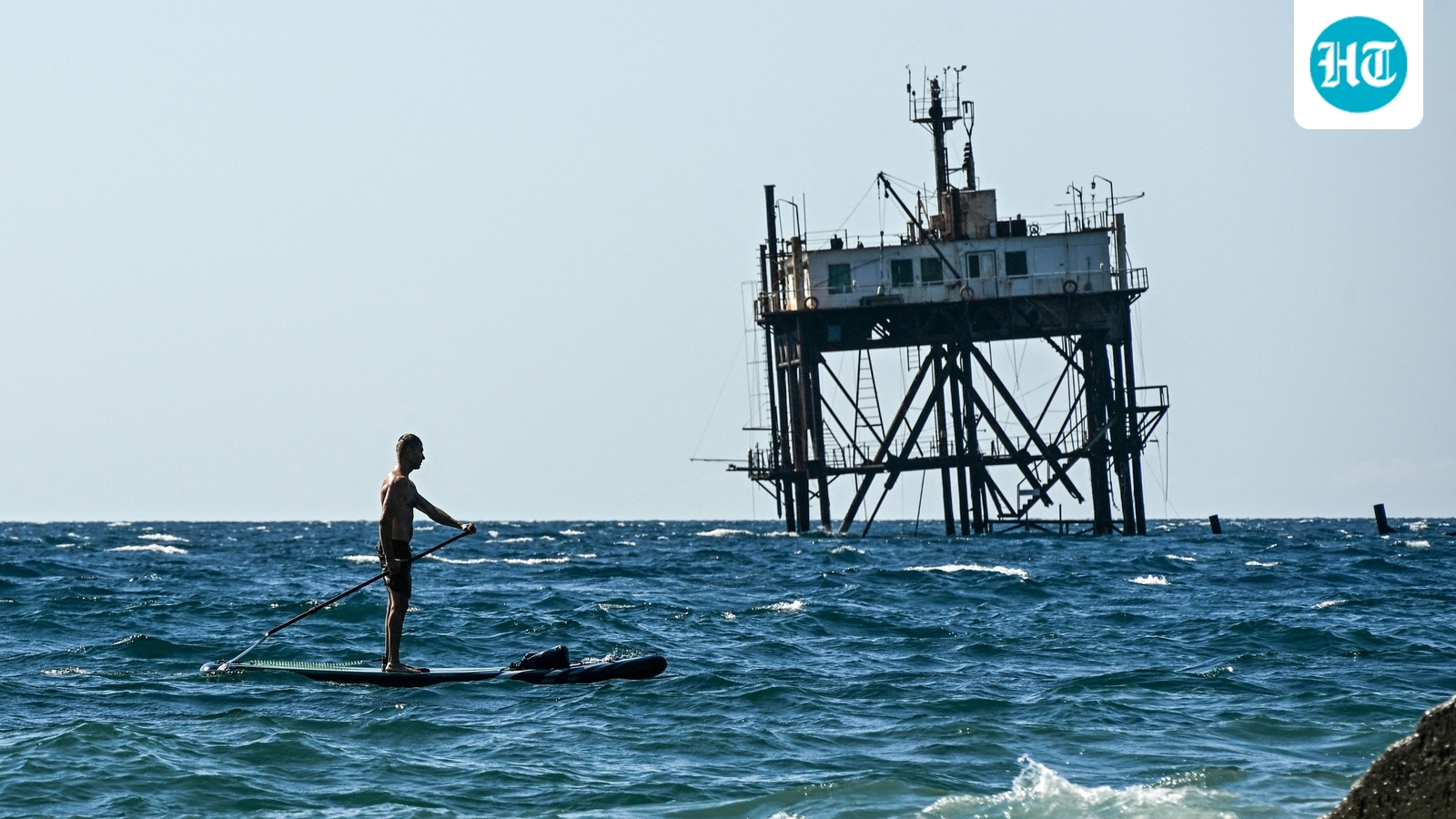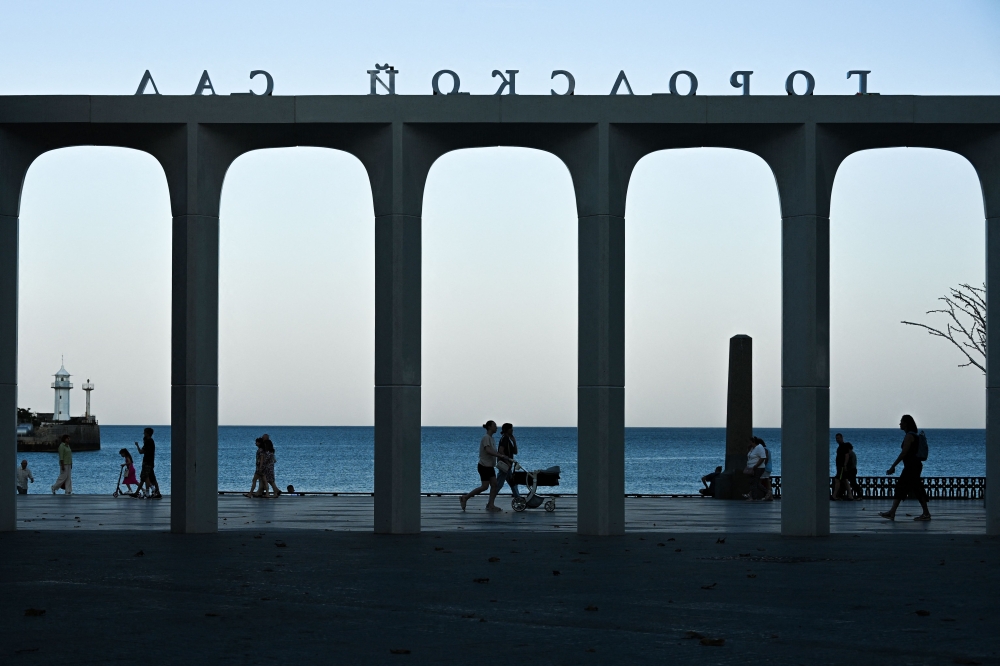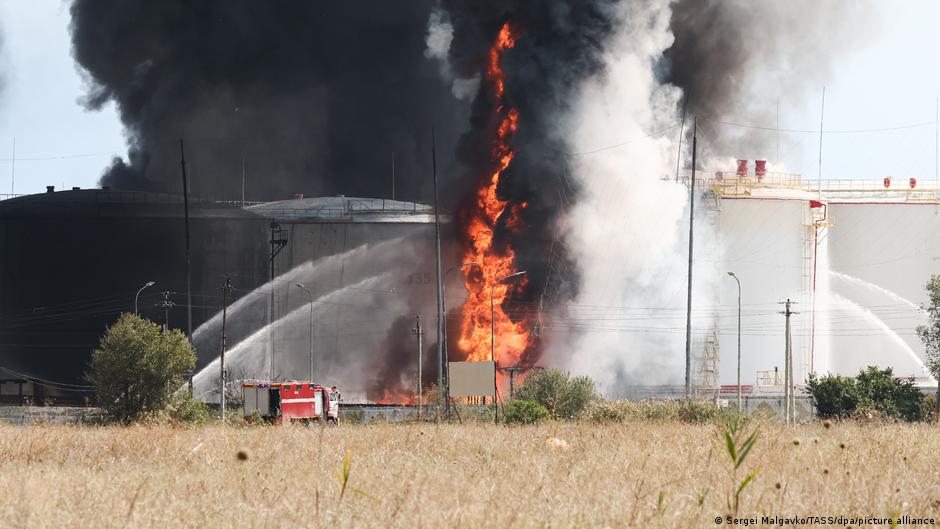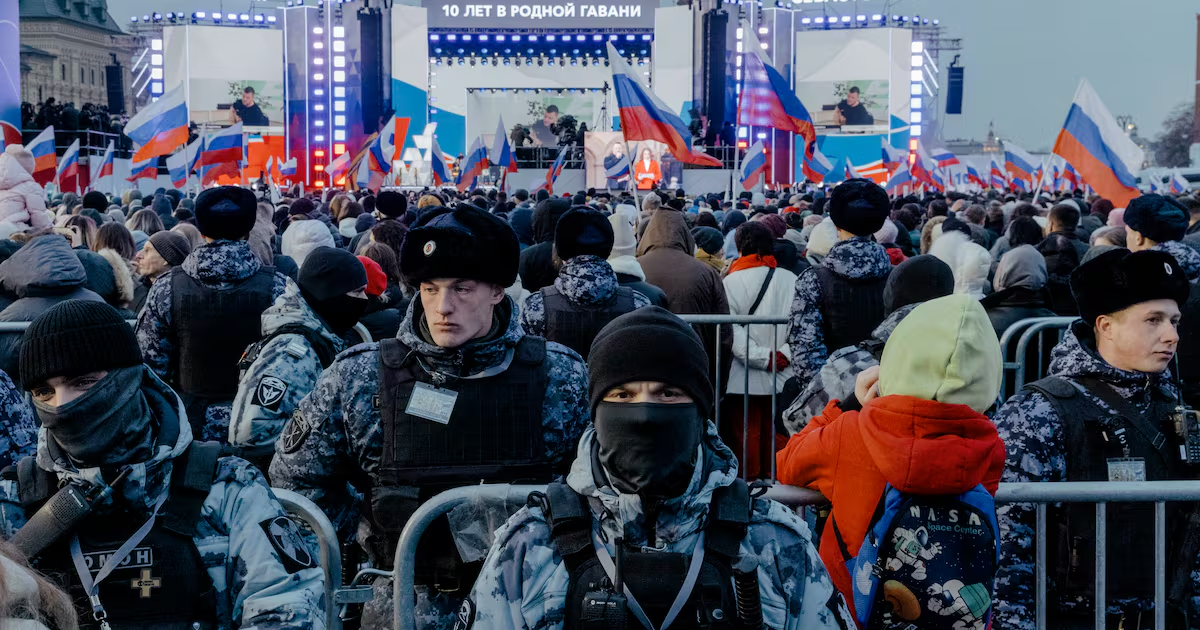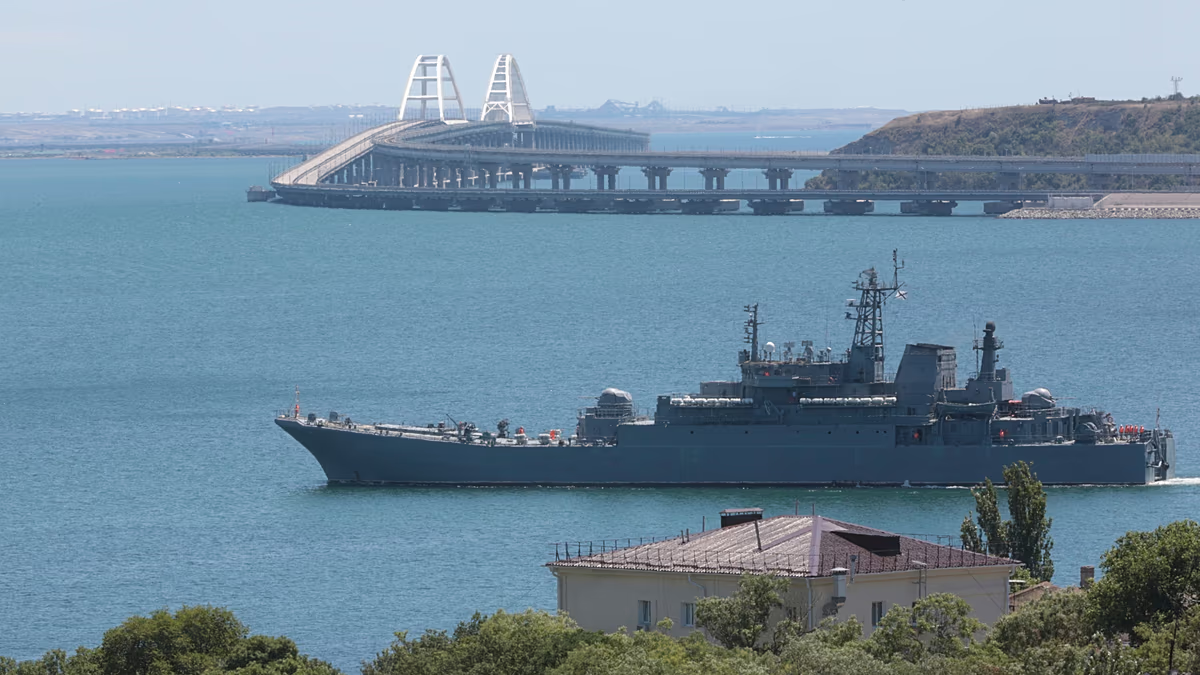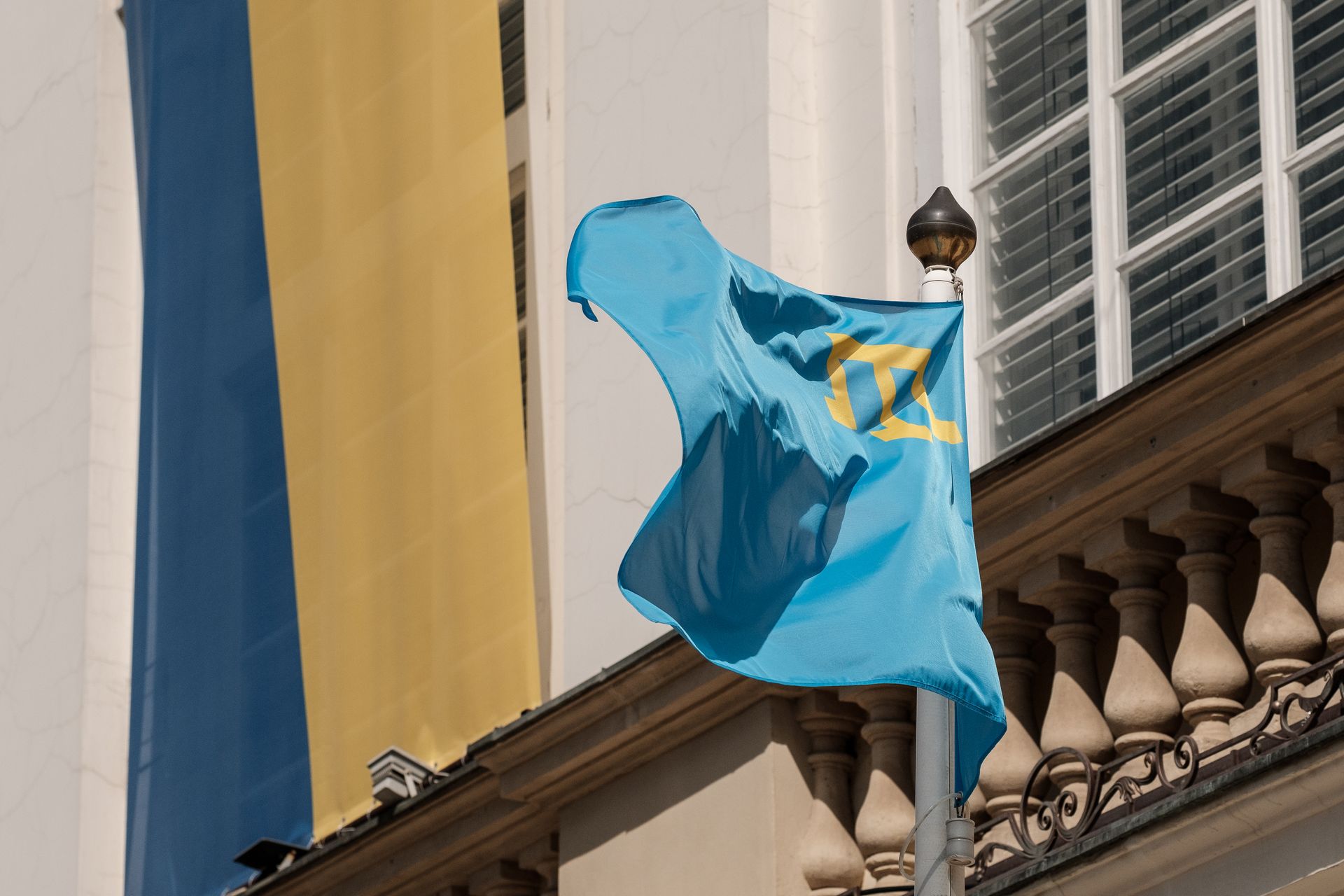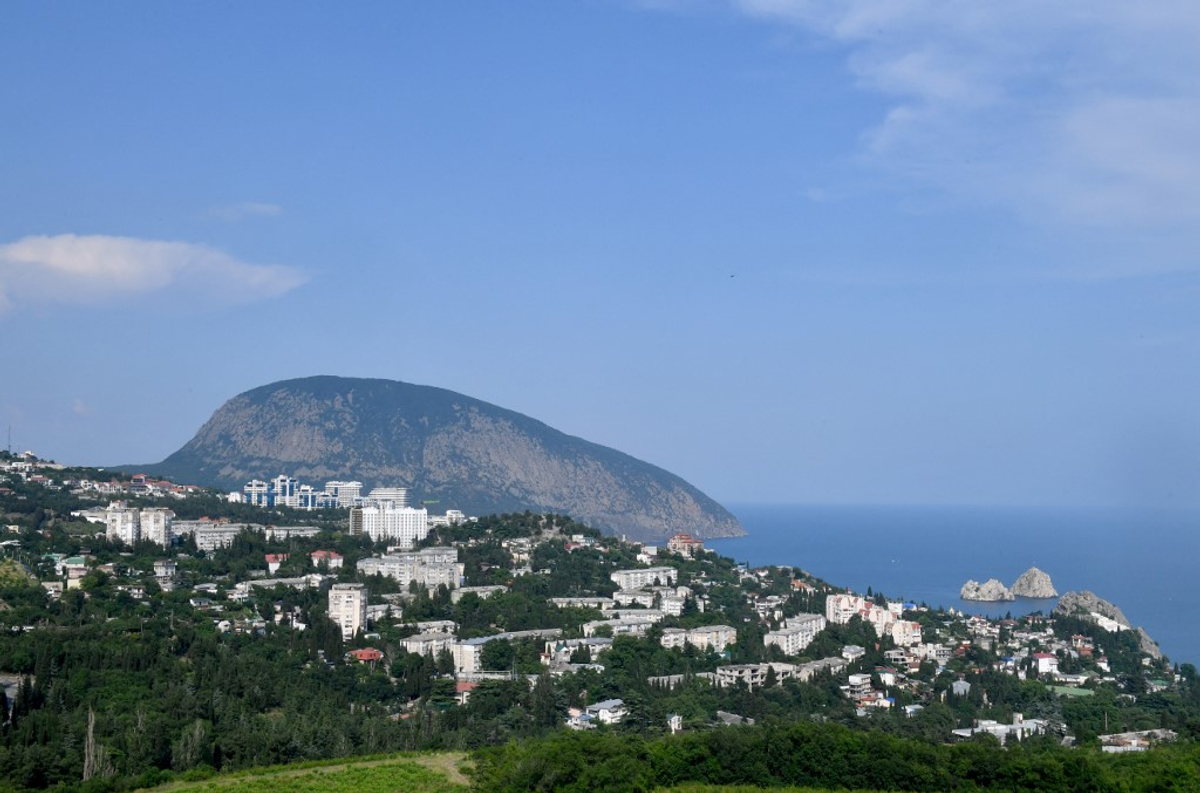
Ukraine has stepped up its targeting of Crimea, the Black Sea peninsula annexed by Russia from Ukraine in 2014, seeking to cut it off from Russian supplies. Here are five things to know about Crimea, a strategic area of outstanding beauty that has played a central part in the conflict between – and history of – Russia and Ukraine.JOIN US ON TELEGRAMFollow our coverage of the war on the @Kyivpost_official. - Black Sea peninsula - Crimea is a peninsula jutting out into the Black Sea that is known for its natural beauty – seaside cliffs, green mountains, pebbled beaches and rich soil – and distinctive culture. Its strategic location has been the envy of European navies and the subject of wars over the centuries. It became part of the Russian Empire under Catherine the Great in the 1780s after victories over the Ottoman Empire. It was during Catherine’s trip to inspect Crimea that the legend of Potemkin villages took root – Prince Potemkin was said to have built fake portable village fronts to make the empress believe the area she was seeing on the way to the peninsula was rich. In World War II, Crimea was occupied by the Nazis and in early 1945 hosted the Yalta Conference between the leaders of Britain, the United States and the Soviet Union – Winston Churchill, Franklin D. Roosevelt and Joseph Stalin – during which they divided Europe into spheres of influence. At the start of the Soviet Union, Crimea was part of the Russian Soviet Federative Socialist Republic (RSFSR), before being transferred in 1954 to the Ukrainian Soviet authorities in what was largely a symbolic move that took on huge significance after the USSR fell apart.
Russian-Annexed Peninsula: Five Things to Know About Crimea
Here are five things to know about Crimea, a strategic area of outstanding beauty that has played a central part in the conflict between – and history of – Russia and Ukraine.
855 words~4 min read