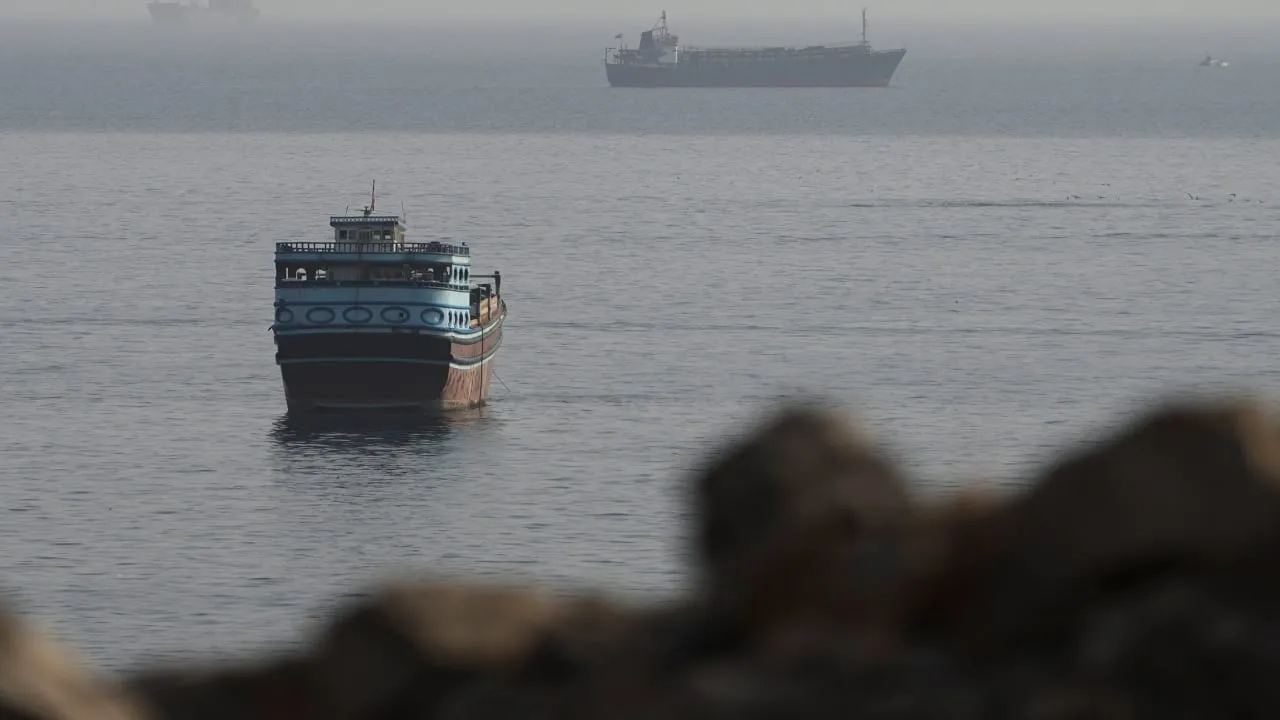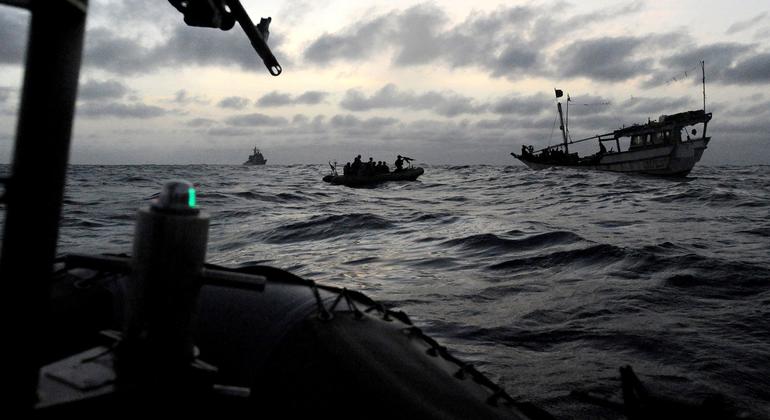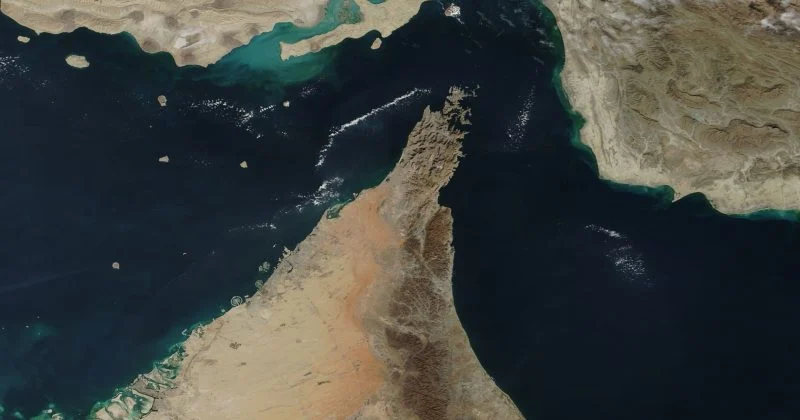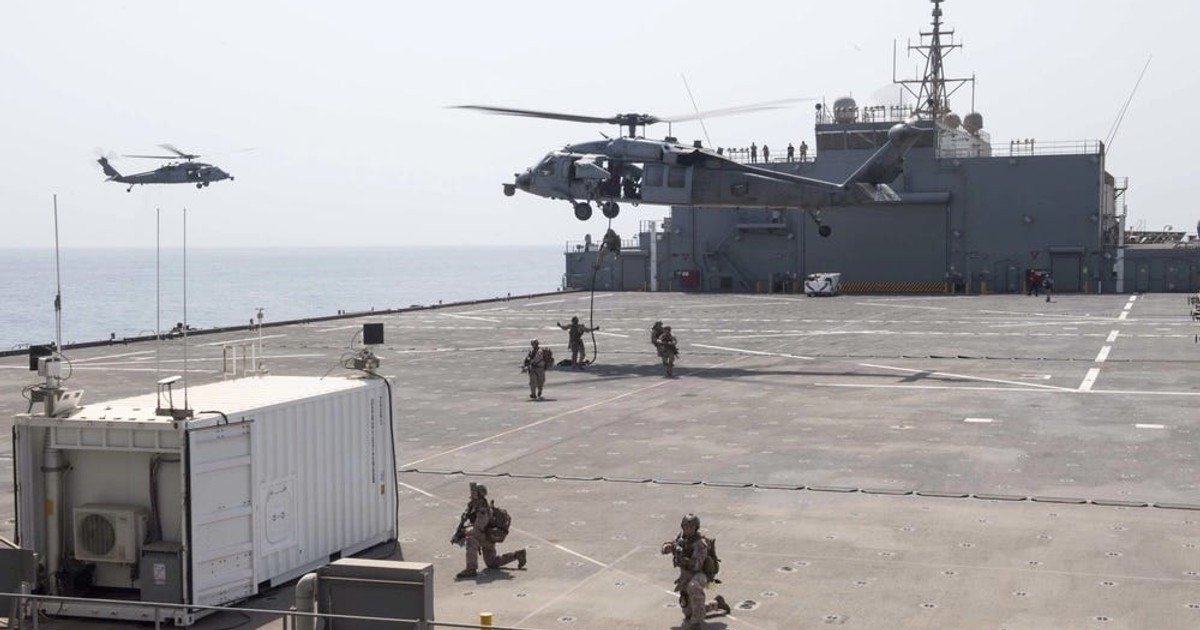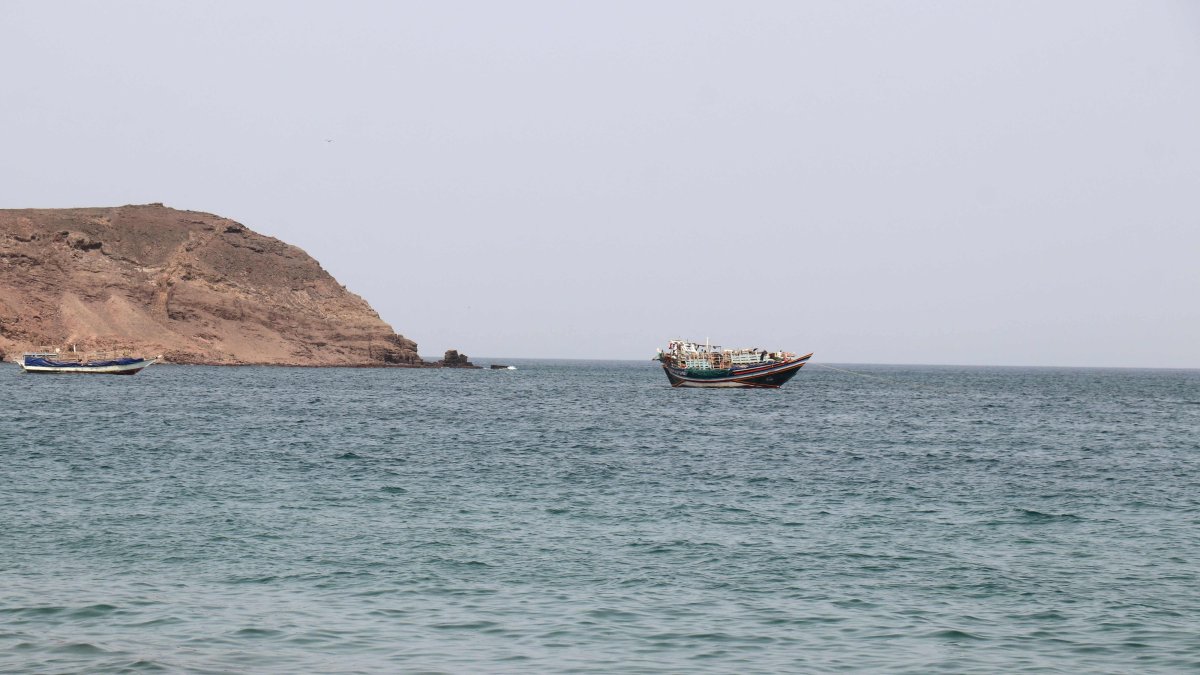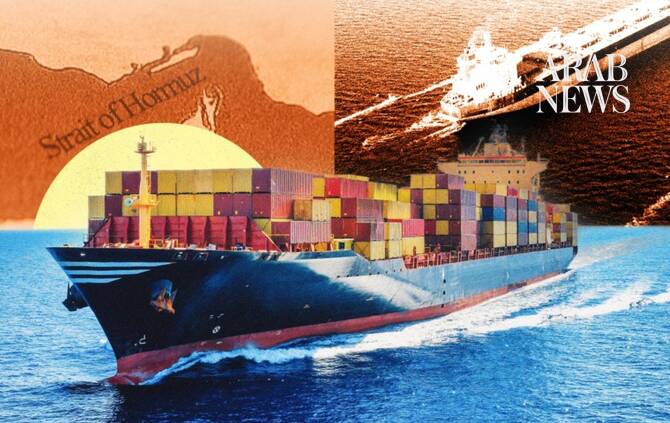
Maritime security in the Red Sea, Bab el-Mandab Strait, and the Strait of Hormuz is often treated as a regional problem whose principal stakeholders are the Gulf states and other countries bordering these waterways. Yet these routes are global economic arteries, so protecting them is a matter of national security for European, Asian, and other states. It is not simply a security matter for the Gulf.
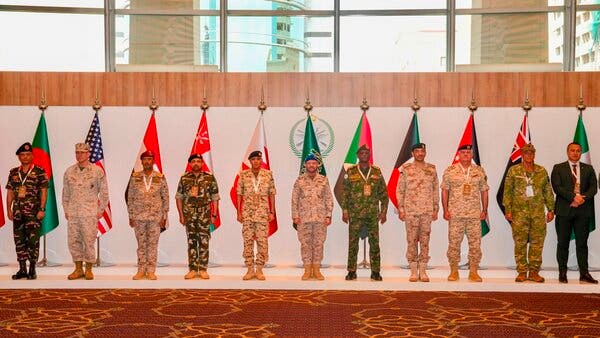
The response is fragmented. There are capable military missions, regional information-sharing mechanisms, national sanctions, and international legal frameworks, but no standing political coalition that joins them into a common strategy. Iran benefits from this fragmentation and from the absence of international political alignment regarding its threatening behaviour. Many now believe that the creation of a global coalition for maritime security and network disruption would make a serious statement, forming an international political alliance to safeguard shipping and the global economy.
The inclusion of networks in the response is necessary. Iran projects power through formal state institutions, the Islamic Revolutionary Guard Corps (IRGC), aligned armed groups, financiers, shipping facilitators, commercial intermediaries, and procurement agents operating across jurisdictions.