https://arab.news/2mtw6
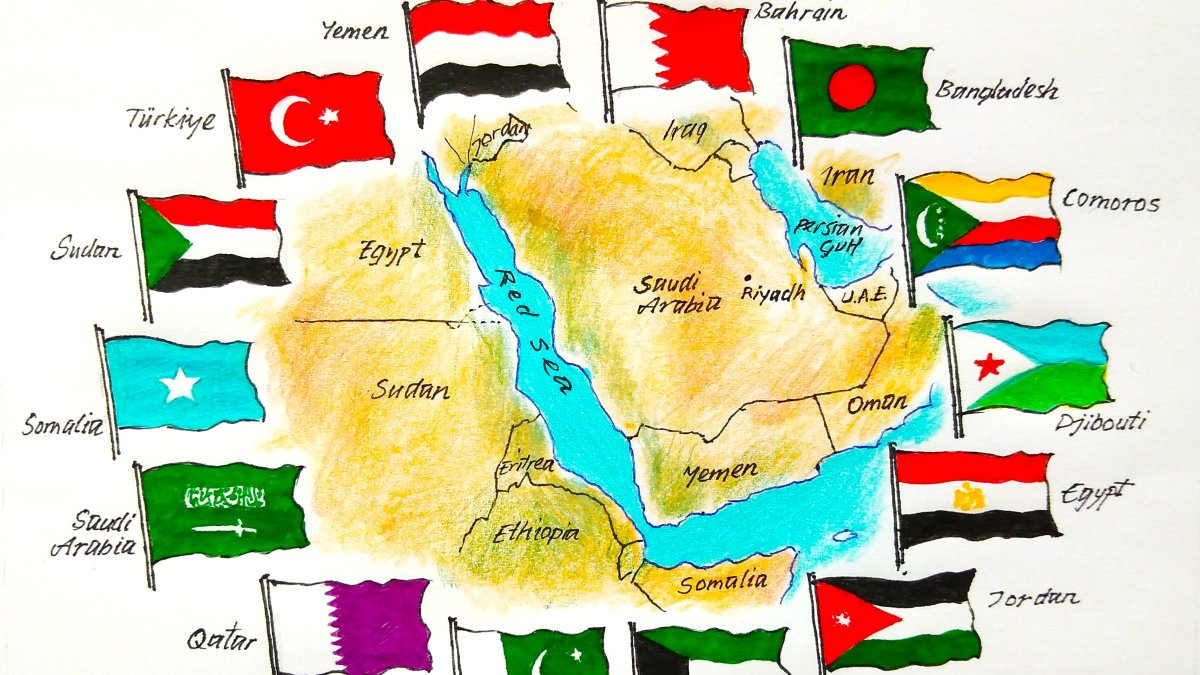
Recent events in Yemen, Sudan and Somalia have underscored the need for the nations overlooking the Red Sea to coordinate more closely to end these conflicts. These three cases represent examples where local problems have gradually entangled regional and international players with differing interests. Other disputes also affect this region and require coordination among the littoral states, including the Arab-Israeli conflict, the Egyptian-Ethiopian dispute over sharing the Nile and the more recent Ethiopian quest for sea access.
While restoring peace and security should be the primary goal of this coordination, promoting trade, investment and development and protecting the marine environment should also be part of a new and robust security architecture to safeguard the Red Sea region.
International trade and trade among the littoral states have been severely affected by these conflicts. The international community should be concerned about the economic effects of these simmering conflicts on trade. For millennia, the Red Sea has been a vital corridor for trade, connecting three continents — Asia, Africa and Europe. In normal times, this route handles 12 percent to 15 percent of international maritime trade and about 30 percent of global container traffic, according to the World Shipping Council. In 2023, the Suez Canal recorded 26,434 vessel transits, including 5,847 container ships, averaging about 16 container vessels daily.