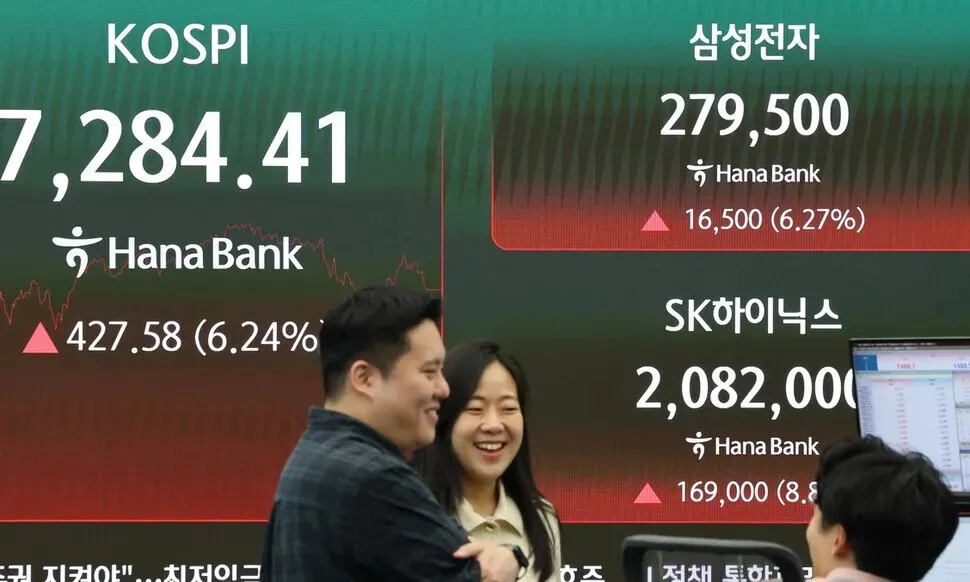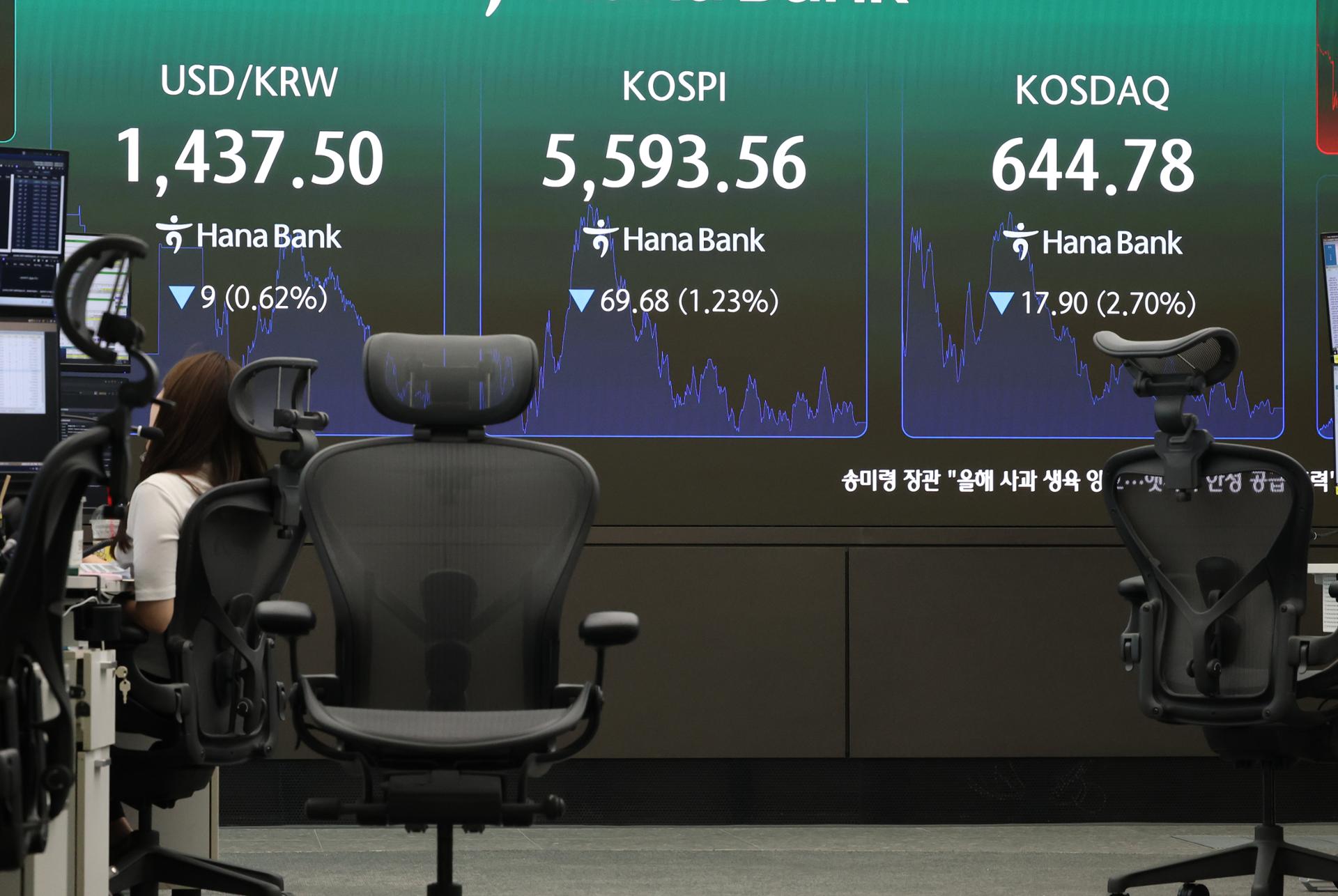
The KOSPI and Kosdaq are displayed in the dealing room of Hana Bank in Seoul, Thursday. The benchmark KOSPI closed at 5,593.56, down 1.23 percent from the previous session, while the secondary Kosdaq closed at 644.78, down 2.7 percent. Yonhap
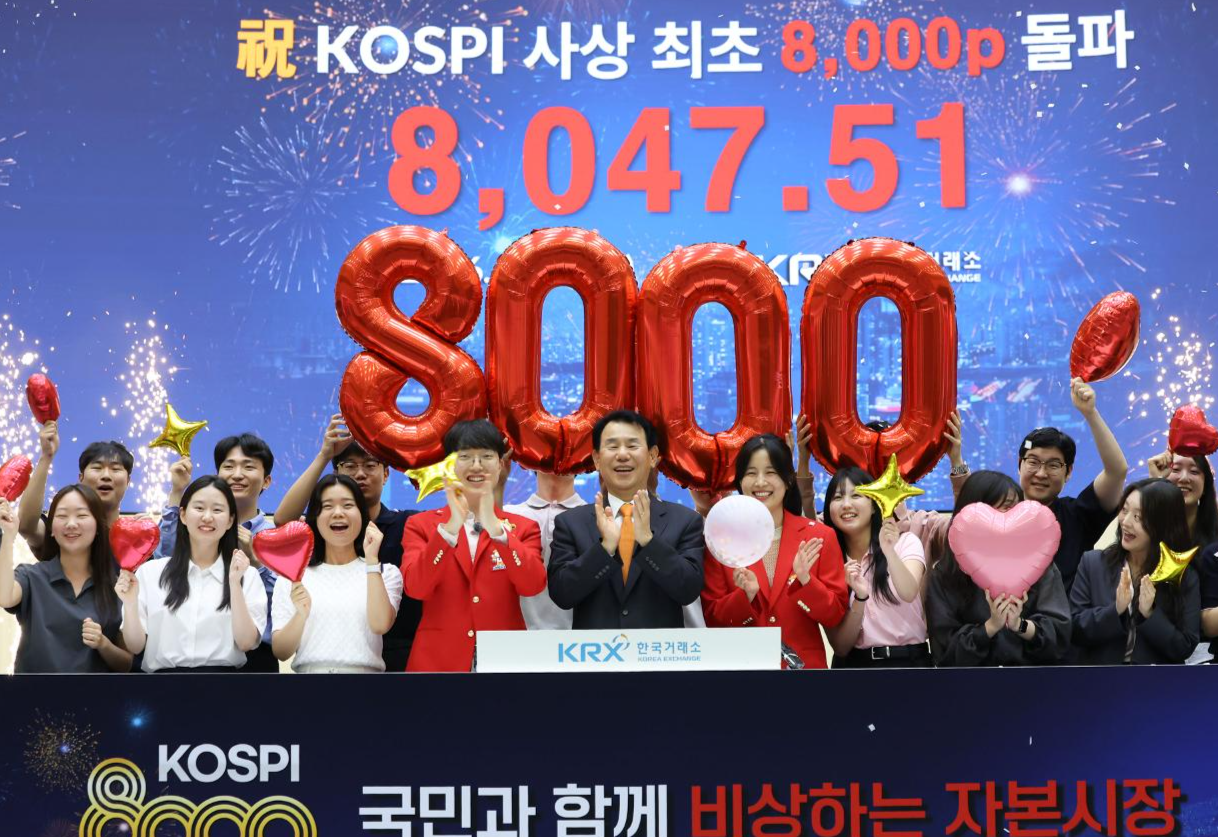
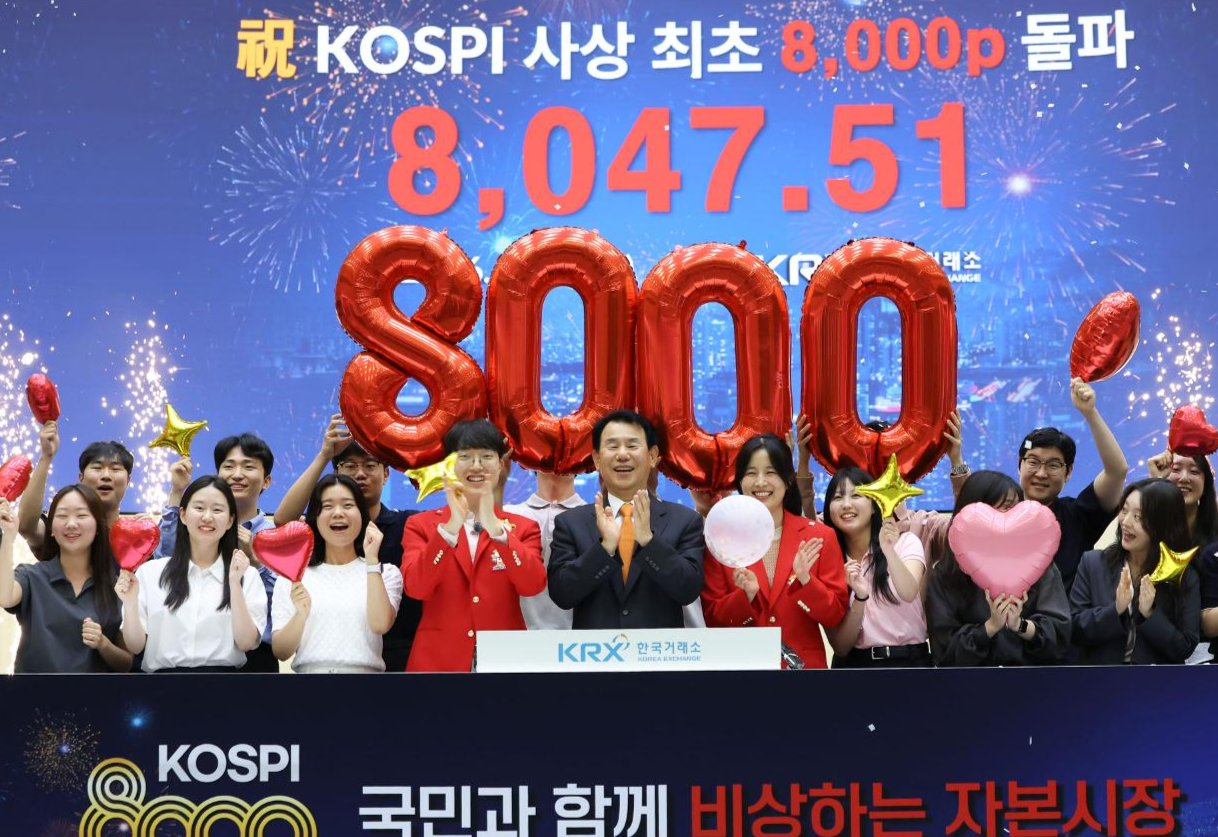
When President Lee Jae Myung took office in June 2025, he promised to lift Korea's benchmark index to 5,000. Within a year, the KOSPI reached that target and kept surging to peak at 9,000, powered by a semiconductor boom and expectations of corporate governance reform.
Barely a year into his presidency, the rally is unraveling. KOSPI has fallen back to around 5,000, this time amid an even more troubling development: extreme volatility.
At the center of the volatility are single-stock leveraged exchange-traded funds (ETFs) tied to Samsung Electronics and SK hynix. The issue is weighing heavily on the Lee administration's financial team, and calls are growing for the resignations of top policymakers, as investors largely regard their countermeasures as makeshift and far from a fundamental solution.
Introduced on May 27, the funds were intended in part to draw Korean retail investors away from leveraged products listed in Hong Kong and to ease pressure on the won-dollar exchange rate. However, the products have magnified gains and losses in some of the country's most heavily traded shares, contributing to abrupt reversals across the broader market.