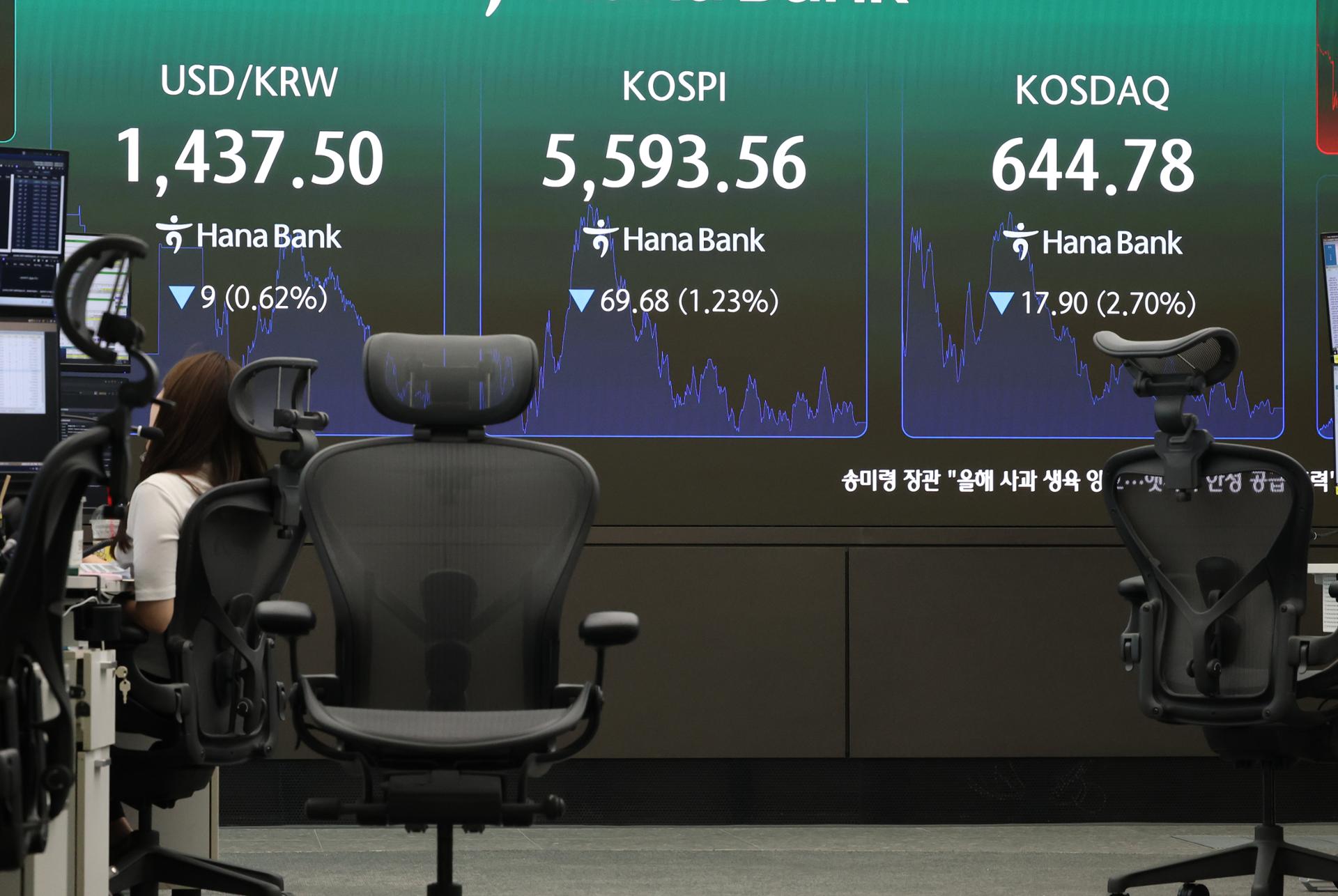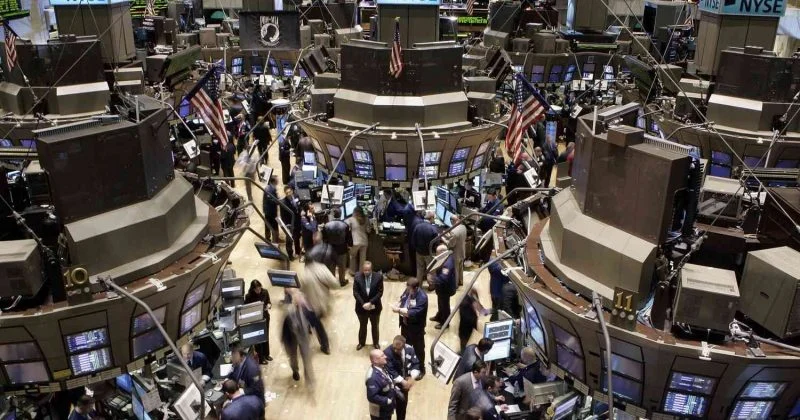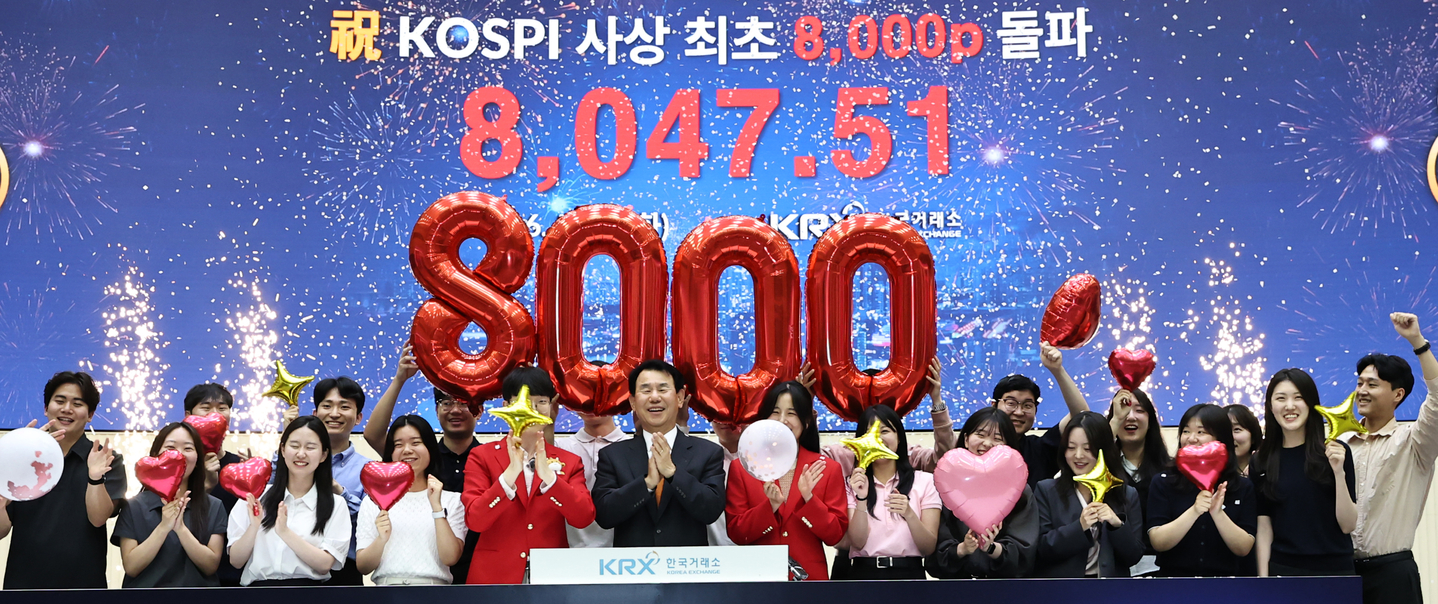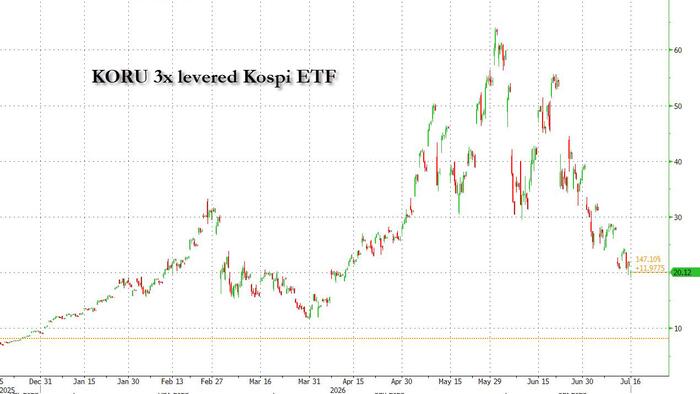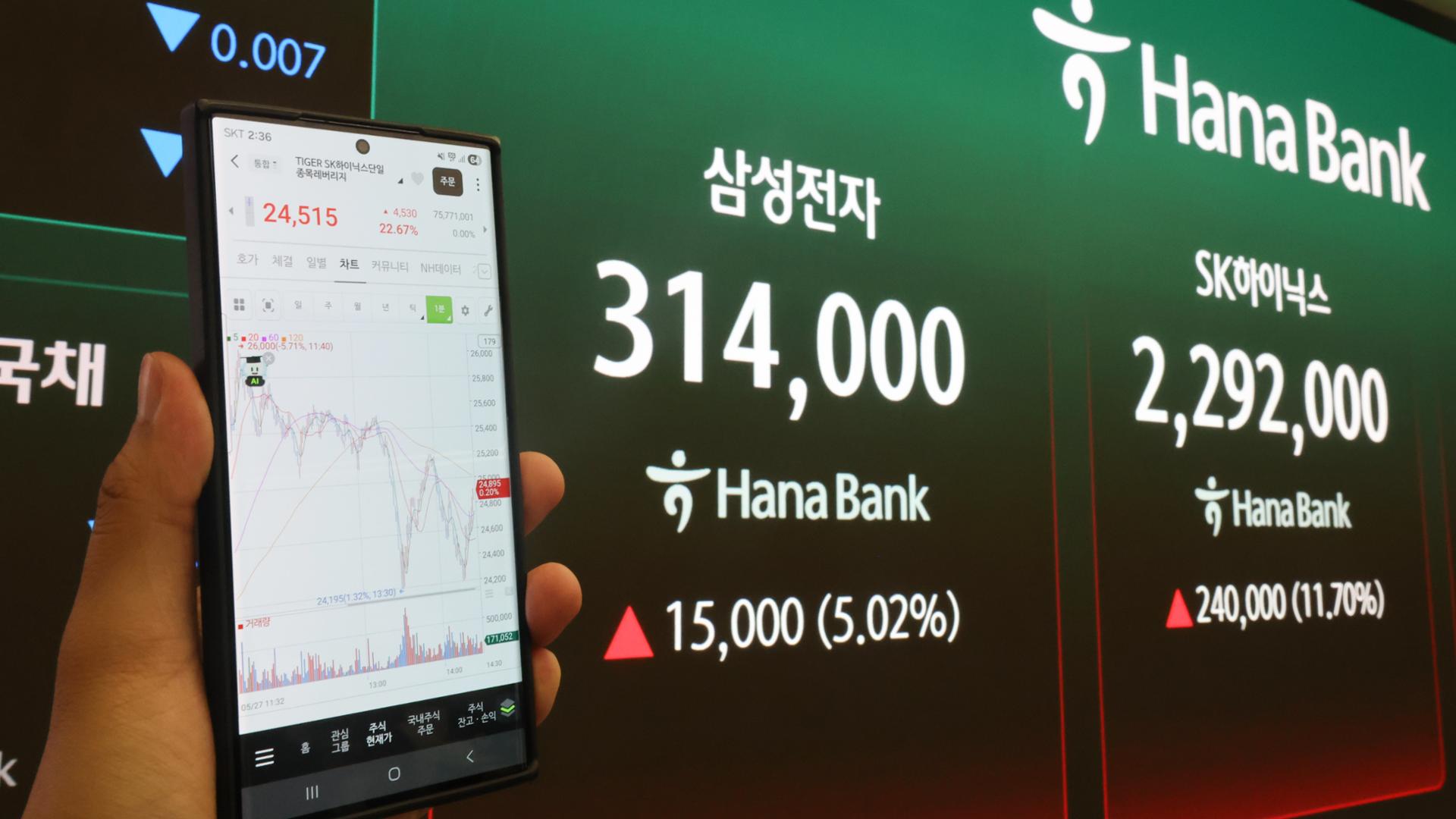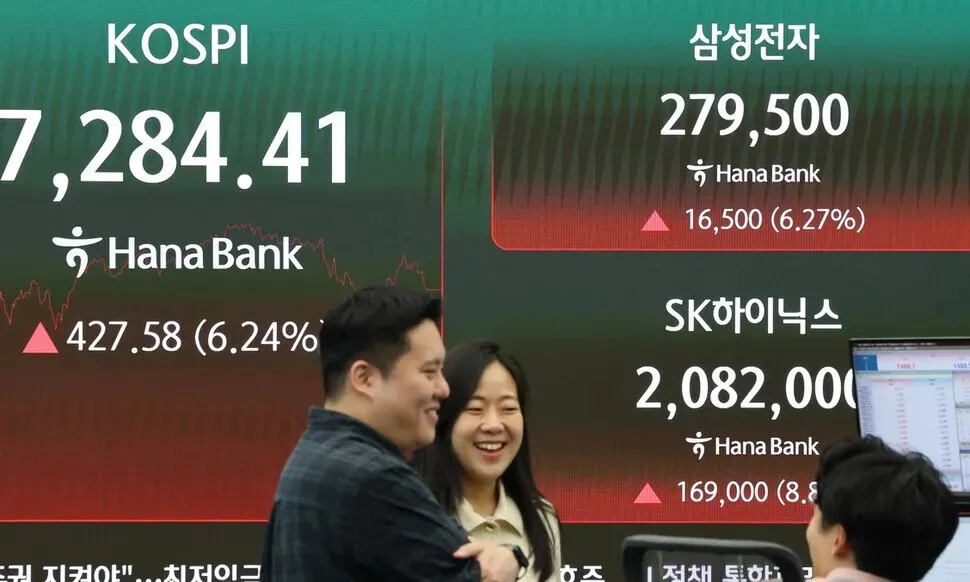
On June 11, 2025, fresh off his election, Korean President Lee Jae Myung pledged to “make investing in stocks a primary mode of investment on par with real estate,” during his visit to the Korea Exchange office building in Yeouido, Seoul. A year after he made that pledge, on June 18, 2026, the KOSPI index breached its dream mark of 9,000. As the stock market investment craze raged, individual investors poured funds from savings accounts and real estate into stocks, causing investor deposits to blow up to a record high of 139 trillion won. Lee’s policy to revitalize and modernize the stock market, in line with his pledge to raise the benchmark index to 5,000, appears, at first glance, to have achieved its goal. However, Koreans continue to question whether he has achieved the broader policy objective he articulated of creating, in the long run, “a market that will hold up well and be worth investing in.” After reaching the 9,000-point milestone, the KOSPI reversed course sharply. On Monday, roughly one month after hitting that historic high, it plunged 669.01 points (8.95%) in a single session, falling below the 7,000 mark. The index took a breather on Tuesday, before closing at 7,284.41 on Wednesday, surging 427.58 (6.24%) from the previous trading day. Market volatility is even more pronounced than it was during the global financial crisis of 2008. Since July, it has been experiencing sharp swings, with the buy-side and sell-side sidecar mechanism being activated an average of once every two days. While various policies are being pursued to broaden the base of long-term investors in the stock market, this volatility stems from a sharp increase in short-term trading by individual investors who have jumped on the bandwagon of the semiconductor supercycle. According to data released by the Korea Exchange, the KOSPI’s average daily turnover rate for listed shares in 2026 is 1.21%, roughly 1.5 times higher than last year’s average of 0.70% and 2024’s average of 0.78%. The turnover rate is an indicator calculated by dividing daily trading volume by the number of listed shares. Through this, one can measure how many times a stock’s ownership changes in one day. So far, the average daily turnover rate for 2026 exceeded 1% for more than half the months (February to May) in 2026. The last time that the turnover rate exceeded 1% was in June 2024. This investment fever can be gauged by key stock market funding figures. According to data from the Korea Financial Investment Association, as of June 18, when the KOSPI index reached 9,000 points, investor deposits stood at 128 trillion won, nearly double the 63 trillion won recorded on the same day a year ago. Deposits for exchange-traded derivatives, the margins deposited into brokerage accounts for futures and options trading, skyrocketed to 56 trillion won on the same day, more than five times the 11 trillion won recorded a year earlier. In particular, loans on margin accounts, which reflect the trend of accruing debt to fuel investments, reached 37 trillion won, roughly double the amount from 2025. While the soaring index leads to an unprecedented stock market boom, volatility has also become extreme. Sell-side and buy-side sidecars have been triggered 36 times this year, far exceeding the figure from the 2008 global financial crisis (26). The circuit breaker mechanism, which is triggered when the index plunges by more than 8% during trading hours, has been activated seven times so far this year. The mechanism has only been activated 13 times since its inception. According to analyses made by the London Stock Exchange Group and Shinhan Securities, the KOSPI’s annualized volatility stands at 57%, higher than that of Bitcoin (47%), which is typically considered a prime example of a highly volatile investment. “Compared to KOSPI, Bitcoin has become a low-volatility asset. SK Hynix and Samsung Electronics showed volatility of 90% and 78% respectively, an extreme level previously observed only in thematic stocks,” said Park Woo-yeol, a research analyst at Shinhan Securities. In a market already ablaze with volatility, single-stock leveraged products based on Samsung Electronics and SK Hynix added fuel to the fire. Investors who were unable to ride the surge led by these stocks were driven by the fear of missing out and flocked to the single-stock leveraged products, which promised twice the daily return. From the products’ launch date on May 27 through Wednesday, the total trading volume reached 402 trillion won, signaling severe market concentration by accounting for one-third of the total ETF trading volume of 1.29 quadrillion won, and 24% of the total KOSPI trading volume of 1.65 quadrillion won. Securities circles have diagnosed this as a disruption to the supply-demand balance. “Trading volumes have already become blown out of proportion, and the concentration of supply and demand among individual investors has intensified. As such, it appears it will take a considerable amount of time to resolve the impact that leveraged products are having on the market,” predicted Heo Jae-hwan, an analyst at Eugene Investment & Securities. The president also called for measures to address the issues caused by single-stock leveraged products on the same day. “The biggest issue here is that stock prices have surged far too quickly. As of the day that the index hit 9,000, Samsung Electronics rose 500%, and SK Hynix rose 900% year-on-year, which is highly abnormal,” said Yang Jun-sok, a professor of economics at the Catholic University of Korea, when assessing the current situation. “Volatility increases because of concerns that prices might fall sharply when they do drop, and single-stock leveraged products have accelerated this trend,” he said.
[News analysis] KOSPI becomes more volatile than crypto amid leverage frenzy
Single-stock leveraged ETFs poured gasoline on a market already volatile due to margin trading and high stock turnover
931 words~4 min read