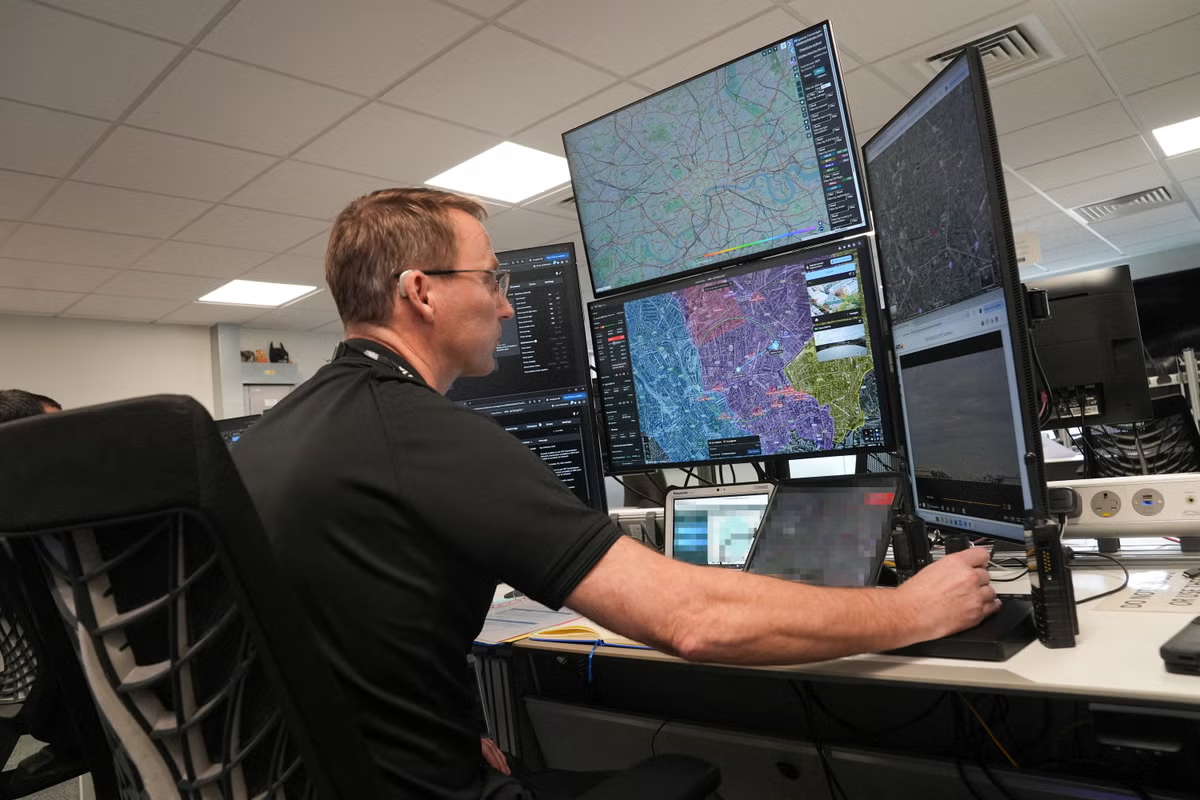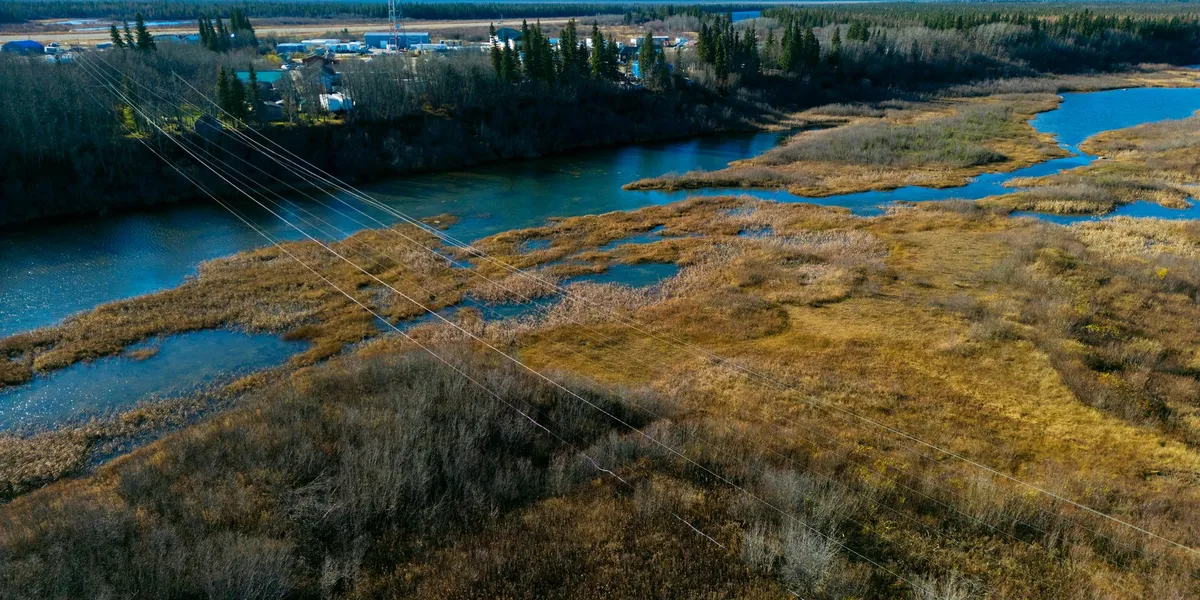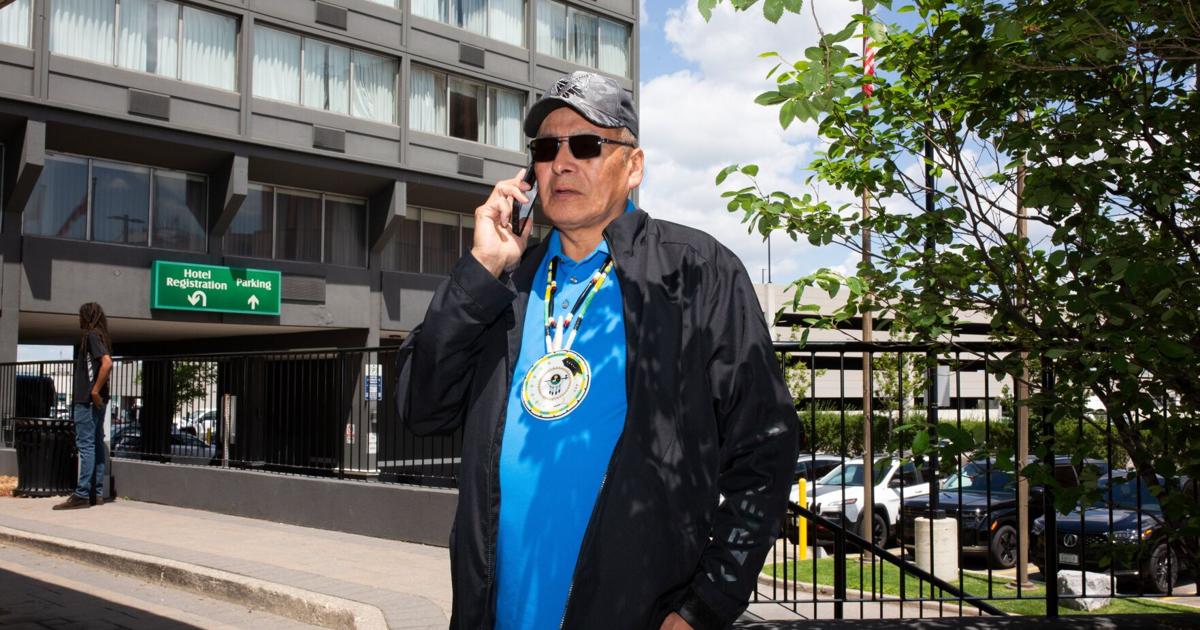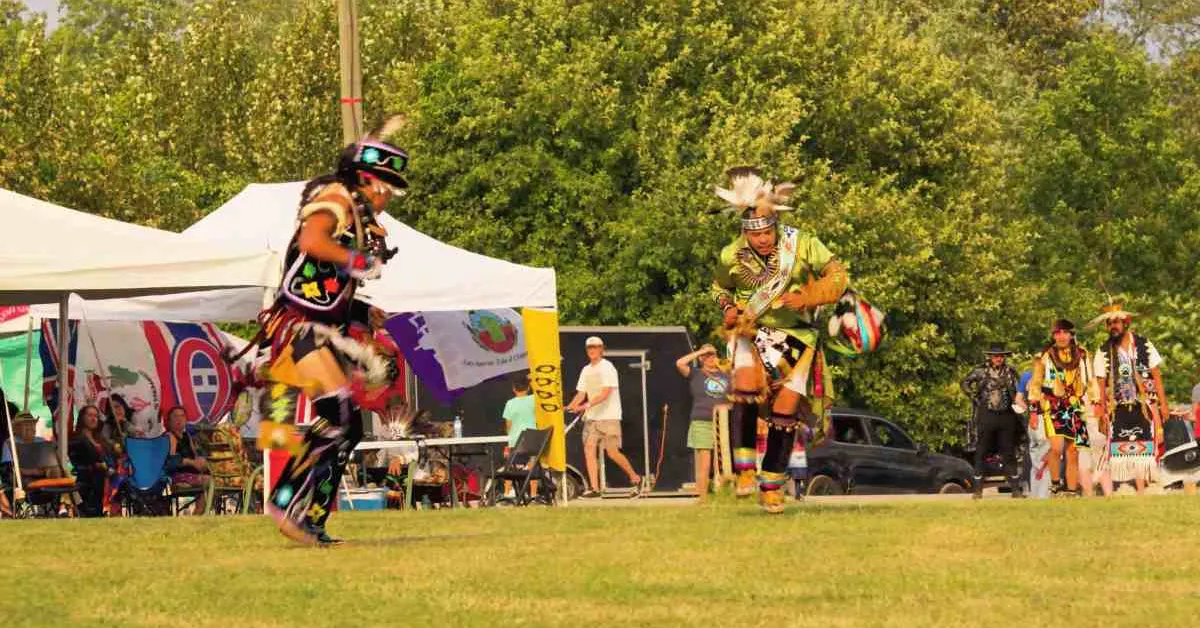
In one Indigenous community in Canada, drones have become an essential public safety tool that's helping locate missing people, respond to emergencies faster, and protect thousands of acres of land.
When community leaders first proposed using drones to help protect residents, not everyone was convinced. Some questioned the cost. Others worried about privacy. But then the drones started finding missing people, guiding first responders, and responding to emergencies in seconds instead of nearly an hour.
Today, the Indigenous-led drone program in Wiikwemkoong Unceded Territory — one of Canada’s few recognized unceded First Nation territories — has become a model that other communities are eager to learn from. Located on Manitoulin Island, the world’s largest freshwater island, the community conceived, funded, and operates the entire program itself, making it one of Canada’s most notable examples of Indigenous-led public safety technology.
And unlike many technology projects, this one didn’t begin with a wish list of new gadgets. It began with a conversation about protecting people.
Years ago, community leaders were discussing whether they should invest in surveillance cameras and, eventually, drones. The technology wasn’t cheap, and there wasn’t really a blueprint for another First Nation doing something similar.