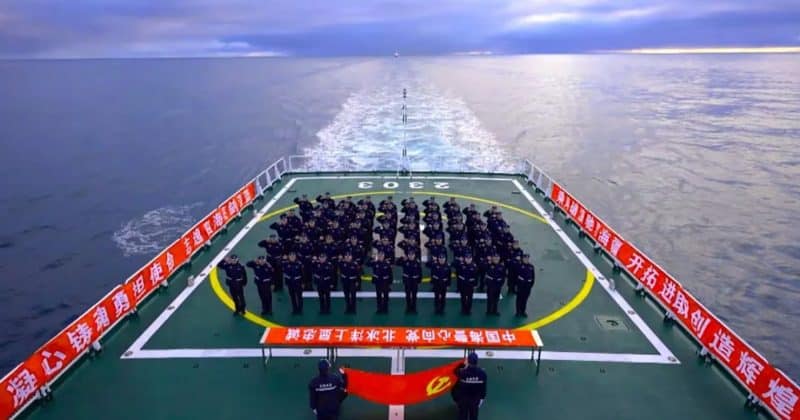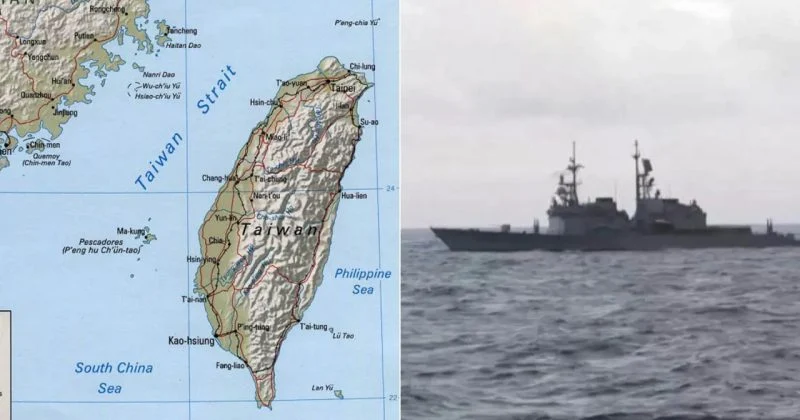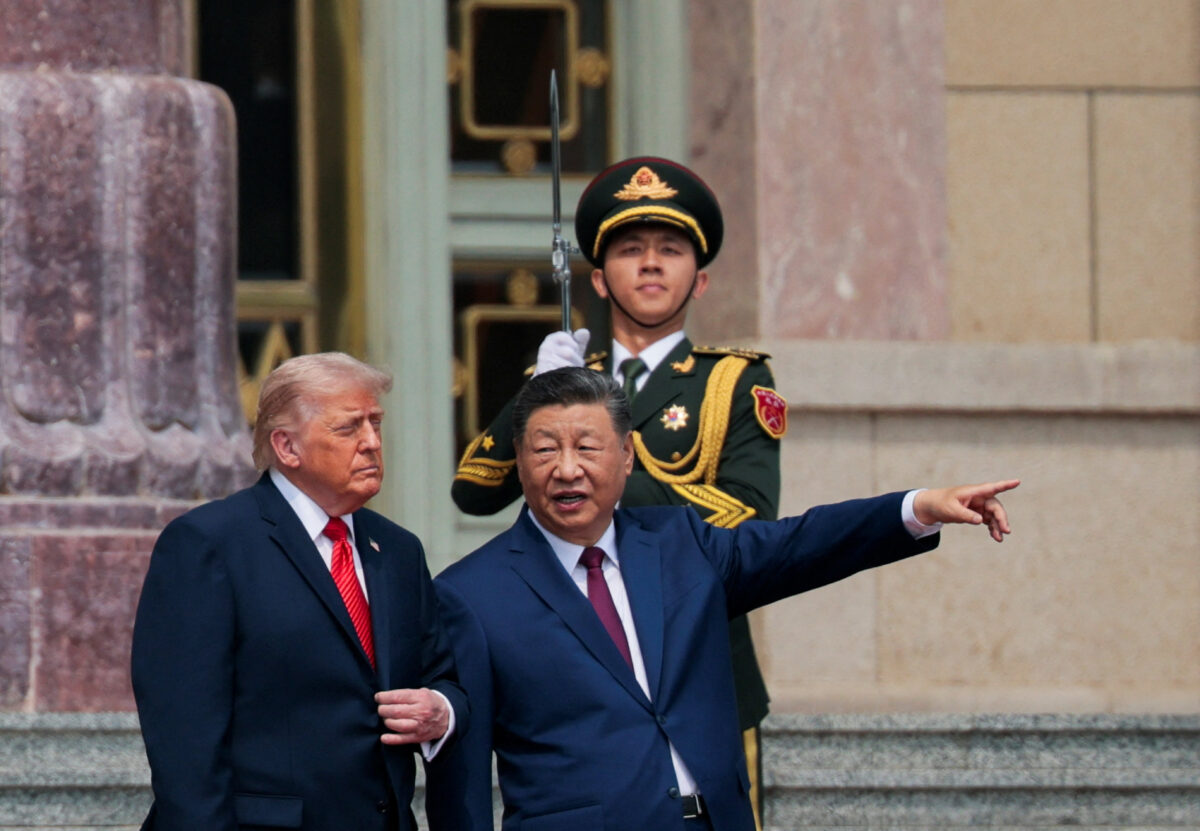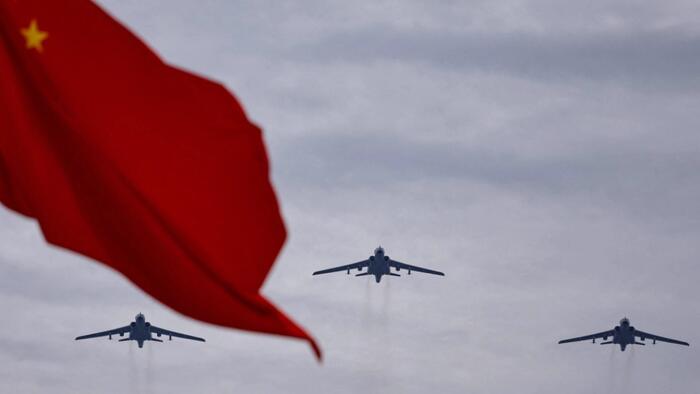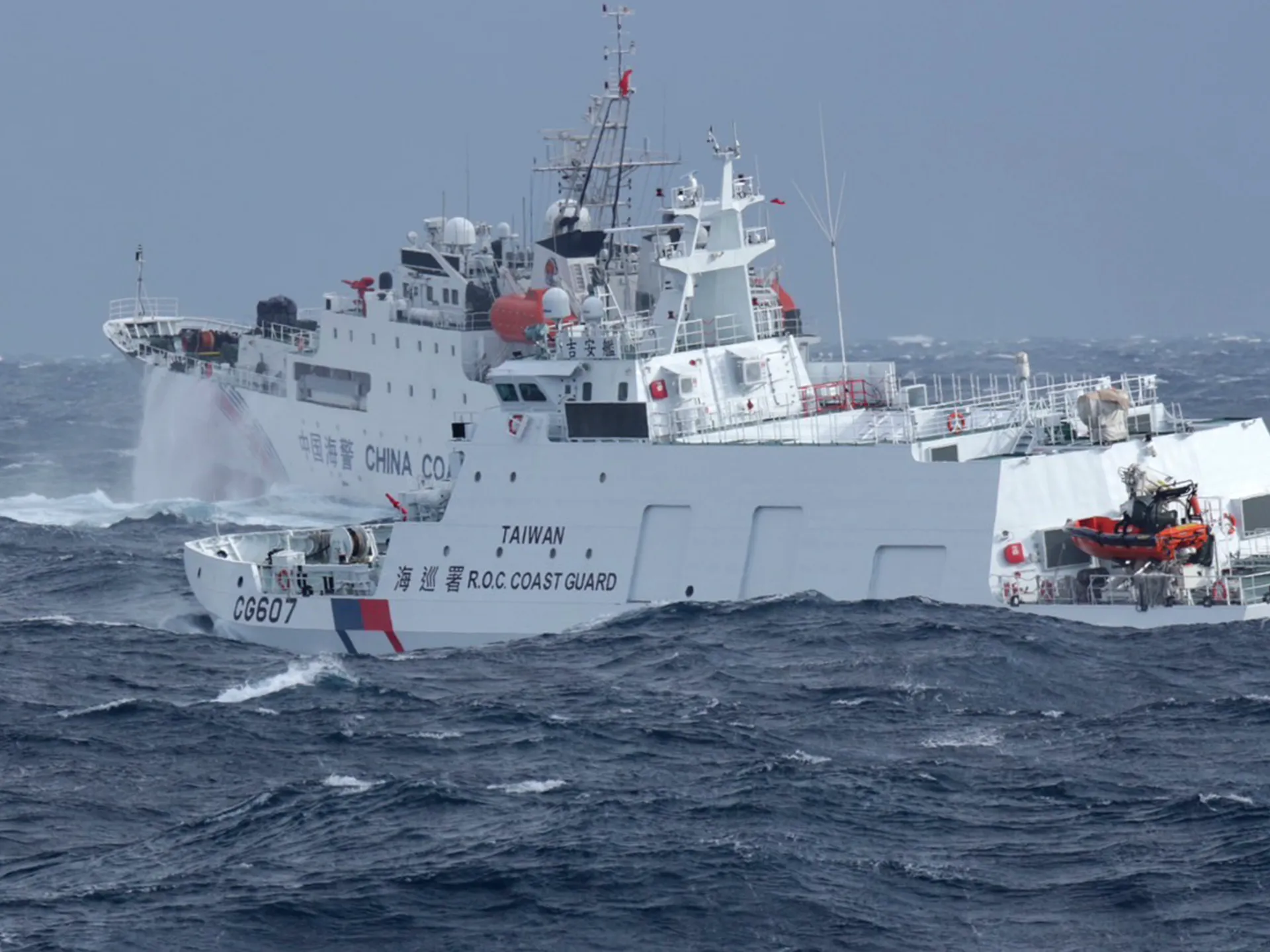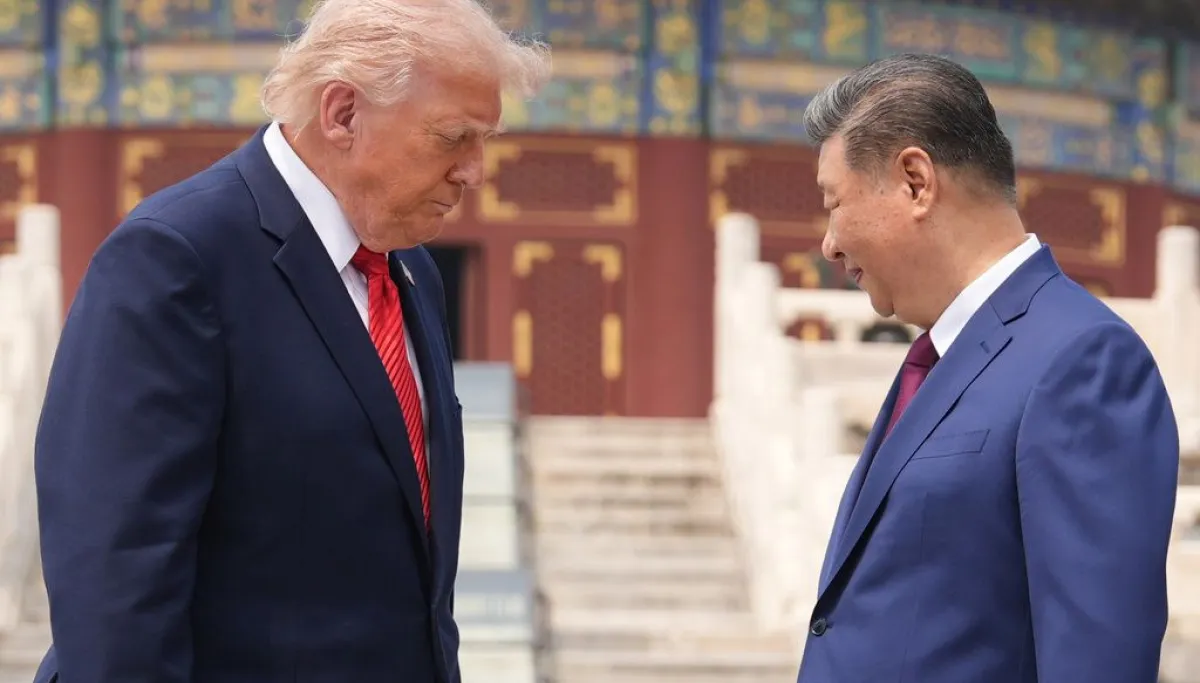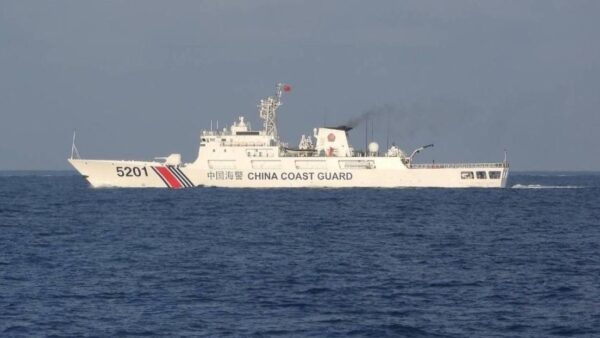
China’s military pressure on Taiwan remained generally stable in the first half of 2026, with no major escalation in military aircraft or naval vessel activity. Tensions ran lower than at the end of 2025. This owes largely to the multiple opportunities for direct meetings that the U.S. and Chinese leaders arranged in 2026. For example, during the mid-May 2026 summit between Xi Jinping and Donald Trump, from May 13 to 17, daily sorties by Chinese military aircraft detected around Taiwan fell to an average of three, with zero sorties on both May 14 and May 15. By comparison, the daily average for the first half of 2026 was 7.5 sorties.
After the summit concluded, the People’s Liberation Army (PLA) conducted a joint combat readiness patrol on May 19; Taiwan’s Ministry of National Defense detected 24 military aircraft that day.
At least two more opportunities for the U.S. and Chinese leaders to meet remain in 2026: in September, when Xi is expected to visit the United States, and in November, when China hosts the APEC summit. (Some suggest the two leaders will also come together at the G20 summit in December, although Xi has not attended every G20 summit in person in recent years.) But this does not mean China’s military pressure on Taiwan will stand still in 2026. Quite the opposite: China needs to seize every opportunity to create a de facto advantage on the Taiwan topic ahead of these meetings.