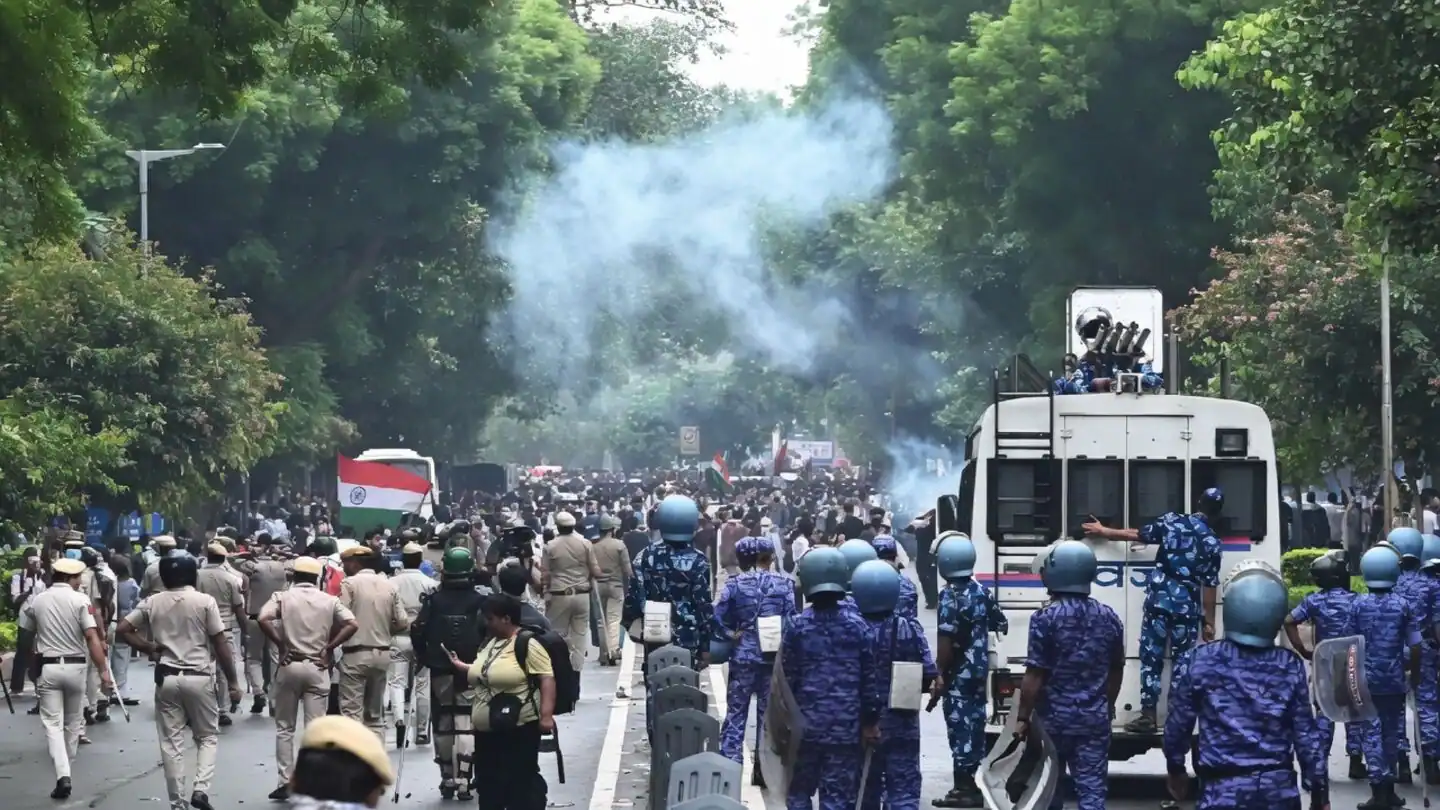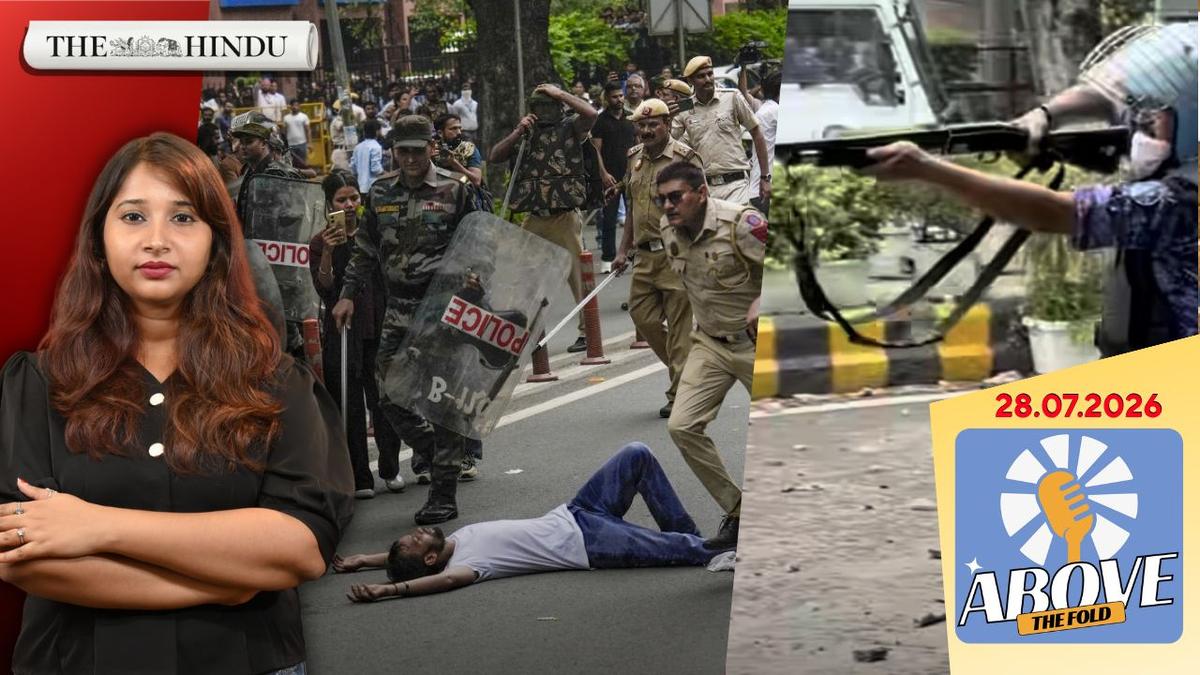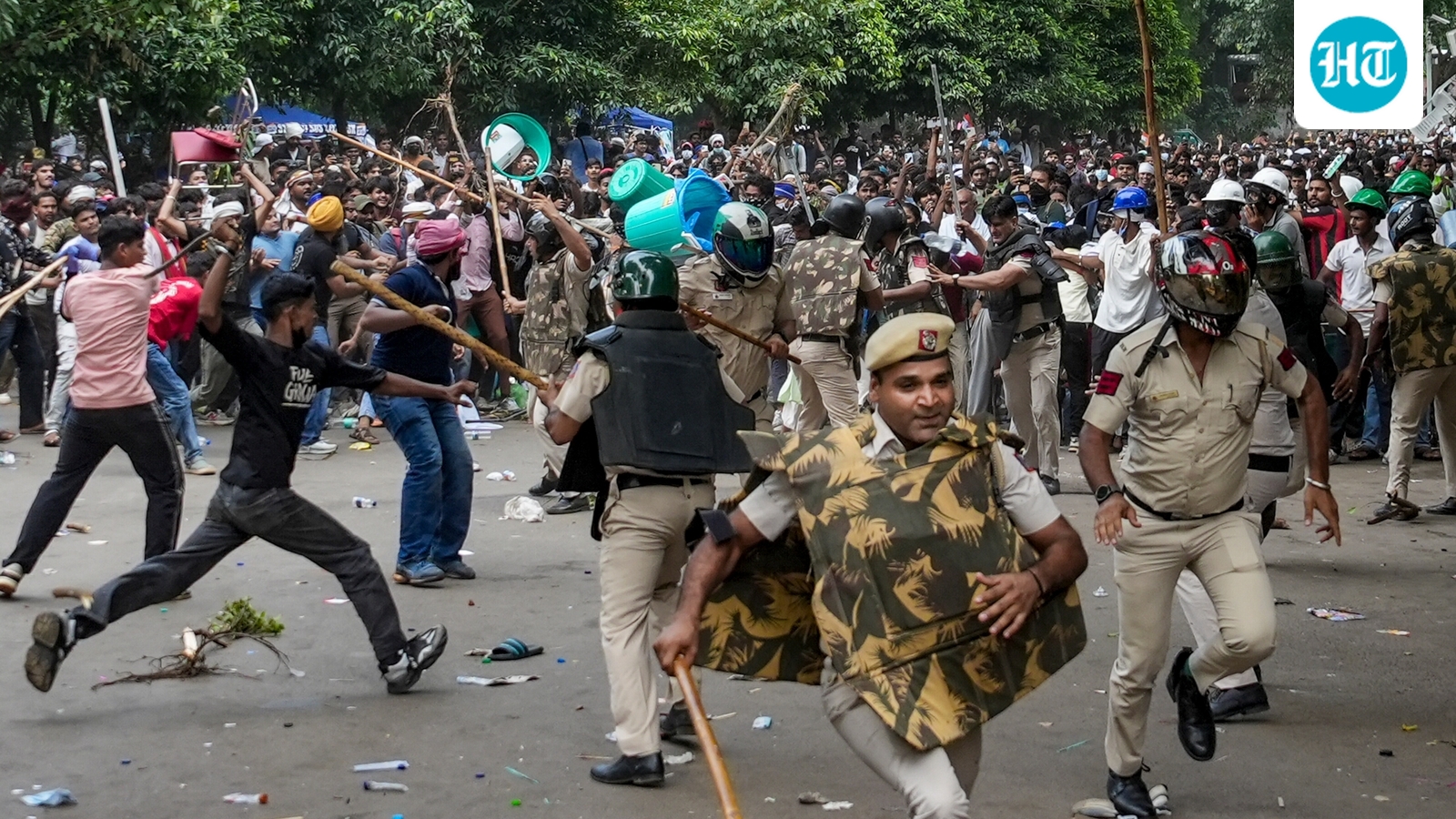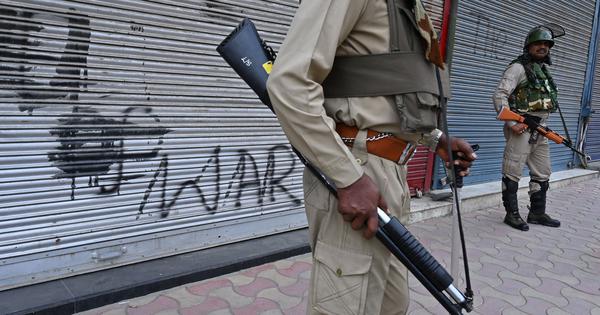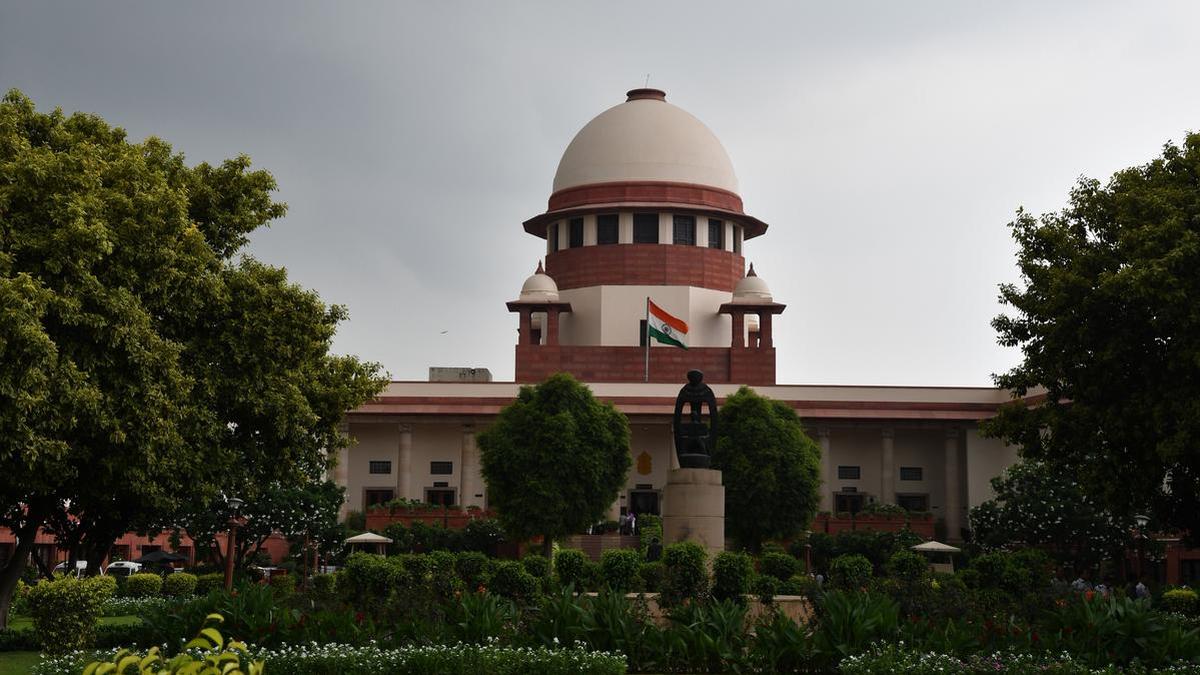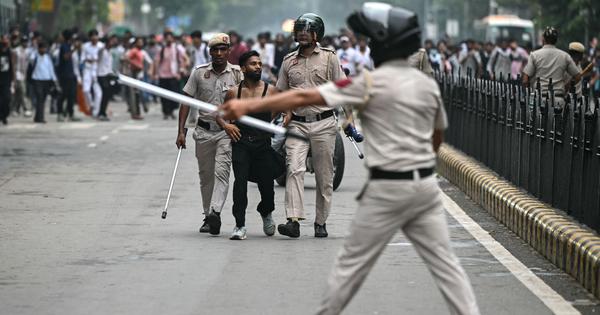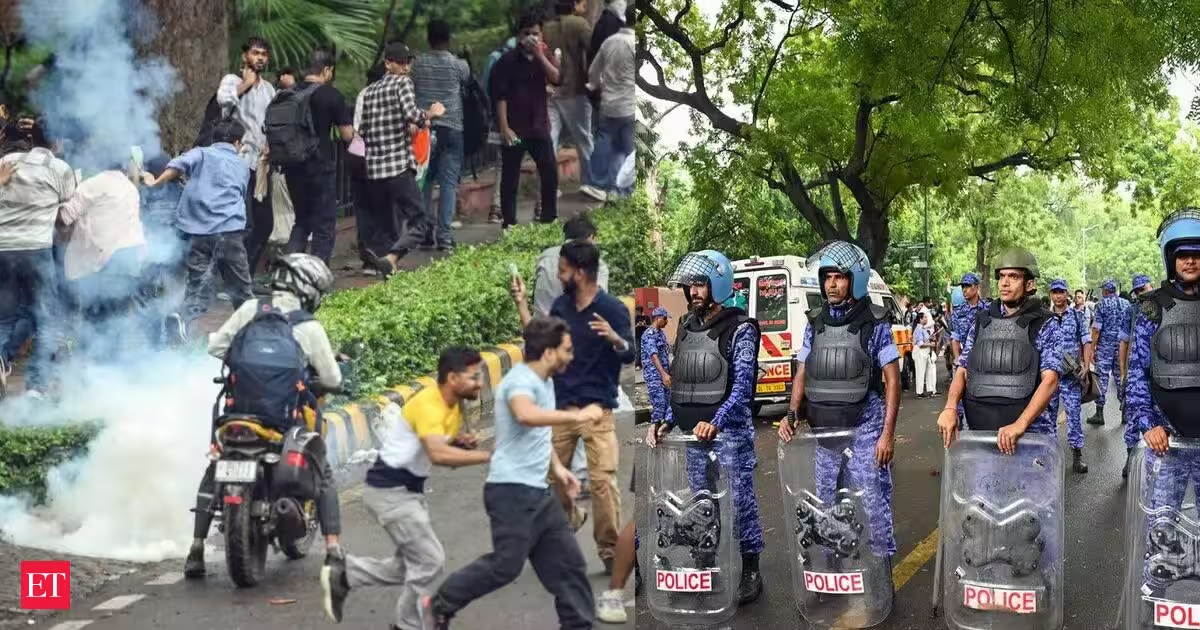
The Supreme Court on Thursday said police forces can be permitted to use pellet guns in exceptional situations, even as it took up a plea seeking a complete ban on the use of metallic pellet guns to deal with law and order situations.The observation came during hearings on a batch of petitions arising out of the July 20 Cockroach Janta Party (CJP)-led protest at Jantar Mantar over the alleged NEET paper leak, during which several demonstrators sustained pellet injuries.Also read: What police use to control violent protests: Inside India's riot-control arsenalThe court directed the Delhi government to ensure that those who suffered pellet injuries during the protest receive the best possible medical treatment.It also asked the Centre to preserve the ammunition log of the Rapid Action Force (RAF) personnel who were deployed at Jantar Mantar during the students' protest, a move seen as significant given the fight over what force was actually used and on whose orders.The case traces back to the July 20 "Sansad Chalo" march organised by the CJP, which drew thousands of students to central Delhi demanding the resignation of then Union education minister Dharmendra Pradhan over alleged irregularities in the NEET examination.Also read: 'Treating students like terrorists': Priyanka Gandhi attacks Centre over lathicharge, tear gas and pellet guns on anti-NEET protestersAs protesters attempted to breach police barricades, the Delhi Police, assisted by the CRPF's RAF, resorted to tear gas shelling and lathi-charge, and several protesters alleged they were also fired upon with pellet guns, despite the Delhi Police's initial denial that such weapons were used.
Supreme Court permits pellet guns in exceptional cases during Jantar Mantar protest hearing
The Supreme Court permits police pellet gun use in exceptional situations. This observation came during hearings on petitions arising from a protest. The court directed the Delhi government to provide medical treatment. It also asked the Centre to preserve ammunition logs. This move is significant given the dispute over force used.
259 words~1 min read