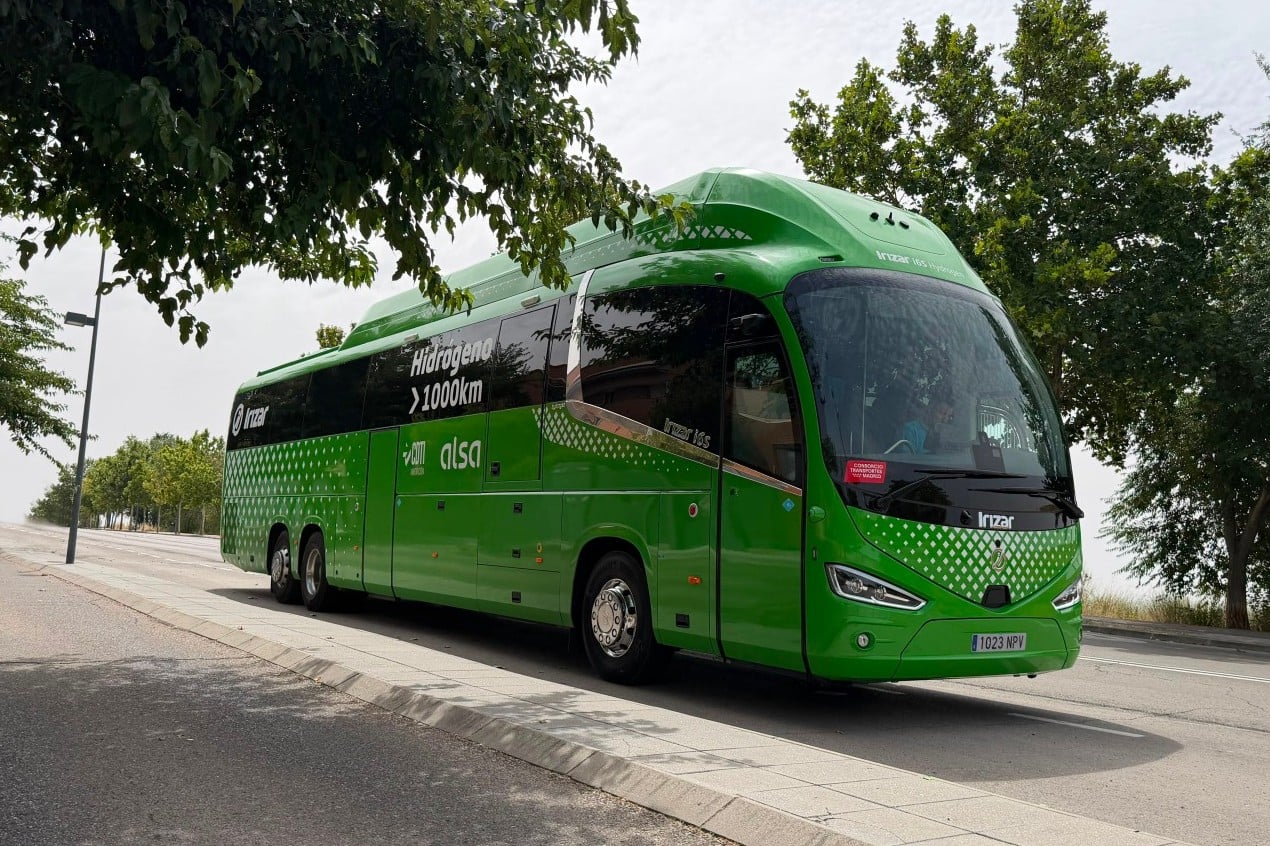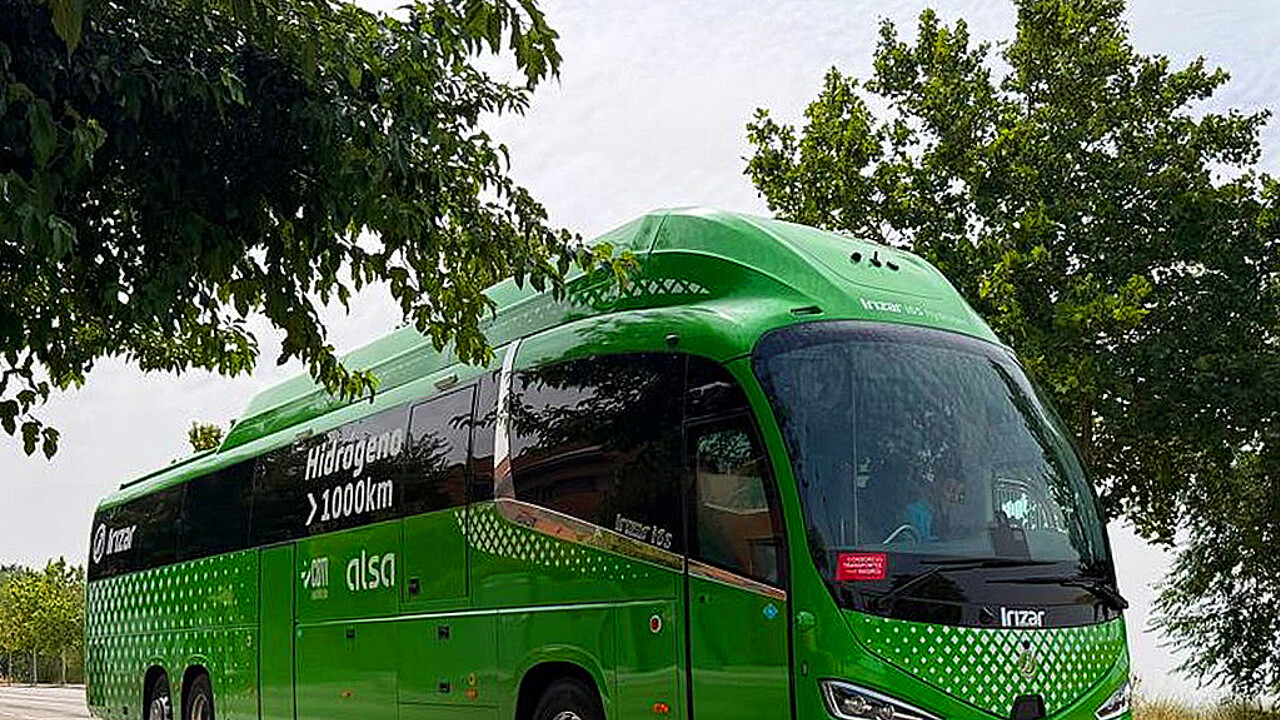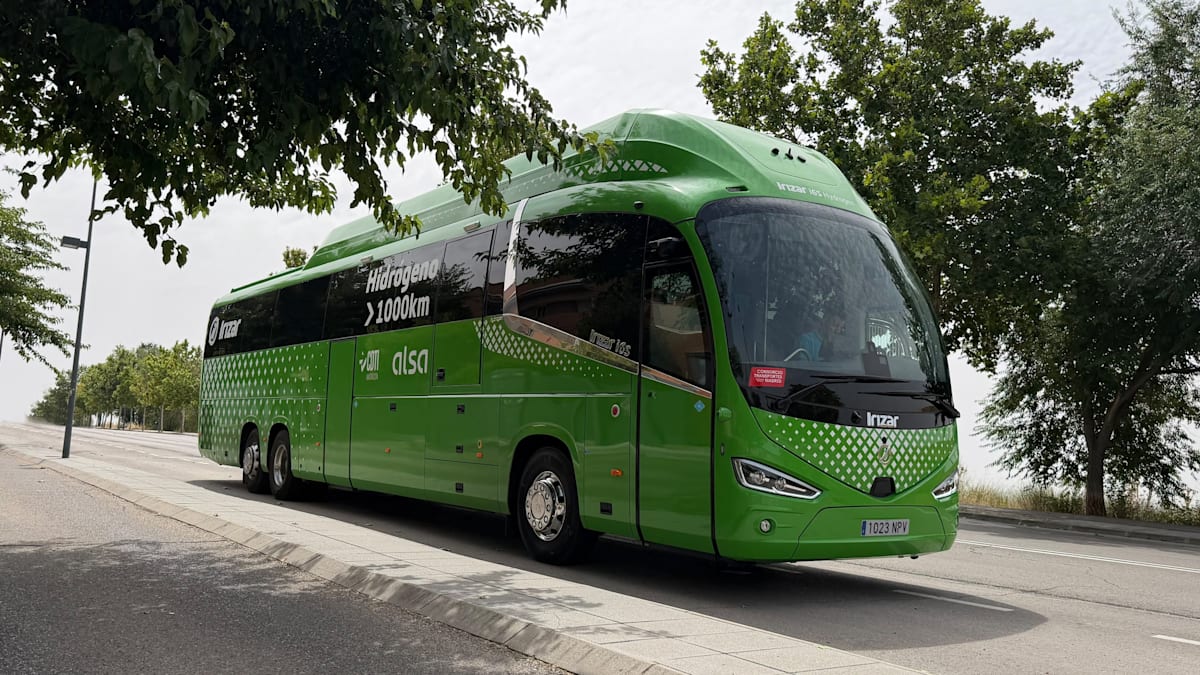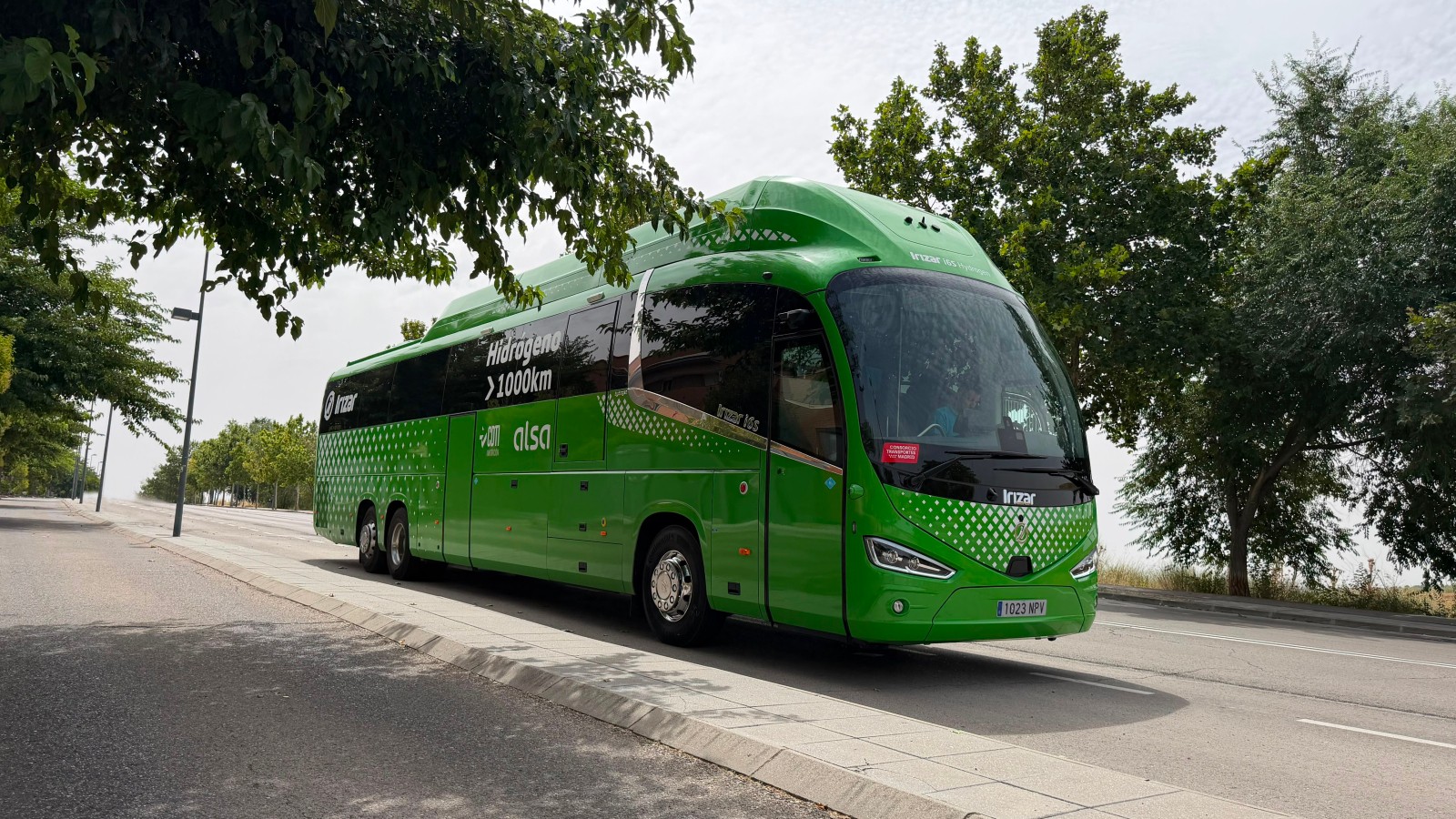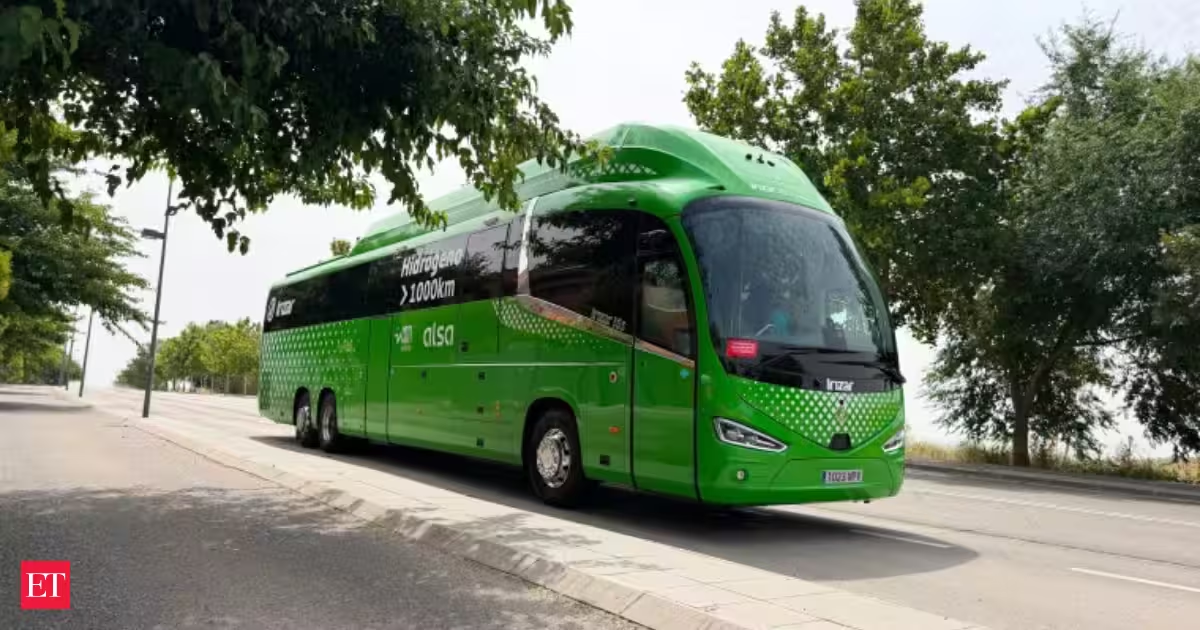
A hydrogen-powered bus capable of travelling more than 1,000 kilometres on a single tank has been quietly transporting passengers in Madrid, Spain, since June as part of a real-world trial aimed at accelerating zero-emission public transport.According to a Bosch release, the bus, built by Spanish manufacturer Irizar and operated by Alsa, is equipped with Bosch's latest fuel-cell power module (FCPM). The pilot project is designed to demonstrate the viability of hydrogen fuel-cell technology for long-distance and high-frequency bus services.Hydrogen bus enters passenger service in MadridThe hydrogen-powered bus has already completed extensive testing and regulatory approvals before entering regular passenger service in Madrid.According to the Bosch release, the trial focuses on routes where the vehicle's long operating range can showcase the advantages of hydrogen fuel-cell technology over conventional battery-electric buses."Fuel cells are especially well-suited for buses that travel longer distances every day and rarely have the opportunity to charge en route. With this trial, we can clearly demonstrate that Bosch's fuel-cell technology is ready for the demands of large-scale deployment in passenger transport," Bosch said in the release.Over 1,000km range with rapid refuellingThe test vehicle is powered by Bosch's FCPM C190 fuel-cell system, which uses a compact horizontal double-stack design and delivers 190 kilowatts of continuous power.According to the release, the hydrogen bus offers:A driving range of more than 1,000kmHydrogen refuelling in 10 to 15 minutesSuitability for both urban and intercity operationsBosch also offers two additional fuel-cell systems: the FCPM C100, designed for city buses, and the FCPM C300, developed for heavy-duty coaches and trucks.EU climate rules driving cleaner public transportThe demonstration comes as European public transport operators prepare for stricter emissions regulations.According to the Bosch release, European Union rules require carbon emissions from newly registered city buses to be reduced by 90 per cent by 2030 compared with 2019 levels. Similar targets will apply to other bus categories from 2040.Fuel-cell buses are recognised by the EU as zero-emission vehicles, making them an important option for operators seeking alternatives to diesel-powered fleets.The European Automobile Manufacturers' Association (ACEA) reported that more than 38,000 new buses were registered across the European Union in 2025, highlighting the scale of the market transitioning towards cleaner transport technologies.Bosch expands hydrogen technology portfolioBeyond hydrogen-powered buses, Bosch is investing across the hydrogen value chain.According to the release, the company is developing technologies for:Hydrogen production through its Hybrion PEM electrolysis stackHydrogen refuelling infrastructureHydrogen combustion enginesFuel-cell systems for commercial vehiclesBosch said its hydrogen technologies are intended to support the broader transition towards low-carbon transport and industrial applications.Why hydrogen buses matterWhile battery-electric buses are increasingly common in urban transport, hydrogen fuel-cell buses offer advantages for routes requiring longer distances, shorter refuelling times and minimal downtime.The Madrid trial is expected to provide valuable operational data on the reliability and efficiency of hydrogen-powered public transport under real-world conditions.
1,000-plus km on a single tank: While the world focuses on EVs, this hydrogen bus, which refuels in just 15 minutes, has emerged as a promising clean-fuel alternative
Hydrogen Bus Spain: A hydrogen-powered bus has been transporting passengers in Madrid, Spain, since June as part of a real-world trial. Powered by Bosch's fuel-cell technology, the bus offers a driving range of more than 1,000 kilometres on a single tank of hydrogen, demonstrating the potential of fuel-cell vehicles for long-distance public transport.
465 words~2 min read