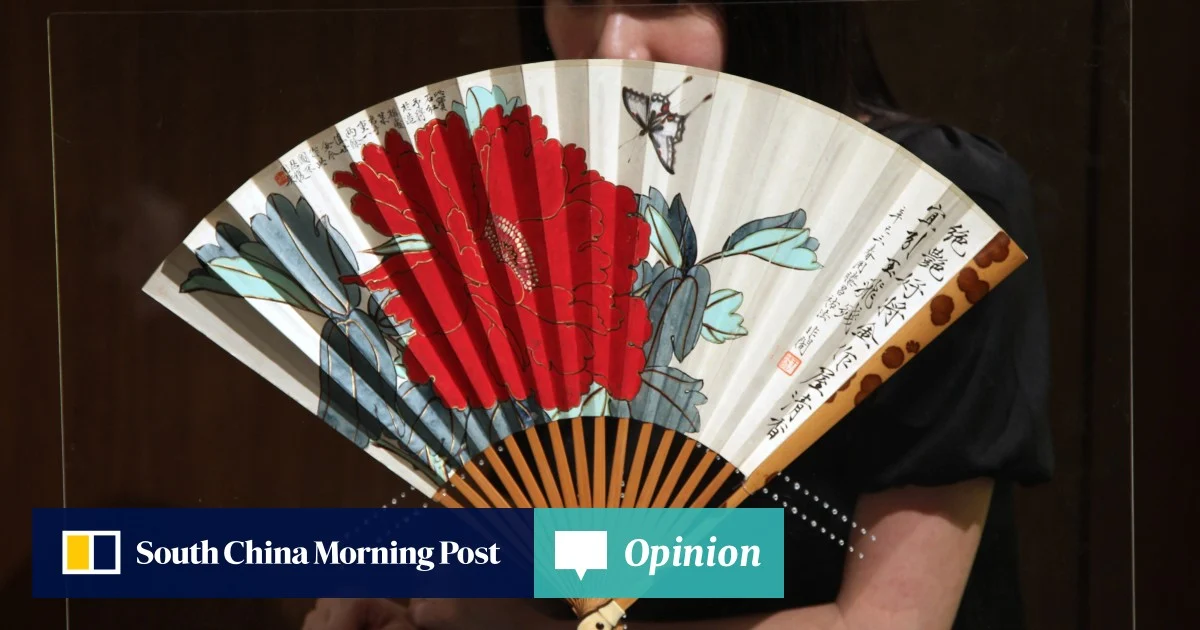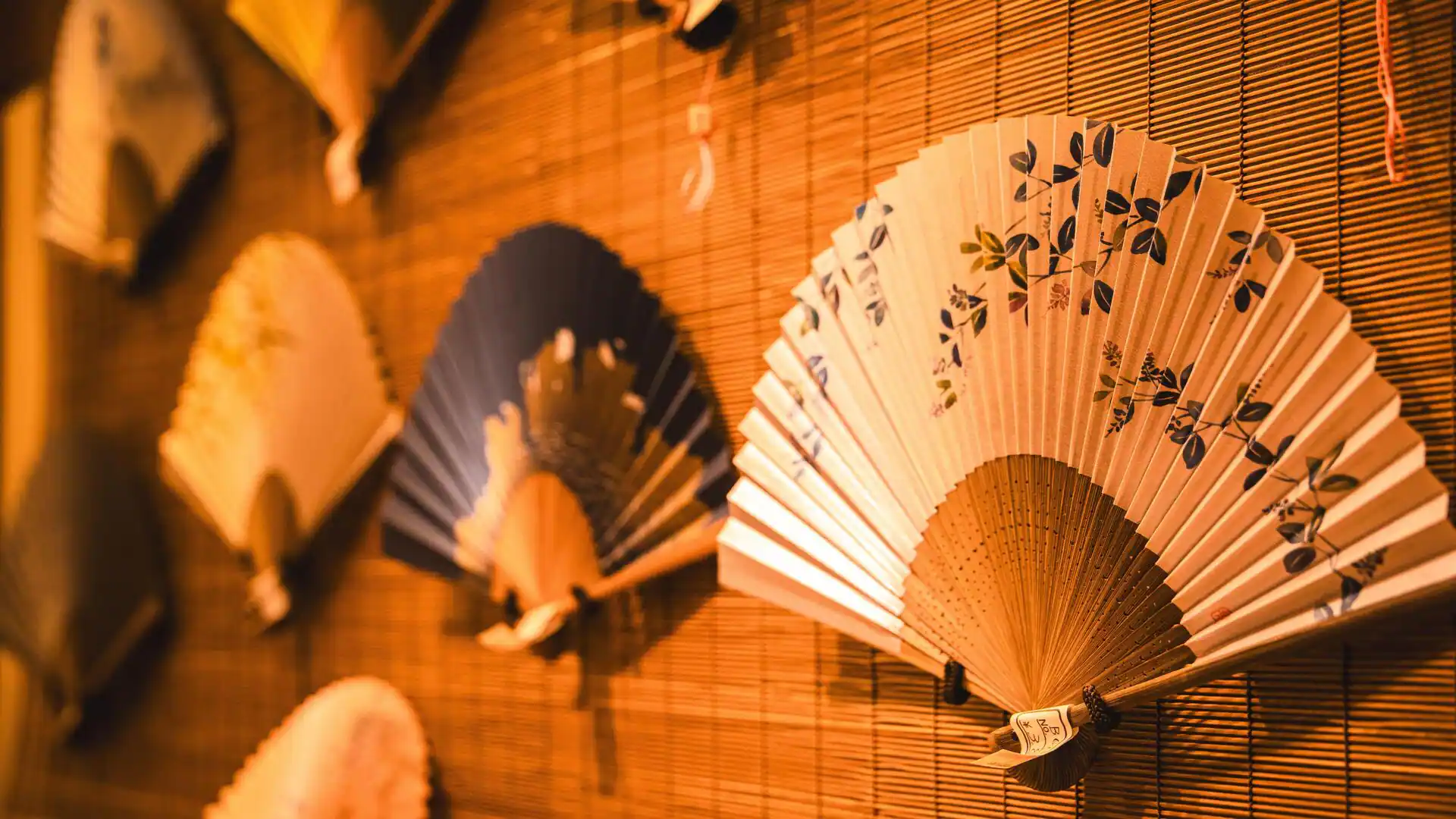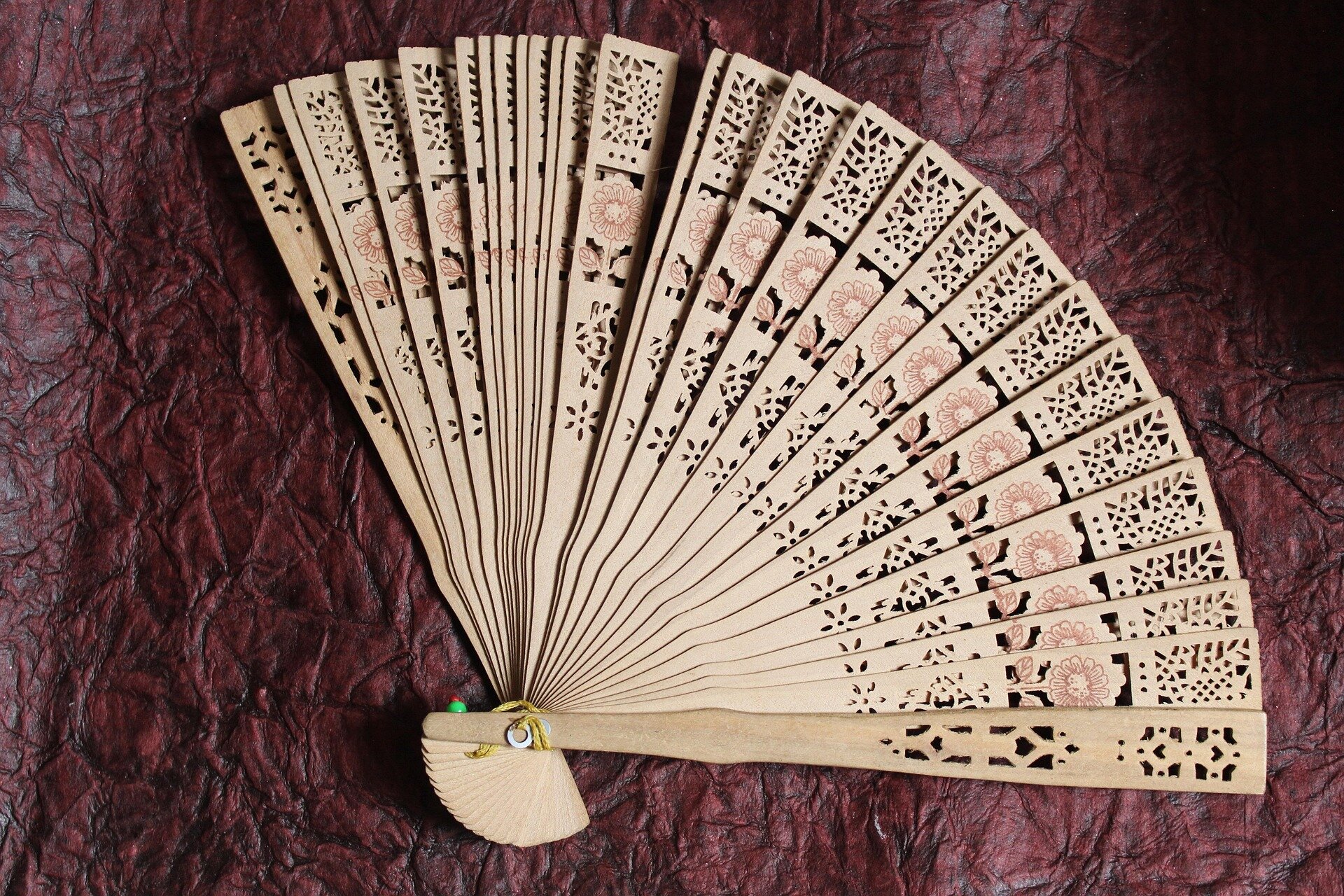
At first glance, it’s just a hand fan. Just a cute little prop for a dance performance, or something you use to cool off in the blazing heat. But every flick of the wrist unfolds a hidden gem. Let us look beyond the pretty designs and uncover how hand fans were used through history.Fanning origins
A pukuishan, a type of Chinese fan made with palm weaving.
| Photo Credit:
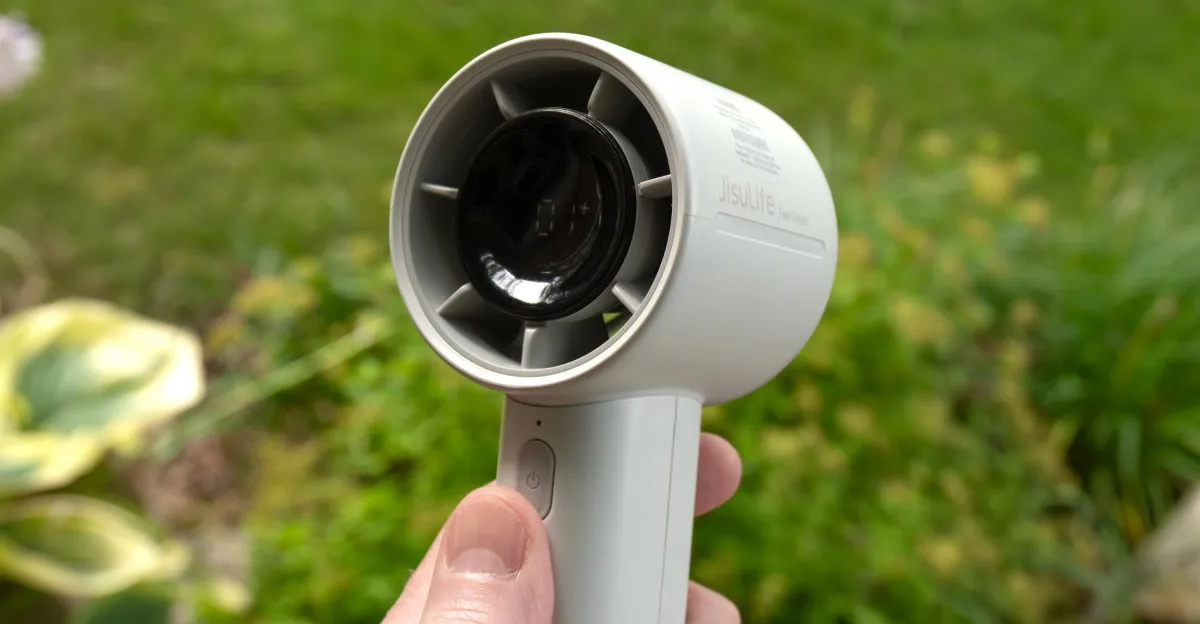
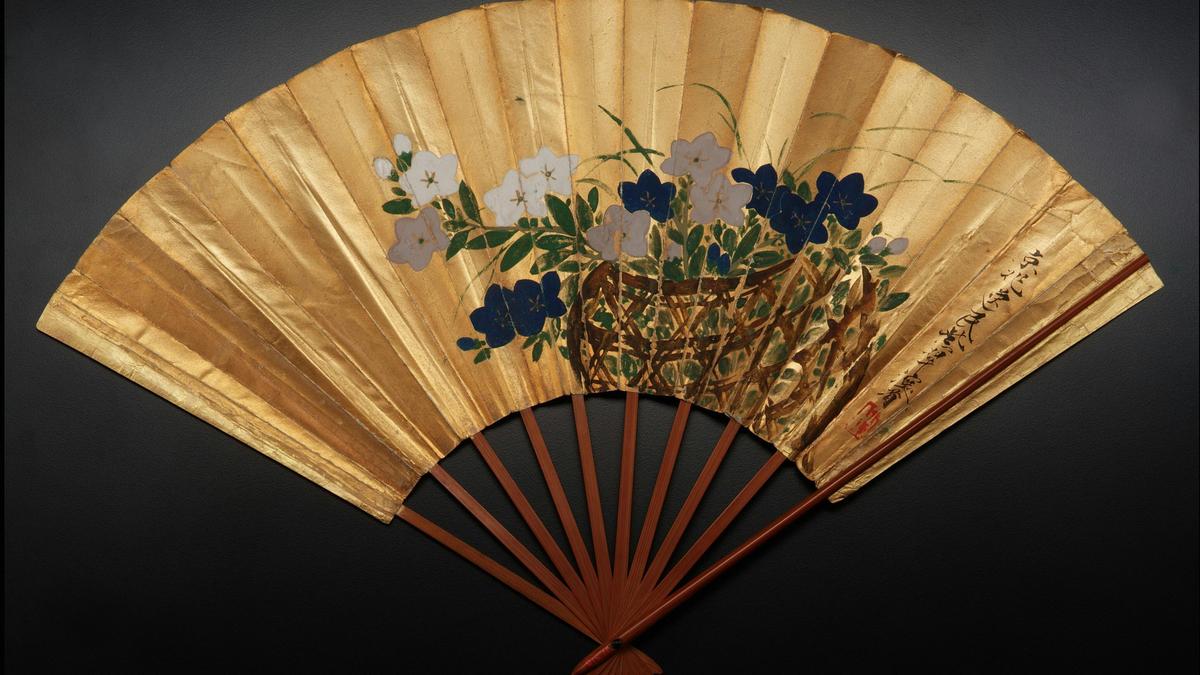
The earliest hand fans originated in Ancient China and Egypt. They were either made from feathers, silk, palm leaves, or paper. They were more rigid, and flat, (as opposed to the folding fans we see today) and were used mostly for ceremonial purposes.Folding fans were not invented until 8th Century Japan. They were called sensu.Eventually, they made their way to Europe in the 16th Century via trade routes with East Asia. They would become a very popular accessory among women in the 18th and 19th centuries.While they are replaced with electric, motor-driven hand fans today, the traditional ones are still in fashion today, although not as much as they used to be.
Spectators cool themselves with a hand fan during Wimbledon.