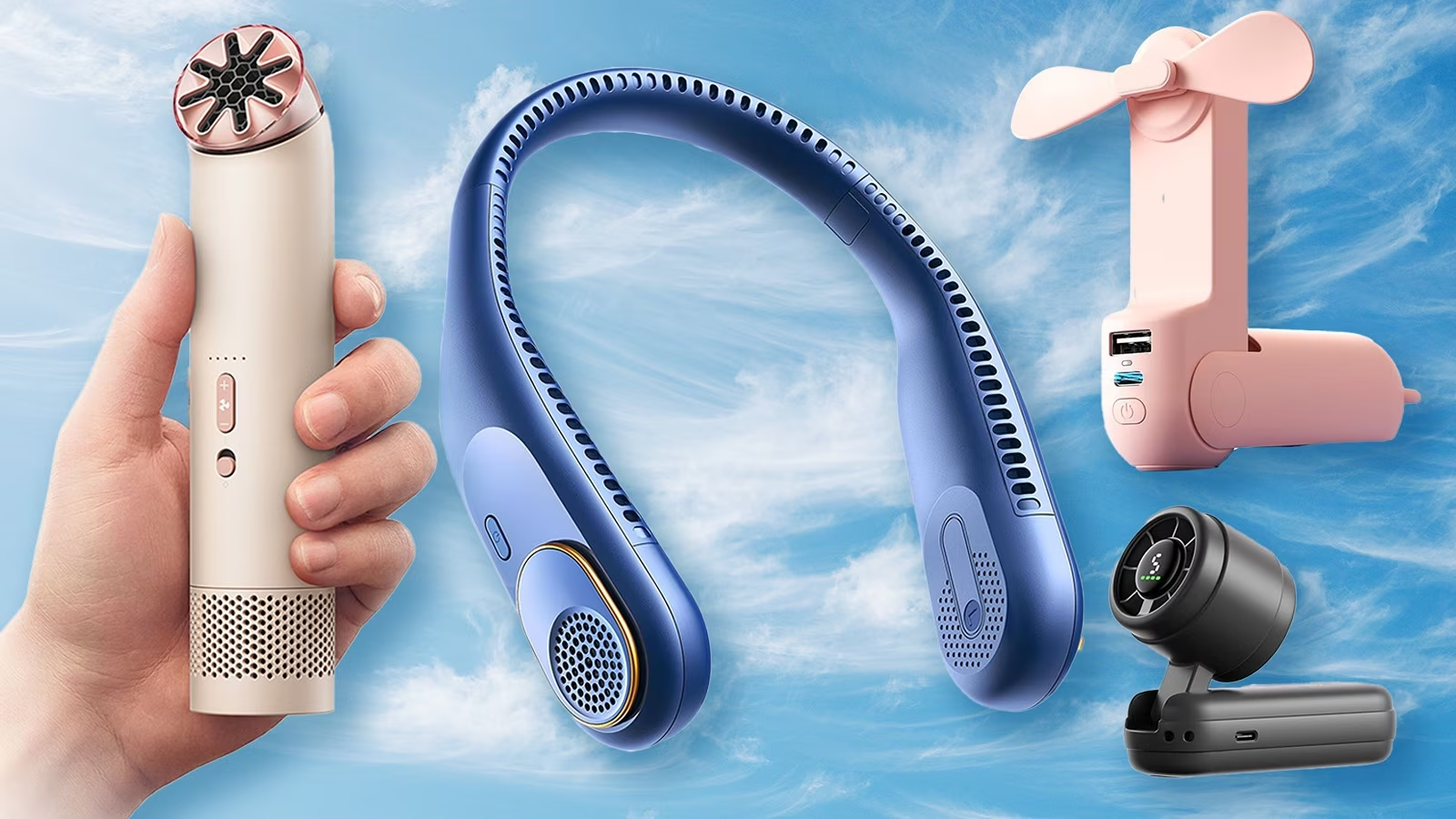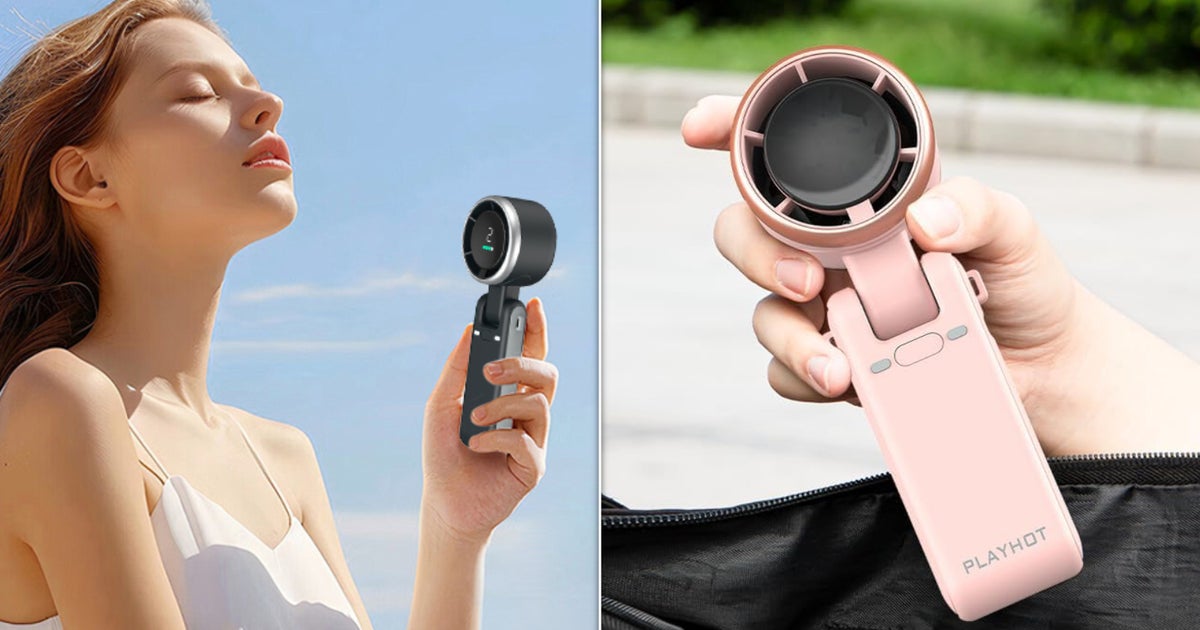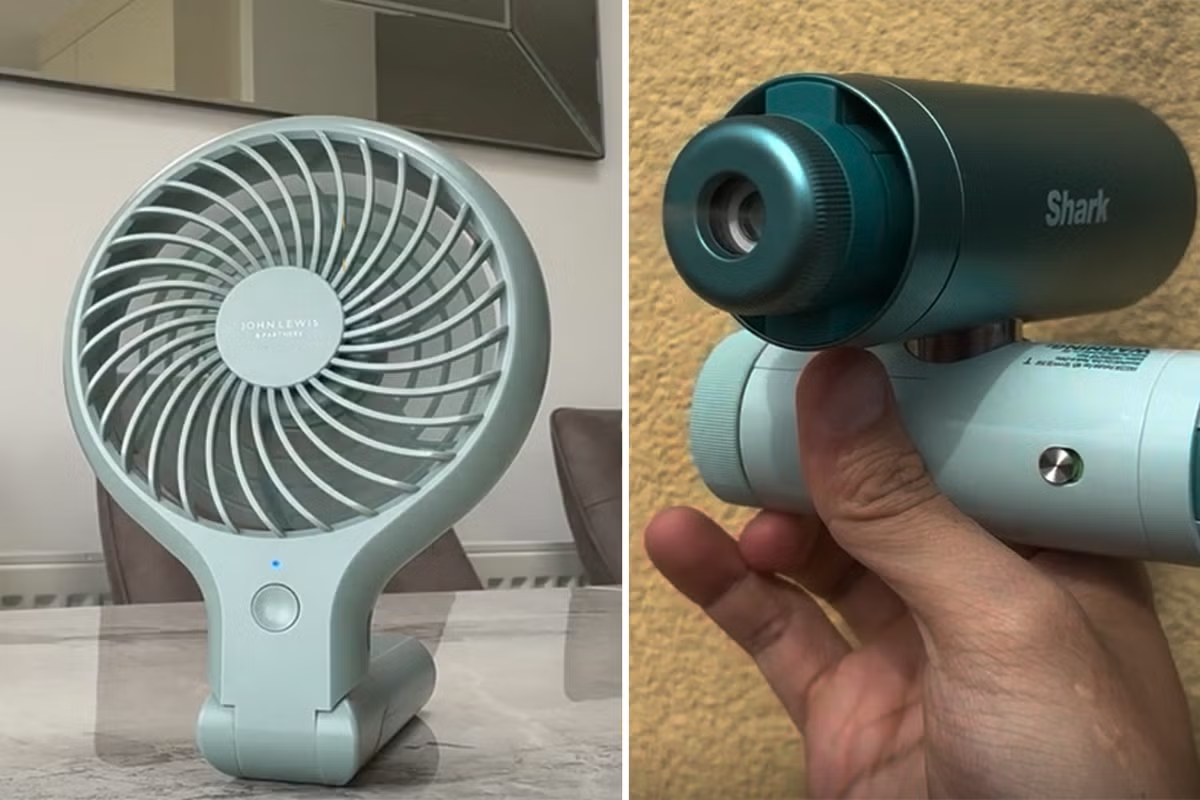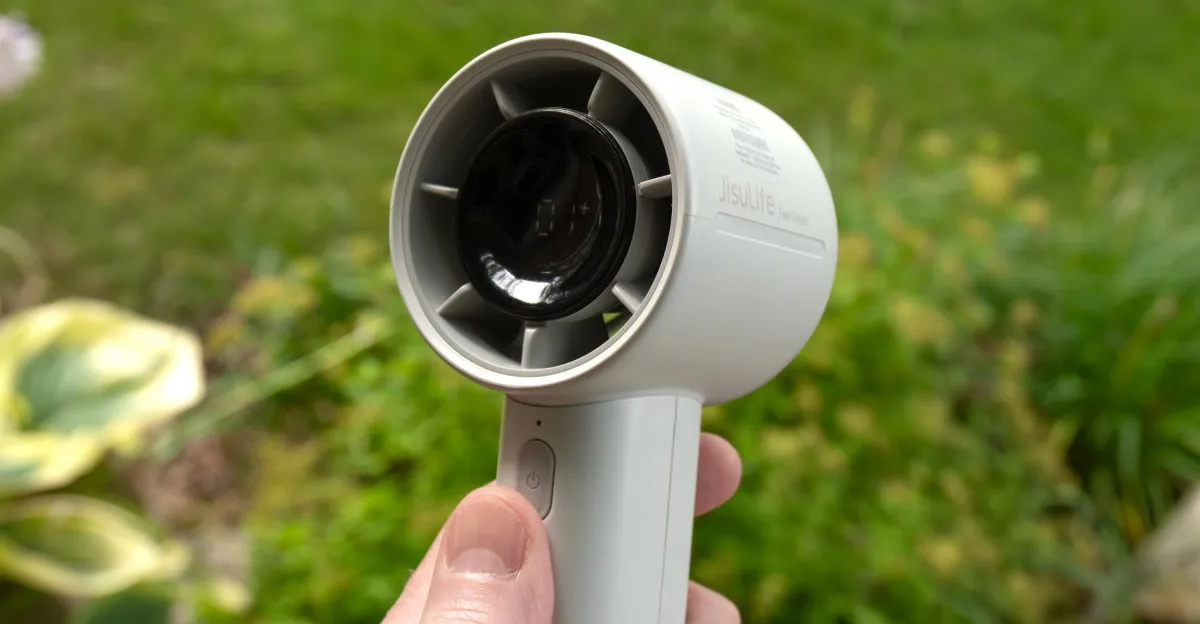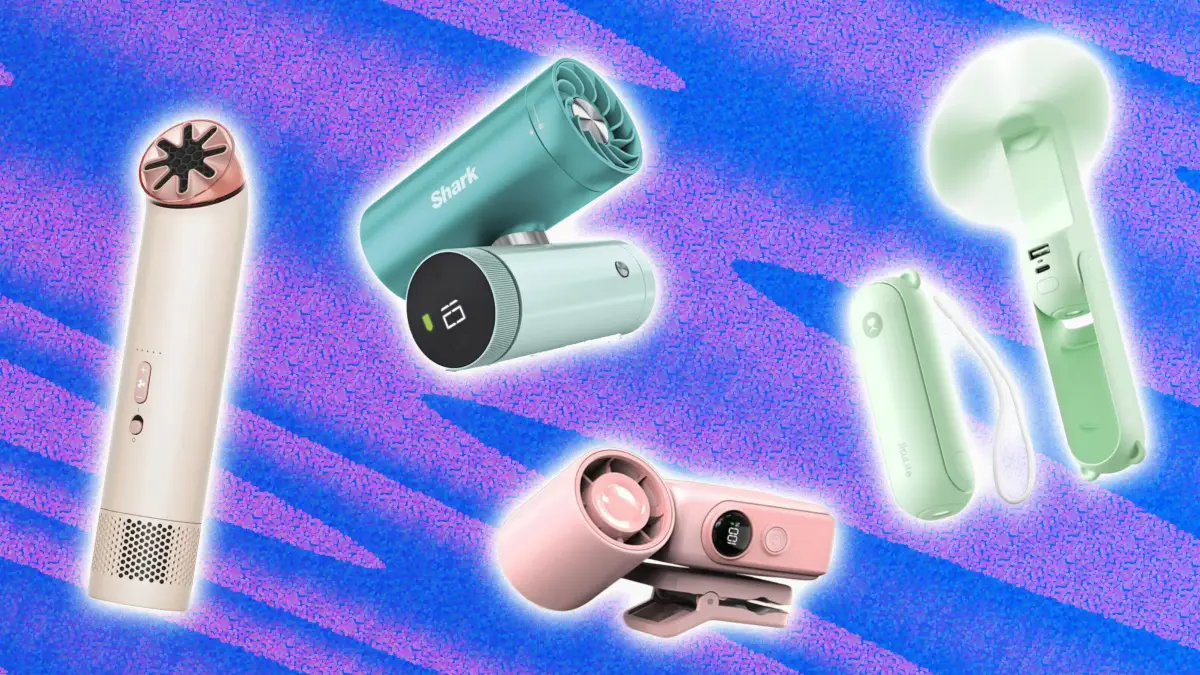
Portable handheld fans are now often stacked beside chewing gum and vapes at supermarket checkouts and discount stores, available for less than £10. Once mainly sold online, they're convenient, affordable and increasingly popular.
Some people use them on the bus, in the park or while waiting for a train. But they're another example of a growing environmental problem: fast tech. These typically low-cost electrical products are designed to be bought quickly, used briefly, then disposed of. Think charging cables, vapes and, increasingly, handheld fans.
Unlike traditional electrical and electronic equipment, many of these products have short lifespans and limited reuse and repair options. The result is a growing stream of waste electrical and electronic equipment, or e-waste, that is difficult to manage.
A handheld fan might weigh only 200g (7 ounces), but it contains a surprisingly complex mix of materials. Inside, you'll typically find a plastic housing and fan, brushless motors that contain copper wiring and rare-earth magnets made from an element called neodymium, a small printed circuit board (the base of most electronic devices) and a rechargeable lithium-ion battery. These materials all have environmental costs.