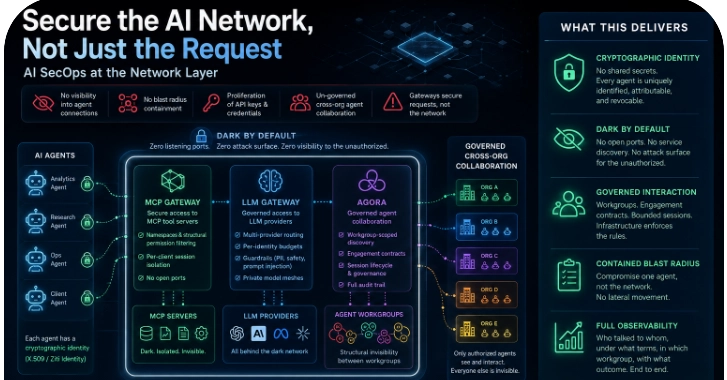
Governance decides what AI is allowed to do. The gateway only enforces it.
Every technology shift follows the same pattern. A new platform emerges, early adopters rush to experiment, vendors race to ship features, and before long every conference talk is a benchmark chart.
Enterprise AI is no different, and one of the fastest growing categories in enterprise infrastructure right now is the AI gateway. Organizations want a centralized way to connect multiple foundation models, manage credentials, monitor usage, and enforce budgets. As AI moves out of isolated pilots and into production, a gateway stops being a convenience and starts being a requirement.
But after a year of conversations with architects, platform engineers, and technology leaders, I keep noticing the same thing: the first real obstacle is almost never technical.
The meeting usually goes something like this. Security asks whether customer data can be sent to an external model. Finance wants to know how AI spending will be allocated across business units, and who owns the budget when dozens of applications start consuming tokens every minute. Legal asks how AI decisions will be audited. Compliance asks which regulations apply.