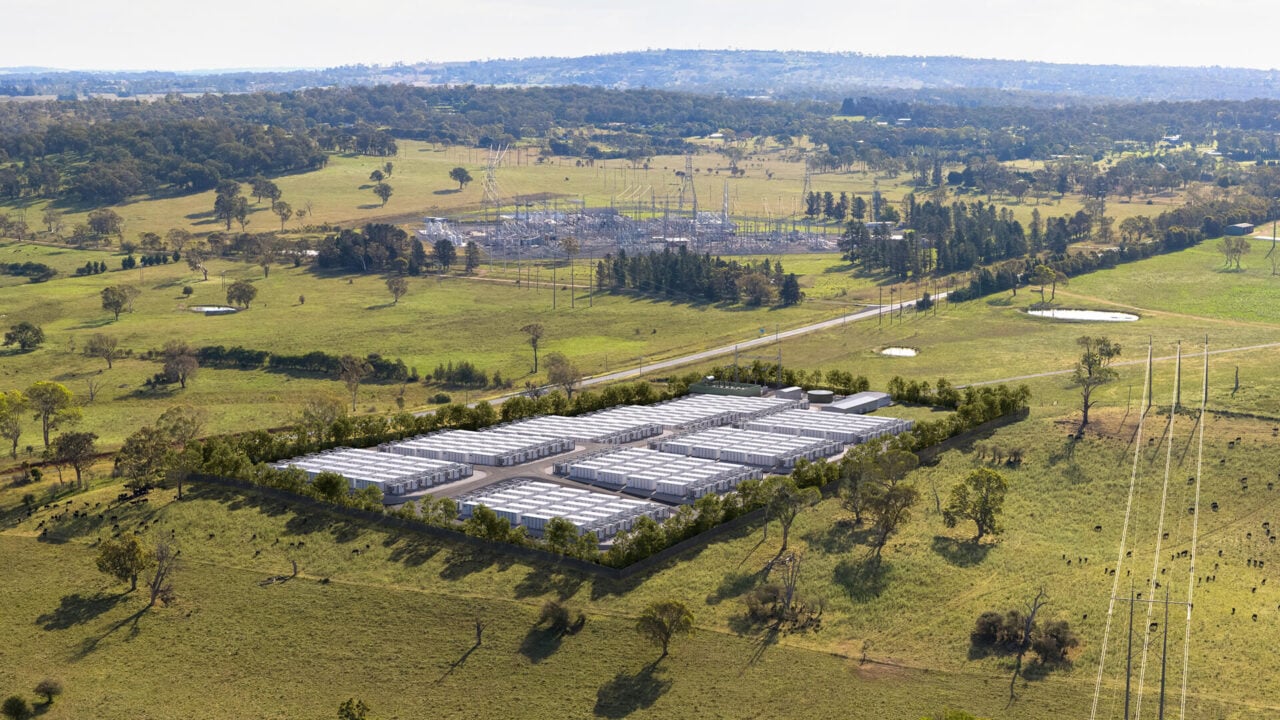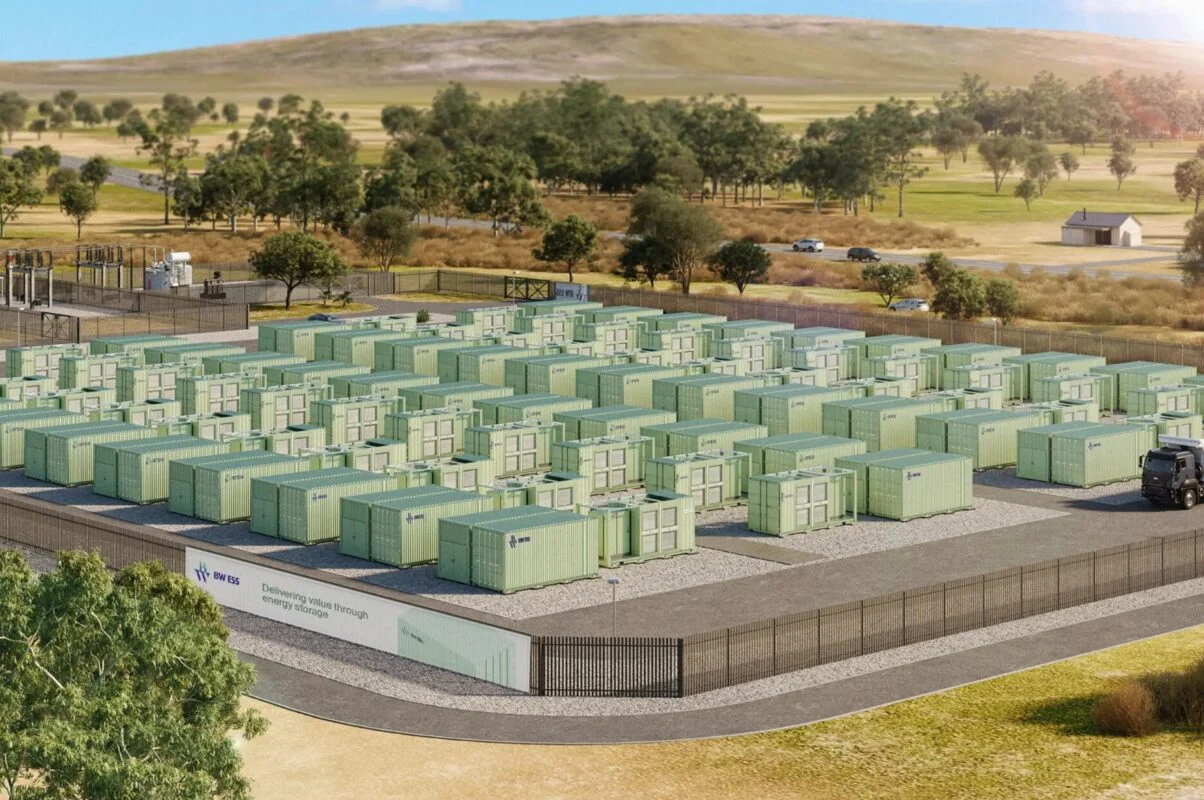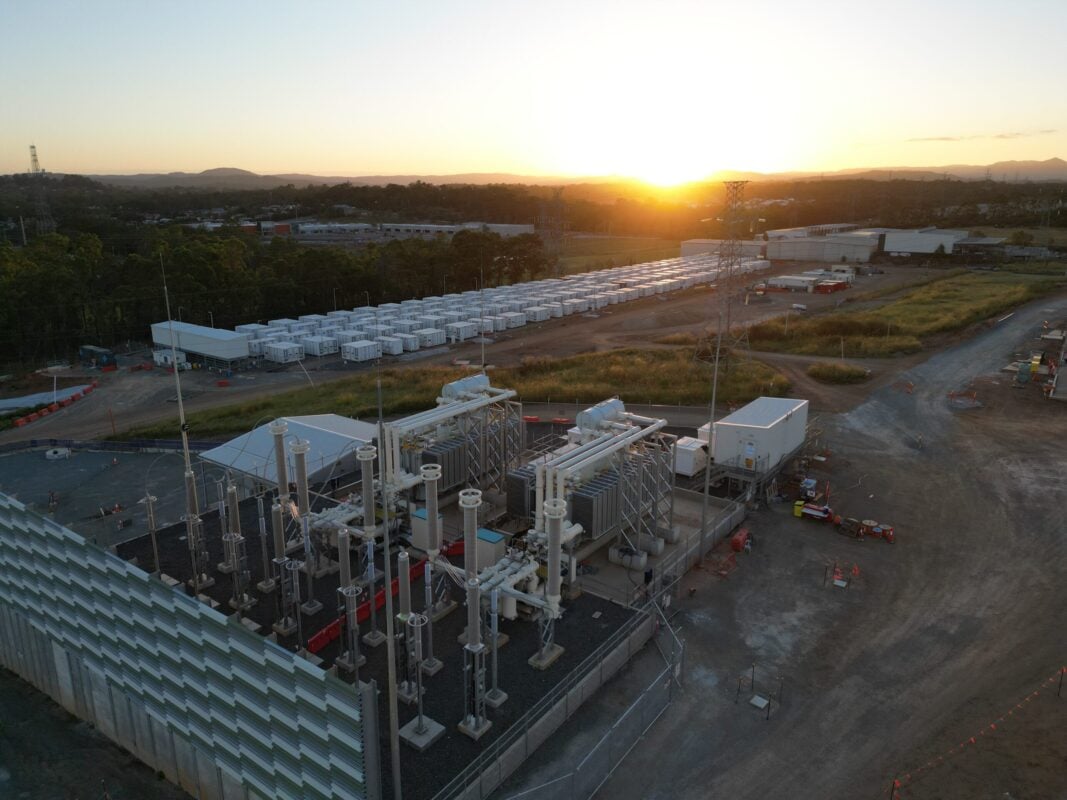
The disturbance footprint covers approximately 60 hectares, dominated by non-native and degraded grassland, and the design has been refined to avoid all mature trees, hollow-bearing trees, drainage lines, and identified ecological communities of national significance.
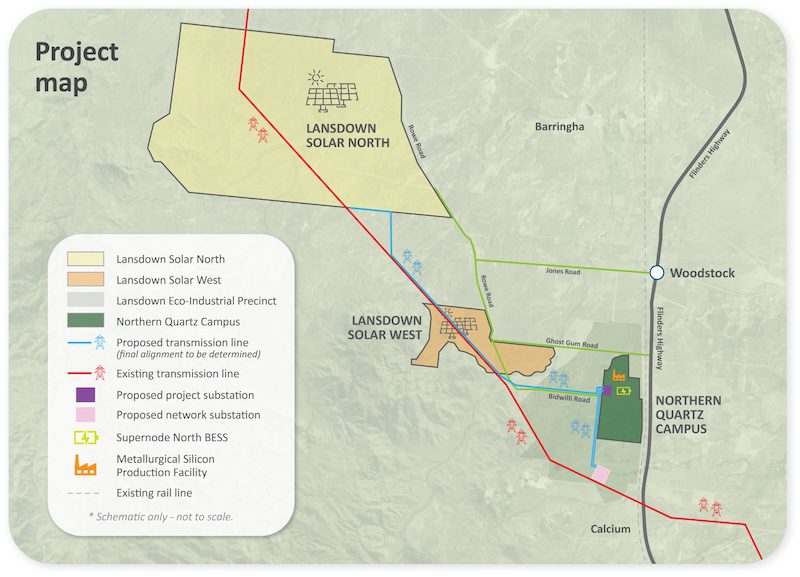
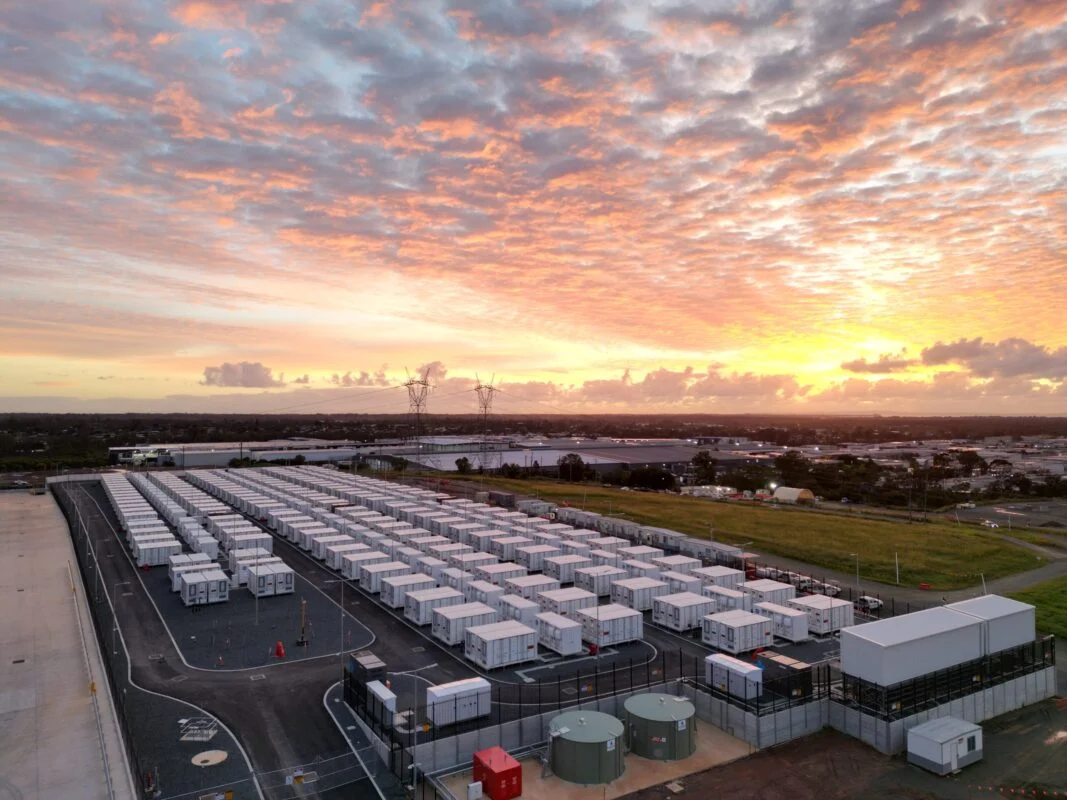
The BESS infrastructure will use lithium-ion technology and will be split across two areas within the disturbance footprint, connected via an overhead transmission line to a Transgrid substation near the project’s point of connection to the existing electricity transmission network. A second substation will be located at the BESS site itself.
The project will connect to the National Electricity Market (NEM) and is designed to store electricity during periods of low demand and release it when demand is high or renewable energy generation is low.
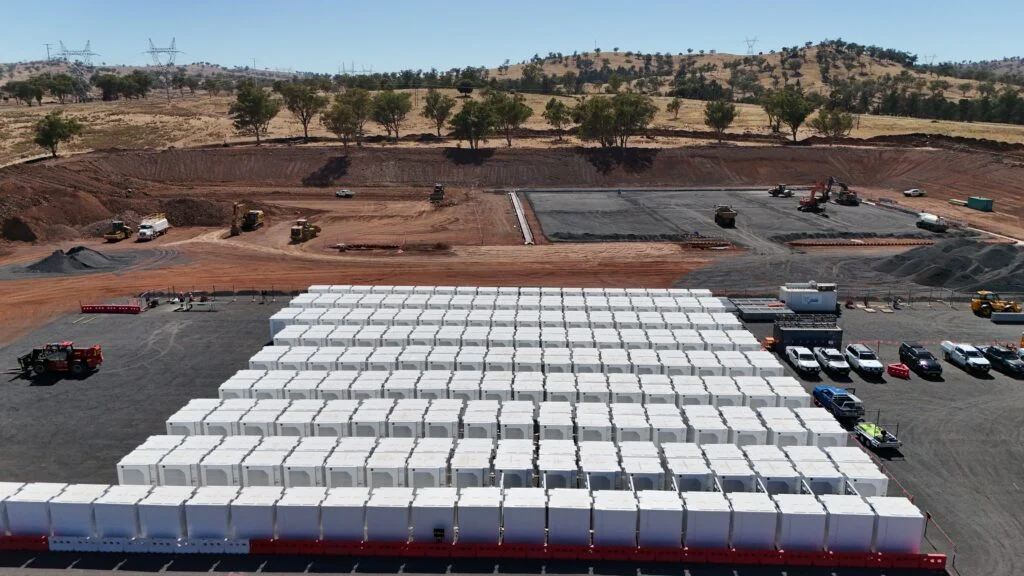
Construction is expected to take approximately 36 months, with an estimated start date of January 2028.
The facility is planned to operate 24 hours a day, seven days a week, for up to 50 years, at which point the infrastructure would be removed and the disturbance footprint rehabilitated.