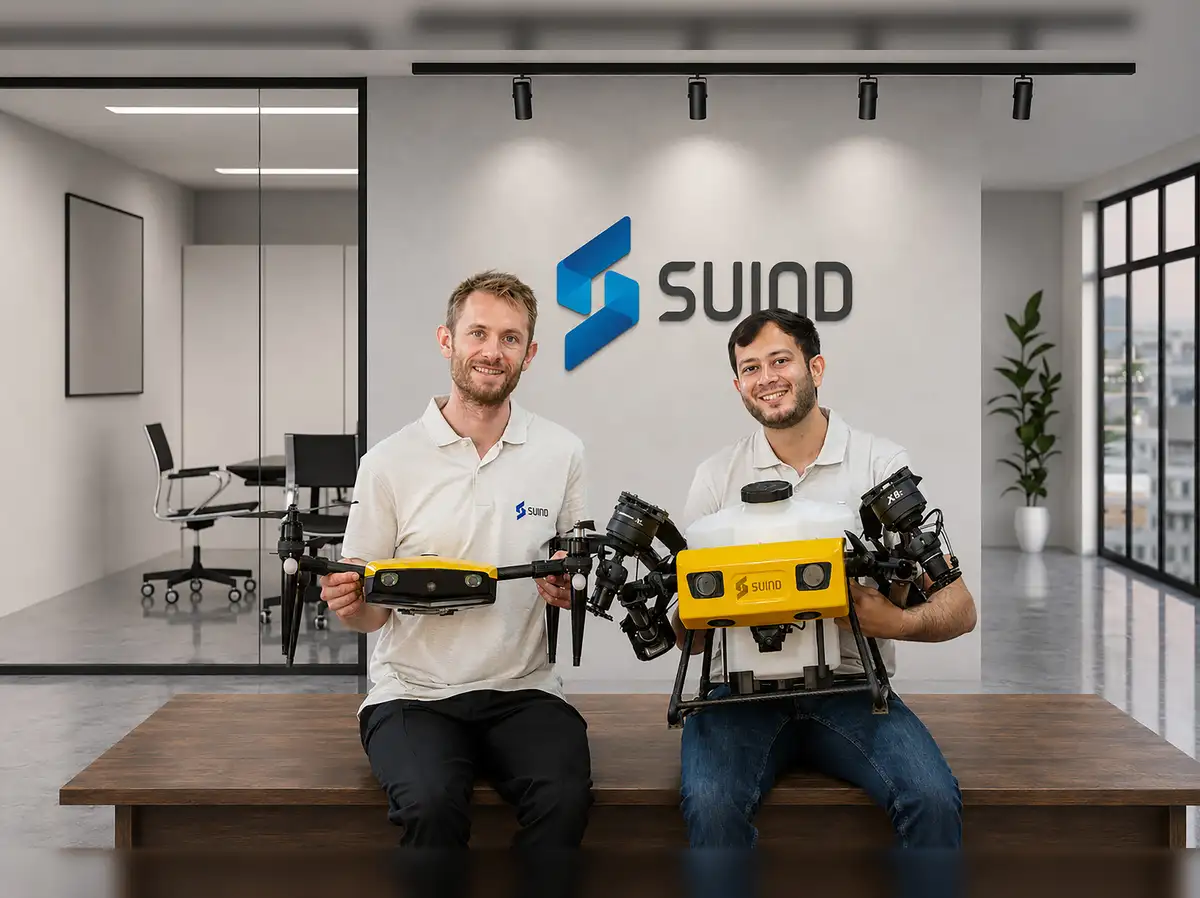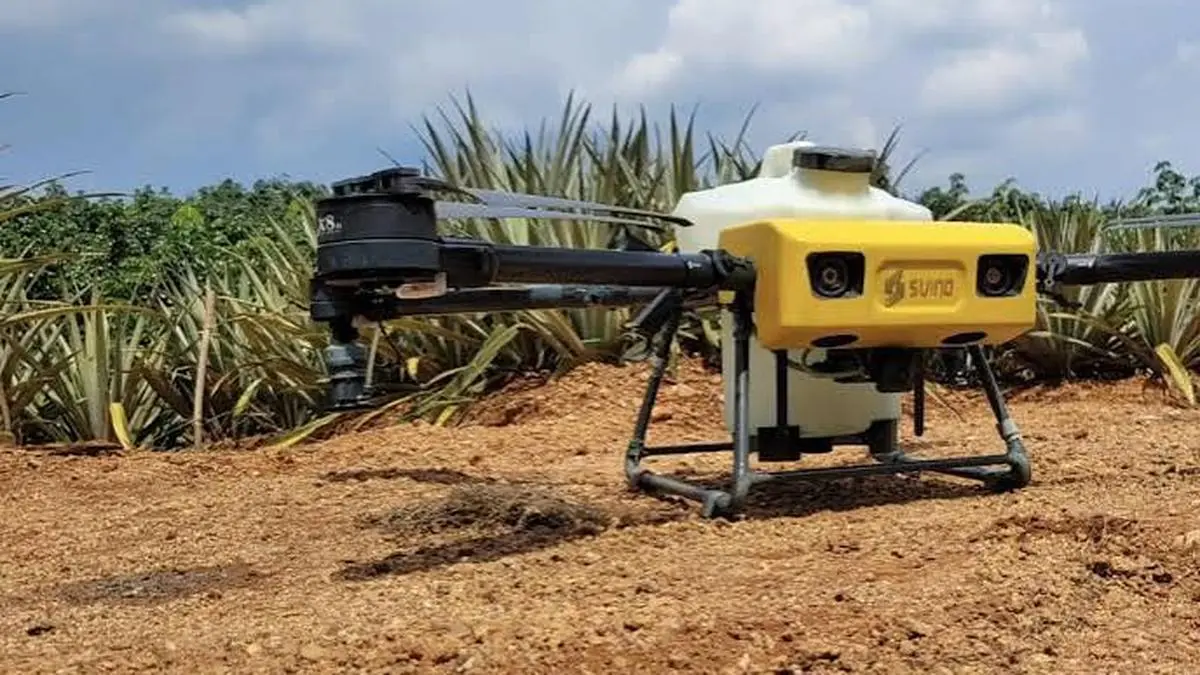
SUIND, a developer of near-earth autonomous unmanned aerial systems (UAS), has raised ₹20.5 crore in a seed funding round led by Transition VC, with participation from IIMA Ventures.The fresh capital will be used to scale the commercial deployment of Bumblebee, SUIND’s DGCA type-certified autonomous spraying UAS, accelerate the development of Wasp, its aerial intelligence and inspection UAS, and strengthen the company’s autonomy technology, engineering capabilities and commercial partnerships.A media statement said that the company has commercially validated its technology through Bumblebee, designed for challenging agricultural environments. It has been deployed across plantations, orchards and crops such as sugarcane, rubber and banana, helping improve spraying consistency while reducing water consumption, chemical usage, operating costs and human exposure to agrochemicals. Low-altitude flight, changing terrain, dense vegetation, constrained take-off and landing spaces and inconsistent GPS availability have allowed the company to build a robust autonomy platform using data generated through thousands of real-world missions, it said.Quoting Kunal Shrivastava, Co-founder and CEO of SUIND, the statement said SUIND was founded with the belief that drones should evolve from remotely operated flying machines into intelligent robotic workers capable of understanding and operating in the real world.“Many of the most valuable applications for aerial systems exist close to the ground, around obstacles, across difficult terrain and in environments where GPS may be unreliable. These are precisely the conditions for which we are building our vision-first autonomy platform. Our goal is not simply to manufacture more drones, but to build the intelligence that allows aerial robots to perform complex, repetitive and hazardous work with greater safety, consistency and minimal human dependence,” he said.Designing drones around AIRaiyaan Shingati, Co-founder and Managing Partner, Transition VC, said SUIND stands out among drone start-ups for its mastery of the vision-based near-earth AI and autonomy stack designed for GPS-denied environments. The upcoming generation of drones will incorporate edge intelligence, allowing for autonomous decisions with little to no human input.“We appreciate their strategy of developing the AI software first and then designing the drone hardware around specific applications. They have commercialised drones suited for challenging agricultural terrains, including tall crops, hilly areas, and unstructured settings. Soon, we plan to explore and commercialise other applications like critical infrastructure inspections, defence, and surveillance. Additionally, we are investigating export markets for drone intelligence, a growing field with significant potential, especially for electronic warfare-resistant and AI-powered autonomous systems,” Shingati said.Published on July 30, 2026
SUIND raises ₹20.5 cr in seed funding to scale its unmanned aerial systems
SUIND secures ₹20.5 crore in seed funding to enhance its autonomous aerial systems and expand commercial deployment.
397 words~2 min read