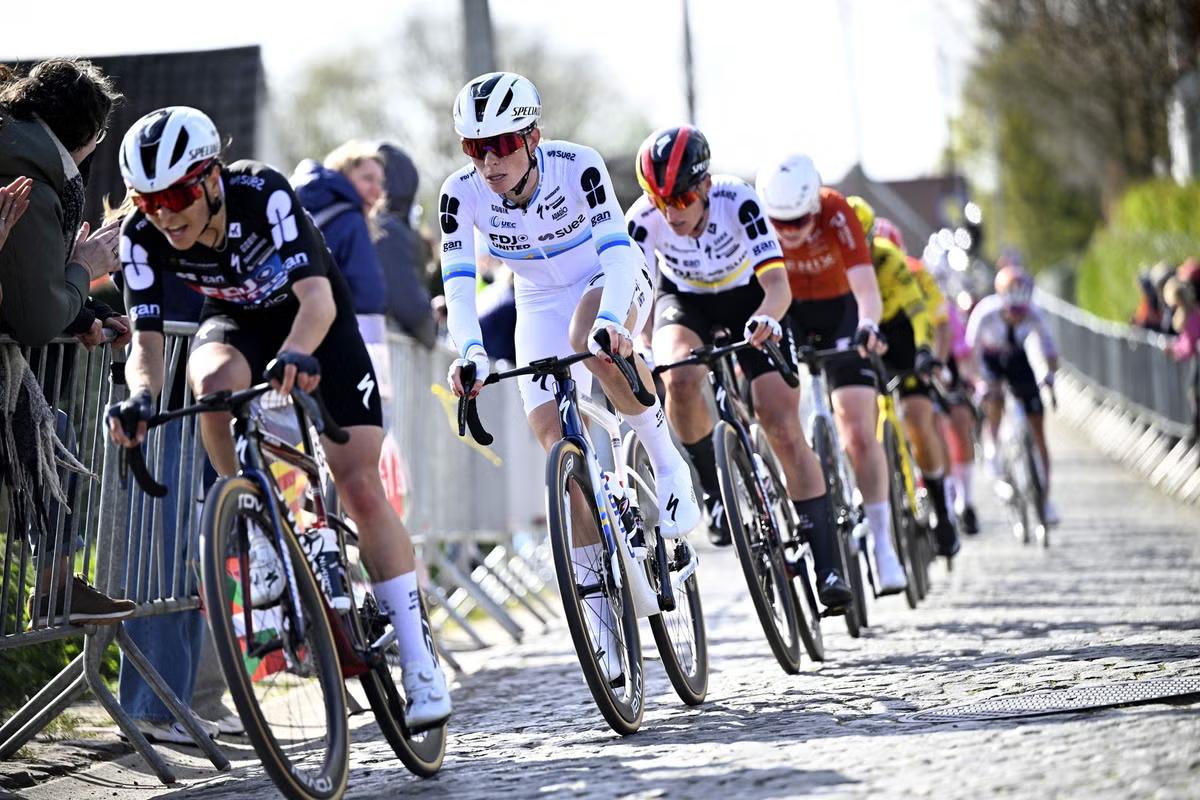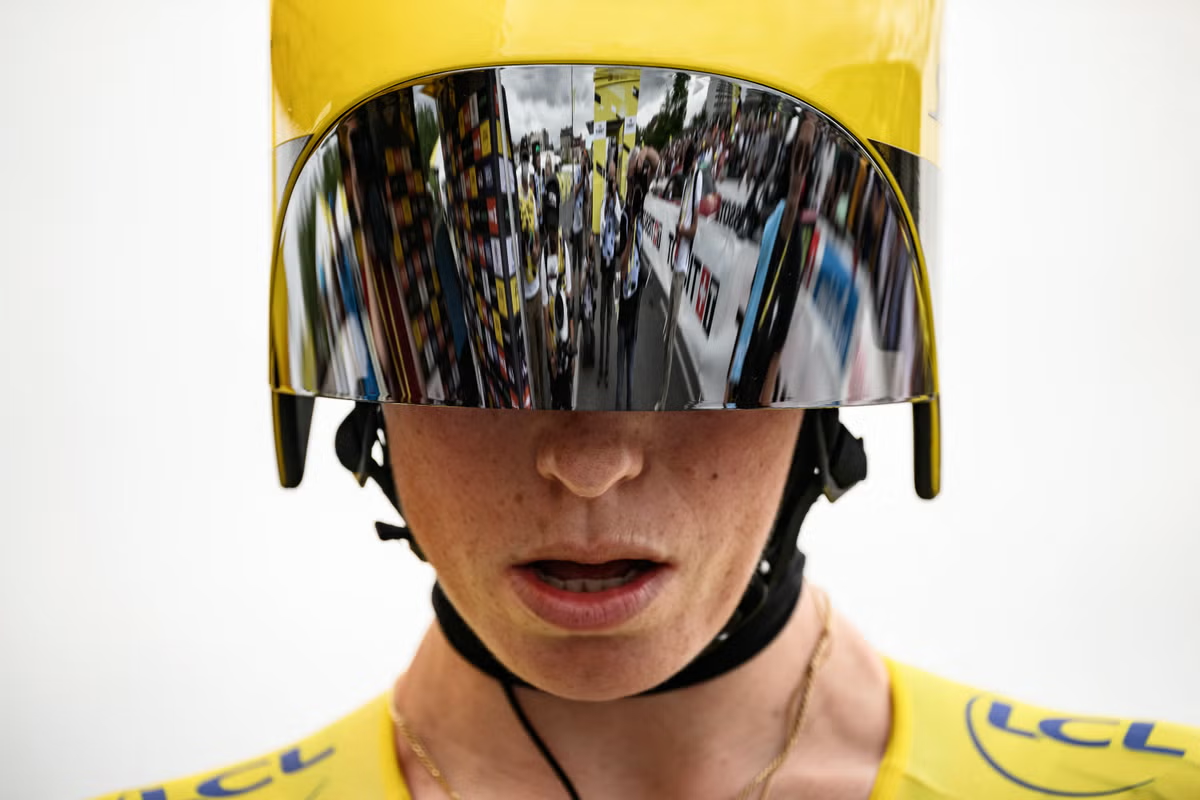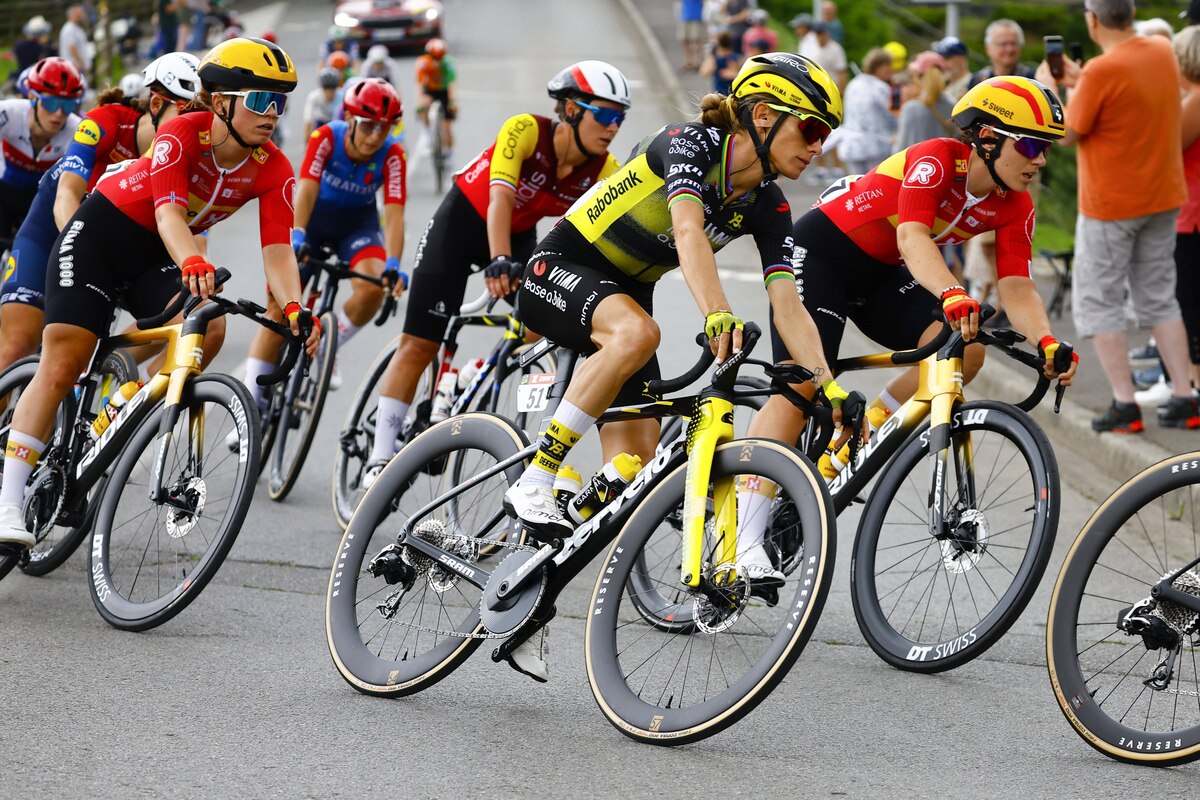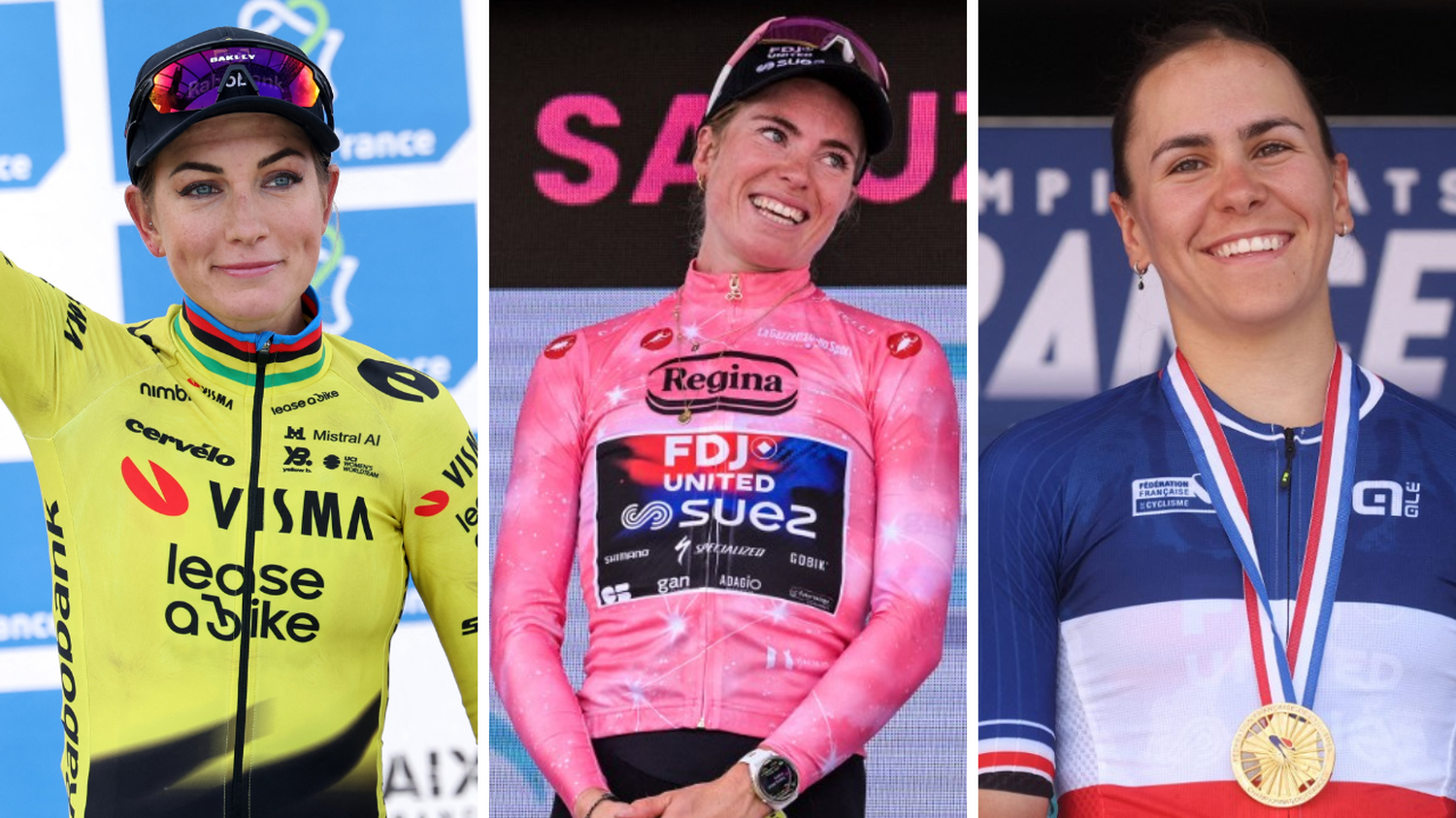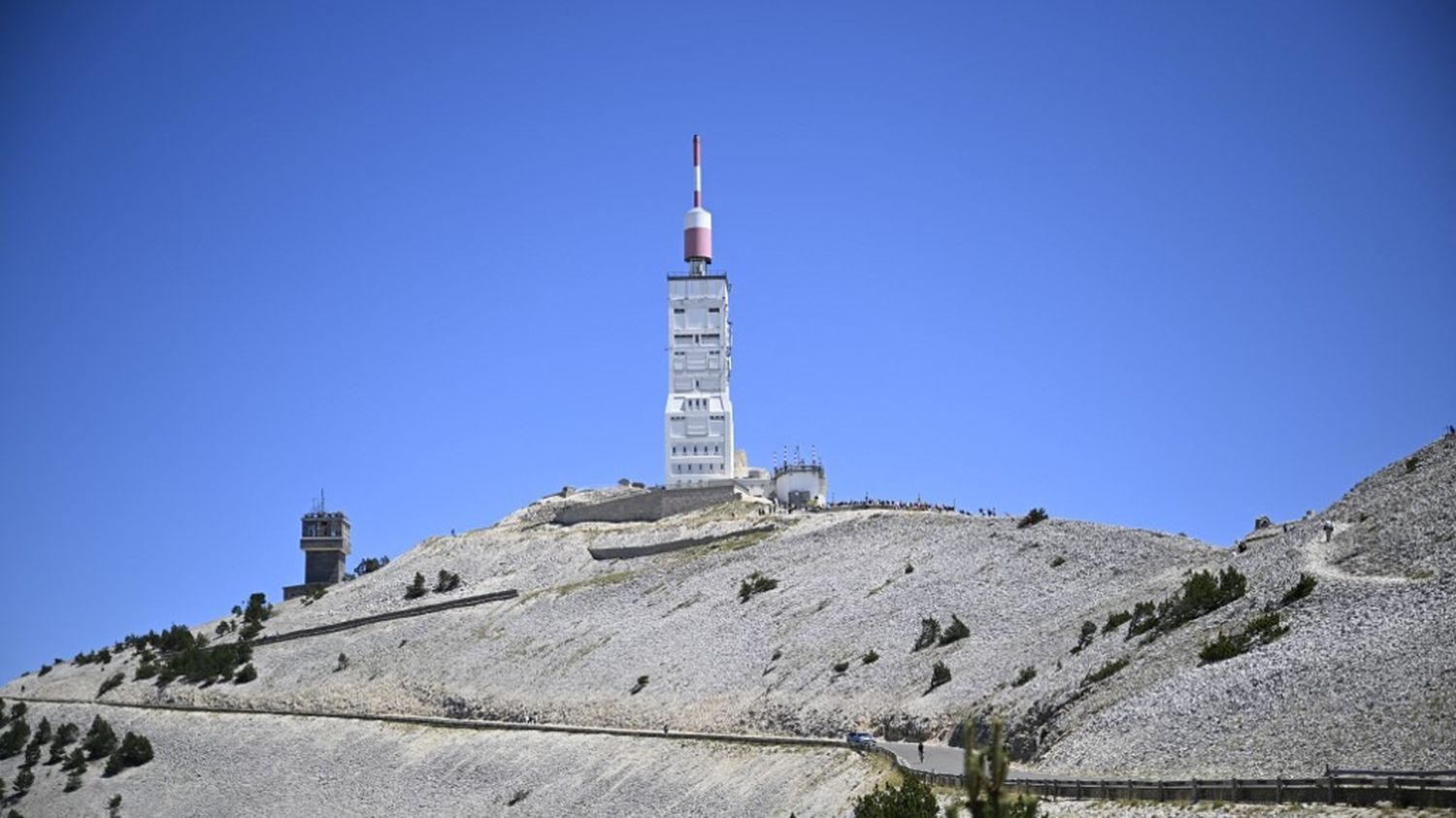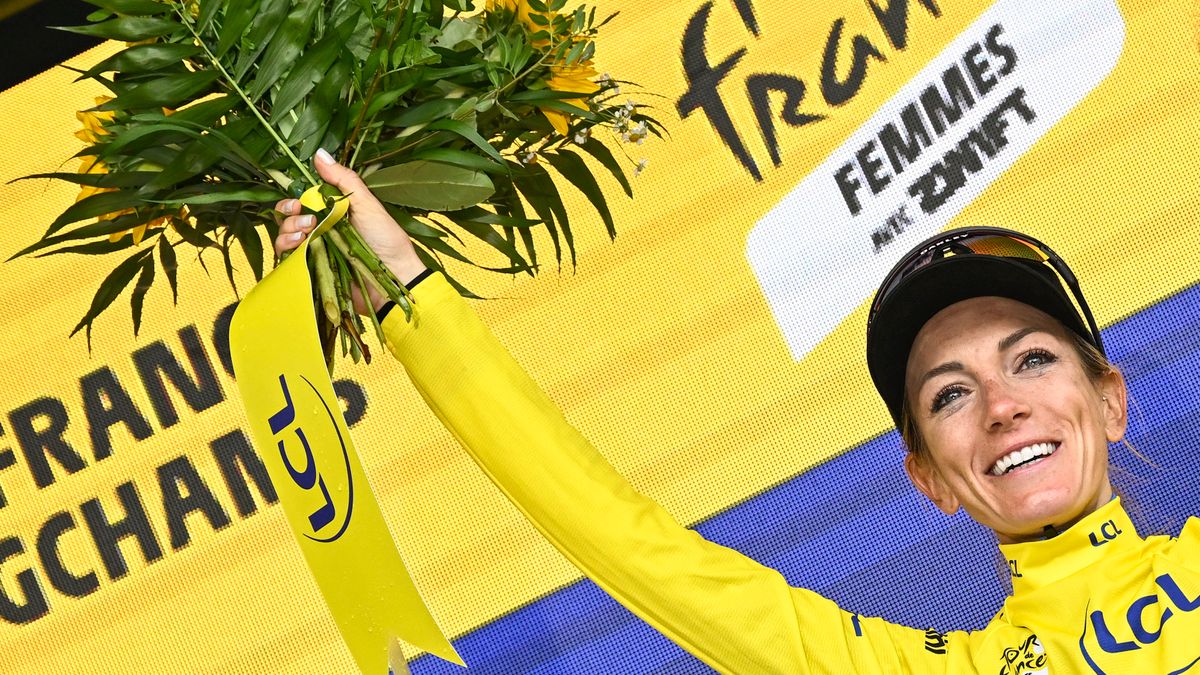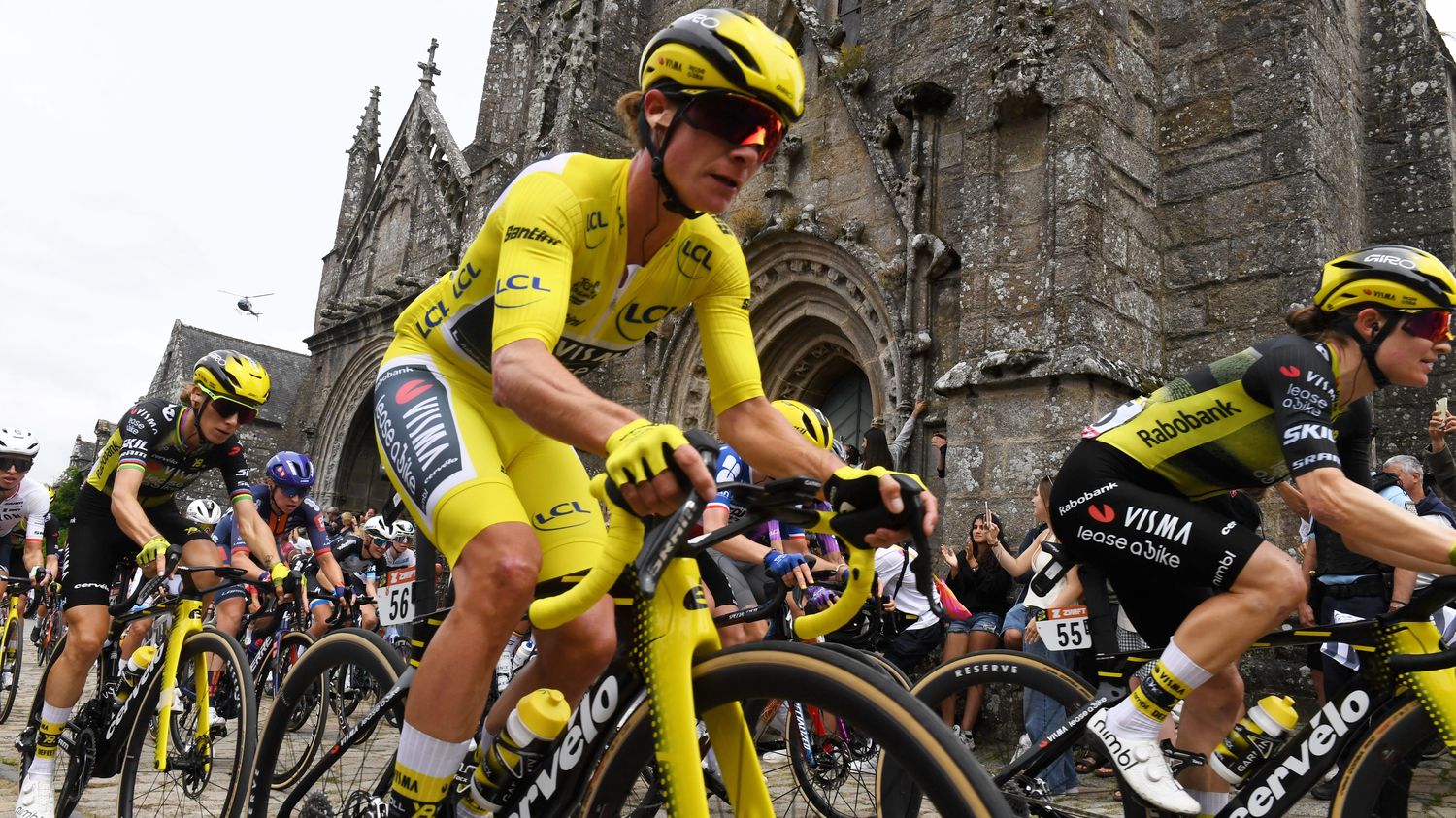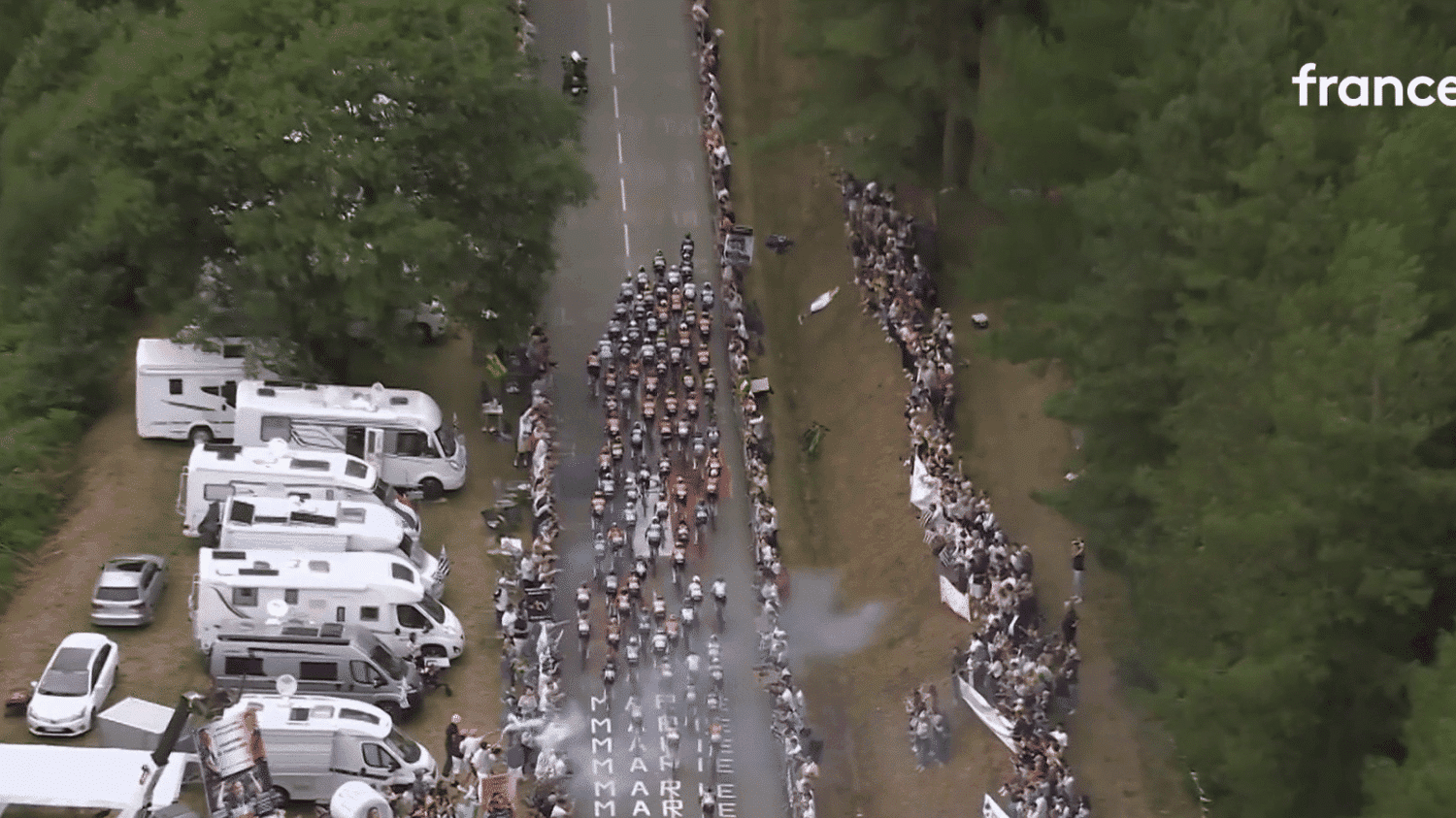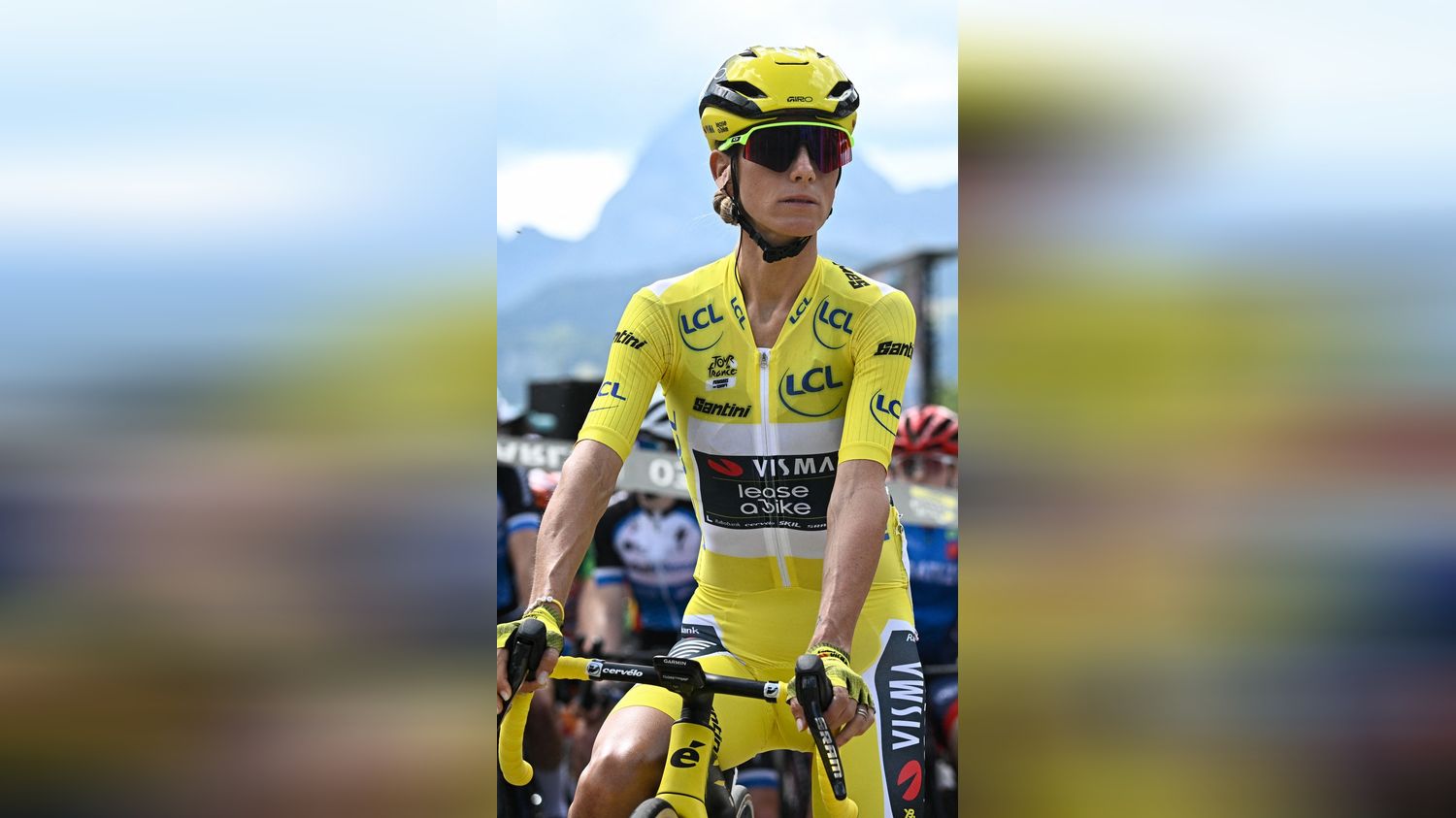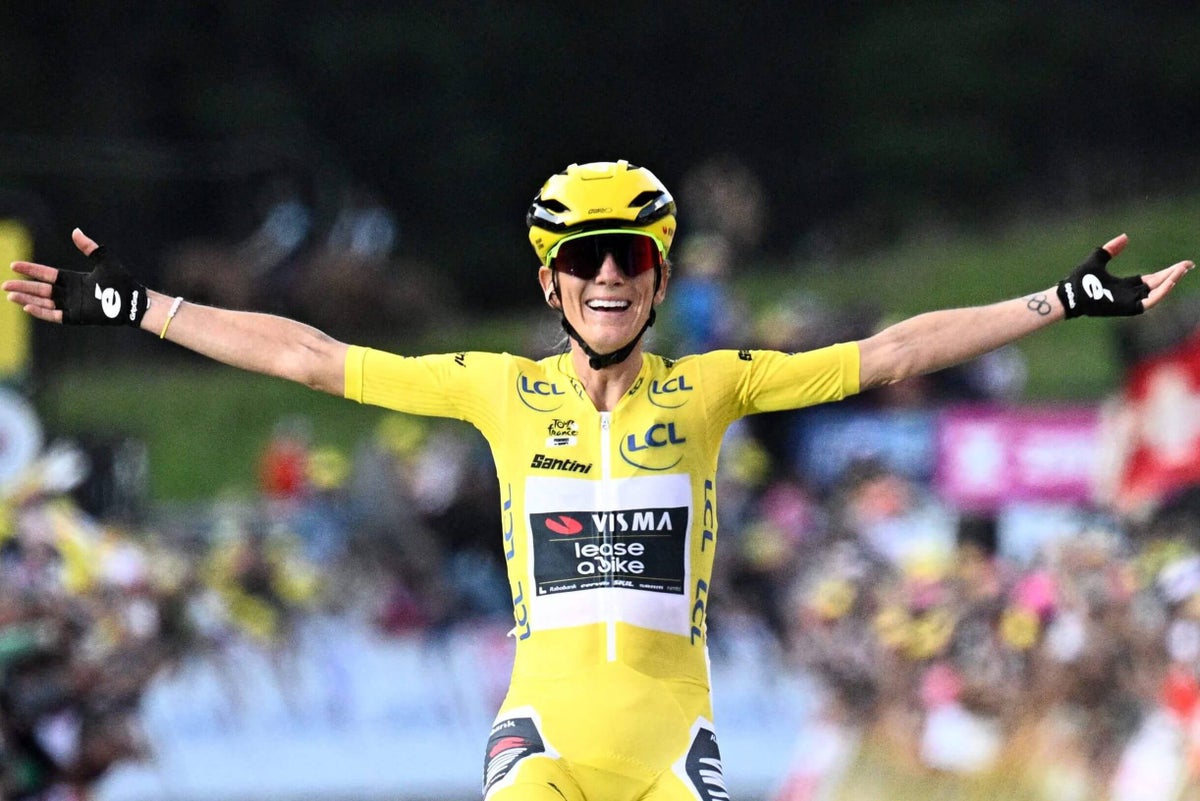
Four days after the electrifying Tour de France finale in Paris and you’d be forgiven for still suffering a cycling hangover.Fear not, racing is back Saturday.After a competitive spring season and two Grand Tours, it is finally time for the pinnacle of the women’s season: the Tour de France Femmes.Again further and again climbing more than ever before, the race is set to reach historic heights. Quite literally, too, as the peloton will visit Mont Ventoux for the first time, the third new climb in as many grand tours this year after the Alto de L’Angliru and the Colle delle Finestre.Demi Vollering is the woman to watch after bringing her blistering classics form into the summer to conquer the Giro d’Italia. Whether she can usurp the 2025 winner Pauline Ferrand-Prévot on the rider’s home slopes is another question, however. And it is far from a two-horse race.Welcome to The Athletic’s preview for the race of the season.Who are the favorites?Vollering brought the eyes of the world on her after four wins in the spring season and a comeback victory over Anna van der Breggen in the Giro.The Dutchwoman will be looking to avenge her second-place finish last year and pick up another title to go alongside her 2023 Tour win. She already has a record-equalling palmares with an overall victory in every grand tour, but will have to get the better of Ferrand-Prévot if she is to add to it.The Team Visma-Lease a Bike rider, in only her second season back on the road, outclassed Vollering and the peloton on the Colle de la Madeleine mountain pass last year on her way to an eventual general classification gap of three minutes and 43 seconds.This season, she has not won yet, finishing 35th in the Vuelta a Espana Femenina, which raised questions over whether she could replicate last year’s form. But the Frenchwoman was in similar form last year, having dropped out of the Vuelta “feeling not fit enough” to continue.Given how Ferrand-Prévot targets and builds specifically to the Tour, it is nigh on impossible to judge her chances based on her performances leading into it.Vollering has already won a grand tour this season, the Giro (Marco Bertorello / AFP via Getty Images) Elsewhere, Kasia Niewiadoma — winner in 2024 on the final day — is always a danger, having never failed to stand on the podium of the Tour. This year, she has achieved three second-place and two third-place finishes, but has not collected a WorldTour win since her last Tour title.Heading into her first Tour de France Femmes, by contrast, is Paula Blasi.The 23-year-old has had a stratospheric rise to the top of the peloton and is a truly special talent, having won the Vuelta in only her second year with a professional squad.Ultimately, she will most likely be at the Tour in service of team leader and two-time Giro winner Elisa Longo Borghini, but with yet another historic climb on the menu it will be exciting to see how she fares after securing her overall win with an impressive ascent of the Angliru in northern Spain earlier this summer.With no one having won the Tour twice yet, multiple riders are teetering on the brink of history. Could this be the race?Can anyone beat Lorena Wiebes in a sprint?Wiebes is one of women’s cycling’s greatest sprinters. She is not often beaten, but it has been done.The 27-year-old notably lost out on the 2024 Tour’s green jersey to Marianne Vos, another one of the sport’s greats, before regaining it last year. This season, she was boxed in at the Tour of Bruges and couldn’t find a way around Movistar’s Carys Lloyd, but these results are few and far between.Lidl Trek’s Elisa Balsamo has recently been closest to Wiebes, finishing second to her in two sprint stages at the Tour de Pologne and taking two wins in her absence at the Giro d’Italia.Wiebes’ controversial disqualification in Italy after race organizers said her bike was under the weight limit will make Team SD Worx–Protime hungry to make up for lost grand tour stages.For the Brits, 21-year-old Zoe Bäckstedt has been selected for Canyon//SRAM’s Tour team, making her debut in the race after an impressive season so far. After winning a sprint stage at the Tour de Suisse, her first WorldTour victory, she could be a wildcard in the bunch.Wiebes (left) is one of the greatest sprinters of her generation (Tim de Waele/Getty Images)Young riders to look out forBlasi is the obvious early pick to try and wrestle the white jersey off last year’s winner Nienke Vinke.The 23-year-old’s talent was set out by her Vuelta win, but an Amstel Gold victory earlier this year in the Netherlands, among four total victories, only furthers her credentials.Alongside Longo Borghini, who will be seeking a debut Tour win after she had to pull out with stomach issues last year, and Maëva Squiban, who lit up last year’s race, she will be part of a strong UAE team.Another young rider who has enjoyed an exciting start to the season is Célia Gery. The 20-year-old Frenchwoman won a surprise first national road race title earlier this year and secured a stage victory at the Giro.While not a team leader like compatriot Paul Seixas, she will be a valuable part of the FDJ-Suez group bidding to propel Vollering to victory.For stage wins and potential breakaway action, keep an eye on Movistar’s Paula Ostiz and Canyon//SRAM’s Bäckstedt.Blasi won the Vuelta in impressive fashion earlier this year (Miguel Riopa / AFP via Getty Images)What does the route look like?Every year the organisers look for ways to expand the grand tour and this year is no different.The 2026 route takes on the same number of racing days as last time, but it has more climbing and overall kilometers.The highlight is undoubtedly stage seven’s ascent of Mont Ventoux. With average gradients of 8.8 percent for more than 15 kilometers (nine miles), it will carve out the General Classification (GC) podium in ruthless fashion.Given Ferrand-Prévot’s climbing prowess, the Frenchwoman will be one of the favorites to secure the Tour’s first Ventoux win, but she could be approaching the stage from behind.While the seventh day’s queen stage has waltzed in as the race’s main talking point, the return of the less glamorous Individual Time Trial (ITT) a few days before should attract attention, too.The time-trial discipline was absent last year, and its return will add a new facet for the GC riders.The favorites will likely have conditioned for the queen stage, and might be significantly lighter than in the classics season, but the fourth stage ITT is largely flat. This means that — besides the short, punchy climb in the middle of the route — riders will likely be separated by their pure power rather than climbing speed, potentially causing deficits between rivals.It is only 21km, however, so that will be limited.The fearsome Ventoux is one of cycling’s most legendary climbs (Jasper Jacobs/Belga Mag/AFP via Getty Images)Day-by-day guideStage 1 – Lausanne → Lausanne: 137kmThe first stage in Lausanne features two short climbs but at 5.8 percent for 4km and 5.3 percent for 3km, more than 30km are unlikely to do too much damage to the peloton.A short punchy climb into the finish means the stage could open up either to a powerful puncheur rider or a sprinter.Stage 2 – Aigle → Geneva: 149kmA trip through sunny Swiss vineyards will feature a series of short ascents again, but as the stage approaches Geneva for the first time since 1990, the peloton will likely regroup for a first bunch sprint.Stage 3 – Geneva → Poligny: 157kmNo rest for the wicked in the riders’ final day in Switzerland. They’ll be faced with the Col de la Faucille mountain pass (11km at 6.3 percent) within the first 30km of their day.It is desperately tempting for an early breakaway — but could we see them reach the finish? Further climbs in the first half of the day suggest a gap could be formed, but a gradual overall descent to the finish could see them be reeled in.Stage 4 – Gevrey-Chambertin → Dijon: ITT: 21kmThe aforementioned ITT kicks off the first full day in France and could see the first gaps emerge between the GC riders. Strong legs will be needed for the climb in the middle, but power will also be needed for the descent towards a flat finish.Stage 5 – Macon → Belleville-en-Beaujolais: 140kmA day peppered with short climbs will see riders put 2850m of vertical gain into their legs as they approach the town of Belleville-en-Beaujolais. While still a hilly stage, it will introduce gradients of above nine percent for the first time on the Mont Brouilly section towards the end of the day. With two days to Ventoux, don’t be surprised if we get some more GC movement here.Stage 6 – Montbrison → Tournon-sur-Rhône: 153km Another one geared perhaps towards a breakaway, the sixth day of racing’s main test will come on the Col de Lalouvesc (8.6km at 5 percent) before a descent to finish, punctuated by a final punchy climb.Stage 7 – La Voulte-sur-Rhône → Mont Ventoux: Mountain: 144km
Tour de France Femmes 2026 preview: The favourites, stage guide, ones to watch and more
The Athletic breaks down everything you need to know about the biggest race of the year
1,656 words~8 min read