World News in Brief: Rohingya refugees, Bahá’ís in Iran, disarmament in the Central African Republic
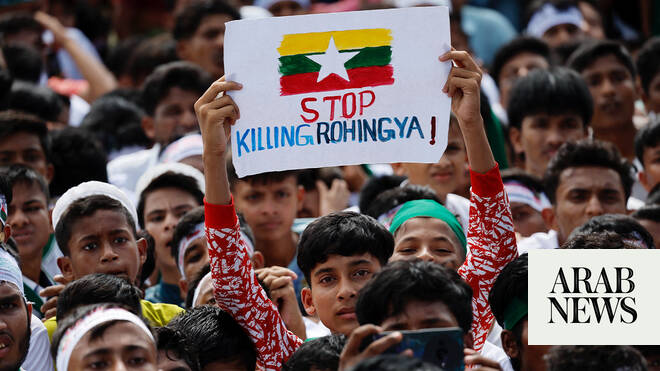
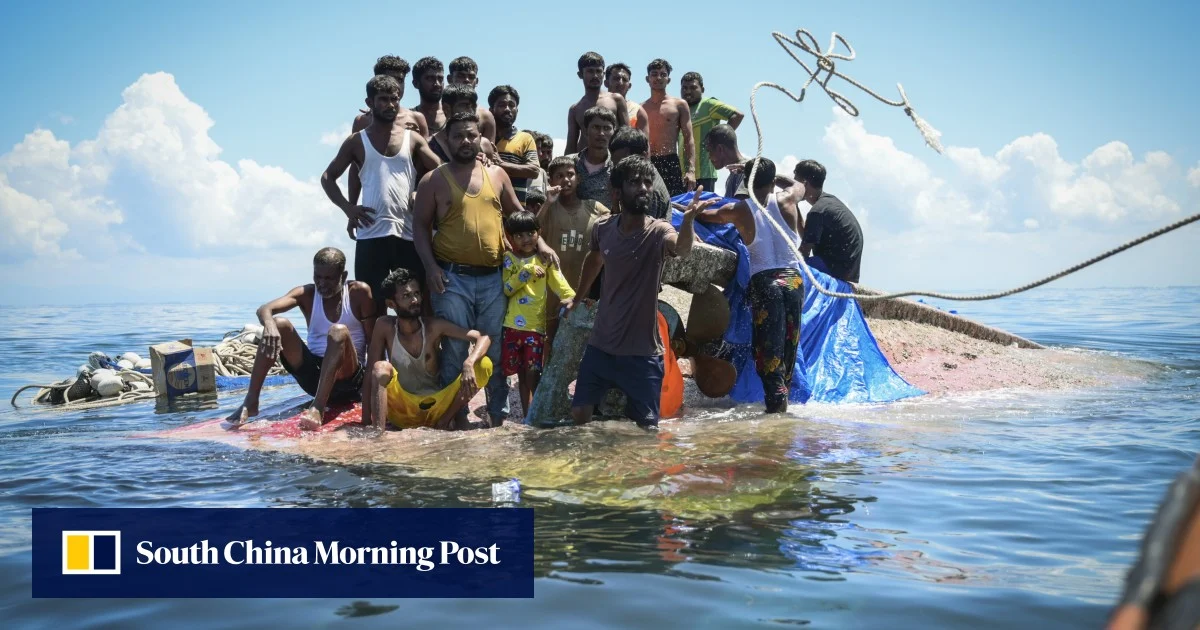
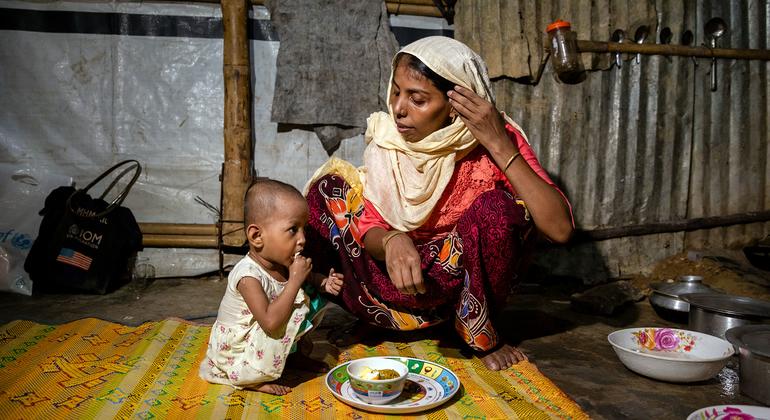
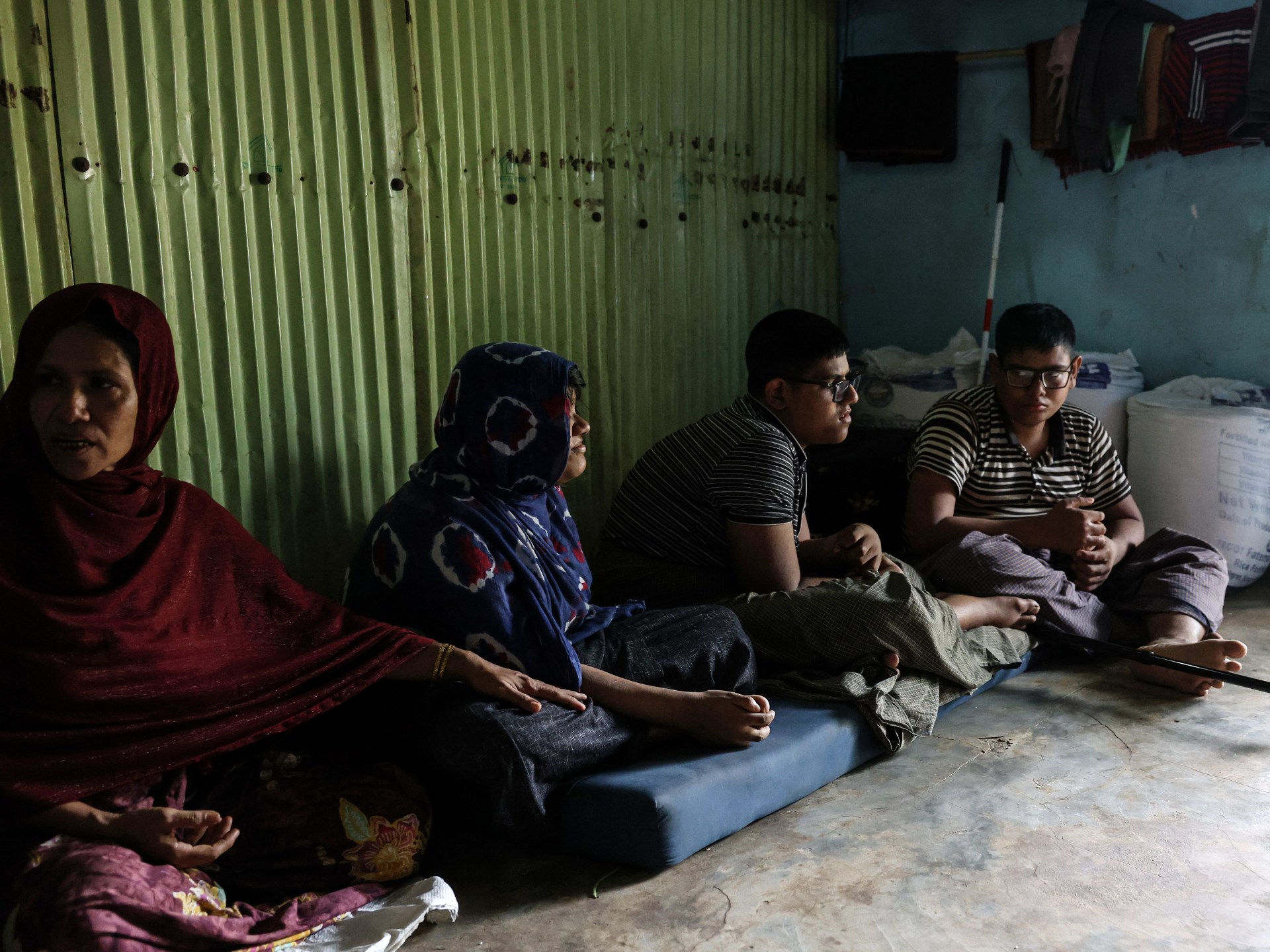
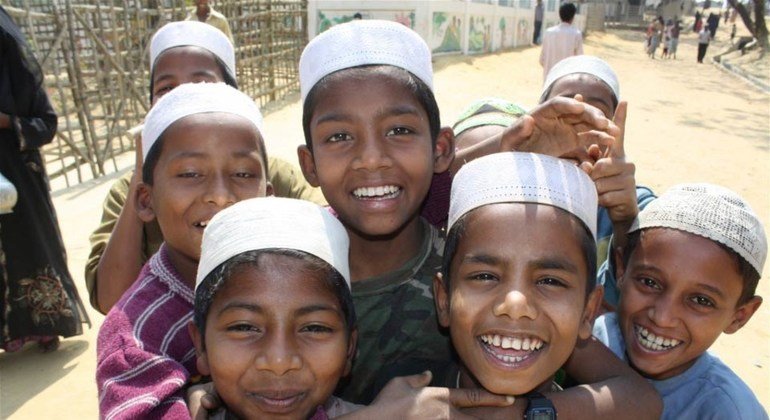
“Statelessness affecting Rohingya refugees and the protracted situation of displacement contributes to serious risks of human trafficking with devastating consequences for victims,” the Human Rights Council-appointed experts said in a statement.Long denied citizenship in Myanmar and facing brutal attacks from the armed forces and police that escalated in 2017, the UN has described the ethnic minority Rohingya Muslims as “the most persecuted minority in the world.”In August 2017 alone, more than 750,000 Rohingya fled to neighboring Bangladesh, where they formed the world’s largest refugee camp.NGO Doctors Without Borders reported 6,700 Rohingya killed in the first month of the 2017 crackdown, and the UN has found that the Myanmar government had “genocidal intent” in its persecution of the Rohingya.In 2025, more than 900 Rohingya refugees died at sea, mostly in the Andaman Sea and Bay of Bengal. About 66 per cent were women and children, according to the experts.Refugees face difficulties in BangladeshBangladesh currently hosts nearly 1.2 million Rohingya refugees, many of whom lack opportunities to access education, employment and safe and regular migration pathways, the experts said. Criminals often exploit the lack of opportunities to deceive refugees in human trafficking schemes.Children and young people living in refugee camps are especially likely to be trafficked, while women and girls face elevated risks of gender-based violence.Bahá’í face arbitrary arrest, torture in IranAnother group of Council-appointed human rights experts expressed concern on Wednesday over allegations of arbitrary arrests, forced disappearances and torture of the Bahá’í religious minority in Iran.