Story audio is generated using AI
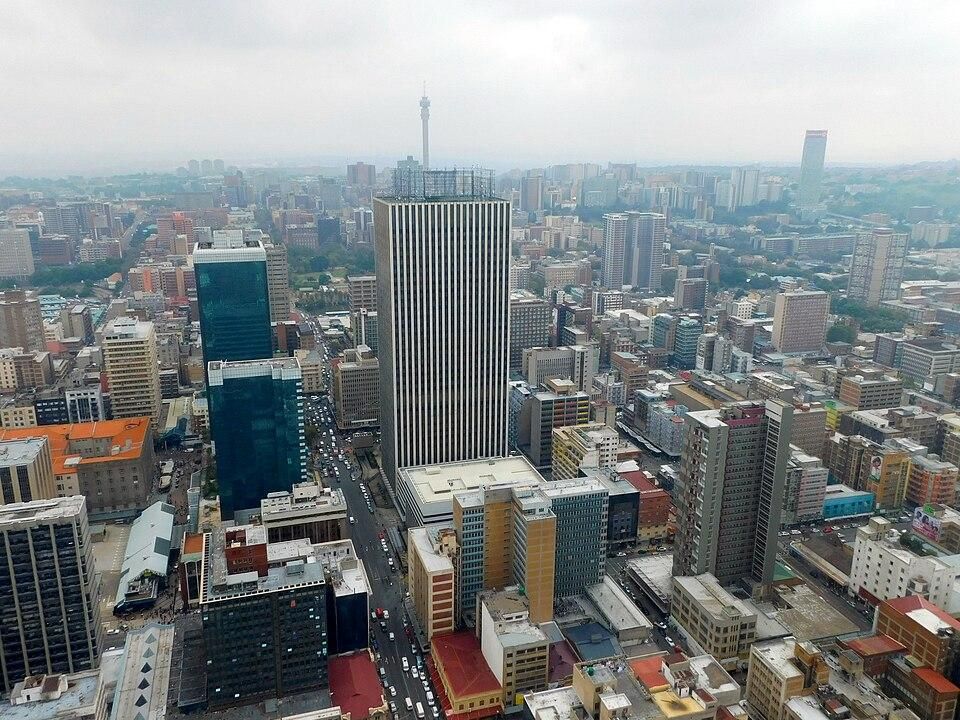
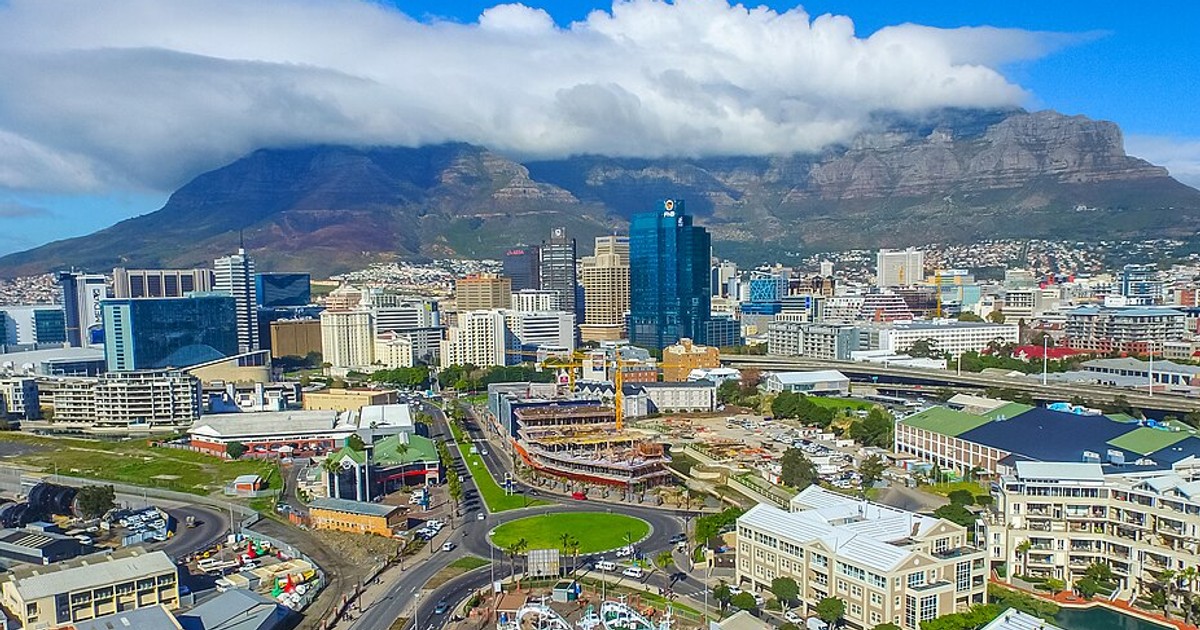
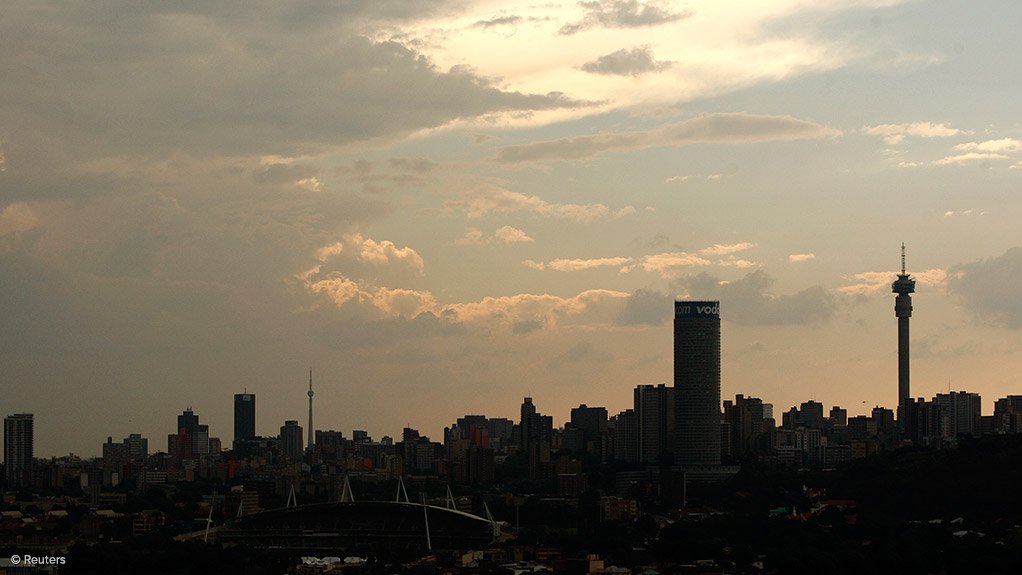
Johannesburg’s commercial property market is trading at a R196bn discount to Cape Town as investors continue to mark down South Africa’s economic hub for years of deteriorating municipal governance, according to new research by commercial property data outfit Gmaven.The analysis suggests the country’s largest commercial property market is being valued well below replacement cost, with investors discounting unreliable service delivery, crumbling infrastructure and declining business confidence rather than the quality of the underlying assets.For Gmaven, the disparity has little to do with the buildings themselves.“The discount says nothing about the quality of Johannesburg’s property entrepreneurs and managers. It is not geography either — that is already priced in. What the market is pricing is one factor: the competence of local government,” the report said.Drawing on about 1,100 arm’s-length commercial property transactions concluded since 2020, Gmaven compared 25,700 office, retail, industrial and specialist properties across Johannesburg and Cape Town after matching them by size, grade, location and property type.The discount says nothing about the quality of Johannesburg’s property entrepreneurs and managers. It is not geography either — that is already priced in. What the market is pricing is one factor: the competence of local government.— ReportThe findings reveal a striking disconnect. Though Johannesburg municipality accounts for 21.9% of South Africa’s commercial gross lettable area — more than the Western Cape and KwaZulu-Natal — its commercial property is worth an estimated R376bn, only marginally more than Cape Town’s R365bn despite having 54% more commercial space.The discount is already evident in recent transactions.Earlier this year, Capitec acquired Discovery’s former headquarters on Fredman Drive in Sandton for R245m. The 21,946m² A-grade office building, diagonally opposite the Industrial Development Corporation’s headquarters, changed hands at about R11,164/m², including parking bays. By comparison, building a standard suburban home in Johannesburg typically costs between R18,000/m² and R25,000/m² before land costs are included.Far from being an isolated deal, Gmaven said prime office buildings across Johannesburg are routinely selling for less than R10,000/m² despite replacement costs exceeding R28,000/m², excluding land. Comparable office space in Cape Town typically commands about three times that value.The gap is most pronounced in the office sector, which accounts for more than 40% of Johannesburg’s estimated valuation discount. Average office buildings in Johannesburg trade at R10,121/m², less than half Cape Town’s R20,524. Retail properties fetch R13,787/m² compared with R19,752 in Cape Town, while specialist assets, including hospitals, hotels and educational facilities, also trade at substantial discounts. Industrial property has largely retained its value.The research indicates that years of unreliable service delivery have steadily weakened demand for commercial space as businesses relocated, downsized or postponed expansion.“As service delivery deteriorated, staff semigrated and public transport frayed, businesses voted with their feet. Some folded, others relocated and demand fell. Landlords cannot conjure tenants, so owners have watched, largely helplessly, as value drained away,” it said.Cape Town, by contrast, has outperformed Johannesburg across every commercial property category, with stronger municipal governance helping commercial property values broadly keep pace with inflation.Gmaven estimates South Africa’s commercial property market is worth R2-trillion and comprises 205-million square metres of gross lettable area. Together, Johannesburg and neighbouring Ekurhuleni account for 37.3% of that space, making the city’s recovery critical to the broader property market.The report argued that the biggest catalyst for unlocking value now lies outside the property sector.With local government elections due in November, investors are effectively waiting for evidence that Johannesburg’s governance can improve before repricing its commercial assets.“If Johannesburg’s administration changes, and service delivery with it, the numbers imply an enormous upswing in value and investment, to the benefit of investors, employees of property funds, construction firms and lenders alike. An improvement in South Africa’s economic growth will supercharge this,” Gmaven said.Business Day