CDNs: Under the regulatory ambit
| Photo Credit:
metamorworks
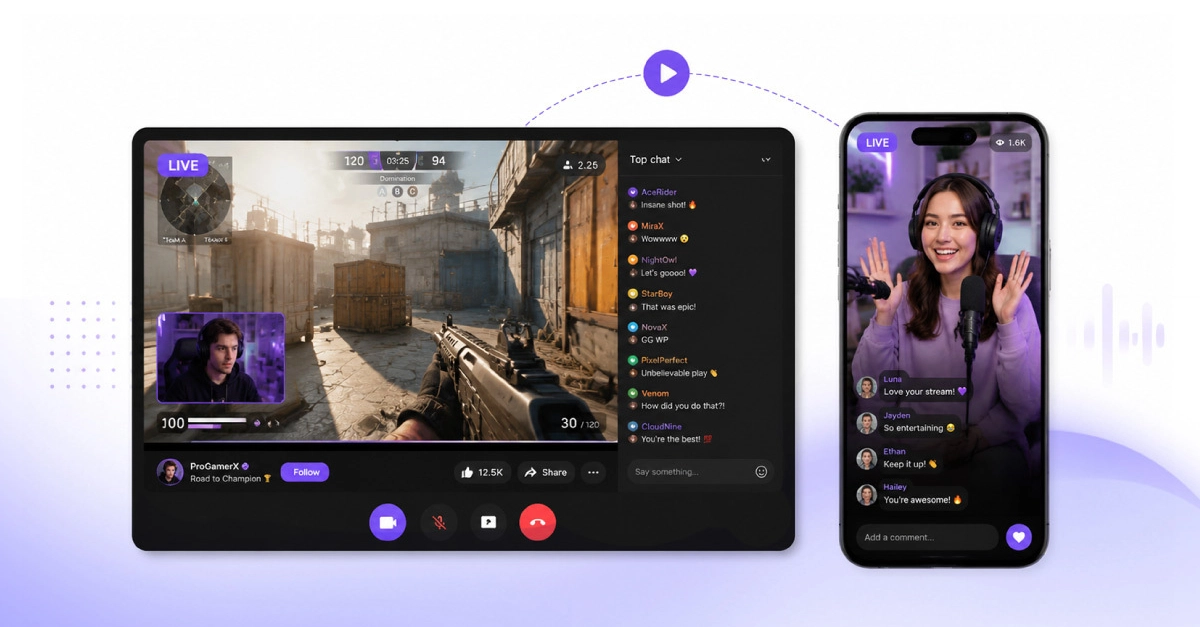
Have you experienced the superior rendering of the magical field goals by Messi in the World Cup Soccer on your mobile? This is specifically due to the invisible part played by the Content Delivery Networks (CDNs).The CDNs sit in between the video content provider — also called as the Over The Top (OTT) Large Traffic Generators (LTGs) such as Netflix, JioHotStar, and your mobile network (RJio, Airtel). The CDN typically consists of server nodes that are deployed across the Internet, usually near the users of mobile networks, so that the video content can be delivered with very low latency. Thus, the CDNs boost the overall user experience of watching OTT video services.Types of CDNThere are various types of CDNs, including the following: (i) deployed by OTTs such as Amazon, Google, Meta (ii) deployed by the Telecom and Internet Services Providers (TISPs) such as Airtel (iii) third-party providers such as Cloudflare, Akamai.In cases (i) and (ii), it is possible that OTT-LTGs and TISPs can have commercial agreements on investment in CDNs. In such cases, you may experience a superior quality of experience compared to the experience of watching the same OTT’s content in TISPs with whom they do not have a relationship. We also see the bundling of subscription of OTT-LTG content and telecom tariff, which might lead to discriminatory pricing of OTTs without such arrangements.Meta and Google have equity investments in RJio platform. Further, Google and Amazon (in initial stages) provide infrastructure support (possibly in CDNs) to Airtel. These arrangements make way for possible prioritised treatment of content of a preferred partner.Some of the smaller OTT-LTGs such as Aha or Chaupal have opted for the neutral option (iii), in which the third-party CDNs aggregate traffic from multiple OTT-LTGs to provide the required unit economics, at the same time providing better quality of experience for the users. In the absence of a closer commercial and technical arrangement whether the smaller TISPs and smaller niche OTT-LTGs are able to provide equivalent user experience economically compared to the larger ones is a question that needs to be answered.Net neutralityThe net neutrality regulation promulgated by the Department of Telecommunications on July 31, 2018, while prescribing non-discriminatory treatment of applications and content by the TISPs, specifically excludes CDNs from the ambit of regulation. The argument behind this is that the relationship between the OTT-LTGs and CDNs on one hand and CDNs and TISPs on the other are independent commercial agreements that are not materially significant to be regulated under the net neutrality provisions.Some TISPs have been demanding “fair share” usage charges to be levied on the OTT-LTGs based on the traffic they generate, so that the same can be used by the TISPs to improve their network coverage and capacity for carrying high bandwidth content. There has been a pushback against such a policy as it, prima facie, violates net neutrality as this might lead to prioritisation or differential pricing of the respective OTT content.However, without opining on whether a TISP should charge or not, one can assert that the relation between TISPs and large OTTs should be treated as a commercial relation. If TISPs want to charge they should be allowed to do so. The investment by OTTs in TISPs is also a kind of lump sum charge, a charge which was cleared by the relevant agencies. Hence, the recommendation that commercial principles should apply is nothing new.A more important question is whether CDNs should come within the ambit of net neutrality regulations. If the CDNs are considered a part of the telecom infrastructure, then they do. As CDNs become integral part of the telecom network in distributing content, regulator’s watchful eyes on the coalition between OTT LTGs and TISPs and in turn on the deployment of CDNs is required.Sridhar is Professor at IIIT-Bangalore and Prasad is Professor at MDI Gurgaon. Inputs from Parth Sivakumar, Prajna Kavisree, and Pragya Rai, students of IIIT-Bangalore. This work is partially funded by the ICRIER and Vodafone Idea Centre for TelecomPublished on July 30, 2026