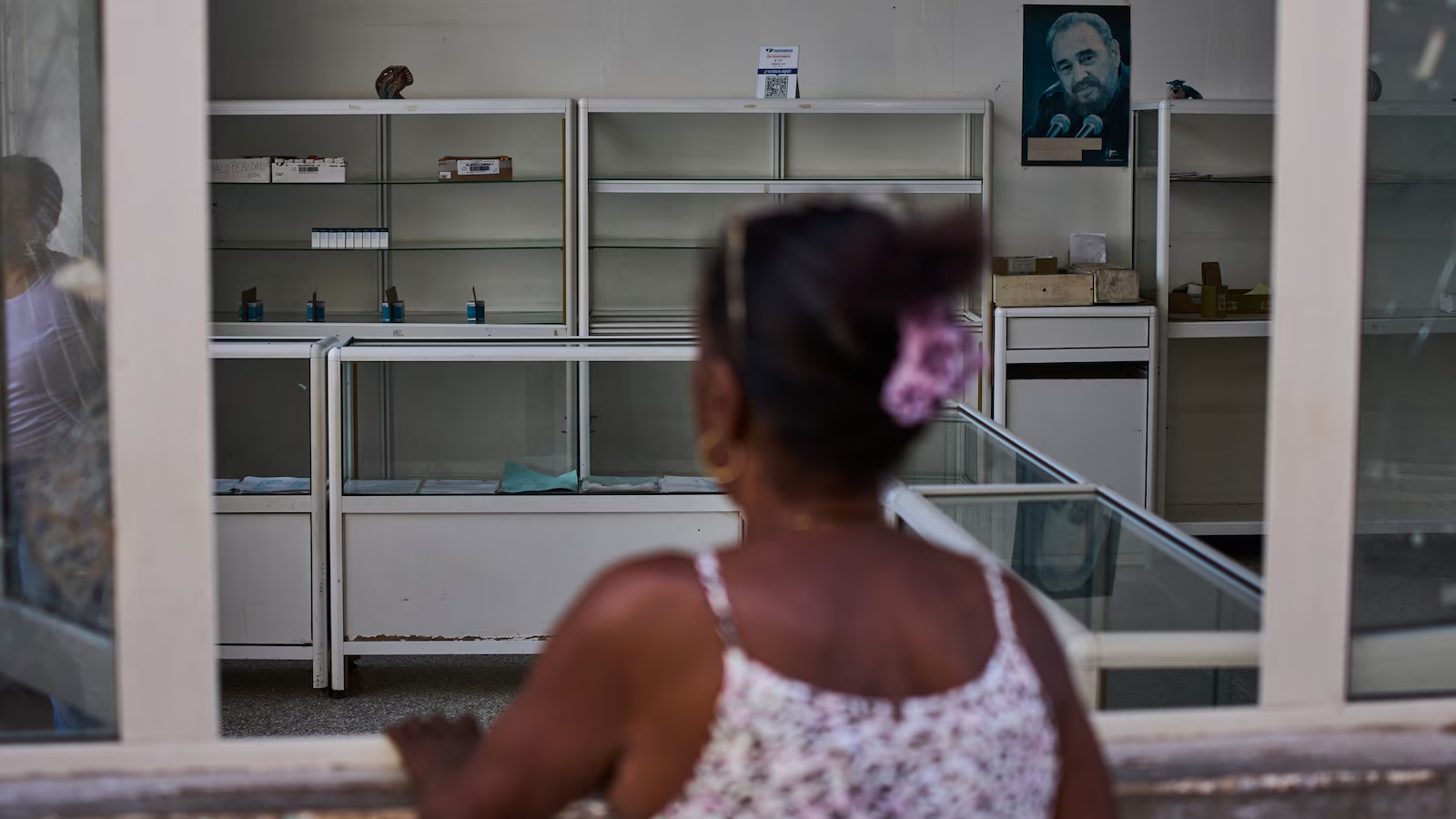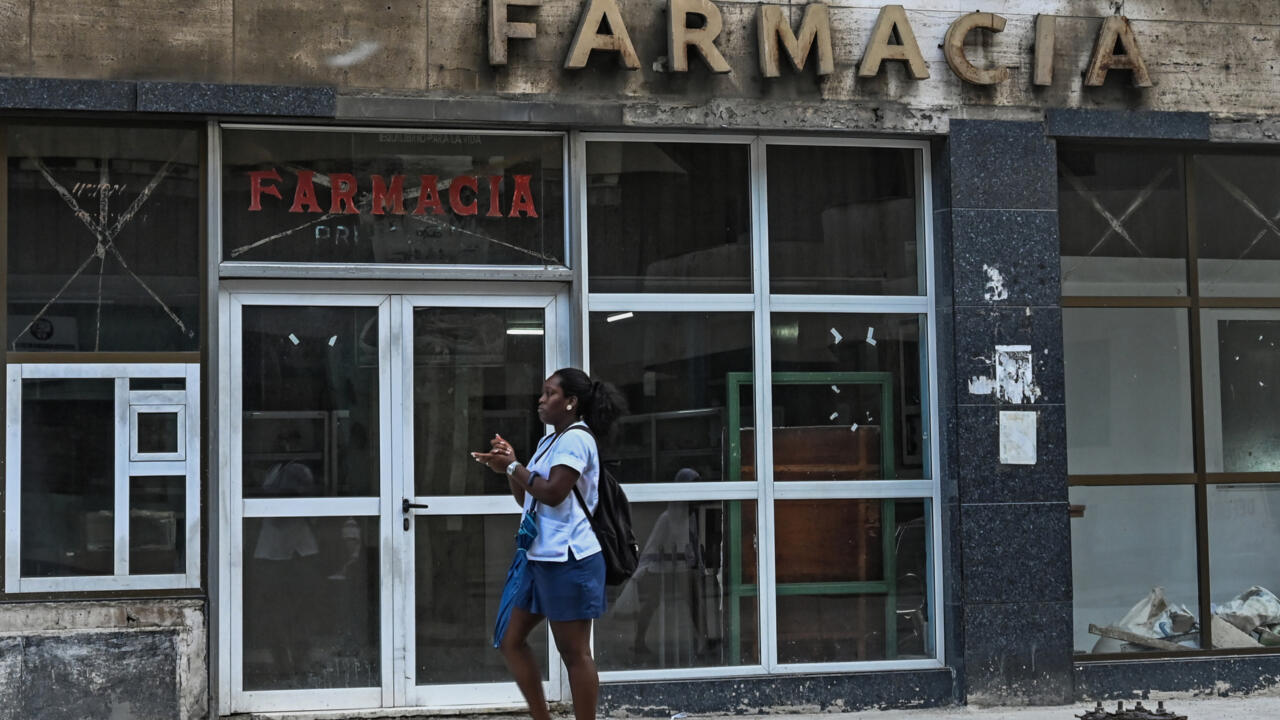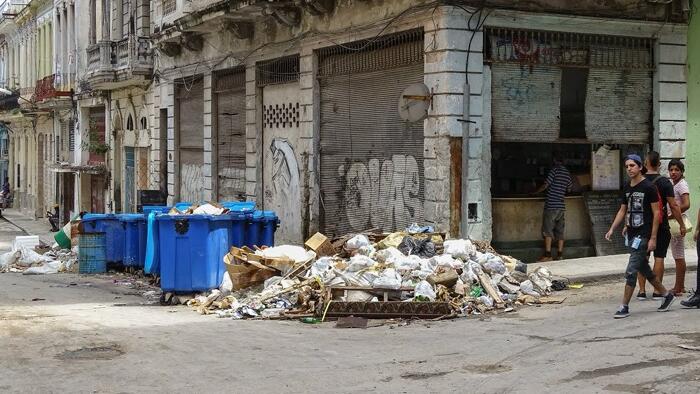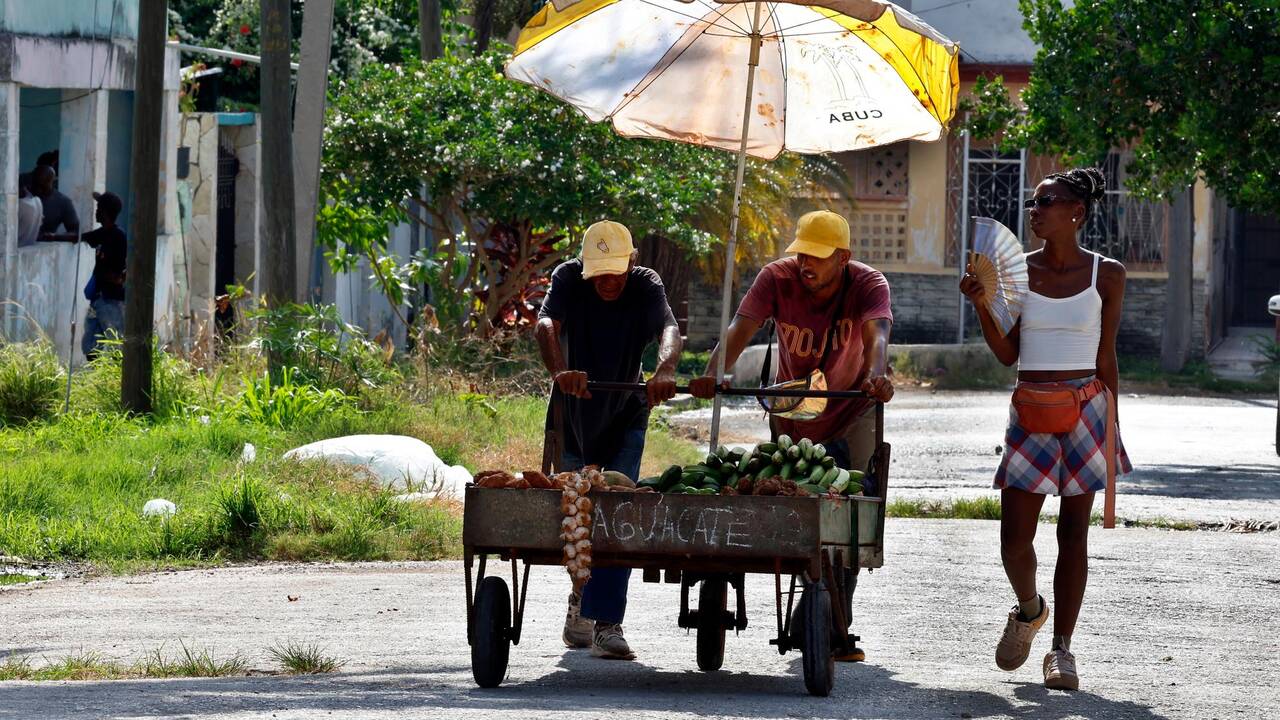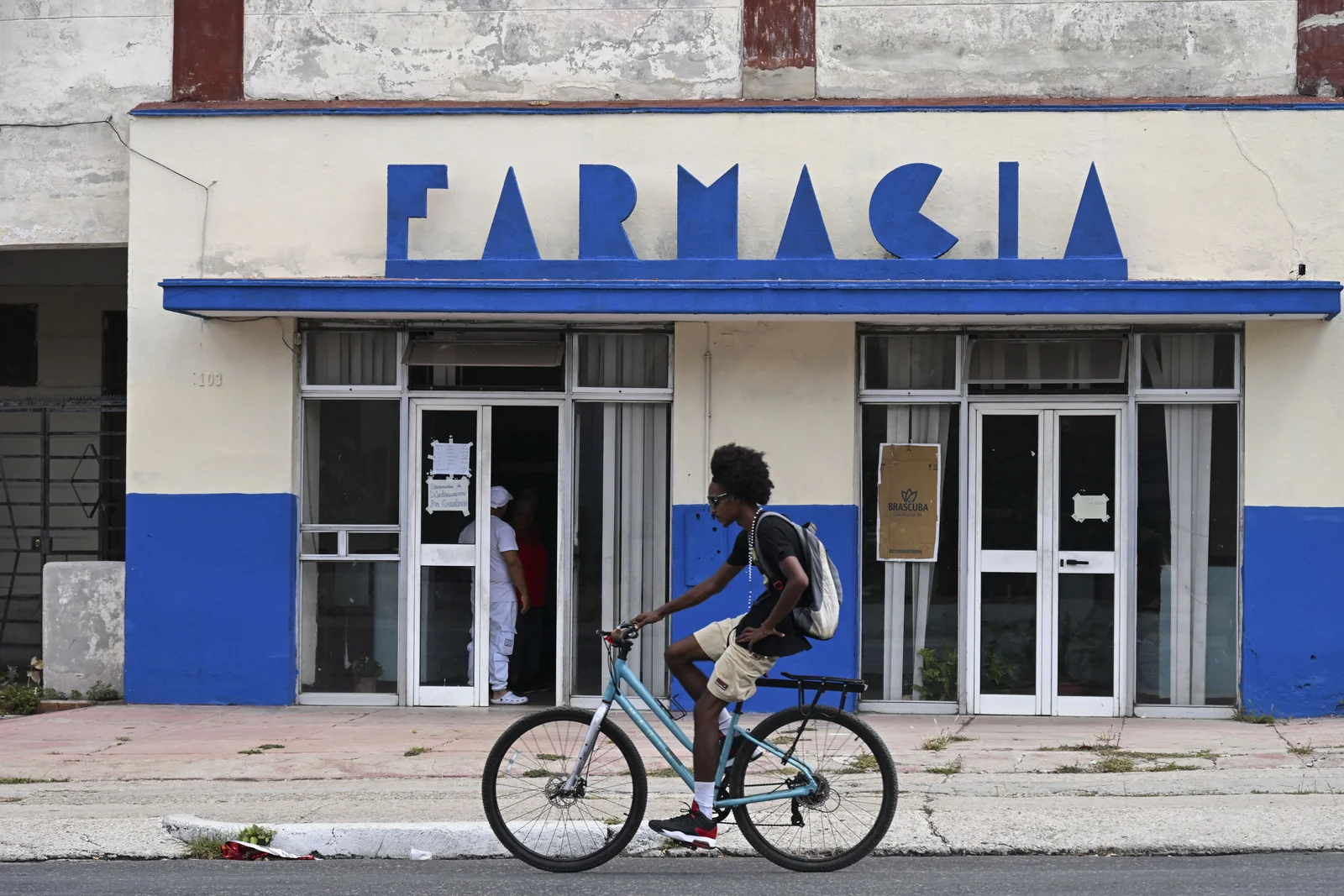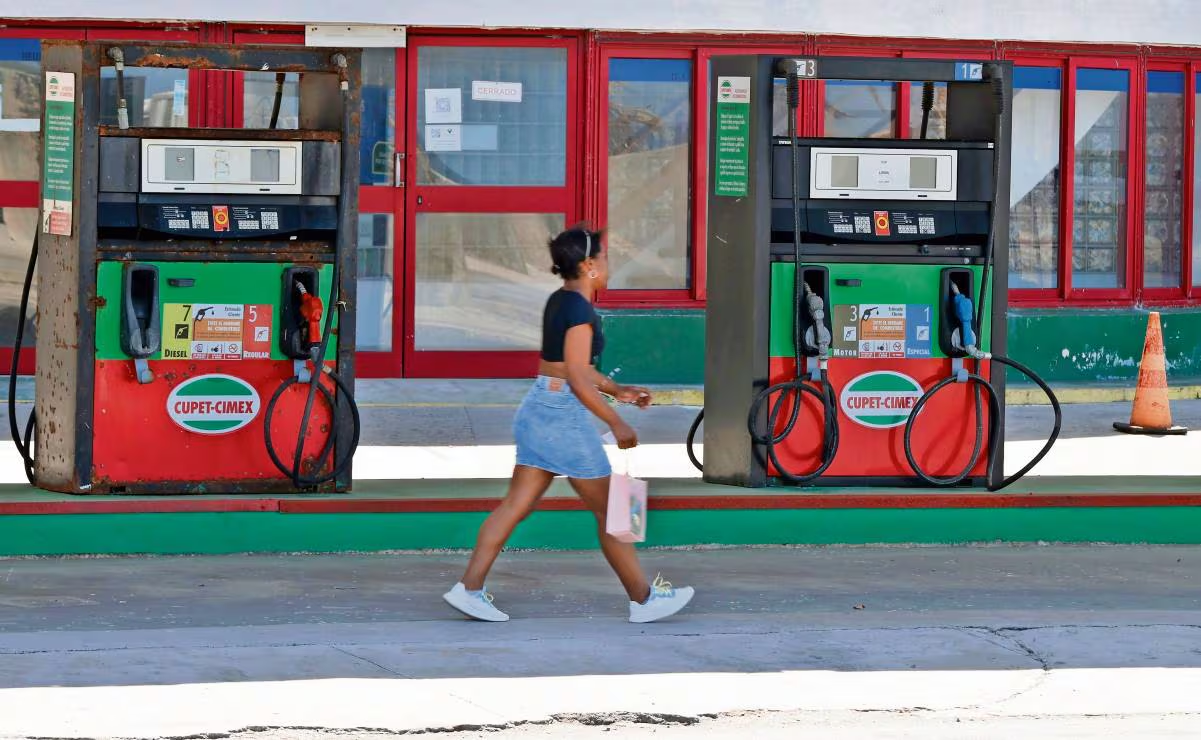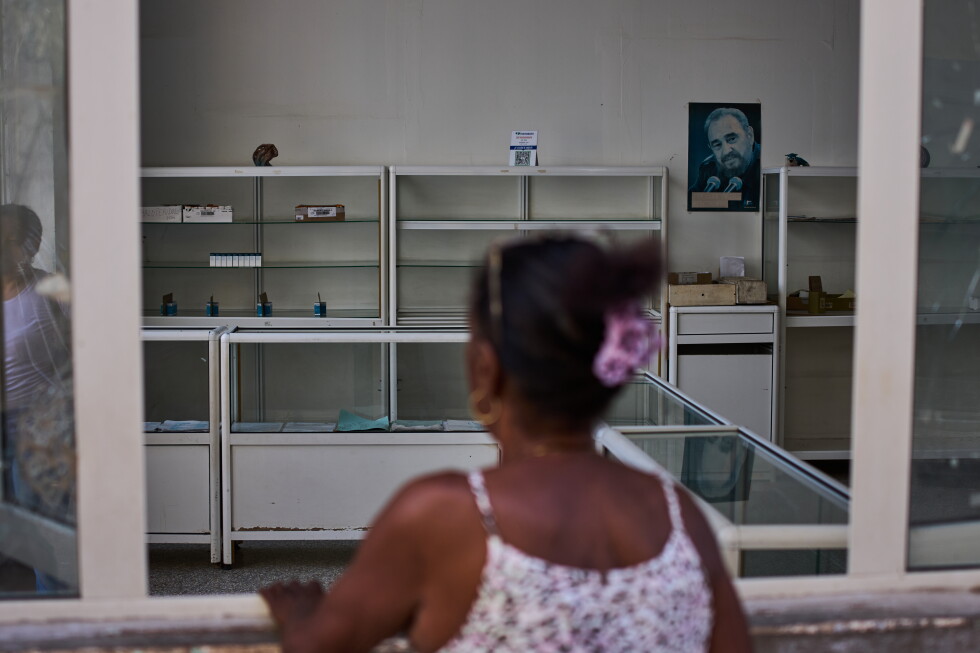
HAVANA (AP) — In an effort to fend off a mounting humanitarian crisis, Cuba on Wednesday eased up on longtime restrictions on private vendors and imports, opening up a sector firmly controlled by the Communist-led government. The reforms would allow for the import and resale of some goods and medicines from other countries, loosen restrictions on oil extraction for foreign companies and implement other changes at a time when the country is plagued by medical and energy shortages.While private enterprise has slowly opened in recent years, many sales on the country’s informal market have long existed in a gray area — not technically legal but widely used by Cubans struggling to survive the day-to-day hardships.The measures, which were approved by the parliament last month and went into effect on Wednesday, are expected to bring about a significant shift on the island, where the economy and industry have been strictly controlled by the government since the 1960s.
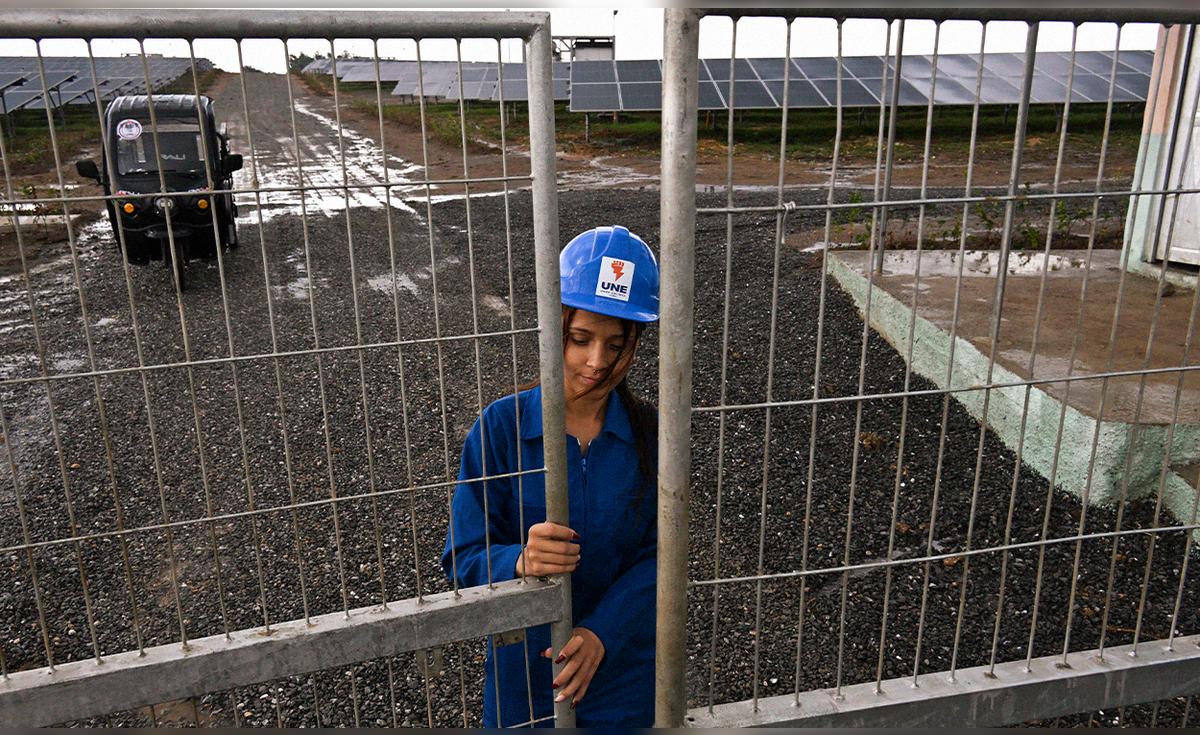
The reforms come as Cuba has been pushed to the brink by an oil blockade imposed by the United States in January. The move by the Trump administration, meant to put pressure on the government, worsened already crippling blackouts, cut workers off from public transport, crippled infrastructure and deepened shortages in medicine and food.Last month, Cuban President Miguel Díaz-Canel said the reforms were necessary because the country “simply cannot continue on its current course.”